ZenSelfCare Blog

  • Home

Yoga Unveiled: Understanding the Core Styles and Their Benefits

June 22, 2024 By

Introduction to Yoga

The Origins and Evolution of Yoga

The roots of yoga stretch back over 5,000 years to the Indus Valley civilization. Originally a spiritual, mental, and physical practice, yoga aimed to unite the mind, body, and spirit. The word “yoga” itself is derived from the Sanskrit “yuj,” meaning to join or unite. Over the centuries, yoga has evolved and branched into various styles, each with its unique focus and techniques, yet all retain the core objective of achieving balance and inner peace.

Defining Yoga: More Than Just Physical Exercise

While often perceived primarily as a physical exercise in the West, yoga is far more comprehensive. It encompasses not only the physical postures (asanas) but also breath control (pranayama), meditation (dhyana), and ethical precepts. Yoga is a holistic discipline that promotes wellness on all levels: physical, mental, and spiritual.

The Mind-Body-Spirit Connection in Yoga

Central to yoga is the belief in the interconnectedness of the mind, body, and spirit. This connection is cultivated through the practice of asanas, which enhance physical health, pranayama, which steadies the emotions, and meditation, which clears the mind. The harmonization of these three components leads to a state of well-being and equanimity.

Understanding the Different Paths of Yoga

Yoga is not a one-size-fits-all practice. It offers various paths, each suited to different temperaments and goals. The main paths include:

  • Karma Yoga – the yoga of selfless action
  • Bhakti Yoga – the path of devotion
  • Jnana Yoga – the pursuit of knowledge and wisdom
  • Raja Yoga – the science of mental control
  • Hatha Yoga – the practice of physical postures

Each path offers its unique approach to achieving the ultimate goal of yoga: self-realization and union with the divine.

Hatha Yoga: The Foundation of Physical Practices

What is Hatha Yoga?

Hatha Yoga is a traditional form of yoga that emphasizes the balance between body and mind through physical postures (asanas), breathwork (pranayama), and meditation. The word “Hatha” is derived from two Sanskrit terms: “ha,” meaning sun, and “tha,” meaning moon. This duality symbolizes the quest for balance between the active, hot, and light qualities of the sun and the receptive, cool, and dark qualities of the moon. Hatha Yoga is designed to align and calm your body, mind, and spirit in preparation for meditation.

Key Poses and Sequences

The practice of Hatha Yoga includes a variety of asanas that are designed to improve strength, flexibility, and balance. According to traditional texts, there are eighty-four classic asanas taught by Lord Shiva, which serve as the foundation of the practice. Some beginner-friendly poses include Tadasana (Mountain Pose), which establishes grounding and stability; Sukhasana (Easy Seat), which invites calmness; and Vrksasana (Tree Pose), which builds concentration and balance. These foundational poses are stepping stones for beginners and form the bedrock for advancing in the practice.

Physical and Mental Benefits

  • Physical Health: Regular practice of Hatha Yoga can improve flexibility, muscle tone, and overall endurance. It can also aid in weight management and promote better posture.
  • Mental Clarity: The meditative aspects of Hatha Yoga encourage a relaxation response in the nervous system, leading to reduced stress and enhanced cognitive functions such as concentration and memory.
  • Emotional Well-being: Deep breathing and mindfulness practices within Hatha Yoga can uplift mood and ease feelings of anxiety and depression.
  • Women’s Health: Hatha Yoga can provide relief from menstrual cramps, help regulate hormonal balance, and offer solace during times of emotional upheaval.

Who Should Practice Hatha Yoga?

Hatha Yoga is suitable for individuals of all ages and fitness levels. It is particularly beneficial for those seeking a gentle yet effective form of exercise that not only maintains physical well-being but also promotes mental and emotional health. Whether you are new to yoga or looking to deepen an existing practice, Hatha Yoga offers a comprehensive approach that can be tailored to meet individual needs.

Vinyasa Yoga: The Flow of Movement and Breath

Understanding Vinyasa Yoga

Vinyasa Yoga, often described as “flow” yoga, is a dynamic form of yoga that integrates seamless movement with breath. Unlike styles with fixed sequences, such as Bikram or Ashtanga, Vinyasa is characterized by its variability—no two classes are the same. This approach not only cultivates a more balanced body but also reduces the risk of repetitive motion injuries. The term “Vinyasa” itself is derived from the Sanskrit “nyasa,” meaning “to place,” and “vi,” meaning “in a special way,” indicating a conscious placement of movement that aligns with one’s breath and intention.

The Importance of Breath-Synchronized Movement

The essence of Vinyasa lies in the synchronization of movement with the breath. Each motion is initiated by an inhalation or exhalation, creating a rhythm that is both meditative and invigorating. This breath-led practice encourages practitioners to stay present and connected to their physical experience, promoting a deeper level of mindfulness. The use of Ujjayi breath, a specific breathing technique characterized by a rhythmic sound and sensation, helps to maintain focus and generates internal heat, adding a cardiovascular element to the practice.

Benefits of a Regular Vinyasa Practice

  • Physical Health: Vinyasa Yoga improves strength, flexibility, and balance by engaging various muscle groups through its diverse poses. The continuous flow also promotes cardiovascular health, making it an effective workout.
  • Mental Clarity: The requirement for concentration on breath and movement enhances cognitive functions, leading to increased mental clarity and focus.
  • Stress Reduction: The meditative aspects of Vinyasa help in reducing stress and anxiety, providing a sense of calm and well-being.
  • Emotional Balance: As a moving meditation, Vinyasa can foster emotional resilience and stability, contributing to improved mood and emotional health.

Is Vinyasa Yoga Right for You?

Vinyasa Yoga is versatile, catering to both beginners and advanced practitioners. It is particularly appealing to those who seek a more active form of yoga that incorporates a sense of rhythm and flow. However, it is important to approach Vinyasa with mindfulness to avoid injury, especially in transitions and more complex poses. If you enjoy variety, creativity in sequences, and a practice that aligns movement with breath, Vinyasa Yoga might be the perfect style for you. As with any yoga practice, it is recommended to start with classes appropriate to your level and to consult with instructors to ensure safe and beneficial practice.

In conclusion, Vinyasa Yoga offers a holistic approach to well-being, harmonizing the body, mind, and spirit through its fluid sequences and breath synchronization. Whether you are looking to improve physical fitness, mental focus, or emotional resilience, Vinyasa provides a comprehensive practice that can be adapted to suit individual needs and preferences.

Ashtanga Yoga: The Power of a Disciplined Practice

The Six Series of Ashtanga Yoga

Ashtanga Yoga is a structured practice that consists of six series of asanas (poses), each with a specific focus and level of difficulty. The Primary Series, known as Yoga Chikitsa, detoxifies and aligns the body. The Intermediate Series, Nadi Shodhana, purifies the nervous system by opening and clearing the energy channels. Following these are four Advanced Series, which demand higher levels of flexibility, strength, and humility. Each series builds upon the last, with the poses arranged in a sequence to prepare the body and mind for progression.

The Role of Bandhas and Drishti

Central to Ashtanga Yoga are the concepts of bandhas and drishti. Bandhas are internal energy gates or locks that, when engaged, control the flow of energy and assist in maintaining the structural integrity of the poses. The three primary bandhas are Mula Bandha (root lock), Uddiyana Bandha (abdominal lock), and Jalandhara Bandha (throat lock). Drishti refers to the focused gaze during asana practice, which directs attention and cultivates concentration. Each pose in Ashtanga Yoga is associated with a particular drishti, aiding in the development of meditative focus.

Physical and Inner Strength Development

Ashtanga Yoga is renowned for its ability to build physical strength and endurance, as well as improve flexibility. The practice’s repetitive nature encourages muscle memory and body awareness. However, the benefits extend beyond the physical. Ashtanga practitioners often experience increased mental clarity, resilience, and a sense of inner peace. The synchronization of breath with movement creates a moving meditation that strengthens the mind-body connection.

Determining Suitability for Ashtanga Yoga

Ashtanga Yoga is a demanding practice that may not be suitable for everyone. It is ideal for those who thrive on routine and are looking for a physically challenging and structured practice. Beginners should approach Ashtanga with patience and be prepared to spend time mastering the fundamentals of the Primary Series. It is recommended to learn under the guidance of an experienced teacher who can provide modifications and ensure proper alignment. As with any yoga practice, listening to one’s body is crucial, and it is essential to practice at a pace that is respectful of individual limitations and needs.

Iyengar Yoga: Precision and Alignment

The Principles of Iyengar Yoga

At the heart of Iyengar Yoga is the pursuit of precision and alignment in every aspect of the practice. Founded by B.K.S. Iyengar, this style emphasizes the detailed alignment of the body in each posture (asana) and breath control (pranayama). The meticulous approach to asanas ensures that practitioners perform each pose correctly, minimizing the risk of injury and maximizing the pose’s benefits. Iyengar Yoga is not just about achieving the perfect form; it’s about understanding the body’s structure and mechanics to create balance and harmony within.

Use of Props and Correct Alignment

One of the distinctive features of Iyengar Yoga is the use of props, such as blocks, straps, and bolsters. These tools are not seen as mere aids but as integral elements that allow students to experience the asanas fully, regardless of their level of flexibility or strength. Props assist in maintaining correct alignment and can help deepen the practice by allowing longer holds in the asanas. They also make yoga more accessible to people with physical limitations, ensuring that everyone can benefit from the practice.

Therapeutic Benefits of Iyengar Yoga

The therapeutic benefits of Iyengar Yoga are vast. The focus on alignment aids in correcting postural imbalances, which can alleviate chronic pain, particularly in the back, neck, and joints. The practice has been known to enhance mobility and stability, leading to improved overall musculoskeletal health. Additionally, the precision and mindfulness required in Iyengar Yoga foster mental clarity and reduce stress, contributing to emotional well-being.

Who Can Benefit from Iyengar Yoga?

Iyengar Yoga is suitable for everyone, from beginners to advanced practitioners. It is especially beneficial for those recovering from injuries or dealing with chronic health conditions, as the use of props and the emphasis on alignment allow for a personalized and safe practice. Athletes can use Iyengar Yoga to cross-train and improve their performance through better flexibility and balance. Seniors may find the practice helpful in maintaining mobility and strength. Ultimately, anyone seeking a deeper understanding of their body and a mindful approach to exercise will find value in Iyengar Yoga.

Bikram and Hot Yoga: The Heat is On

Bikram Yoga: A Fixed Sequence in a Hot Room

Bikram Yoga, developed by Bikram Choudhury, is a series of 26 postures and 2 breathing exercises performed over 90 minutes in a room heated to 105°F with 40% humidity. This intense environment is said to facilitate deeper stretching, prevent injury, and aid in detoxification. The consistent sequence is designed to work every part of the body, providing a comprehensive workout that challenges both the mind and body.

Hot Yoga Variations

While Bikram Yoga follows a strict sequence, Hot Yoga can refer to any yoga practice in a heated room and may include a variety of styles and sequences. Some studios offer Hot Vinyasa or Hot Power Yoga, which incorporate flowing movements and may not adhere to the 26 poses of Bikram. The heat remains a constant, creating a vigorous and sweat-inducing practice.

Health Benefits and Precautions

The benefits of Hot Yoga include improved flexibility, increased strength, enhanced cardiovascular health, and potential weight loss. The heat promotes sweating, which is believed to help detoxify the body. However, it’s essential to stay hydrated and listen to one’s body to prevent overheating or dehydration. Individuals with certain health conditions should consult a doctor before participating.

Deciding if Hot Yoga is Right for You

Hot Yoga is not for everyone. It’s a demanding practice that requires mental and physical resilience. If you’re new to yoga or sensitive to heat, it may be best to start with less intense classes. For athletes and those looking for a challenging workout that also promotes relaxation and stress relief, Hot Yoga might be an excellent addition to your fitness regimen.

Restorative and Yin Yoga: The Art of Slowing Down

The Essence of Restorative Yoga

Restorative yoga is a practice that emphasizes deep relaxation for the body and mind. Unlike more active styles, it focuses on the release of tension through long-held, passive poses. Using props such as bolsters, blankets, and blocks, restorative yoga supports the body in gentle stretches that require minimal effort. This nurturing form of yoga is ideal for winding down and is particularly beneficial at the end of a busy day.

Yin Yoga: Deep Stretching and Mindfulness

Yin yoga, on the other hand, targets the connective tissues, such as ligaments and fascia, rather than the muscles. The poses are held for longer periods, typically three to five minutes, allowing for a deeper stretch and a meditative focus. This practice encourages mindfulness and introspection, as the extended time in each pose creates space for mental and emotional exploration.

Benefits of a Slow-Paced Yoga Practice

The slower pace and deep stretching of restorative and yin yoga offer numerous benefits. Physically, these practices can improve flexibility and joint mobility, and promote circulation. Mentally, the calming nature of these styles can reduce stress and anxiety, leading to better sleep and a more balanced emotional state. Additionally, the introspective quality of yin yoga can foster a deeper connection with oneself.

  • Physical Benefits: Improved flexibility, joint health, and circulation.
  • Mental Benefits: Reduced stress and anxiety, enhanced sleep quality, and emotional balance.
  • Spiritual Benefits: Greater self-awareness and inner peace.

Incorporating Restorative and Yin Yoga into Your Routine

Incorporating restorative and yin yoga into your routine can be a soothing complement to more dynamic practices or a standalone method for relaxation and self-care. To begin, try adding a few restorative poses at the end of your regular yoga practice or dedicate one or two sessions a week to these styles. Listen to your body and allow yourself the time to relax fully into each pose, using props as needed for comfort.

Remember, the goal is not to achieve perfect alignment or to push the body, but to find a sense of ease and release. Whether you are a seasoned yogi or new to the practice, restorative and yin yoga can be adapted to suit your individual needs, making them accessible and beneficial for everyone.

Conclusion: Integrating Yoga into Your Life

Choosing the Right Style for Your Needs

Embarking on a yoga journey is a deeply personal experience, and selecting the right style is crucial for aligning with your individual needs and goals. Whether you seek the physical rigor of Ashtanga or the meditative stillness of Yin Yoga, the diversity of yoga styles ensures a match for every practitioner. Consider your physical condition, emotional state, and lifestyle when choosing a style. For instance, Vinyasa may invigorate an active individual, while Iyengar could benefit those needing a more therapeutic approach. Listen to your body and allow your personal journey to guide your choice.

Combining Styles for a Holistic Practice

Yoga’s multifaceted nature allows for a rich tapestry of practices that can be woven together to create a holistic experience. Integrating different styles can address various aspects of well-being. For example, pairing the dynamic movements of Vinyasa with the restorative poses of Yin Yoga can balance energy and relaxation. This approach encourages a well-rounded practice that nurtures the body, calms the mind, and nourishes the spirit.

Embracing Yoga as a Journey, Not a Destination

Yoga is not a one-time achievement but a continuous path of growth and discovery. Embrace yoga as a lifelong journey where each practice offers a new insight or challenge. The evolution of your practice is a reflection of your personal development, and setbacks are as valuable as breakthroughs. Celebrate your progress, stay patient during plateaus, and remain open to the lessons each pose teaches.

Resources and Next Steps for Deepening Your Practice

To deepen your yoga practice, seek out resources that resonate with your interests and aspirations. This could include attending workshops, joining yoga retreats, or subscribing to online platforms with a variety of classes and teachers. Consider finding a mentor or joining a yoga community for support and inspiration. As you continue your journey, remember that the true essence of yoga lies in the daily commitment to show up on your mat and explore the infinite possibilities within.


Filed Under: Features

Cultivating Growth Mindset: The Role of Habit in Personal Success

June 22, 2024 By

Introduction to Growth Mindset

Defining Growth Mindset

A growth mindset is a transformative belief that our abilities and intelligence can be developed through dedication, effort, and the application of effective strategies. This concept, introduced by psychologist Carol Dweck, suggests that with the right mindset, individuals can enhance their talents and learn new skills, viewing challenges and failures as opportunities for growth and self-improvement.

Contrasting Growth vs. Fixed Mindset

The growth mindset stands in stark contrast to a fixed mindset, which posits that our talents and abilities are innate and immutable. While individuals with a growth mindset thrive on challenges and see failure as a springboard for growth, those with a fixed mindset may avoid challenges and feel threatened by the success of others, potentially hindering their personal and professional development.

Importance of Growth Mindset in Personal Success

Embracing a growth mindset is crucial for personal success. It fosters resilience, encourages creative problem-solving, and enables individuals to persevere in the face of adversity. This mindset is not only about individual achievement but also about contributing to a larger purpose, aligning with Daniel Pink’s intrinsic motivators of autonomy, mastery, and purpose. It is the cornerstone of a lifelong journey of learning and self-improvement.

Overview of Habit Formation

Habit formation is a fundamental aspect of cultivating a growth mindset. Habits are the small decisions and actions we perform daily, and over time, they shape our lives. The science of habit reveals a loop consisting of a cue, a routine, and a reward. By understanding and leveraging this loop, individuals can develop habits that reinforce a growth mindset, such as seeking feedback, embracing challenges, and valuing the learning process over the outcome. Consistency and repetition solidify these habits, leading to lasting change and personal success.

The Science of Habit

Understanding the Habit Loop

Habits are the invisible architecture of daily life, significantly influencing our actions and outcomes. At the heart of habit formation lies the habit loop, a concept popularized by Charles Duhigg in his book “The Power of Habit.” This loop consists of three elements: cue, routine, and reward. The cue triggers a behavior, the routine is the behavior itself, and the reward is the benefit received from the behavior, which reinforces the habit loop. Recognizing and understanding this cycle is the first step towards changing habits or forming new, positive ones.

Neurological Basis of Habit Formation

The brain is a remarkably adaptable organ, and its ability to form habits is rooted in a process known as neuroplasticity. When we perform an action repeatedly, our brain forms and strengthens neural pathways that make the action easier to repeat in the future. This efficiency is managed by the basal ganglia, a group of structures in the brain responsible for emotion, pattern recognition, and the development of habits. As habits form, the prefrontal cortex, which is involved in decision-making, becomes less active, allowing the behavior to become more automatic and requiring less conscious thought.

The Role of Consistency and Repetition

Consistency and repetition are the bedrock of habit formation. Each time a behavior is repeated in response to a specific cue and followed by a reward, the neural pathways associated with that behavior are reinforced. This reinforcement makes the action easier to initiate and more likely to become a habit. The key to developing a new habit is to maintain consistency—the more frequent the behavior, the stronger and more automatic the habit becomes.

Identifying Keystone Habits

Not all habits are created equal. Keystone habits are powerful routines that have the potential to start a chain reaction, changing other habits as they are formed. These habits can influence how we work, eat, play, live, spend, and communicate. Identifying and cultivating keystone habits can be transformative, as they often lead to the development of multiple positive behaviors. For example, regular exercise is a keystone habit that tends to trigger improvements in diet and sleep patterns. By focusing on keystone habits, individuals can make significant changes in their lives with a few strategic adjustments.

In conclusion, the science of habit is a powerful tool in the quest for personal growth and success. By understanding the habit loop, recognizing the neurological underpinnings of habit formation, leveraging the power of consistency and repetition, and identifying keystone habits, we can reshape our behaviors and, by extension, our lives.

Developing a Growth Mindset through Habit

Habits that Foster a Growth Mindset

Developing a growth mindset is not an overnight transformation; it’s a gradual process that involves cultivating habits that encourage personal development and learning. Habits such as embracing challenges, persisting in the face of setbacks, and viewing effort as a path to mastery are foundational to fostering a growth mindset. Additionally, seeking feedback, celebrating the success of others, and learning from criticism are also crucial habits. These behaviors encourage the belief that abilities and intelligence can be developed, which is the essence of a growth mindset.

Strategies for Cultivating Growth-Oriented Habits

To cultivate habits that promote a growth mindset, one must first become aware of their current mindset. Strategies include:

  • Setting learning goals rather than performance goals, focusing on the process of improvement rather than the end result.
  • Adding “yet” to your vocabulary to remind yourself that you are in the process of learning and that skills are not fixed.
  • Reflecting on learning experiences daily to reinforce the idea that every day is an opportunity to grow.
  • Practicing mindfulness to stay present and engaged in the learning process, acknowledging and accepting thoughts and feelings without judgment.

Overcoming Challenges and Setbacks

Challenges and setbacks are inevitable on the path to personal growth. To overcome them, it’s important to view them as opportunities for learning. This can be achieved by analyzing what went wrong, adjusting strategies, and persevering. It’s also essential to maintain a supportive network that encourages resilience and to remind oneself of past successes to fuel motivation and confidence.

The Power of Small Wins

Recognizing and celebrating small wins is vital in developing a growth mindset. Small wins provide evidence of progress, no matter how incremental, and reinforce the value of persistence and effort. They act as stepping stones towards larger goals and help maintain motivation. By acknowledging these small achievements, individuals can see the tangible results of their growth-oriented habits, further embedding the growth mindset into their daily lives.

In conclusion, developing a growth mindset through habit is a dynamic and continuous process. It requires dedication to practicing growth-oriented habits, employing strategies that reinforce these habits, overcoming challenges with resilience, and acknowledging the power of small wins. By integrating these elements into one’s routine, a growth mindset becomes an integral part of the journey towards personal success.

Practical Applications in Daily Life

Incorporating Mindfulness Practices

Mindfulness is a powerful tool for cultivating a growth mindset. It involves paying full attention to the present moment with acceptance and without judgment. By incorporating mindfulness practices such as meditation, deep breathing, or yoga into your daily routine, you can improve your focus, reduce stress, and develop a greater awareness of your thoughts and feelings. This heightened awareness can help you recognize and challenge the limiting beliefs that may be holding you back, allowing you to approach tasks and challenges with a clearer, more open mind.

Setting and Achieving Personal Goals

Goals give direction and purpose to our efforts. To apply a growth mindset to goal setting, start by defining clear, achievable objectives that stretch your abilities and encourage development. Break these goals down into smaller, actionable steps and celebrate the small wins along the way. This process not only provides a roadmap for success but also reinforces the belief that abilities can be developed through dedication and hard work. Remember to be flexible and adjust your goals as needed, viewing any setbacks as opportunities for learning and growth.

Learning from Failure and Feedback

Failure is an inevitable part of growth. Instead of fearing it, embrace it as a valuable source of feedback. Reflect on what went wrong and what could be done differently next time. This reflection turns failure into a learning experience that can inform future efforts. Similarly, actively seek out and welcome feedback from others. Constructive criticism can be a goldmine of insights, helping you to refine your approach and improve your performance. Approach feedback with an open mind, and use it as a tool to foster your growth mindset.

Building Resilience through Routine

Resilience is the ability to bounce back from setbacks and challenges. One way to build resilience is through establishing routines that promote stability and well-being. A consistent routine can include regular exercise, adequate sleep, healthy eating, and time for relaxation. These habits support physical and mental health, providing a strong foundation to face and overcome life’s challenges. Moreover, routines can create a sense of predictability and control, which is particularly valuable when navigating uncertain or difficult situations.

By integrating these practices into your daily life, you can foster a growth mindset that will empower you to approach personal and professional challenges with confidence and resilience. The journey towards personal success is ongoing, and these practical applications are key steps on the path to a fulfilling and growth-oriented life.

The Impact of Social Environment

Creating a Supportive Community

Success is not a solo journey, and the social environment plays a crucial role in shaping our mindset and habits. A supportive community acts as a fertile ground for nurturing a growth mindset. This community can be composed of friends, family, colleagues, or mentors who encourage perseverance, celebrate efforts, and provide constructive feedback. Such a network can bolster our resilience, especially when we face setbacks, and remind us that progress is a collective endeavor. To cultivate such a community, one must actively seek out and engage with individuals who embody the principles of a growth mindset and are committed to mutual growth and success.

The Influence of Social Norms on Habits

Social norms significantly influence our behavior, including our habits. The norms of our immediate social circles often dictate what behaviors are encouraged or discouraged. When surrounded by individuals who prioritize learning and self-improvement, we are more likely to adopt habits that align with a growth mindset. Conversely, if the prevailing norm is to accept one’s abilities as static, the motivation to develop growth-oriented habits may wane. Recognizing and consciously choosing the social norms we subscribe to can be a powerful step in reinforcing our growth mindset.

Role Modeling and Mentorship

Role models and mentors serve as living examples of what we aspire to become. They demonstrate the habits and attitudes associated with a growth mindset, such as embracing challenges, persisting in the face of obstacles, and continuously learning. By observing and interacting with role models, we can internalize their approach to growth and success. Mentorship, in particular, provides personalized guidance and support, helping us navigate our path and refine the habits that contribute to our personal development.

Navigating Social Media and Comparison

In the digital age, social media can be a double-edged sword. While it can connect us with inspiring individuals and communities, it can also lead to unhealthy comparison and a skewed perception of success. To maintain a growth mindset in the face of social media, it is essential to use these platforms intentionally. This means engaging with content that educates and motivates, setting boundaries to prevent overconsumption, and reminding ourselves that everyone’s journey is unique. By doing so, we can leverage social media as a tool for inspiration rather than a source of self-doubt.

In conclusion, the social environment is a powerful influencer of our mindset and habits. By consciously shaping our social interactions and the norms we adopt, we can create a conducive atmosphere for cultivating a growth mindset. This, in turn, sets the stage for personal success and fulfillment.

Maintaining a Growth Mindset Long-Term

Adapting Habits to Life Changes

Life is a dynamic journey with its ebbs and flows. As circumstances change, so must our habits to maintain a growth mindset. The key is to be flexible and adaptable, recognizing when a habit no longer serves your growth and being willing to adjust accordingly. For instance, a career change might require new skills, meaning your daily learning habits should evolve to include these new areas. Similarly, a shift in personal life, such as becoming a parent, might necessitate more efficient time management practices. Adapting your habits isn’t a sign of inconsistency; it’s a testament to your commitment to growth.

Continuous Learning and Adaptability

At the heart of a growth mindset is the love for learning and the ability to adapt. Continuous learning keeps you at the forefront of change, ensuring you’re always expanding your horizons. This could mean taking up new hobbies that challenge your thinking, attending workshops to enhance your professional skills, or simply reading extensively. Adaptability goes hand-in-hand with learning, as it allows you to pivot when faced with new challenges or information, ensuring that your growth mindset remains relevant and effective.

Renewing Commitment to Growth

Just as a garden requires regular tending, so does a growth mindset. It’s essential to periodically renew your commitment to personal growth. This might involve revisiting your goals, reflecting on your progress, and setting new challenges for yourself. It’s also important to stay curious and open-minded, as these traits fuel the desire to grow and learn. Renewing your commitment can be as simple as affirming your growth mindset beliefs or as involved as setting up a new personal development plan.

Celebrating Progress and Reflecting on Growth

Recognizing and celebrating your progress is crucial for maintaining a growth mindset. Take time to reflect on the milestones you’ve achieved and the obstacles you’ve overcome. This not only boosts your confidence but also reinforces the belief that effort leads to improvement. Celebrating progress doesn’t always mean grand gestures; it can be as simple as acknowledging a new understanding or a small victory. Regular reflection helps you appreciate the journey of growth, understand the value of your efforts, and set the stage for future achievements.

In conclusion, maintaining a growth mindset long-term is an active process that involves adapting habits to life’s changes, engaging in continuous learning, renewing your commitment to growth, and celebrating your progress. By integrating these practices into your life, you ensure that your growth mindset continues to thrive, fueling your personal and professional success for years to come.

Conclusion: Integrating Growth Mindset into Your Life Story

Summarizing Key Takeaways

Throughout this exploration of the growth mindset and its interplay with habit formation, we’ve uncovered several key takeaways. First, we’ve defined the growth mindset as the belief in the malleability of our abilities and intelligence through effort and learning. We contrasted this with the fixed mindset, which views these traits as static. The importance of a growth mindset in personal success cannot be overstated—it is the bedrock upon which we build resilience, embrace challenges, and ultimately achieve our goals.

Understanding the science of habit has shown us that habits are the invisible architecture of daily life, influencing our behaviors often without our conscious awareness. The habit loop, consisting of a cue, routine, and reward, is central to habit formation, with consistency and repetition reinforcing this cycle. Keystone habits, in particular, can trigger widespread change and are instrumental in fostering a growth mindset.

Encouraging Personal Reflection

As we reach the conclusion of this journey, it’s essential to pause and reflect on your own beliefs and habits. Consider the areas in your life where a fixed mindset may have taken root and the impact this may have on your personal growth. Reflect on the habits you’ve cultivated—do they align with a growth mindset? Are they helping you progress towards your goals, or are they hindering your development?

Invitation to Begin the Journey

Now, with a deeper understanding of the growth mindset and the role of habit in personal success, you are invited to begin your own journey of transformation. Start by identifying one small habit you can change or introduce that aligns with a growth mindset. Perhaps it’s dedicating time each day to learn something new or replacing self-critical thoughts with words of encouragement. Whatever it is, let this be the first step in weaving the growth mindset into the narrative of your life.

Final Thoughts on Growth and Fulfillment

In the tapestry of life, each thread of experience, challenge, and triumph contributes to the richness of our story. Cultivating a growth mindset is not a one-time event but a continuous process of learning, adapting, and evolving. It’s about embracing the journey, with all its ups and downs, and recognizing that each step forward, no matter how small, is a victory in itself.

As you integrate the growth mindset into your life story, remember that personal growth is not just about reaching a destination. It’s about the fulfillment found in the ongoing pursuit of excellence, the joy of overcoming obstacles, and the profound satisfaction that comes from knowing you are ever-expanding the boundaries of your potential. With each habit formed, each challenge faced, and each lesson learned, you are not just succeeding; you are thriving.

Embrace the growth mindset, and let it guide you to a life of continuous growth and fulfillment.

Filed Under: Features

Embracing the Present: Your Guide to Mindfulness Basics

June 22, 2024 By

Introduction to Mindfulness

Defining Mindfulness

Mindfulness is the practice of bringing one’s attention to the present moment with openness, curiosity, and without judgment. It involves a conscious direction of our awareness. Jon Kabat-Zinn, the founder of Mindfulness-Based Stress Reduction (MBSR), defines it as “awareness that arises through paying attention, on purpose, in the present moment, non-judgementally.” This means being aware of our thoughts, feelings, bodily sensations, and surrounding environment through a gentle and nurturing lens.

Historical Roots and Modern Adaptations

The concept of mindfulness has its roots in ancient traditions, particularly within Buddhism. However, it is not exclusive to any one religion or philosophy. In the 1970s, Kabat-Zinn pioneered the integration of mindfulness into Western medicine with the development of MBSR, which has since been widely researched and implemented in various settings. Today, mindfulness has been adapted into numerous forms, including mindfulness-based cognitive therapy (MBCT) and other therapeutic approaches, making it accessible to a broader audience.

Benefits of Mindfulness

Engaging in mindfulness practice has been shown to offer a multitude of benefits. It can reduce stress, enhance emotional regulation, and improve focus and concentration. Additionally, mindfulness has been linked to better immune function, lower blood pressure, and improved sleep. It also contributes to a greater capacity for compassion and empathy, both towards oneself and others.

Common Misconceptions

Despite its popularity, there are several misconceptions about mindfulness. Some believe it is about emptying the mind of thoughts, but it is actually about noticing thoughts without getting entangled in them. Others may see it as a quick fix for deep-seated issues, whereas it is a practice that requires consistency and patience. There is also a misconception that mindfulness can only be practiced through meditation; however, it can be incorporated into everyday activities, such as walking or eating. Understanding these misconceptions is crucial for a genuine practice of mindfulness.

The Mind-Body Connection

Understanding the Mind-Body Link

The concept of the mind-body connection is rooted in the idea that our thoughts, feelings, beliefs, and attitudes can positively or negatively affect our biological functioning. Conversely, what we do with our physical body—our posture, activities, and nutrition—can impact our mental state. This dynamic interplay ensures that our mind and body are not separate entities but are intricately linked and influence each other continuously.

How Mindfulness Affects the Brain

Mindfulness practice has a profound impact on the brain. It promotes changes in brain regions associated with attention, memory, and emotional regulation. Neuroscientific research has shown that mindfulness meditation increases the density of gray matter in the prefrontal cortex, which is responsible for executive functions like planning, problem-solving, and controlling emotions. Additionally, mindfulness reduces activity in the amygdala, the brain’s “fight or flight” center, which is triggered during stress and anxiety. This calming effect can lead to a reduction in stress-related symptoms and an enhanced sense of well-being.

Physical Health and Mindfulness

The benefits of mindfulness extend beyond mental health and can have tangible effects on physical well-being. Engaging in mindfulness practices can help:

  • Lower blood pressure and improve cardiovascular health
  • Reduce chronic pain by altering the perception of pain
  • Improve sleep quality by promoting relaxation
  • Boost the immune system by reducing stress and inflammation
  • Enhance digestion and alleviate gastrointestinal issues

By fostering an awareness of our bodies and adopting a non-judgmental attitude towards physical experiences, mindfulness encourages healthier lifestyle choices and can lead to improved overall health.

Core Elements of Mindfulness Practice

Awareness and Non-Judgment

Mindfulness is fundamentally about cultivating awareness and non-judgment. Awareness in mindfulness means paying attention to our thoughts, feelings, bodily sensations, and the surrounding environment with openness and curiosity. Non-judgment is the practice of refraining from labeling our experiences as “good” or “bad.” Instead, we observe them without criticism, understanding that they are transient and not definitive of who we are. This non-judgmental stance allows us to detach from the habitual patterns of our mind that often lead to stress and unhappiness.

Living in the Moment

Living in the moment, or present-moment awareness, is a cornerstone of mindfulness practice. It involves directing our attention to what is happening right now, rather than dwelling on the past or worrying about the future. This focus on the present can be cultivated through various mindfulness exercises, such as mindful breathing or sensory observation. By living in the moment, we can experience life more fully and respond to situations with greater clarity and wisdom.

Acceptance and Letting Go

Acceptance is a key aspect of mindfulness that involves embracing our present-moment experience without trying to change it. It is about acknowledging our feelings, thoughts, and bodily sensations as they are. Letting go, on the other hand, refers to the release of attachment to specific outcomes or the need to control our experiences. Together, acceptance and letting go foster a sense of peace and reduce the struggle often associated with resistance to what is.

Mindfulness Meditation Techniques

Mindfulness can be practiced through a variety of meditation techniques, each designed to foster greater mindfulness. Some of these include:

  • Basic mindfulness meditation: Sitting quietly, focusing on the breath, and observing thoughts and sensations without judgment.
  • Body scan meditation: Paying attention to each part of the body in turn, noticing any sensations, and practicing acceptance.
  • Sensory meditation: Noticing sights, sounds, smells, tastes, and touches, naming them without judgment, and letting them go.
  • Walking meditation: Walking slowly and mindfully, being fully aware of the physical sensations of walking, and maintaining focus on the present.

These techniques help to stabilize attention and presence, allowing us to become more attuned to the subtleties of our moment-to-moment experience.

By incorporating the core elements of mindfulness practice into our daily lives, we can develop a more mindful approach to our experiences, leading to greater well-being and fulfillment.

Integrating Mindfulness into Daily Life

Simple Mindfulness Exercises

Mindfulness doesn’t have to be a time-consuming or complex practice. It can be as simple as taking a few moments to focus on your breath or becoming aware of the sensations in your body. Here are some easy exercises to get you started:

  • Breath Awareness: Several times a day, pause to notice your breathing. Feel the air entering and leaving your nostrils and the rise and fall of your chest.
  • Mindful Observation: Choose an object and spend a few minutes observing it. Notice its color, texture, and shape without any judgment.
  • Listening Exercise: Close your eyes and tune into the sounds around you. Don’t label or judge the sounds; just listen and let them wash over you.

Mindful Eating and Exercise

Eating and exercise are daily activities that offer perfect opportunities for mindfulness practice. When eating, focus on the taste, texture, and aroma of your food. Chew slowly and savor each bite. During exercise, pay attention to the movement of your body, the rhythm of your breath, and how different muscles feel as they work.

Mindfulness at Work and Home

Integrating mindfulness into your workday can enhance focus and reduce stress. Try starting your day with a few minutes of meditation. During work, take short breaks to breathe deeply or stretch. At home, engage in activities like cooking or gardening with full attention, turning these tasks into meditative practices.

Overcoming Challenges in Practice

It’s normal to encounter obstacles in your mindfulness journey. You might find your mind wandering or feel too busy to practice. When this happens, gently bring your attention back to the present without self-criticism. Remember, the goal is not to empty the mind but to observe it with kindness and curiosity.

Mindfulness and Relationships

Communicating Mindfully

Effective communication is the cornerstone of any healthy relationship. Mindful communication involves being fully present during conversations, listening with intention, and speaking with purpose. It means giving someone your undivided attention, without planning your response while they are talking. This approach fosters deeper understanding and connection. To communicate mindfully, practice active listening, maintain eye contact, and avoid distractions. Remember, it’s not just about the words you say, but also about the attention and care you show during the interaction.

Building Empathy and Compassion

Empathy and compassion are natural byproducts of mindfulness. When we are mindful, we are more attuned to the feelings and experiences of others. This heightened awareness allows us to empathize more deeply and respond with genuine compassion. To cultivate these qualities, try to put yourself in another’s shoes and view situations from their perspective. Practicing non-judgment and acceptance can also help you respond to others with kindness and understanding, even in challenging circumstances.

Mindfulness in Romantic Relationships

In romantic relationships, mindfulness can be a powerful tool for fostering intimacy and connection. By being fully present with your partner, you can create a space where both of you feel seen and heard. Mindfulness encourages partners to express gratitude, appreciate the small moments, and navigate conflicts with a calm and clear mind. Try engaging in joint mindfulness practices, such as meditating together or sharing what you’re each grateful for, to strengthen your bond and enhance mutual respect and love.

Teaching Mindfulness to Children

Introducing mindfulness to children can have a profound impact on their development and well-being. Children learn best by example, so start by incorporating mindfulness into your own routine and sharing the experience with them. Simple practices like mindful breathing, listening to sounds, or a body scan can be adapted for children. Encourage them to talk about their feelings and thoughts, and teach them to approach their experiences with curiosity and openness. Mindfulness can help children develop emotional regulation, empathy, and resilience, setting the foundation for healthy relationships throughout their lives.

By integrating mindfulness into our relationships, we not only enhance our personal connections but also contribute to a more compassionate and understanding world. Whether it’s through mindful communication, fostering empathy, deepening romantic bonds, or teaching the next generation, mindfulness has the power to transform our interactions and cultivate a more loving and supportive community.

Advanced Mindfulness Techniques

Deepening Your Practice

As you become more comfortable with the basics of mindfulness, you may feel a pull to deepen your practice. This can involve a variety of advanced techniques that encourage a richer exploration of your inner landscape. One such method is loving-kindness meditation (Metta), which involves silently repeating phrases of goodwill and kindness towards yourself and others. Another technique is mindful walking, which can turn a simple stroll into a profound practice of presence.

Mindfulness Retreats and Workshops

Participating in mindfulness retreats or workshops can provide a structured and immersive environment for deepening your practice. These experiences often take place in tranquil settings that support introspection and growth. Retreats can range from a weekend to several weeks and typically include daily meditation sessions, teachings on mindfulness, and opportunities for silent reflection. Workshops, on the other hand, might focus on specific aspects of mindfulness and can be a great way to learn new techniques or refine your practice under the guidance of experienced teachers.

Incorporating Mindfulness into Spiritual Practices

Mindfulness has its roots in spiritual traditions, and integrating it into your existing spiritual practices can enhance your overall experience. Whether it’s through prayer, meditation, or other forms of worship, mindfulness can help you connect more deeply with your spiritual path. It encourages an attitude of openness and receptivity, allowing you to experience your spiritual practices with a fresh perspective and a deeper sense of connection.

Remember, the journey of mindfulness is highly personal and there is no “one size fits all” approach. As you explore these advanced techniques, stay curious and open to what resonates with you, and allow your practice to evolve in a way that supports your growth and well-being.

Maintaining a Mindful Lifestyle

Creating a Mindfulness Routine

Establishing a mindfulness routine is the cornerstone of integrating this practice into your life. Begin by setting aside a specific time each day for mindfulness exercises, such as meditation or deep breathing. Consistency is key, so aim for a routine that is realistic and manageable. Whether it’s five minutes in the morning or a longer session before bed, the goal is to make mindfulness a regular part of your day. Remember, the quality of your practice is more important than the quantity of time spent.

Mindfulness and Technology

In an age where technology often distracts us from the present moment, it’s essential to use it mindfully. Leverage apps and online resources to guide your practice, but be cautious not to let them become another source of distraction. Set boundaries for your digital consumption, such as turning off notifications during mindfulness sessions or designating tech-free zones in your home. Embrace technology as a tool to enhance, rather than detract from, your mindfulness journey.

Continued Learning and Growth

Mindfulness is a lifelong journey with no endpoint. To deepen your practice, seek out new techniques, attend workshops, or read books on the subject. Reflect regularly on your experiences and be open to adjusting your approach as you learn more about what works for you. This commitment to personal growth will not only enrich your mindfulness practice but also contribute to your overall well-being.

Joining Mindfulness Communities

Connecting with others who share your interest in mindfulness can provide support, inspiration, and a sense of belonging. Look for local or online mindfulness groups, attend retreats, or participate in community events. Sharing experiences and learning from others can be incredibly motivating and can help sustain your practice over time. Remember, while mindfulness is a personal journey, it doesn’t have to be a solitary one.

Filed Under: Features

First Steps on the Mat: Yoga Essentials for New Practitioners

June 21, 2024 By

Introduction to Yoga

What is Yoga?

Yoga is an ancient practice that originated in India, designed to unite the mind, body, and spirit. The term “yoga” itself means “union,” reflecting the practice’s goal of creating harmony within oneself and with the universe. It encompasses a variety of physical postures (asanas), breathing techniques (pranayama), and meditation, aiming to promote balance, flexibility, strength, and mental clarity.

Benefits of Yoga for Mind, Body, and Spirit

The benefits of yoga extend far beyond physical fitness. Practitioners often experience a profound impact on their mental and emotional well-being. Physically, yoga enhances flexibility, muscle tone, and balance. Mentally, it fosters mindfulness, reduces stress, and improves concentration. Spiritually, yoga can lead to a sense of peace and a deeper connection with oneself. Collectively, these benefits contribute to a holistic sense of health and vitality.

Yoga Philosophy and Principles

Yoga is grounded in a philosophy that emphasizes ethical and moral guidelines known as the Yamas and Niyamas. These principles, such as non-violence (ahimsa) and truthfulness (satya), guide practitioners toward a life of balance and integrity. Additionally, yoga encourages breath awareness, non-competitiveness, and mindfulness, allowing individuals to cultivate a deeper understanding of their inner selves and their connection to the world around them.

Common Misconceptions About Yoga

One common misconception is that yoga is only for the flexible or fit. In reality, yoga is accessible to everyone, regardless of age, fitness level, or flexibility. Another misconception is that yoga is purely physical exercise; while it does improve physical health, its true essence lies in the integration of mind, body, and spirit. Lastly, some believe yoga is tied to a specific religion; however, yoga is a spiritual practice that transcends religious boundaries, focusing on personal growth and self-discovery.

Preparing for Your Yoga Journey

Setting Intentions and Goals

Embarking on a yoga journey is an enriching experience that begins with setting clear intentions and goals. Intentions act as a compass, guiding your practice towards personal growth and self-discovery. They can be as simple as seeking relaxation or as profound as pursuing spiritual enlightenment. Goals, on the other hand, are specific targets you aim to achieve, such as mastering a particular pose or practicing daily. Both intentions and goals should be personal, achievable, and meaningful to you.

Creating a Comfortable Space

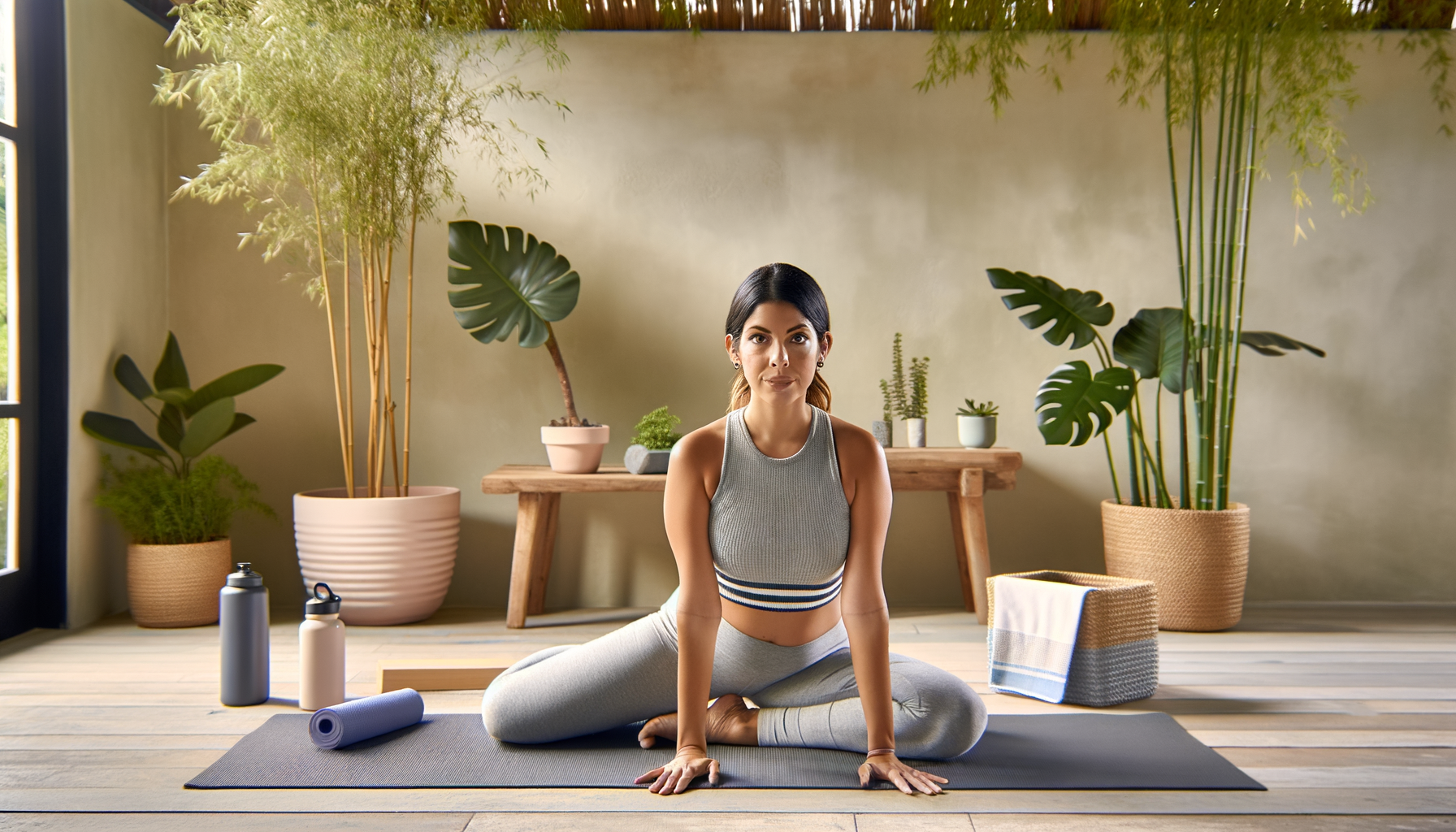
Your environment plays a significant role in your yoga practice. A comfortable space is one where you can move freely and feel at peace. This could be a quiet corner of your home with enough room to extend your limbs in all directions. Enhance your space with elements that promote tranquility, such as soft lighting, soothing music, or a few plants. The key is to create an area that is inviting and free from distractions, allowing you to focus on your practice.

Understanding Your Body’s Limitations

Yoga is a personal journey, and it is essential to understand and respect your body’s limitations. Not everyone can perform every pose, and that’s perfectly okay. Listen to your body and modify poses as needed. Remember, yoga is not about competition or comparison; it’s about self-care and finding balance. Embrace your unique capabilities and work within them.

The Importance of Consistency

Consistency is the foundation of a successful yoga practice. It’s not about the duration or intensity of your sessions but rather the regularity. Even a few minutes of daily practice can be more beneficial than a longer session done sporadically. Consistency helps build discipline, deepens your practice, and brings about lasting changes. Commit to a routine that fits your lifestyle and stick to it, and you’ll likely notice improvements in your flexibility, strength, and mental clarity over time.

Yoga Equipment and Accessories

Choosing the Right Yoga Mat

Embarking on your yoga journey begins with selecting a suitable yoga mat. A mat is not just a barrier between you and the floor; it’s a space for practice, a cushion for joints, and a grip for stability. While a premium yoga mat may cost between $90 and $140, consider it an investment in your safety and comfort. If you’re uncertain about committing to yoga, you can initially borrow or rent a mat. However, once you’re ready to dive in, opt for a high-quality mat that provides the right balance of grip without being overly sticky, which can hinder the development of strength in your practice.

Supportive Props: Blocks, Straps, and Bolsters

Yoga blocks are invaluable for beginners, offering support, aiding alignment, and making poses more accessible. They are not just for novices; as your practice evolves, blocks can introduce new challenges. A set of two high-quality blocks is recommended. Straps and bolsters also serve as extensions of your reach and provide additional support, respectively. While you can improvise with household items like belts or towels, dedicated yoga props can enhance your practice significantly.

Comfortable Clothing for Practice

Comfort and functionality are key when it comes to yoga attire. Choose clothing that allows for a full range of motion and is made from moisture-wicking materials to keep you dry. Form-fitting tops prevent distractions during forward bends, while pants or shorts should offer both comfort and coverage. Remember, expensive brands are not a necessity; many affordable options provide the same benefits without the hefty price tag.

Optional Accessories for Enhanced Experience

While not essential, additional accessories can enrich your yoga experience. Mat towels, especially for sweat-inducing practices, keep your mat dry and provide a hygienic layer between you and a rented mat. Water bottles ensure hydration, and quality yoga socks with grips can be a substitute for barefoot practice if preferred. Lastly, consider a mat bag for convenient transport and storage of your yoga mat and props.

Basic Yoga Poses for Beginners

Understanding Posture and Alignment

Before diving into the physical practice of yoga, it’s essential to understand the importance of posture and alignment. Proper alignment in yoga is crucial not only for the effectiveness of each pose but also to prevent injury. As a beginner, take the time to establish a solid foundation in how your body should be positioned. This involves engaging the right muscles, aligning your joints correctly, and maintaining a balance between strength and flexibility. Remember, yoga is about personal progress and listening to your body, not about achieving the perfect pose.

Standing and Seated Poses

Standing and seated poses are the cornerstones of a beginner’s yoga practice. They build strength, increase flexibility, and help you develop an awareness of your body in space. Mountain Pose (Tadasana) is a great starting point for standing poses. It teaches you to stand with stability and is the foundation for all other standing poses. For seated poses, Easy Seat (Sukhasana) is a good posture to begin with, as it opens the hips and aligns the spine.

Gentle Backbends and Forward Folds

Backbends and forward folds are essential for a well-rounded yoga practice. They counteract the effects of daily activities like sitting and computer work that can lead to a tight and rounded spine. Start with gentle backbends like Baby Cobra (Bhujangasana) to open up your chest and strengthen your back. For forward folds, Seated Forward Fold (Paschimottanasana) can help stretch your hamstrings and calm your nervous system. Always approach these poses with care and never force your body into a position that causes pain.

Introduction to Balancing Poses

Balancing poses, such as Tree Pose (Vrksasana), are not only fun but also improve focus, concentration, and overall stability. Don’t be discouraged if you find these poses challenging at first; balance can vary from day to day. Use props like a wall or a chair for support as you build your confidence and strength. Over time, you’ll find your balance improving, and you may be able to perform these poses without any assistance.

As you explore these basic yoga poses, remember to breathe deeply and consistently. Your breath is a powerful tool that helps you stay connected to the present moment and eases your body into each posture. With patience and practice, these foundational poses will become the building blocks for a deeper and more fulfilling yoga journey.

Breathing Techniques and Meditation

The Role of Breath in Yoga

In yoga, breath is the essence of life and the cornerstone of practice. It is the bridge that connects the body and mind, anchoring us in the present moment. Breathing deeply and mindfully enhances the flow of oxygen throughout the body, which can improve stamina and concentration. The synchronization of breath with movement, known as pranayama, is fundamental in yoga, helping to maximize the benefits of each pose and promoting a sense of inner calm.

Pranayama: Basic Breathing Exercises

Pranayama, the practice of breath control, offers a variety of exercises designed to enhance the vitality and mental clarity of practitioners. Here are a few basic techniques:

  • Ujjayi Breath: Also known as the “ocean breath,” this technique involves inhaling and exhaling through the nose while constricting the back of the throat, creating a soothing sound reminiscent of ocean waves. This breath is particularly useful for maintaining a rhythm during practice and keeping the mind focused.
  • Kumbhaka Pranayama: This involves holding the breath after an inhale or an exhale to calm the mind and improve concentration. It is a powerful technique for developing control over the breath and can be integrated into meditation or asana practice.
  • Kapalabhati Pranayama: Known as the “skull shining breath,” this invigorating exercise consists of short, powerful exhales and passive inhales. It is often used to energize the body and clarify the mind before a yoga session.

Integrating Meditation into Your Practice

Meditation is the practice of turning inward, bringing awareness to the present moment without judgment. Integrating meditation into your yoga practice can deepen the connection between mind, body, and spirit. Begin or end your yoga session with a few minutes of seated meditation, focusing on the breath or a mantra. This can help to cultivate a state of mindfulness that extends beyond the mat into daily life.

Tips for Mindfulness and Focus

Mindfulness in yoga is about maintaining a moment-by-moment awareness of our thoughts, feelings, bodily sensations, and the surrounding environment. Here are some tips to enhance mindfulness and focus during your practice:

  • Start with Intention: Set an intention for your practice to guide your focus and give purpose to your session.
  • Observe Without Judgment: Pay attention to your thoughts and sensations without labeling them as good or bad. This non-judgmental observation can lead to a deeper understanding of the self.
  • Return to the Breath: Whenever your mind wanders, gently bring your attention back to your breathing. This acts as an anchor, keeping you rooted in the present.
  • Use Mantras: Repeating a mantra can help to concentrate the mind and reduce distractions.
  • Practice Regularly: Consistency is key in developing mindfulness. The more you practice, the more natural it will become to maintain focus and presence.

Remember, the journey of yoga is one of patience and self-discovery. As you explore breathing techniques and meditation, you’ll find that these practices not only enhance your yoga experience but also contribute to a more mindful and serene approach to life.

Cultivating a Personal Yoga Practice

Developing a Routine That Works for You

Embarking on a personal yoga journey begins with establishing a routine that resonates with your lifestyle and goals. Start by setting realistic expectations and scheduling regular practice times that fit seamlessly into your daily life. Whether it’s a morning session to energize your day or an evening practice to unwind, consistency is key. Begin with shorter sessions and gradually extend your practice time as you become more comfortable. Remember, the quality of your practice is more important than the quantity.

Listening to Your Body and Modifying Poses

As you delve into your practice, it’s crucial to listen to your body’s cues. Not every pose will feel right for you, and that’s perfectly okay. Learn to modify poses using props like blocks, straps, or cushions to accommodate your body’s needs. Embrace variations that enhance your comfort and stability. This mindful approach not only prevents injury but also deepens your connection with your body, leading to a more fulfilling practice.

Tracking Your Progress and Staying Motivated

Keeping a yoga journal can be an effective way to track your progress and stay motivated. Note the poses you’ve practiced, the sensations you’ve experienced, and any thoughts or emotions that arise. Celebrate your achievements, no matter how small, and set new intentions as you grow. This record of your journey serves as a reminder of how far you’ve come and can inspire you to continue your practice.

Incorporating Yoga Philosophy into Daily Life

Yoga extends beyond the mat. Incorporate the principles of yoga philosophy into your daily life by practicing mindfulness, compassion, and self-discipline. These principles can transform your interactions with others and with yourself, leading to a more harmonious and balanced existence. As you integrate these teachings, your yoga practice becomes a living, breathing part of your everyday life, enriching your experience both on and off the mat.

Remember, cultivating a personal yoga practice is a journey of self-discovery. It’s not about perfection but progression. Honor your unique path, and allow your practice to evolve naturally. With patience and dedication, your yoga practice will flourish, bringing joy and balance to your life.

Next Steps: Deepening Your Yoga Practice

Exploring Different Styles of Yoga

As you become more comfortable with the basics of yoga, it’s time to explore the rich tapestry of styles available. Each style offers a unique approach, whether it’s the precise alignment of Iyengar, the flowing sequences of Vinyasa, or the rejuvenating stillness of Yin. Experimenting with different styles can reinvigorate your practice, challenge your body in new ways, and deepen your understanding of yoga’s versatility. Don’t hesitate to step out of your comfort zone; you may discover a new favorite practice that resonates with your evolving needs.

Attending Classes and Finding Community

Yoga is often a solitary practice, but joining classes can introduce you to a community of like-minded individuals. Attending classes allows you to learn from experienced teachers, benefit from collective energy, and gain new perspectives. Look for local studios, community centers, or online platforms offering classes that align with your interests. Engaging with a yoga community can provide support, motivation, and a sense of belonging as you continue your journey on the mat.

Continuing Education: Workshops and Retreats

Deepening your practice isn’t limited to regular classes. Workshops and retreats offer immersive experiences that can transform your understanding of yoga. Workshops often focus on specific aspects, such as advanced poses, breathing techniques, or meditation, providing an opportunity for intensive learning. Retreats combine yoga with a change of scenery, often in serene locations, allowing you to disconnect from daily life and fully immerse yourself in your practice. Both options can catalyze personal growth and inspire a renewed commitment to your yoga journey.

The Journey of Self-Discovery Through Yoga

Ultimately, deepening your yoga practice is a journey of self-discovery. It’s an opportunity to listen to your body, observe your mind, and connect with your spirit. As you explore new styles, join communities, and participate in workshops or retreats, you’ll learn more about yourself—your strengths, limitations, and potential for growth. Embrace this journey with an open heart and mind, and let the transformative power of yoga unfold within you. Remember, the path of yoga is endless, offering lessons and insights at every turn. Let your practice be a reflection of your inner journey, a dance of breath, movement, and mindfulness that leads you to a deeper understanding of yourself and the world around you.

Filed Under: Features

Embracing Earth’s Elixirs: A Guide to Natural Remedies for Everyday Health

June 21, 2024 By

Introduction to Natural Remedies

The allure of nature’s healing

There’s an undeniable charm to the concept of natural remedies—the idea that the earth itself provides us with the means to heal and maintain our health. This allure is rooted in a deep-seated human connection to the natural world, a belief that the purest and most effective cures are those untouched by synthetic processes. From the fragrance of lavender promoting relaxation to the anti-inflammatory properties of turmeric, nature’s bounty offers a diverse palette of therapeutic options.

Understanding the scope and limitations

While the benefits of natural remedies are vast, it is crucial to approach them with a balanced perspective. Not all ailments can be treated with natural solutions, and scientific evidence varies in terms of their efficacy. It’s important to recognize the limitations and understand that some medical conditions require conventional medicine. Consulting healthcare professionals and acknowledging the scope of natural remedies ensures safe and complementary use alongside modern treatments.

Historical perspective on natural remedies

Natural remedies have been the cornerstone of medicinal practices for millennia. Ancient civilizations, such as the Egyptians, Chinese, and Greeks, extensively documented the use of herbs, essential oils, and foods for healing purposes. These traditions have been passed down through generations, forming the backbone of many contemporary natural healing practices. The historical use of these remedies underscores their enduring significance and the wisdom of our ancestors in understanding the healing power of nature.

Modern relevance and resurgence

In recent years, there has been a resurgence in the popularity of natural remedies, driven by a growing awareness of wellness and an interest in sustainable living. Modern research has begun to explore and validate the health benefits of many traditional remedies, leading to a fusion of ancient wisdom and contemporary science. This renewed interest not only reflects a desire to return to simpler, more holistic health practices but also represents a critical examination of the impact of modern medicine on our bodies and the environment.

Herbal Remedies and Their Uses

Common Herbs and Their Health Benefits

Herbal remedies have been used for centuries to promote health and treat ailments. Chamomile is renowned for its calming effects, often used to aid sleep and reduce anxiety. Ginger, with its potent anti-inflammatory properties, can alleviate digestive issues and nausea. Echinacea is commonly used to boost the immune system, especially during cold and flu season. Turmeric, containing curcumin, is another anti-inflammatory powerhouse that supports joint health and can aid in managing pain.

Preparing and Using Herbal Remedies

Preparing herbal remedies can be a simple and rewarding process. Infusions are made by steeping herbs in hot water, ideal for leaves and flowers like peppermint and lavender. Decoctions involve simmering tougher plant parts like roots or bark; an example is a ginger root decoction for digestion. Tinctures are concentrated herbal extracts made by soaking herbs in alcohol or vinegar. Salves and poultices can be applied topically for skin conditions or muscle pain.

Herbs for Stress Relief and Relaxation

Stress is a common issue in modern life, and certain herbs can offer natural relief. Ashwagandha is an adaptogen that helps the body manage stress. Lemon balm and holy basil also have stress-reducing properties. For relaxation, consider a cup of valerian root tea before bedtime to promote restful sleep.

Herbs for Digestion and Detoxification

Herbs can play a significant role in supporting digestive health and detoxification. Milk thistle is known for its liver-protective effects. Dandelion root acts as a gentle diuretic, supporting the body’s natural detoxification processes. For digestive comfort, peppermint and fennel can relieve gas and bloating, while slippery elm can soothe the digestive tract.

Safety Considerations with Herbal Remedies

While herbal remedies can be beneficial, it’s important to use them safely. Always consult with a healthcare professional before starting any new herbal regimen, especially if you have existing health conditions or are taking medications, as herbs can interact with drugs. Pregnant or breastfeeding women should exercise caution with herbal remedies. Quality and sourcing are also crucial; choose reputable brands and consider organic options to avoid contaminants.

Essential Oils for Everyday Health

Basics of Aromatherapy

Aromatherapy is the practice of using essential oils for therapeutic benefit. These concentrated plant extracts retain the natural smell and flavor, or “essence,” of their source. Aromatherapy operates on the principle that certain aromas trigger the limbic system—the part of the brain involved in emotion, behavior, and memory. This can lead to various effects on the body and mind, such as relaxation, mood enhancement, and even pain relief.

Essential Oils for Mood Enhancement

Many essential oils are renowned for their ability to uplift the spirit and improve mood. Lavender is widely appreciated for its calming and relaxing properties, making it a go-to for stress relief. Bergamot, with its citrus scent, is known to combat fatigue and promote feelings of joy. Ylang-ylang is another mood enhancer, often used to alleviate anxiety and promote a sense of euphoria. To harness these benefits, oils can be diffused into the air, inhaled directly, or applied topically in a diluted form.

Essential Oils for Immune Support

Some essential oils may help bolster the immune system. Eucalyptus oil is a powerful tool for respiratory health, with its components having antimicrobial properties. Tea tree oil is another immune system ally, known for its antiviral and antibacterial qualities. Frankincense, often used in meditation, also supports immune function with its anti-inflammatory effects. These oils can be used in a diffuser or as part of a massage oil blend to help support the body’s natural defenses.

Methods of Application and Dilution

Essential oils can be applied in various ways, including inhalation, topical application, and, less commonly, oral ingestion. However, due to their potency, they should be used with care and typically diluted before use. For topical application, essential oils should be diluted with a carrier oil such as coconut, jojoba, or almond oil. A general guideline is to maintain a concentration of 2-5%, which translates to about 12-30 drops of essential oil per ounce of carrier oil. For inhalation, a few drops can be added to a bowl of hot water or a diffuser. It’s important to note that some oils can be toxic if ingested or used improperly, so always follow safety guidelines and consult with a healthcare professional if in doubt.

Embracing the use of essential oils can be a delightful and natural addition to your daily health regimen. With a variety of applications and benefits, these potent plant extracts offer a way to enhance well-being while indulging in the sensory pleasures of nature’s fragrances.

Nutritional Powerhouses

Superfoods and their health impacts

Superfoods are not just a trend; they are the champions of the nutritional world. These foods are densely packed with vitamins, minerals, antioxidants, and phytonutrients that can have profound effects on our health. From the deep blue hues of blueberries, rich in antioxidants, to the omega-3 fatty acids found in chia seeds, superfoods can help reduce inflammation, boost immune function, and improve overall vitality. Incorporating a variety of these nutrient-rich foods into your diet can contribute to heart health, weight management, and may even reduce the risk of chronic diseases.

Incorporating superfoods into your diet

  • Start your day with a smoothie packed with kale, spinach, or acai berries.
  • Snack on nuts and seeds, such as almonds and pumpkin seeds, for a midday energy boost.
  • Include quinoa or amaranth as a base for salads and bowls to increase protein intake.
  • Use avocado as a healthy fat in sandwiches, salads, or as a creamy base for dressings.

Balancing diet with natural supplements

While a well-rounded diet is the best way to obtain necessary nutrients, natural supplements can fill in the gaps where your diet may fall short. It’s important to choose high-quality supplements and to consult with a healthcare professional to ensure they’re appropriate for your individual health needs. Remember, supplements should complement, not replace, a nutritious diet.

Understanding antioxidants and phytonutrients

Antioxidants are compounds that protect our cells from damage caused by free radicals, which are linked to aging and various diseases. Phytonutrients, or plant compounds, have numerous health benefits, including anti-inflammatory and antioxidant effects. Foods like turmeric, green tea, and dark chocolate are rich in these powerful substances. By understanding the role of antioxidants and phytonutrients, we can make informed choices to enhance our diets with foods that offer the greatest health benefits.

By embracing the natural remedies provided by Earth’s bounty, we can harness the power of superfoods to maintain and improve our health. Whether through the direct consumption of nutrient-rich foods or the strategic use of natural supplements, we can support our bodies’ needs and thrive in our daily lives.

Mind-Body Practices for Holistic Health

Yoga and its Health Benefits

Yoga, an ancient practice with origins stretching back thousands of years in India, is a comprehensive approach that combines physical postures, breathing techniques, and meditation. The health benefits of yoga are extensive and include improved flexibility, strength, balance, and endurance. Regular yoga practice is also associated with reduced stress levels, better sleep quality, and an enhanced sense of well-being. Additionally, yoga can be beneficial for managing conditions such as hypertension, diabetes, and chronic pain.

Meditation and Mindfulness Techniques

Meditation is a practice of concentrated focus upon a sound, object, visualization, the breath, movement, or attention itself in order to increase awareness of the present moment, reduce stress, promote relaxation, and enhance personal and spiritual growth. Mindfulness, a form of meditation, involves maintaining a moment-by-moment awareness of our thoughts, feelings, bodily sensations, and the surrounding environment. Techniques such as guided imagery and body scan are also part of this category and can help individuals to detach from negative thoughts and sensations, leading to improved mental health.

Breathing Exercises for Stress Management

Breathing exercises, or pranayama in the context of yoga, are a series of controlled breath techniques that are believed to influence the flow of energy in the body. Practices such as deep abdominal breathing, alternate nostril breathing, and 4-7-8 breathing can be powerful tools for managing stress. These exercises help to activate the body’s relaxation response, lower heart rate, reduce blood pressure, and improve overall stress management.

The Role of Movement in Physical Well-being

Movement is a fundamental aspect of life, and regular physical activity is crucial for maintaining health and preventing disease. Activities such as walking, dancing, swimming, and tai chi not only improve cardiovascular health and muscle strength but also contribute to better mental health by reducing anxiety and depression. Integrating movement into daily life can increase energy levels, enhance cognitive function, and promote a more restful sleep. It’s important to find a form of movement that is enjoyable and sustainable for long-term health benefits.

Embracing these mind-body practices can lead to a more balanced and holistic approach to health. By incorporating yoga, meditation, breathing exercises, and regular movement into one’s lifestyle, individuals can achieve a greater sense of harmony and well-being. It is essential, however, to listen to one’s body and consult with healthcare professionals when integrating new practices into your health regimen.

Natural Remedies in Skincare

Natural Ingredients for Skin Health

The quest for flawless skin has led many back to nature’s bounty, where ingredients like the red variety of Basella alba, or Malabar spinach, offer a treasure trove of vitamins and antioxidants. This vibrant plant is not only a culinary delight but also a source of vitamins A, C, and E, which are essential for skin repair and rejuvenation. The antioxidants present in Malabar spinach can help combat free radicals, reducing signs of aging and promoting a healthy glow.

DIY Skincare Recipes

Creating your own skincare concoctions can be both rewarding and effective. Here are a couple of simple recipes to harness the power of natural ingredients:

  • Malabar Spinach Face Mask: Blend a handful of Malabar spinach leaves with a teaspoon of honey and a few drops of lemon juice for a vitamin-packed face mask. Apply to clean skin for 15 minutes before rinsing off.
  • Coconut Oil Moisturizer: For a simple moisturizer, gently heat organic coconut oil until it liquefies. Allow it to cool slightly, then apply to your skin for deep hydration.

The Importance of Non-Toxic Skincare

Our skin is our largest organ and absorbs much of what we put on it. Non-toxic skincare is crucial as it ensures that we are not exposing our bodies to harmful chemicals that can disrupt our endocrine system, cause irritation, or even contribute to chronic diseases. By choosing natural remedies, we embrace skincare that aligns with our body’s natural processes.

Sun Protection and Natural Alternatives

While the sun is a vital source of vitamin D, protection against its harmful UV rays is essential. Natural alternatives like red raspberry seed oil and carrot seed oil offer some degree of protection due to their high antioxidant content. However, it’s important to note that these should not replace broad-spectrum sunscreens, especially during prolonged exposure. For daily use, consider a natural sunscreen with non-nano zinc oxide, which provides a physical barrier against the sun without the risk of absorbing harmful chemicals.

Embracing natural remedies in skincare is not just about beauty; it’s a commitment to nurturing our skin with the purest elements from Earth. By incorporating these practices into our daily routine, we can enjoy the dual benefits of radiant skin and a harmonious relationship with nature.

Creating a Personalized Natural Health Regimen

Assessing Individual Health Needs

Embarking on a journey towards natural health begins with a thorough assessment of your individual health needs. It’s essential to consider your current health status, medical history, lifestyle, and any specific concerns or goals you may have. Start by consulting with a healthcare professional to understand any underlying conditions and to ensure that natural remedies complement your health plan. Reflect on areas you wish to improve, such as energy levels, digestion, stress management, or sleep quality. This personalized approach ensures that the natural remedies you choose are tailored to support your unique path to wellness.

Building a Daily Routine with Natural Remedies

Once you have a clear understanding of your health needs, you can begin to integrate natural remedies into your daily routine. Start with simple additions, such as incorporating herbal teas that target specific health needs, as outlined in “An Introduction to Herbal Teas and Natural Remedies”. Gradually introduce other elements like essential oils for mood enhancement or superfoods to boost your nutritional intake. It’s important to create a balanced routine that aligns with your daily life, making it sustainable and enjoyable. Remember, consistency is key to experiencing the full benefits of natural remedies.

Monitoring Progress and Making Adjustments

As with any health regimen, monitoring your progress is crucial. Keep a journal to track your experiences with different remedies, noting any changes in your symptoms or overall well-being. This record will help you identify what works best for you and where adjustments may be needed. Be patient and give your body time to respond to these natural interventions. If you encounter any adverse reactions or if your symptoms persist, seek advice from a healthcare professional. Your regimen should evolve with you, adapting to your body’s changing needs and the insights you gain along the way.

Resources for Further Learning and Exploration

To deepen your understanding of natural remedies and continue your education, seek out reputable resources. Books like “An Introduction to Herbal Teas and Natural Remedies” offer a wealth of knowledge on crafting herbal infusions and understanding their health benefits. Online platforms and communities, such as those fostered by Earthley Wellness, provide guidance and support from like-minded individuals. Workshops, webinars, and courses can also enhance your expertise, empowering you to make informed decisions about your health. Embrace the journey of learning, as the world of natural remedies is vast and ever-evolving.

Filed Under: Features

Dream It, Believe It, Achieve It: The Law of Attraction Simplified

June 21, 2024 By

Introduction to the Law of Attraction

Defining the Law of Attraction

The Law of Attraction is a philosophical concept suggesting that positive thoughts lead to positive outcomes in a person’s life, while negative thoughts result in negative outcomes. It is the belief that the energy of your thoughts has the power to manifest real-world experiences. Essentially, it operates on the principle that like attracts like, meaning that by focusing on positive or negative thoughts, one can bring positive or negative experiences into their life.

Historical Overview

The roots of the Law of Attraction can be traced back to the early 19th century, emerging from the New Thought philosophy. The concept gained widespread attention with the release of “The Secret” in 2006, a book and a film that brought the idea into mainstream consciousness. However, the principles underlying the Law of Attraction have been part of human philosophy and spiritual understanding for centuries, with echoes found in various religious and spiritual texts around the world.

Modern Interpretations

In contemporary society, the Law of Attraction has been interpreted as a way to unlock personal potential and achieve goals through positive thinking and visualization. It is not seen as a magical force but rather a framework for reinforcing the psychological principles of optimism and proactive behavior. Modern proponents of the Law of Attraction encourage practices such as gratitude, visualization, and positive self-talk as tools for improving one’s life and attracting success.

The Role of Positivity and Mindset

At the heart of the Law of Attraction lies the power of positivity and mindset. A positive mindset is believed to attract more success, happiness, and fulfillment. This aligns with psychological research on optimism, which shows that optimists tend to enjoy better health, happiness, and success. The Law of Attraction emphasizes the importance of cultivating a growth mindset, where challenges are seen as opportunities for learning and improvement. By maintaining a positive outlook and focusing on goals, individuals can potentially reshape their lives and attract the outcomes they desire.

Dream It: Envisioning Your Desires

The Power of Visualization

Visualization is a potent tool in the manifestation process. It involves creating a mental image of your desired outcome, engaging all your senses to make the experience as real as possible. When you visualize, you’re not just daydreaming; you’re imprinting your aspirations onto your subconscious mind, which begins to work in harmony with the universe to bring your visions to life. The clearer and more detailed your visualization, the more powerful the impact on your mindset and the greater the likelihood of your desires manifesting into reality.

Setting Intentions

Intentions are the seeds of your reality. When you set an intention, you’re making a commitment to align your actions with your desired outcome. It’s a deliberate and conscious act that goes beyond wishful thinking. Intentions set the tone for your thoughts and behaviors, guiding you towards your goals with purpose and focus. They are the affirmations of your soul, signaling to the universe what you aim to achieve and inviting it to collaborate in your journey.

Creating a Vision Board

A vision board is a tangible representation of your dreams and aspirations. It’s a collage of images, quotes, and symbols that visually represent what you want to manifest. By creating a vision board and placing it where you can see it daily, you’re reinforcing your goals and keeping them top of mind. This constant reminder serves to focus your energy on your intentions, making it easier for the Law of Attraction to work in your favor. The process of selecting and arranging the elements for your vision board can also clarify your desires and intensify your emotional connection to your goals.

Overcoming Limiting Beliefs

Limiting beliefs are the invisible barriers that can prevent you from achieving your full potential. These are the negative assumptions and self-doubt that whisper you’re not good enough, smart enough, or worthy of success. Overcoming these limiting beliefs is crucial in the manifestation process. It involves identifying these negative thoughts, challenging their validity, and replacing them with empowering beliefs that support your aspirations. By doing so, you free yourself from the shackles of self-imposed constraints and open up to the infinite possibilities that await you.

Believe It: Cultivating Unwavering Faith

Building Self-Confidence

At the heart of the Law of Attraction lies the power of self-confidence. Believing in oneself is the first step towards manifesting desires into reality. Confidence is not an innate trait but a skill that can be developed through practice and perseverance. Start by setting small, achievable goals and celebrating each success, no matter how minor. This builds a foundation of trust in your abilities and reinforces the belief that larger goals are within reach. Remember, self-confidence is the bedrock upon which the Law of Attraction operates.

The Importance of Self-Talk

The conversations we have with ourselves can either be a powerful catalyst for change or a crippling agent of stagnation. Positive self-talk is essential in nurturing the belief that we can achieve our dreams. It’s crucial to monitor and adjust our internal dialogue. Replace self-doubt with self-assurance, and criticism with compassion. By doing so, we align our mindset with our aspirations, allowing the Law of Attraction to work in our favor.

Affirmations and Their Impact

Affirmations are positive, present-tense statements that can help to reprogram our subconscious mind. When repeated consistently, they reinforce the belief in our goals and dreams, acting as a bridge between dreaming and achieving. For example, affirming “I am attracting abundance in my life” shifts focus from scarcity to plenty, thereby attracting more abundance. The impact of affirmations is profound when they are felt emotionally and envisioned vividly.

Trusting the Process

Manifesting dreams is not an overnight occurrence; it’s a journey that requires patience and trust in the process. Trusting the process means understanding that each step, including setbacks, is a part of the journey towards achieving your desires. It involves maintaining faith that the universe is conspiring to help you, even when immediate results are not visible. Embrace the belief that everything is unfolding as it should, and your unwavering faith will be rewarded.

In conclusion, cultivating unwavering faith through building self-confidence, engaging in positive self-talk, using affirmations effectively, and trusting the process, sets a solid foundation for the Law of Attraction to work in your life. Believe in your dreams with such intensity that the universe has no choice but to materialize them into your reality.

Achieve It: Taking Inspired Action

Goal Setting and the Law of Attraction

Setting goals is a fundamental step in utilizing the Law of Attraction effectively. It’s not enough to simply wish for something; you must clearly define what you desire and set tangible goals to guide your actions. When you set goals, you provide the universe with a clear target to work towards. This clarity allows you to focus your intentions and harness the energy needed to manifest your desires into reality. Goal setting acts as a bridge between the realm of thought and the world of tangible results.

The Significance of Persistence

Persistence is the fuel that keeps the engine of manifestation running. It’s the quality that allows you to continue taking inspired action, even when faced with setbacks or delays. The Law of Attraction isn’t a magic wand that grants immediate wishes; it requires a steadfast commitment to your vision. Persistence ensures that you remain aligned with your goals, maintaining the vibrational match necessary for attraction. It’s about holding the course, trusting that the universe is conspiring to help you, and not giving up just before the miracle occurs.

Recognizing and Seizing Opportunities

Manifestation often works through serendipitous opportunities that suddenly appear in your path. Recognizing these opportunities requires a keen sense of awareness and the ability to trust your intuition. When an opportunity aligns with your goals and feels right, it’s a sign to take inspired action. Seizing these opportunities is essential, as they are the universe’s way of presenting you with the steps needed to achieve your desires. It’s important to act swiftly and decisively, as these windows of opportunity can be fleeting.

The Balance Between Effort and Allowing

While taking action is crucial, there’s also a delicate balance between effort and allowing. Overexertion can stem from a place of fear or lack, signaling to the universe a sense of desperation rather than trust. Allowing, on the other hand, is an art of being receptive and open to the ways in which your desires can manifest. It involves doing your part through inspired action but also stepping back and letting the universe handle the details. This balance is the dance of co-creation, where your efforts meet the supportive flow of universal energies.

In conclusion, taking inspired action is a dynamic and integral part of the Law of Attraction. It’s about setting clear goals, being persistent, recognizing opportunities, and finding the balance between effort and allowing. By embracing these principles, you move beyond mere wishing into the realm of actual achievement, turning your dreams into your lived reality.

Overcoming Challenges and Obstacles

Dealing with Doubt and Fear

Embarking on the journey of manifesting your desires can often be met with internal resistance in the form of doubt and fear. These emotions are natural but can become barriers to attracting what you seek. To overcome doubt, it is essential to recognize its presence and understand that it is a normal part of the process. Fear often stems from the unknown or the possibility of failure. Combat these feelings by breaking down your goals into manageable steps and celebrating small victories along the way. This approach can build confidence and diminish the power of doubt and fear.

The Role of Resilience

Resilience is the ability to bounce back from setbacks and is a critical component in the Law of Attraction. When faced with challenges, resilient individuals use these experiences as opportunities for growth. Cultivating resilience involves maintaining a positive outlook, being adaptable to change, and having the willingness to persevere. Remember, every obstacle is a stepping stone towards your ultimate goal. Embrace resilience by viewing each challenge as a lesson and a chance to strengthen your resolve.

Learning from Failure

Failure is often seen as a negative outcome, but in the context of the Law of Attraction, it is a valuable teacher. Learning from failure involves analyzing what went wrong, adjusting your approach, and trying again with a renewed perspective. It is important to detach from the idea of failure as a personal flaw and instead, see it as feedback. By doing so, you transform setbacks into insights that propel you closer to your aspirations.

Maintaining Focus and Clarity

Keeping your vision clear and your focus sharp is essential when working with the Law of Attraction. Distractions and competing priorities can cloud your intentions, making it difficult to attract what you desire. To maintain focus and clarity, regularly revisit your goals, and ensure that your actions align with your intentions. Mindfulness practices can aid in keeping your thoughts centered on your objectives, and a clear vision board can serve as a visual reminder of your path. By staying focused, you reinforce the energy directed towards your desired outcomes.

In conclusion, overcoming challenges and obstacles is an integral part of the journey with the Law of Attraction. By dealing with doubt and fear, building resilience, learning from failure, and maintaining focus and clarity, you equip yourself with the tools necessary to navigate the path to your dreams. Remember, the obstacles you encounter are not roadblocks but rather opportunities to deepen your commitment and refine your approach towards achieving your desires.

Integrating the Law of Attraction into Daily Life

Daily Practices and Routines

Integrating the Law of Attraction into your daily life begins with establishing practices and routines that reinforce positive thinking and intentional living. Start your day with affirmations that align with your goals, and spend time visualizing your success. Journaling can also be a powerful tool, allowing you to reflect on your thoughts and progress. Consistency is key, so make these practices a non-negotiable part of your daily routine.

Mindfulness and the Law of Attraction

Mindfulness is the art of being present and fully engaged with the current moment. It’s a critical component of the Law of Attraction, as it helps you become aware of your thoughts and feelings without judgment. By practicing mindfulness, you can observe your habitual thought patterns and consciously direct your focus towards what you wish to attract. Simple mindfulness exercises, such as deep breathing or mindful walking, can help you maintain a state of awareness throughout your day.

The Impact of Gratitude

Gratitude is a powerful emotion that can significantly amplify the effects of the Law of Attraction. By focusing on what you are thankful for, you shift your energy from lack to abundance. Keep a gratitude journal and make it a habit to write down things you are grateful for each day. This practice not only enhances your vibrational frequency but also attracts more of what you appreciate into your life.

Community and Support Systems

Surrounding yourself with a community of like-minded individuals can greatly support your Law of Attraction journey. Whether it’s a local group or an online forum, connecting with others who share your beliefs and goals can provide encouragement and accountability. Share your experiences, learn from others, and celebrate your successes together. A strong support system can be a powerful catalyst for manifesting your desires.

By incorporating these practices into your daily life, you can maintain a positive mindset, stay focused on your goals, and effectively harness the power of the Law of Attraction. Remember, the universe responds to your energy, so make every day a deliberate step towards the life you dream of.

Conclusion: Embarking on the Journey

Summarizing Key Takeaways

Throughout our exploration of the Law of Attraction, we’ve uncovered the profound simplicity and power of this universal principle. We’ve learned that the Law of Attraction is not just a mystical concept, but a practical tool for shaping our reality. By focusing our thoughts and emotions on our desires, we align ourselves with the opportunities and experiences that can make those desires a reality. Visualization, positive affirmations, and gratitude are not just exercises in positivity, but methods for tuning our vibrational frequency to the frequency of our dreams.

Encouragement for the Path Ahead

As you stand at the threshold of this transformative journey, remember that the path to manifesting your desires is unique to you. It may be filled with challenges and setbacks, but each obstacle is an opportunity for growth. Believe in your ability to overcome these hurdles, and trust that the universe is always working in your favor. Keep your vision clear and your intentions pure, and you will navigate this journey with grace and determination.

Continual Learning and Growth

The Law of Attraction is not a destination, but a continuous process of learning and growth. Embrace the mindset of a lifelong student, always open to deeper insights and understanding. As you apply the Law of Attraction to different aspects of your life, you will discover new layers and subtleties. This journey is one of personal evolution, where each day brings you closer to the person you are meant to become.

Invitation to Embrace the Law of Attraction

Now, we extend an invitation to you: embrace the Law of Attraction with an open heart and mind. Begin by incorporating small practices into your daily routine, and observe the shifts in your life. Share your experiences with a community of like-minded individuals who can support and inspire you. And most importantly, allow yourself to dream big, for the universe is an abundant place, waiting to respond to your call.

In closing, remember the words of Michael J. Losier and Esther Hicks, who remind us that our thoughts and feelings are the architects of our destiny. As you embark on this journey, do so with the knowledge that you have the power to dream it, believe it, and achieve it. The Law of Attraction is not just a philosophy; it’s a way of living. It’s your invitation to co-create with the universe and manifest a life of abundance, joy, and fulfillment. The journey begins with a single thought, and that thought can change everything.

Filed Under: Features

Visualize and Materialize: Mastering the Law of Attraction

June 20, 2024 By

Introduction to the Law of Attraction

Understanding the Law of Attraction

The Law of Attraction (LOA) is a philosophy suggesting that positive thoughts bring positive results into a person’s life, while negative thoughts bring negative outcomes. It is often described as the belief that by focusing on positive or negative thoughts, one can bring positive or negative experiences into their life. This belief is based on the idea that people and their thoughts are made from “pure energy,” and that a process of like energy attracting like energy exists through which a person can improve their health, wealth, and personal relationships.

Historical Overview and Modern Interpretations

Although the term “Law of Attraction” first appeared in writings in the 19th century, the philosophy has older roots. It has been linked to various ancient traditions, including Hinduism, which emphasizes the power of personal thoughts and intentions in shaping one’s reality. In the early 20th century, the New Thought movement popularized the concept, and books like “The Secret” brought it into mainstream consciousness in the 21st century. Today, the LOA is not only a staple in self-help literature but also a subject of interest in popular culture and spiritual circles.

The Science and Skepticism

While proponents claim that the LOA can lead to positive changes in one’s life, scientific evidence supporting the LOA is scarce and often criticized by skeptics. Critics argue that the LOA oversimplifies complex psychological and sociological phenomena and that it places undue responsibility on individuals for circumstances beyond their control. Despite this skepticism, many continue to find personal value and success in applying LOA principles to their lives.

Setting the Intent for the Article

This article aims to delve deeper into the intricacies of the LOA, providing readers with a comprehensive understanding of how to effectively visualize and materialize their desires. We will explore practical techniques, address common misconceptions, and offer guidance on overcoming challenges associated with the LOA. Whether you are a seasoned practitioner or new to the concept, this article intends to equip you with the knowledge and tools to harness the LOA’s power and transform your life.

The Power of Visualization

Defining Visualization

Visualization, often synonymous with mental imagery, is the cognitive process of creating vivid and detailed images in the mind. Unlike daydreaming, which is a passive activity, visualization is an active form of mental practice. It involves consciously shaping and focusing on a specific mental image or scenario, often related to personal goals or desires. The adage “When You Visualize, Then You Materialize” encapsulates the transformative potential of this technique, suggesting that by mentally simulating an experience, we can influence its manifestation in our physical reality.

How Visualization Works

Neuroscience research has revealed that the brain does not strictly differentiate between real and imagined experiences. When we visualize, the same neural networks are activated as when we perform the actual activity. This brain behavior forms the scientific basis for the effectiveness of visualization. It is utilized in various domains, including sports psychology, where athletes mentally rehearse their performance, and in therapeutic settings to help patients overcome phobias or improve their self-image. Visualization serves as a mental rehearsal, preparing the mind and body for the actual performance or the realization of a goal.

Techniques for Effective Visualization

  • Clarity and Detail: The more vivid and detailed the mental image, the more effective the visualization. Incorporate all senses to enrich the experience.
  • Emotional Engagement: Infuse your visualization with positive emotions. The emotional response reinforces the mental imagery and its impact.
  • Consistency: Regular practice increases the efficacy of visualization. It’s a skill that improves with time and dedication.
  • Goal-Oriented Imagery: Focus on specific goals or outcomes. Visualize not only the end result but also the steps required to achieve it.

Common Misconceptions and Pitfalls

Despite its potential, visualization is often misunderstood. A common misconception is that it alone is sufficient for success. However, visualization is not a magic wand; it is a preparatory tool that must be complemented with strategic planning and consistent action. Another pitfall is the belief that visualization guarantees outcomes. While it can enhance performance and motivation, it cannot replace hard work or circumvent real-world challenges. Lastly, some individuals may become discouraged if results do not materialize quickly. It’s important to recognize that visualization is part of a long-term strategy and not a quick fix.

In conclusion, visualization is a powerful technique that, when used correctly, can play a significant role in achieving personal goals and enhancing performance. By understanding its principles, practicing effective techniques, and avoiding common misconceptions, individuals can harness the power of their minds to shape their reality.

Cultivating a Positive Mindset

The Role of Positivity in Manifestation

At the heart of the Law of Attraction lies the undeniable power of a positive mindset. A positive mindset serves as the fertile ground from which the seeds of our deepest desires can sprout and flourish. It is the lens through which we view the world, transforming our reality by magnetizing the positive and repelling the negative. By maintaining an optimistic outlook, we align our vibrational frequency with that of our aspirations, thereby increasing the likelihood of their manifestation.

Overcoming Negative Thought Patterns

Negative thought patterns are like weeds in the garden of the mind, suffocating potential and clouding our vision of the future. To cultivate a positive mindset, we must first become aware of these invasive thoughts and then consciously choose to replace them with affirmations of self-belief and hope. Techniques such as mindfulness meditation and cognitive-behavioral strategies can assist in this process, helping to break the cycle of negativity and pave the way for a more positive outlook on life.

Affirmations and Their Impact

Affirmations are the nurturing rain that helps the positive mindset grow. These powerful statements, when repeated with conviction and regularity, can rewire the brain’s neural pathways, reinforcing the belief in our own capabilities and worth. By declaring our intentions and affirming our potential, we solidify our resolve and empower ourselves to take the necessary steps towards our goals. “I am capable,” “I am worthy,” and “I am deserving of success” are not just words but catalysts for change.

Maintaining a Gratitude Practice

Gratitude is the sunlight that illuminates the beauty in our lives, often hidden by the shadows of desire and discontent. By maintaining a gratitude practice, we shift our focus from what we lack to the abundance that already exists within and around us. This shift not only enhances our emotional well-being but also attracts more positivity into our lives. Whether it’s through journaling, meditation, or simply taking a moment each day to reflect on what we’re thankful for, gratitude is a key component in the art of positive manifestation.

In conclusion, cultivating a positive mindset is not a passive act but a dynamic process of self-awareness, intentional thought replacement, and habitual gratitude. It is the cornerstone upon which the Law of Attraction is built and the essence of what it means to truly visualize and materialize.

Taking Action: Materializing Your Visions

The Importance of Inspired Action

While the Law of Attraction emphasizes the power of thoughts and visualization, it is the bridge of inspired action that turns dreams into reality. Inspired action is the intentional and intuitive effort that aligns with your deepest desires and the visions you’ve cultivated in your mind. It’s not about busywork or forced effort; it’s about taking steps that feel naturally compelling and resonate with your goals. This type of action is infused with passion and purpose, making the journey towards your aspirations not only effective but also enjoyable.

Setting and Achieving Goals

Goals are the tangible expressions of our desires, serving as waypoints on the path to our larger vision. To materialize your visions, it’s crucial to set clear, specific, and achievable goals. Utilizing the SMART criteria—making goals Specific, Measurable, Achievable, Relevant, and Time-bound—can provide structure and clarity. Writing down these goals and breaking them into actionable steps creates a roadmap for success. As you achieve each milestone, you build momentum and confidence, propelling you closer to your ultimate vision.

Aligning Actions with Intentions

For actions to be truly effective, they must be in harmony with your intentions. This alignment ensures that every step you take is infused with the energy of your vision. Regular self-reflection can help maintain this alignment, as it allows you to assess whether your actions are moving you closer to your goals or if adjustments are needed. When your actions and intentions are synchronized, you create a powerful current that carries you towards your desired outcomes.

The Role of Persistence and Resilience

Manifesting your vision is rarely a straight path; it often requires persistence and resilience in the face of challenges and setbacks. Persistence is the steadfast dedication to your goals, while resilience is the ability to recover and adapt when obstacles arise. These qualities ensure that you stay committed to your vision, learning from experiences and refining your approach as needed. Embrace each challenge as an opportunity for growth, and let your unwavering commitment to your vision fuel your journey.

In conclusion, materializing your visions through the Law of Attraction is not a passive process. It demands inspired action, strategic goal-setting, alignment of actions and intentions, and a resilient spirit. By embodying these principles, you transform the intangible into the tangible, bringing your dreams from the realm of possibility into the reality of your everyday life.

Creating a Conducive Environment

Physical Space and Its Influence

The spaces we inhabit play a significant role in our ability to manifest our desires. A cluttered, chaotic environment can lead to a cluttered mind, which hinders the visualization process. Conversely, a clean, organized, and aesthetically pleasing space can enhance our ability to focus and visualize effectively. To create a conducive physical environment for manifestation:

  • Keep your space tidy and declutter regularly to promote a sense of calm and order.
  • Personalize your space with items that inspire you, such as motivational quotes, artwork, or plants.
  • Ensure adequate lighting and comfortable seating to facilitate a relaxed state for visualization exercises.

Social and Emotional Surroundings

The people we surround ourselves with can also impact our manifestation efforts. Positive, supportive relationships encourage us, while toxic relationships may drain our energy. To cultivate a positive social and emotional environment:

  • Seek out and nurture relationships with individuals who believe in your dreams and support your goals.
  • Limit exposure to negativity, whether from people, media, or other external sources.
  • Engage in community or group activities that align with your intentions and provide mutual support.

Spiritual and Energetic Space

Our spiritual and energetic space is just as important as our physical surroundings. Maintaining a clear and balanced energy field can help us stay aligned with our intentions. To enhance your spiritual and energetic environment:

  • Practice meditation or mindfulness to connect with your inner self and maintain spiritual balance.
  • Use techniques such as smudging with sage or palo santo to cleanse your space energetically.
  • Incorporate crystals or other spiritual tools that resonate with your manifestation goals.

Tools and Resources to Enhance Your Environment

Various tools and resources can be employed to further enhance your environment and support your manifestation journey:

  • Create a vision board that visually represents your goals and place it where you’ll see it daily.
  • Use affirmations and mantras to reinforce your intentions and maintain a positive mindset.
  • Consider the use of apps or playlists that provide guided visualizations or calming background music.

Remember, the environment you create around you is a reflection of the environment within you. By taking the time to cultivate a space that supports your manifestation efforts, you’re setting the stage for your visions to materialize into your reality.

Challenges and How to Overcome Them

Dealing with Doubt and Uncertainty

Doubt and uncertainty are natural parts of the human experience, especially when working with the Law of Attraction. To overcome these feelings, it’s important to recognize them as mere thoughts, not truths. Reframe your doubts by challenging their validity and replacing them with positive affirmations. For example, if you doubt your ability to achieve a goal, affirm to yourself, “I am capable and worthy of success.” Additionally, practice mindfulness to stay present and reduce worry about the future.

Navigating High Expectations and Disappointments

High expectations can lead to disappointment if outcomes don’t match your desires. To navigate this, set realistic and flexible goals. Understand that the Law of Attraction is not a guarantee but a tool to increase the likelihood of success. When disappointments occur, view them as opportunities for growth and learning. Reflect on what can be learned from the experience and how it can inform future manifestations.

Staying Motivated and Committed

Maintaining motivation and commitment can be challenging, especially when results aren’t immediate. To stay on track, create a vision board or journal to keep your goals visible and top of mind. Celebrate small victories along the way, and remind yourself of your ‘why’—the deeper reasons behind your goals. Break larger goals into smaller, actionable steps to prevent overwhelm and create a sense of progress.

Seeking Support and Community

Manifesting your desires can sometimes feel lonely, but you don’t have to do it alone. Seek out like-minded individuals who understand and support your journey. Join online forums, local meetups, or workshops to connect with a community. Sharing experiences and learning from others can provide encouragement and new perspectives. Remember, asking for help is a strength, not a weakness.

By addressing these challenges head-on with practical strategies and a positive mindset, you can enhance your ability to manifest your desires using the Law of Attraction. Remember, the journey is as important as the destination, and every challenge is an opportunity for growth and refinement of your manifesting skills.

Conclusion: Integrating the Law of Attraction into Daily Life

Summarizing Key Takeaways

The Law of Attraction is a profound universal principle that teaches us that our thoughts, emotions, and actions have the power to shape our reality. By understanding and applying this law, we can attract the experiences, relationships, and success we desire. The key takeaways from our exploration include the importance of clarity in our desires, the power of visualization, the necessity of maintaining a positive mindset, and the critical role of taking inspired action towards our goals. Additionally, creating a conducive environment and overcoming challenges through resilience and adaptability are essential components of effectively utilizing the Law of Attraction.

Developing a Personalized Practice

To integrate the Law of Attraction into your daily life, it is crucial to develop a personalized practice that resonates with you. This might involve setting aside time each day for visualization exercises, repeating affirmations that align with your goals, and maintaining a gratitude journal to foster an abundance mindset. Your practice should also include actionable steps towards your goals, such as setting SMART goals and creating detailed action plans. Remember, consistency is key, so find a routine that you can commit to and that brings you joy and fulfillment.

Continued Learning and Growth

Mastering the Law of Attraction is a journey of continued learning and growth. Stay curious and open to new insights and techniques that can enhance your practice. Seek out books, workshops, and communities that support your understanding and application of the Law of Attraction. As you grow and evolve, so will your manifestation abilities. Embrace this journey as an opportunity for personal development and transformation.

Encouragement for the Journey Ahead

As you embark on this path of integrating the Law of Attraction into your life, remember to be patient with yourself. Manifestation is a process, and it may take time for your desires to materialize. Trust in the universe’s timing and maintain a positive outlook. Surround yourself with supportive individuals who encourage your growth and celebrate your successes, no matter how small. Above all, believe in your ability to create the life you envision. With dedication, a clear vision, and a heart full of gratitude, you are well on your way to mastering the Law of Attraction and living a life of abundance and joy.

Filed Under: Features

Fostering Intimacy: Tips for a Deeper Connection with Your Partner

June 20, 2024 By

Introduction

Understanding Intimacy in Relationships

Intimacy is often misconstrued as merely a physical connection between partners. However, it encompasses much more, including the emotional, intellectual, and sometimes spiritual bonds that tie individuals together. Emotional intimacy is the cornerstone of a deep relationship, allowing partners to share their innermost thoughts, vulnerabilities, and trust. It’s the comfort in knowing that you can be your true self with your partner, without the fear of judgment or rejection. This form of intimacy is what differentiates a romantic relationship from other types of relationships and is essential for its long-term sustainability.

The Importance of Deep Connections

Deep connections in a relationship are not just desirable; they are crucial. They provide a sense of security and belonging that superficial relationships lack. When partners share a deep connection, they experience a unique form of companionship where support, love, and mutual understanding flourish. This connection is the bedrock upon which partners can navigate life’s challenges, celebrate successes, and grow together. Investing in emotional intimacy is investing in the health and happiness of the relationship itself.

Challenges to Intimacy in Modern Relationships

Despite its importance, fostering intimacy in today’s fast-paced world is fraught with challenges. The demands of work, the distractions of technology, and the pressure to maintain a social media presence can all detract from the time and energy required to nurture a deep connection with a partner. Additionally, the modern paradigm of constant busyness means that couples often find themselves in a comfort zone where routines take precedence over emotional growth. This can lead to a stagnation of intimacy, where partners become more like roommates than lovers. To combat these challenges, couples must be intentional about creating space for intimacy and must be willing to engage in practices that foster closeness and understanding.

Communication as the Foundation

Active Listening and Empathy

At the heart of any strong relationship is the ability to communicate effectively. This begins with active listening, which involves fully concentrating on what is being said rather than just passively ‘hearing’ the message of the speaker. Active listening builds a deep understanding and is a sign of respect. It allows you to ‘tune in’ to your partner’s needs and emotions, which is where empathy comes into play. Empathy is the ability to understand and share the feelings of another. It’s about putting yourself in your partner’s shoes and responding with compassion. When you listen actively and respond with empathy, you create a safe space for your partner to be open and honest, which is essential for fostering intimacy.

Expressing Needs and Desires

While listening is critical, so is being able to express your own needs and desires. This can be daunting, as it requires vulnerability. However, it is only by sharing what we truly want and need that we can hope to have a fulfilling relationship. When expressing yourself, be clear and assertive but also be open to your partner’s feedback. This two-way street of communication allows both partners to feel heard and understood, which strengthens the bond between them.

Navigating Conflict with Compassion

Conflict is inevitable in any relationship, but it doesn’t have to be destructive. The key to navigating disagreements is compassion. Approach each conflict with the intent to resolve it, rather than to win it. Take the time to understand your partner’s point of view and express your own without blame or criticism. Remember, it’s not you against your partner; it’s both of you against the problem. By handling conflicts with care and consideration, you can turn challenges into opportunities for growth.

The Role of Vulnerability

Vulnerability is often seen as a weakness, but in the context of a relationship, it’s a strength. Being vulnerable means opening up and showing your true self, including your fears, flaws, and deepest emotions. This can be scary, but it’s also what leads to true intimacy. When you are vulnerable, you invite your partner to truly see you for who you are, which can foster a deeper connection and trust. It’s important to create an environment where both partners feel safe to be vulnerable. This means being non-judgmental, patient, and supportive. When both partners embrace vulnerability, the relationship becomes more authentic and intimate.

Communication is the bedrock upon which the rest of the relationship is built. By practicing active listening, expressing needs and desires, navigating conflict with compassion, and embracing vulnerability, couples can create a strong foundation for a deep and lasting connection.

Quality Time Together

Planning Intentional Dates

Intentionality is key when it comes to nurturing your relationship. Planning dates isn’t just about going out; it’s about creating opportunities to connect on a deeper level. Set aside time to be with each other without distractions. Whether it’s a candlelit dinner at home or a day trip to a nearby town, the focus should be on engaging with each other meaningfully. Discuss what kind of experiences you both enjoy and make a point to incorporate these into your date planning.

Shared Hobbies and Interests

One of the joys of a partnership is discovering activities you both love. Shared hobbies and interests provide a common ground for connection and conversation. Whether it’s cooking classes, hiking, or attending concerts, these shared experiences can strengthen your bond. They allow you to see new facets of your partner and create a reservoir of shared memories that can enhance your emotional intimacy.

The Value of Rituals and Traditions

Rituals and traditions are the glue that holds the fabric of a relationship together. They can be as simple as a morning coffee together or as elaborate as an annual vacation spot. These repeated activities become something special that you both look forward to and cherish. They create a sense of continuity and belonging, reinforcing the unique culture of your relationship.

Unplugging to Reconnect

In a world where technology often dominates our attention, it’s important to unplug and focus on each other. Designate tech-free times where you can be fully present with your partner. This might mean turning off your phones during dinner or leaving gadgets behind during a weekend getaway. The absence of screens opens up space for conversation, eye contact, and a deeper level of engagement that is essential for fostering intimacy.

Physical Affection and Intimacy

Understanding Love Languages

Intimacy extends beyond the physical; it’s about connecting on multiple levels with your partner. One way to enhance intimacy is by understanding and speaking your partner’s love language. Dr. Gary Chapman’s concept of love languages describes the ways individuals express and experience love: through words of affirmation, acts of service, receiving gifts, quality time, and physical touch. Identifying and catering to each other’s preferred love languages can lead to a deeper, more fulfilling connection. For instance, if your partner’s love language is physical touch, holding hands or a spontaneous hug can be more impactful than any gift or compliment.

The Power of Touch

Physical touch is a powerful component of intimacy. It can communicate care, affection, and reassurance without words. The simple act of a caress or a tender kiss can release oxytocin, often referred to as the “love hormone,” which fosters a sense of trust and bonding. Physical affection also reduces stress hormones, like cortisol, promoting a sense of well-being and security in the relationship. Whether it’s a gentle touch of the hand or a full embrace, these gestures are foundational to maintaining a vibrant and intimate connection.

Maintaining a Healthy Sexual Connection

Sexual intimacy is a vital aspect of a romantic relationship, but it’s not uncommon for couples to experience ebbs and flows in their sexual connection over time. To maintain a healthy sexual relationship, it’s crucial to communicate openly about desires, preferences, and any concerns that may arise. This includes being receptive to each other’s needs and showing a willingness to explore and adapt. It’s also important to distinguish sexual intimacy from the routine of daily life, creating a space where passion can thrive without distractions. Remember, a satisfying sexual relationship is built on the foundation of emotional closeness, so nurturing that emotional connection is key to a fulfilling sex life.

By understanding love languages, harnessing the power of touch, and maintaining a healthy sexual connection, couples can foster a level of physical affection and intimacy that not only brings them closer but also strengthens the overall bond of their relationship.

Emotional Bonding

Sharing Personal Growth

As individuals, we are constantly evolving, and sharing this personal growth with our partner can significantly deepen our emotional bond. When we invite our partner into our journey of self-discovery and self-improvement, we open up new avenues for connection. This could involve discussing insights from a book that has changed our perspective, sharing experiences from a personal development seminar, or simply reflecting on our own life lessons. By doing so, we not only offer a glimpse into our inner world but also encourage our partner to grow alongside us, creating a dynamic partnership that thrives on mutual development and understanding.

Supporting Each Other’s Goals

Supporting our partner’s aspirations is a testament to our commitment to their happiness and success. It’s about more than just being a cheerleader; it’s about actively engaging in their journey. This might mean helping them prepare for a big presentation, encouraging them when they face setbacks, or celebrating their victories, no matter how small. When we invest in our partner’s goals, we communicate that their dreams are important to us, and we are willing to walk with them every step of the way. This shared dedication not only strengthens our emotional connection but also builds a foundation of teamwork and respect.

Cultivating Empathy and Understanding

Empathy is the heart of emotional intimacy. It allows us to see the world through our partner’s eyes and connect with their feelings. Cultivating empathy requires active listening, a willingness to ask questions, and an open heart. When our partner speaks, we must listen not just to respond but to truly understand. We should strive to comprehend their emotions, validate their feelings, and offer comfort when needed. This deep level of understanding fosters a safe space where both partners feel seen, heard, and valued. As we nurture empathy within our relationship, we lay the groundwork for a lasting and profound emotional bond.

In conclusion, emotional bonding is a multifaceted aspect of a relationship that requires attention, effort, and a genuine desire to connect on a deeper level. By sharing our personal growth, supporting each other’s goals, and cultivating empathy and understanding, we can create a relationship that is not only emotionally fulfilling but also resilient in the face of life’s challenges. Remember, the journey of emotional bonding is ongoing, and each step taken together is a step towards a more intimate and loving partnership.

Maintaining Individuality

Balancing Togetherness and Independence

Intimacy thrives in a space where both togetherness and independence coexist harmoniously. Achieving this balance means respecting each other’s need for personal space and time, while also cherishing moments spent together. Open communication about feelings, needs, and boundaries is essential. Trust is the bedrock that allows both partners to enjoy time apart without insecurity, knowing that their bond is not weakened by distance. Mutual support is key; while partners lead independent lives, they are present to support each other when needed. Responsibilities, be they financial, domestic, or emotional, are shared based on mutual understanding, not societal norms. Both individuals grow in their personal journeys and find ways to grow as a couple.

Encouraging Personal Passions

Supporting your partner’s unique interests and personal goals is a profound expression of love. Encouraging each other to pursue individual passions not only strengthens self-identity but also brings new energy and inspiration into the relationship. Ask yourself: Do I respect my partner’s interests as much as my own? Am I threatened by their separate pursuits, or do I celebrate their independence? By fostering an environment where personal passions are nurtured, you contribute to a dynamic and evolving partnership.

Respecting Boundaries and Privacy

Respecting boundaries and privacy is crucial in maintaining individuality within a relationship. It involves honoring each other’s personal space, time alone, and the discretion to keep certain thoughts or experiences private. This respect is rooted in the understanding that each partner is a sovereign individual with their own thoughts, feelings, and experiences. It’s about trusting your partner and not feeling the need to control or know every aspect of their life. Recognizing and valuing differences, while also empathizing with your partner, creates a strong foundation for a relationship that respects individuality.

In conclusion, maintaining individuality in a relationship is about striking a delicate balance between being a supportive partner and nurturing your own personal growth and passions. It’s about respecting each other’s boundaries and privacy, and understanding that these elements are not threats but rather opportunities to deepen the connection. By embracing individuality, couples can enjoy a richer, more fulfilling partnership.

Overcoming Obstacles Together

Dealing with External Stressors

External stressors such as work pressures, financial strains, and family conflicts can create significant challenges in a relationship. To maintain intimacy, it’s crucial for partners to support each other during these times. Strategies include setting aside time to discuss concerns, engaging in stress-relieving activities together, and establishing boundaries to protect your relationship from the stress of the outside world. Remember, teamwork in facing these stressors not only strengthens your bond but also reinforces your partnership against future challenges.

Navigating Life Transitions

Life transitions, whether planned or unexpected, can test the strength of a relationship. Moving to a new city, changing careers, or becoming parents are just a few examples that can impact intimacy. To navigate these transitions, maintain open communication about each partner’s feelings and expectations. Embrace flexibility and patience as you both adjust to new roles or environments. Celebrate milestones and acknowledge the growth that comes from these changes, as they can bring you closer and deepen your connection.

Strengthening Trust and Commitment

Trust and commitment are the bedrock of any intimate relationship. To strengthen these elements, consistently demonstrate reliability and honesty. Be transparent about your thoughts and feelings, and follow through on promises and commitments. When trust is broken, it’s essential to address the issue head-on, seek forgiveness, and work together to rebuild the bond. Commitment means choosing your partner every day, even when the going gets tough, and showing up for each other in both the mundane and monumental moments of life.

Seeking Help When Needed

There are times when a couple may need external support to overcome obstacles to intimacy. Recognizing when you need help is a sign of strength, not weakness. Whether it’s seeking advice from trusted friends, engaging in couples’ workshops, or pursuing therapy, professional guidance can provide valuable tools and insights. Therapists can help identify underlying issues, improve communication skills, and facilitate healing. Don’t hesitate to reach out for help if you feel stuck or if the challenges you face seem insurmountable.

Conclusion

Overcoming obstacles together is a testament to the resilience and depth of your relationship. By dealing with external stressors, navigating life transitions, strengthening trust and commitment, and seeking help when needed, you and your partner can foster a deeper, more intimate bond. Remember, the challenges you face together are not roadblocks but opportunities for growth and strengthening the fabric of your partnership.

Conclusion

Reaffirming the Journey of Intimacy

As we reach the conclusion of our exploration into fostering intimacy, it’s essential to recognize that the journey towards a deeper connection with your partner is ongoing and ever-evolving. Intimacy is not a destination but a path that couples walk together, hand in hand, through the ebbs and flows of life. It requires patience, understanding, and a willingness to continually invest in the relationship. Reaffirming this journey means acknowledging that the work towards intimacy is not only worthwhile but also vital to the health and happiness of your partnership.

Throughout this journey, remember that intimacy is multifaceted, encompassing emotional, physical, intellectual, and spiritual connections. Each aspect of intimacy is a thread in the tapestry of your relationship, and it’s the intricate weaving of these threads that creates a bond that is robust, beautiful, and uniquely yours. By embracing the principles of communication, quality time, affection, emotional bonding, individuality, and overcoming obstacles, you lay the groundwork for a relationship that can withstand the test of time.

Continual Growth and Connection

The pursuit of intimacy is characterized by continual growth and connection. As individuals, you both evolve, and so does your relationship. Embracing this change and using it as an opportunity to deepen your bond is a testament to the strength of your partnership. Growth can be uncomfortable at times, but it is also incredibly rewarding. It allows you to discover new dimensions of your partner and yourself, fostering a connection that is dynamic and alive.

Connection, much like a delicate plant, needs nurturing to thrive. It thrives on the sunlight of laughter, the water of shared tears, and the soil of shared dreams and values. It is in the daily acts of kindness, the willingness to be vulnerable, and the courage to be authentic that intimacy flourishes. By committing to continual growth and connection, you ensure that your relationship not only survives but blossoms into its fullest potential.

In closing, remember that the journey of intimacy is as unique as the individuals who embark upon it. There is no one-size-fits-all approach, and what works for one couple may not work for another. The key is to communicate openly, listen deeply, and remain curious about your partner. By doing so, you create a safe space for both of you to grow and connect in profound and meaningful ways.

May your journey of intimacy be filled with discovery, joy, and a deepening love that endures through all of life’s seasons.

Filed Under: Features

The Philosophical Yogi: Understanding Yoga Beyond the Poses

June 20, 2024 By

Introduction to Yoga Philosophy

The Roots of Yoga: More Than Physical Exercise

Yoga, an ancient practice that has transcended through centuries, is often perceived merely as a form of physical exercise. However, its roots delve much deeper into the spiritual soil of Hindu philosophy. Originating in India, the word “yoga” is derived from the Sanskrit “yuj,” meaning to unite or join. This union is not limited to the physical self but encompasses the melding of the mind, body, and spirit. The practice of yoga is a journey towards achieving a harmonious state of being, transcending beyond the mere physicality of asanas (poses).

Yoga as a Way of Life: The Eight Limbs

Central to yoga philosophy is the framework of the Eight Limbs, as outlined in the Yoga Sutras by Patanjali. These limbs serve as a guide to living a meaningful and purposeful life. They include ethical disciplines (yamas), personal observances (niyamas), postures (asana), breath control (pranayama), sensory withdrawal (pratyahara), concentration (dharana), meditation (dhyana), and ultimately, a state of ecstasy or enlightenment (samadhi). This holistic approach to well-being is a testament to yoga’s depth, extending far beyond the physical benefits.

The Interplay of Mind, Body, and Spirit

The philosophy of yoga emphasizes the inseparable connection between the mind, body, and spirit. It teaches that the alignment of these elements is essential for achieving a state of inner peace and liberation (moksha). Through the practice of yoga, one cultivates a balance that fosters self-awareness and a deeper understanding of one’s place in the cosmos. The interplay of these aspects is a dance of consciousness, where movement and breath are harmonized, leading to a profound sense of presence and self-realization.

Modern Misconceptions of Yoga

In contemporary society, yoga is often synonymous with physical fitness, a misconception that overlooks its rich philosophical heritage. The commercialization of yoga has led to a focus on the superficial aspects of the practice, overshadowing the spiritual and mental disciplines that are at its core. It is crucial to recognize that yoga is not just a workout routine but a way of life that offers pathways to greater mental clarity, emotional balance, and spiritual growth. By understanding and embracing the full spectrum of yoga philosophy, practitioners can embark on a transformative journey that transcends the limitations of the physical form.

Yamas: Ethical Principles for a Harmonious Life

Ahimsa: The Practice of Non-violence

At the heart of yoga’s ethical principles lies Ahimsa, the practice of non-violence. This extends beyond physical harm to include words and thoughts, encouraging practitioners to foster a sense of compassion and love towards all beings. Embracing Ahimsa means cultivating patience, understanding, and kindness, even in challenging situations. It’s about recognizing the interconnectedness of life and responding to the world with a gentle and peaceful spirit.

Satya: Embracing Truthfulness

Satya, or truthfulness, is about being honest with ourselves and others. It’s not just about speaking the truth, but also living authentically and with integrity. Satya challenges us to align our actions with our values and to communicate with clarity and purpose. However, it must be balanced with Ahimsa, ensuring that our truth does not cause harm or suffering to others.

Asteya: Cultivating Non-stealing

Asteya goes beyond the literal act of stealing to encompass the broader concept of not taking what is not freely given. This includes respecting others’ time, energy, and resources, as well as fostering a sense of abundance and trust. Practicing Asteya encourages us to appreciate what we have and to develop a mindset of generosity and fairness.

Brahmacharya: Understanding Moderation

Traditionally associated with celibacy, Brahmacharya is more broadly interpreted in modern yoga as the principle of moderation. It’s about understanding the limits of our desires and indulgences, whether in terms of physical pleasures, material possessions, or even our thoughts and emotions. Brahmacharya invites us to find balance and to focus our energy on what truly matters.

Aparigraha: Letting Go of Greed

The final Yama, Aparigraha, teaches us to let go of greed and possessiveness. It’s about living simply and not being driven by the constant pursuit of more. Aparigraha encourages us to practice gratitude for what we have and to share our abundance with others. It’s a call to live with an open heart and to find contentment in the present moment.

Incorporating the Yamas into our daily lives can lead to profound transformations, not just on a personal level but also in how we interact with the world. By practicing these ethical principles, we can cultivate a life of harmony, respect, and deep connection with the world around us.

Niyamas: Personal Observances for Self-Development

Saucha: Purity and Cleanliness

The concept of Saucha extends beyond the simple act of keeping one’s external environment tidy. It encompasses the purity of body and mind. On a physical level, Saucha encourages the maintenance of a clean body through practices such as bathing and eating nourishing foods. However, it also implies the cleansing of one’s thoughts and emotions. Practicing Saucha involves cultivating a mindset that favors positive and uplifting thoughts, which in turn can lead to a clearer and more serene mental state.

Santosha: Finding Contentment

Santosha is the practice of finding contentment with what we have, rather than being caught in the cycle of constant desire for more. It teaches us to appreciate the present moment and find joy in the simplicity of life. Santosha does not mean complacency; rather, it is about finding a balance between our needs and desires, and being at peace with the outcomes of our efforts, regardless of whether they meet our expectations.

Tapas: The Fire of Discipline and Passion

The niyama of Tapas refers to the fire of discipline and passion that drives personal transformation. It is the fervent effort we put into our practice and the burning desire to grow and evolve. Tapas is about embracing discomfort as a means to purify and strengthen the body and mind. It is the disciplined use of our energy to overcome inertia and ignite the willpower needed to achieve our goals and aspirations.

Svadhyaya: The Role of Self-Study

Svadhyaya, or self-study, is the reflective process of turning inward to understand our true nature. It involves the study of sacred texts, introspection, and self-inquiry to gain insight into our patterns, habits, and the essence of our being. Through Svadhyaya, we develop a deeper understanding of our place in the universe and our connection to the divine. This self-awareness is a critical step on the path to self-realization.

Ishvara Pranidhana: Surrender to a Higher Power

The practice of Ishvara Pranidhana is the surrender to a higher power, acknowledging that there is a force greater than ourselves guiding the universe. It is the recognition that while we can make efforts and set intentions, ultimately, we are not in control of the outcomes. This surrender is not about giving up responsibility but rather about cultivating trust and humility, and recognizing the interconnectedness of all things.

In conclusion, the Niyamas are not just a set of rules but a guide to living a more fulfilling life. They encourage us to purify our bodies and minds, find contentment, discipline ourselves, study our inner world, and surrender to something greater than ourselves. By integrating these observances into our daily lives, we can develop a deeper connection with ourselves and the world around us, leading to greater peace, happiness, and spiritual growth.

Asana: Beyond Physical Postures

The Connection Between Mind and Body

The practice of asana, commonly understood as the execution of yoga poses, is not merely a physical endeavor. It is a profound exploration of the symbiotic relationship between mind and body. This connection is foundational to yoga philosophy, which posits that the state of the mind is reflected in the body, and vice versa. A tense mind often leads to a tense body, while a relaxed body can signal and facilitate mental ease. Through asanas, yogis learn to cultivate a dialogue between their physical and mental states, aiming for harmony and balance.

Asanas as Tools for Meditation

Asanas serve as more than just exercises for physical health; they are also stepping stones to meditation. The steadiness and comfort sought in each posture are designed to prepare the body for prolonged periods of seated meditation. By achieving a balance of effort and ease in asanas, practitioners can transcend physical distractions, allowing for a deeper meditative experience. This is where the true power of asana is revealed—not in the complexity of a pose, but in its capacity to quiet the mind and ready it for introspection and stillness.

The Symbolism in Yoga Poses

Each yoga pose, or asana, carries with it a rich tapestry of symbolism that extends beyond the physical form. For instance, the Tree Pose (Vrikshasana) embodies the qualities of rootedness and stability, as well as the grace and growth of a tree. The Warrior Poses (Virabhadrasana) represent spiritual warriorship—strength combined with inner peace. Understanding the symbolism imbued in asanas can deepen one’s practice, transforming it into a moving meditation that reflects the interconnectedness of all life.

Integrating Breath and Movement

Integral to the practice of asana is the synchronization of breath and movement. This integration is the essence of vinyasa, a method that links postures with the rhythm of the breath, creating a flow that is both dynamic and meditative. The breath acts as a guide, ensuring that movements are neither rushed nor mechanical but are instead imbued with intention and awareness. This harmonious union of breath and movement not only enhances the physical benefits of yoga but also promotes a mindful presence, anchoring the practitioner in the present moment.

In conclusion, asanas are far more than physical exercises; they are a gateway to a deeper understanding of the self. By engaging with asanas mindfully, we embark on a journey that encompasses the mind, body, and spirit, leading us towards a state of integrated well-being.

Pranayama: The Power of Breath Control

Understanding Prana: The Life Force

At the core of pranayama practice is the concept of prana, or life force. This subtle energy is believed to animate all forms of life, flowing through the body via channels known as nadis. Prana is not merely the breath itself, but the vital energy carried within it. The ancient yogis understood that the way we breathe has a powerful effect on our physical and energetic state. By controlling the breath, we learn to influence the flow of prana, thereby enhancing our life force and vitality.

Techniques and Benefits of Pranayama

Pranayama encompasses a variety of breathing techniques, each with its own unique benefits. Some common practices include:

  • Ujjayi (Victorious Breath): Produces a soothing sound and a calming effect on the mind.
  • Nadi Shodhana (Alternate Nostril Breathing): Balances the left and right hemispheres of the brain, promoting mental clarity.
  • Kapalabhati (Skull Shining Breath): Energizes the mind and cleanses the respiratory system.
  • Bhramari (Bee Breath): Relieves stress and cerebral tension, invoking a meditative state.

Regular pranayama practice can lead to improved respiratory function, enhanced concentration, reduced stress levels, and a deeper sense of inner peace. It is a bridge between the physical and mental disciplines of yoga, preparing the practitioner for deeper meditation and heightened awareness.

Breath as a Bridge to Mindfulness

The act of focusing on the breath is a form of mindfulness, which can bring about a state of present-moment awareness. Pranayama requires us to pay close attention to the rhythm and subtleties of our breathing, which naturally draws us away from distractions and into the here and now. This mindful breathing is a powerful tool for self-regulation, allowing us to calm the nervous system and reduce the impact of stress on the body and mind.

Incorporating Pranayama into Daily Life

Integrating pranayama into daily life can be simple and profoundly transformative. Begin by setting aside a few minutes each day to practice a chosen technique. This could be first thing in the morning to set a positive tone for the day, or in the evening to unwind. Over time, the principles of pranayama can extend beyond dedicated practice sessions, influencing the way we breathe during everyday activities and challenging moments. By bringing awareness to our breath throughout the day, we can maintain a sense of calm and balance in the face of life’s ups and downs.

Ultimately, pranayama teaches us that our breath is a reflection of our inner state and that by changing our breath, we can change our life. It is a profound practice that goes well beyond the physical benefits, touching the depths of our being and offering a path to greater health, clarity, and spiritual growth.

Dhyana: The Practice of Meditation

Defining Dhyana and Its Place in Yoga

Meditation, or Dhyana, is the seventh limb of the Ashtanga Yoga system as outlined in the Yoga Sutras of Patanjali. It is a state of profound, deep peace that occurs when the mind is calm and silent, yet completely alert. Dhyana is more than just a technique; it is a state of being that emerges after prolonged periods of concentration, known as Dharana. In the context of yoga, Dhyana is not merely about stress relief but is a pathway to self-realization and enlightenment, offering a glimpse into the depths of one’s consciousness.

Meditation Techniques and Their Philosophical Roots

The practice of meditation is deeply rooted in the philosophical traditions of India. Techniques such as mindfulness, mantra repetition, and visualization are designed to bring the practitioner’s attention away from the distractions of the external world and into a focused state of inner awareness. Mindfulness meditation, for instance, is based on the principle of Satya, or truthfulness, encouraging practitioners to see things as they truly are without judgment. Mantra meditation utilizes the power of sacred sound to focus the mind, reflecting the principle of Shabda or the power of speech. Visualization techniques often involve concentrating on a deity or a symbol, embodying the concept of Ishta Devata, or personal deity, which helps in focusing the practitioner’s devotion and intention.

The Journey to Inner Peace and Self-Realization

The journey through meditation is one of inward reflection and discovery. As one progresses in their practice, the layers of the ego begin to dissolve, revealing the true Self, or Atman. This journey is not without its challenges, as the mind tends to resist stillness. However, with consistent practice, the state of Dhyana becomes more accessible, leading to a sense of inner peace and a deeper understanding of one’s place in the cosmos. This transformative process is the essence of yoga’s philosophical teachings, where the ultimate goal is not just physical health, but the realization of one’s unity with the universe, or Brahman.

Overcoming Obstacles in Meditation

Obstacles in meditation are common, and Patanjali’s Yoga Sutras outline several, including restlessness, lethargy, and doubt. To overcome these, Patanjali prescribes the practice of Abhyasa (persistent effort) and Vairagya (non-attachment). Abhyasa involves a disciplined and regular practice, while Vairagya encourages letting go of the fruits of one’s efforts, allowing the practitioner to remain present and undisturbed by the fluctuations of the mind. Additionally, the Yamas and Niyamas, particularly Ahimsa (non-violence) and Santosha (contentment), provide a moral framework that supports a meditative state of mind, fostering an environment where meditation can thrive.

In conclusion, Dhyana is a cornerstone of yoga philosophy, offering a path to tranquility and self-knowledge. By understanding and practicing the various techniques of meditation, and by embracing the philosophical roots of these practices, one can navigate the challenges and embrace the profound peace and self-realization that meditation offers.

Samadhi: The Ultimate Goal of Yoga

Exploring the State of Samadhi

Samadhi represents the pinnacle of the yogic journey—the ultimate state of meditative consciousness. It is here that the practitioner transcends the limitations of the individual self and merges with the infinite. In the state of Samadhi, the mind is completely still, the fluctuations of thoughts cease, and one experiences pure consciousness. This profound level of meditation is not merely a cessation of mental activity but a positive experience of unity and oneness with the object of meditation, whether it be a concept, an aspect of divinity, or the true nature of the self.

The Transformational Effects of Samadhi

The experience of Samadhi is transformational, marking a shift from a life dominated by the ego and its desires to one of spiritual liberation. In Samadhi, the yogi gains insight into the true nature of reality, free from the distortions of personal bias and mental constructs. This state is often described as blissful, but it is a bliss that transcends emotional states, rooted in the profound peace of being at one with all that is. The transformation is not limited to the meditative state itself; it permeates the yogi’s entire being, leading to lasting changes in perception and behavior.

Samadhi in Everyday Life: Is It Attainable?

While Samadhi may seem like an elusive goal, accessible only to the most dedicated or spiritually gifted individuals, it is, in fact, a state that can be approached by anyone willing to commit to the path of yoga. The journey to Samadhi is gradual and requires persistent practice, ethical living, and the cultivation of awareness. It is not an escape from daily life but rather a deepening of engagement with it, where one’s actions are informed by the clarity and tranquility of a mind in tune with the essence of existence.

The Continuous Path of Yoga and Enlightenment

The path to Samadhi is continuous and cyclical, not linear. It involves repeated efforts, moments of insight, and periods of integration. Each step on the path builds upon the previous ones, leading the yogi closer to the ultimate goal. Enlightenment, as understood in the context of yoga, is not a final destination but an ongoing process of awakening. The philosophical yogi recognizes that each moment presents an opportunity to practice presence, compassion, and discernment, whether on or off the mat. Thus, the journey of yoga is one without end, where each breath and each asana is a step towards the realization of the self and the universe as one.

Filed Under: Features

Harmonizing Hustle with Hush: The Art of Balancing Activity and Rest

June 19, 2024 By

Introduction

Understanding the Need for Balance

In a world that glorifies the grind, the concept of balance often takes a backseat. Yet, the equilibrium between exertion and ease is not just a luxury; it is a necessity for sustainable success and well-being. The incessant push towards productivity without adequate rest leads to a host of negative outcomes, both physically and mentally. Recognizing the need for balance is the first step towards cultivating a life that honors both ambition and tranquility.

Defining ‘Hustle’ and ‘Hush’

The term ‘hustle’ has become synonymous with the relentless pursuit of goals, often characterized by a ceaseless work ethic and a drive for achievement. Conversely, ‘hush’ represents the quieter moments of stillness and rest, which are essential for rejuvenation. While hustle propels us forward, hush allows us to pause, reflect, and recharge.

The Modern Dilemma: Overwhelm and Burnout

Our modern lifestyle often tips the scales towards constant hustle, leading to overwhelm and burnout. The digital age has blurred the lines between work and rest, with notifications and emails invading what used to be personal time. The result is a chronic state of stress, with little room for the hush needed to counterbalance the noise. This imbalance not only diminishes productivity but also impacts our health and happiness.

Objective of the Article

The objective of this article is to explore the art of balancing activity with rest. It aims to provide insights into the physiological and psychological impacts of stress and rest, and to offer practical strategies for harmonizing hustle with hush. By understanding the science behind stress and the benefits of rest, and by implementing mindful practices and time management techniques, we can create a more balanced and fulfilling life. This article serves as a guide for those seeking to navigate the demands of modern life while maintaining their well-being.

The Science of Stress and Rest

Physiological Impact of Stress

Stress is not merely a psychological phenomenon; it has profound physiological implications. When we encounter stressors, our body’s sympathetic nervous system activates the “fight or flight” response, releasing stress hormones like cortisol and adrenaline. These hormones prepare the body to deal with perceived threats by increasing heart rate, blood pressure, and energy supplies. However, chronic stress can lead to a host of health issues, including cardiovascular disease, weakened immune response, and mental health disorders such as anxiety and depression. The body’s stress response is meant for short-term threats, and when activated persistently, it can cause long-term damage to our health.

Benefits of Adequate Rest

Conversely, rest is vital for our well-being. Adequate rest, which includes quality sleep, relaxation, and downtime, allows our parasympathetic nervous system to help the body recover and repair. During rest, the body can reduce the levels of stress hormones, repair cells, consolidate memories, and release growth hormones that build muscle tissue. The benefits of rest extend beyond physical health, improving mood, cognitive function, and overall emotional resilience. It is during periods of rest that our bodies find the balance needed to maintain optimal health.

The Role of Rest in Productivity

Rest is not the antithesis of productivity; rather, it is a crucial component. Studies have shown that taking regular breaks can prevent decision fatigue, renew focus, and foster creativity. The brain requires downtime to process information, make connections, and come up with new ideas. In fact, pushing through work without adequate rest can lead to decreased productivity and increased errors. Incorporating periods of rest into one’s schedule can lead to more sustainable performance and better outcomes in the long run.

Understanding Circadian Rhythms

Our body’s natural sleep-wake cycle, or circadian rhythm, is a 24-hour internal clock that plays a critical role in when we fall asleep and wake up. It is influenced by environmental cues, especially light, which helps regulate the production of melatonin, a hormone that promotes sleep. Disrupting our circadian rhythm, such as through irregular sleep patterns or exposure to blue light from screens at night, can impair sleep quality and have negative health consequences. Aligning our lifestyle with our circadian rhythm, such as by maintaining a consistent sleep schedule and getting exposure to natural light during the day, can enhance our sleep quality and overall health.

Cultivating Mindfulness and Self-Awareness

Mindfulness Techniques

Mindfulness is the practice of being fully present and engaged in the moment, aware of our thoughts and feelings without judgment. To integrate mindfulness into your daily routine, consider starting with simple breathing exercises. Focus on the sensation of air entering and leaving your body, which can anchor you in the present. Additionally, engage in mindful observation by choosing an object and noting its characteristics with all your senses. This practice can be a grounding experience that brings you back to the here and now.

The Importance of Self-Reflection

Self-reflection is a critical component of self-awareness. It involves taking time to consider your thoughts, emotions, and behaviors. Reflecting on your day or week can help you understand what brings you energy and what drains it. Keeping a journal can be a powerful tool for self-reflection, allowing you to track patterns and growth over time. Regular self-reflection can lead to greater self-awareness and, ultimately, more mindful choices that align with your values and goals.

Listening to Your Body

Your body often knows what it needs before your mind is aware of it. Listening to your body means paying attention to the signals it sends you, whether it’s the need for rest, movement, or nourishment. This can be as simple as noticing when you are thirsty and taking a moment to drink water, or recognizing when you are tired and allowing yourself a short nap or a break. Tuning into your body’s cues can prevent overexertion and promote overall well-being.

Setting Intentions for Balance

Intention-setting is a purposeful way to start your day or any activity. It involves consciously stating what you hope to achieve or how you wish to behave. For example, you might set an intention to remain calm during a busy workday or to be fully present during time with loved ones. By setting intentions, you create a mental framework that can guide your actions and help you maintain balance between hustle and hush.

Strategies for Balancing Hustle with Hush

Time Management Techniques

Effective time management is the cornerstone of balancing a busy work life with necessary rest. Start by evaluating how you spend your time and identifying periods that could be used more efficiently. Utilize tools like digital calendars, to-do lists, and time-tracking apps to organize your schedule. Allocate specific time slots for focused work and ensure you set clear boundaries between work and rest. The Pomodoro Technique, which involves working for 25 minutes followed by a 5-minute break, can help maintain focus while also ensuring regular rest.

Prioritizing Tasks and Responsibilities

Not all tasks are created equal. Distinguish between urgent and important tasks to prioritize effectively. Use the Eisenhower Matrix to categorize tasks into four quadrants and tackle them accordingly. This helps in focusing on what truly moves the needle, rather than getting bogged down by less significant duties. Remember, sometimes the most productive thing you can do is to delegate or eliminate tasks that do not align with your goals.

Incorporating Breaks and Downtime

Regular breaks are not a luxury; they are a necessity for sustained productivity. Schedule short breaks throughout your day to prevent mental fatigue. Longer breaks, such as weekends or vacations, should be planned in advance and treated with the same importance as business meetings. During these times, disconnect from work-related communications to allow your mind and body to fully recharge.

The Power of Saying ‘No’

One of the most powerful words for maintaining balance is “no.” Setting limits on the number of commitments you take on allows you to honor your existing responsibilities and personal well-being. It’s essential to recognize when your plate is full and feel confident in declining additional requests. This not only protects your time but also ensures that you can deliver quality work for the commitments you do choose to take on.

Creating a Restful Environment

Your environment plays a significant role in your ability to rest and rejuvenate. Create a peaceful and organized space for downtime, free from work-related materials. Consider elements such as lighting, noise levels, and comfort when designing your restful space. Additionally, establish a pre-sleep routine that signals to your body it’s time to wind down, such as reading or meditating, to improve the quality of your rest.

By implementing these strategies, you can create a harmonious balance between your hustle and your hush, leading to a more productive, fulfilling, and sustainable lifestyle.

The Role of Physical Activity in Balance

Exercise as a Form of Active Rest

While the term ‘rest’ often conjures images of relaxation and inactivity, active rest, such as exercise, plays a crucial role in balancing our hustle-bustle lifestyle. Engaging in physical activity is a form of active rest that can rejuvenate the mind and body. Exercise stimulates the release of endorphins, often referred to as the body’s natural painkillers, which can elevate mood and provide a sense of well-being. Moreover, it can help to clear the mind, reduce stress, and improve sleep quality, all of which are essential for recovery after periods of intense work or mental activity.

Yoga and Its Dual Benefits

Yoga stands out as a unique form of physical activity that embodies the essence of harmonizing hustle with hush. It offers dual benefits by combining physical postures and movements with mindful breathing and meditation. This integration promotes a deep sense of relaxation while simultaneously strengthening and toning the body. Practicing yoga can lead to improved flexibility, balance, and posture, as well as a reduction in stress and anxiety levels. The mindful aspect of yoga encourages practitioners to stay present and connected to their body, fostering a state of inner peace even amidst a busy lifestyle.

Aligning Physical Activity with Energy Levels

Understanding and aligning physical activity with one’s energy levels is key to maintaining balance. It’s important to recognize that energy ebbs and flows throughout the day and varies from person to person. To optimize the benefits of exercise, individuals should tailor their physical activity to their personal energy patterns. For instance, some may find that a morning jog provides a burst of energy and clarity for the day ahead, while others might prefer a mid-afternoon gym session to overcome a slump. Listening to the body’s signals and adjusting the type, intensity, and timing of physical activity can help ensure that exercise serves as a restorative rather than a depleting force in one’s daily routine.

Nurturing Relationships in the Pursuit of Balance

The Impact of Social Support

Human beings are inherently social creatures, and the support we receive from relationships can be a powerful force in achieving balance. Social support provides emotional sustenance, practical assistance, and can even buffer the physiological effects of stress. Strong, supportive relationships contribute to a sense of belonging and purpose, which are essential for mental well-being. When we are supported by others, we are better equipped to manage the demands of our hustle and find space for hush in our lives.

Setting Boundaries in Relationships

While relationships are crucial for support, it is equally important to set healthy boundaries. Boundaries help us define what we are comfortable with and how we wish to be treated by others. In the context of balancing activity and rest, boundaries might involve saying no to social engagements when rest is needed or communicating your need for uninterrupted time during periods of intense work. Establishing and maintaining these boundaries is a form of self-care and is vital for preserving energy and preventing resentment in relationships.

Quality Time vs. Quantity Time

It’s not just the amount of time spent with others that matters, but the quality of that time. Quality time is characterized by meaningful interaction, presence, and engagement, whereas quantity time may simply involve being in the same space without meaningful connection. To balance hustle with hush, it’s essential to prioritize quality over quantity. This means being fully present during the time spent with loved ones, which can be more rejuvenating and fulfilling than longer periods of passive coexistence.

Community and Collective Rest

Finally, the concept of collective rest is an important aspect of nurturing relationships in the pursuit of balance. Communities or groups can engage in restful activities together, such as group meditation, shared hobbies, or simply gathering in a relaxed setting. Collective rest not only strengthens community bonds but also reinforces the idea that rest is a normal and necessary part of life. By participating in restful activities with others, we give ourselves permission to slow down and recognize that taking time to recharge is not only a personal need but a communal one as well.

In conclusion, nurturing relationships plays a pivotal role in harmonizing the hustle of our daily lives with the hush needed for recovery. By leveraging social support, setting boundaries, focusing on quality interactions, and embracing collective rest, we can foster a supportive network that empowers us to maintain balance and thrive.

Conclusion

Recap of Key Strategies for Balance

In our exploration of harmonizing hustle with hush, we’ve uncovered several key strategies to balance our active lives with the restorative power of rest. Time management techniques, such as prioritizing tasks and incorporating breaks, have emerged as pivotal in maintaining productivity without succumbing to burnout. The art of saying ‘no’ and creating a restful environment are also essential in preserving our mental and physical well-being.

Physical activity, including exercise and yoga, has been recognized for its dual benefits of promoting health and serving as a form of active rest. Moreover, nurturing relationships and setting boundaries within them contribute significantly to our overall balance, allowing for both social support and personal space.

Encouragement for Continued Practice

The journey towards a balanced life is ongoing and requires consistent effort. It is important to remember that the pursuit of balance is not a destination but a continuous process of adjustment and self-awareness. As we become more attuned to our body’s signals and the rhythms of our lives, we can better navigate the ebb and flow of hustle and hush. Let us encourage one another to remain mindful, to respect our limits, and to cherish the moments of stillness amidst our busy lives.

Invitation to Reflect and Act

As we conclude, I invite you to reflect on your own life and the balance you currently maintain between activity and rest. Consider the strategies discussed and identify areas where you might implement changes to enhance your well-being. Perhaps it’s setting a firmer boundary in a relationship, adjusting your sleep environment, or simply taking a few minutes each day to practice mindfulness.

Take action today, no matter how small the step may seem. Each effort you make is a stride towards a more harmonious life. Remember, the art of balancing hustle with hush is a personal and evolving canvas—only you can paint the picture that best reflects your needs and aspirations.

Filed Under: Features

« Previous Page
Next Page »

Popular Posts

Setting the Stage for Success: The Art of Personal Intention-Setting

Introduction to Intention-Setting Defining Personal Intention-Setting … [Read More...]

Creating Reality: A Beginner’s Guide to the Law of Attraction

Introduction to the Law of Attraction Defining the Law of Attraction The … [Read More...]

The Art of Being Present: An Introduction to Mindfulness

Introduction to Mindfulness Defining Mindfulness Mindfulness is the … [Read More...]

About · Contact · Privacy Policy
Copyright © 2024 · ZENSELFCARE