ZenSelfCare Blog

  • Home

Embrace the New You: Developing Resilience in the Midst of Change

April 23, 2024 By

Introduction to Resilience and Change

Understanding Resilience

Resilience is often likened to the robustness of a willow tree, bending in the storm but not breaking. It is the capacity to recover quickly from difficulties, adapt to change, and keep moving forward in the face of adversity. Resilience is not an innate trait that people either have or do not have; it involves behaviors, thoughts, and actions that can be learned and developed in anyone.

The Inevitability of Change

Change is a constant in life, and it can come in various forms such as personal transitions, professional shifts, or unexpected global events. Understanding that change is an integral part of existence is the first step towards developing resilience. It is not the change itself that defines our experience, but rather our response to it.

The Impact of Change on Well-being

Change can be stressful and can have a significant impact on our well-being. It can challenge our sense of security and provoke feelings of fear, anxiety, and uncertainty. However, by building resilience, individuals can mitigate the negative effects of change and use it as a catalyst for personal growth and well-being.

Embracing Change as a Path to Growth

Embracing change requires a shift in perspective: viewing challenges as opportunities rather than obstacles. This mindset encourages continuous learning and adaptability. By developing resilience, individuals can transform their relationship with change, seeing it as a chance to learn, develop new skills, and emerge stronger.

In conclusion, resilience is a dynamic and multifaceted concept that is essential for navigating the complexities of change. By understanding and cultivating resilience, we can embrace the new versions of ourselves that emerge from the crucible of change, and we can thrive in an ever-evolving world.

The Psychology of Resilience

Characteristics of Resilient Individuals

Resilient individuals possess a unique set of traits that enable them to navigate through adversity effectively. These characteristics include viewing change as a challenge or opportunity, a strong commitment to their goals, and recognizing the limits of their control. They engage the support of others, maintain close and secure relationships, and have a strong sense of self-efficacy. Resilient people often see the strengthening effect of stress, draw from past successes, and maintain a realistic sense of control over their lives. They approach problems with an action-oriented mindset, exhibit patience, and adapt well to change. A sense of humor, optimism, and faith also play significant roles in their ability to bounce back from setbacks.

Cognitive Approaches to Resilience

Cognitive approaches to resilience focus on how thought patterns and beliefs influence one’s ability to cope with stress. Resilient individuals tend to practice positive self-talk, reframe negative situations into learning opportunities, and maintain a growth mindset. They are adept at identifying cognitive distortions and challenging unhelpful beliefs. By cultivating a mindset that views setbacks as impermanent and as chances for growth, resilient people can maintain a forward-looking perspective and prevent themselves from being mired in negativity.

Emotional Regulation and Resilience

Emotional regulation is a critical component of resilience. It involves the ability to manage and process emotions in a healthy way, especially during stressful situations. Resilient individuals are skilled at recognizing their emotional responses and using strategies such as deep breathing, mindfulness, or seeking support to manage intense feelings. This ability to navigate emotional turbulence helps them to remain focused and effective in the face of challenges.

The Role of Optimism

Optimism is a hallmark of resilient individuals. It is the tendency to expect positive outcomes and to focus on the most hopeful aspects of a situation. Optimists are more likely to engage in proactive behaviors, persist in the face of obstacles, and recover more quickly from disappointments. They also tend to have better physical health and lower levels of stress. While optimism is partly influenced by genetics, it can also be cultivated through practices such as gratitude, positive affirmations, and focusing on solutions rather than problems.

In conclusion, the psychology of resilience encompasses a blend of cognitive, emotional, and behavioral qualities that together form a robust framework for coping with change and adversity. By understanding and nurturing these aspects within ourselves, we can enhance our resilience and thrive in the dynamic landscape of life.

Cultivating a Resilient Mindset

Mindfulness and Awareness

Mindfulness is the practice of being fully present and engaged in the moment, aware of your thoughts and feelings without judgment. Cultivating mindfulness can enhance your resilience by helping you to respond to situations with clarity and focus rather than reacting impulsively. Practicing mindfulness can be as simple as taking a few minutes each day to focus on your breathing or engaging fully in whatever activity you are doing. This heightened awareness can lead to a deeper understanding of yourself and your reactions to change, which is a critical step in developing resilience.

Adaptive Thinking Strategies

Adaptive thinking is about being flexible in your thought processes and being able to adjust your strategies in response to new information or changing circumstances. To cultivate a resilient mindset, it’s important to challenge rigid patterns of thinking and embrace a more fluid approach to problem-solving. Strategies such as cognitive reframing can help you view challenges from different perspectives and find constructive ways forward. By learning to think adaptively, you can turn obstacles into opportunities for growth.

Building Self-Efficacy

Self-efficacy is your belief in your ability to succeed in specific situations or accomplish a task. It plays a significant role in how you approach goals, tasks, and challenges. Building self-efficacy involves setting and achieving small goals, which can boost your confidence in your abilities. Positive affirmations and visualization techniques can also reinforce your belief in your capacity to cope with change. As you accumulate experiences of success, your self-efficacy strengthens, contributing to a more resilient mindset.

Learning from Setbacks

Setbacks are an inevitable part of life, but they can be powerful learning experiences. Developing resilience requires the ability to reflect on failures and mistakes, extract lessons, and apply them to future endeavors. Instead of allowing setbacks to undermine your self-worth or impede your progress, view them as valuable feedback. This approach not only fosters resilience but also encourages a growth mindset, where challenges are seen as opportunities to learn and improve.

By integrating mindfulness and awareness, adaptive thinking strategies, building self-efficacy, and learning from setbacks into your daily life, you can cultivate a resilient mindset that will empower you to navigate through change with strength and confidence.

Practical Steps to Build Resilience

Developing a Supportive Network

Building resilience is not a solitary journey. A supportive network of friends, family, and colleagues can provide the emotional scaffolding needed to withstand life’s challenges. Cultivating these relationships means engaging in meaningful conversations, offering and asking for help, and sharing experiences. It’s important to unplug from digital distractions and connect face-to-face, fostering a sense of community and belonging. Joining groups or organizations that align with your interests can also expand your support system and provide a sense of shared purpose.

Self-Care and Physical Well-being

Resilience is as much about the body as it is about the mind. Self-care is essential for maintaining both physical and emotional health. This includes eating nutritious foods, engaging in regular physical activity, and ensuring adequate rest. Managing stress through practices such as meditation, yoga, or deep breathing exercises can also enhance well-being. Remember, self-compassion is key; allow yourself time for relaxation and activities that bring joy, as even the smallest acts of self-care can fortify your resilience.

Setting Realistic Goals

Resilient individuals set realistic and achievable goals to create a sense of purpose and direction. Start by identifying what you want to accomplish, breaking down larger objectives into smaller, manageable tasks. Celebrate the milestones along the way, and maintain a flexible mindset to adapt your goals as circumstances change. This approach not only fosters a sense of accomplishment but also reinforces your ability to navigate through adversity.

Maintaining a Daily Resilience Practice

To strengthen resilience, it’s beneficial to incorporate practices into your daily routine. This could involve mindfulness exercises to enhance focus and awareness, journaling to reflect on and process experiences, or setting aside time for personal growth activities. Consistency is crucial; even a few minutes each day devoted to resilience-building can make a significant impact over time. By making these practices habitual, you’ll be better equipped to handle stress and recover from setbacks more quickly.

By actively engaging in these practical steps, you can build a foundation of resilience that will support you through the inevitable changes and challenges of life. Remember, resilience is not an innate trait but a skill that can be developed and strengthened with intention and effort.

Navigating Life Transitions

Identifying Life Transitions

Life transitions are significant changes that require us to adapt and reconsider our usual ways of living. They can range from predictable events, like starting a new job or moving to a new city, to unexpected twists, such as a sudden illness or the loss of a loved one. Identifying these transitions is the first step towards managing them effectively. It involves acknowledging the shift and understanding its potential impact on our lives. Whether it’s a career change, a shift in personal relationships, or a transformation in our health or lifestyle, recognizing a transition allows us to approach it with intention and care.

Strategies for Managing Transitions

Once we’ve identified a life transition, the next step is to develop strategies to manage it. This can include:

  • Staying Flexible: Being open to new experiences and willing to adjust plans as needed.
  • Practicing Self-Care: Prioritizing physical, mental, and emotional well-being to maintain resilience.
  • Seeking Support: Building a network of friends, family, or professionals who can offer guidance and encouragement.
  • Setting Realistic Expectations: Understanding that adaptation takes time and being patient with the process.

These strategies can help us navigate the uncertainties that come with change and maintain a sense of control during times of transition.

Creating a Personal Change Plan

Developing a personal change plan involves outlining the steps you’ll take to manage the transition. This plan should be tailored to your unique situation and may include:

  • Defining Your Goals: Clarifying what you want to achieve during the transition.
  • Identifying Resources: Determining what tools, people, and skills you’ll need to navigate the change.
  • Creating a Timeline: Establishing a realistic timeframe for achieving your goals.
  • Monitoring Progress: Regularly checking in with yourself to assess how you’re doing and making adjustments as necessary.

A well-thought-out change plan can provide structure and direction, making the transition more manageable.

Embracing New Beginnings

Life transitions, while often challenging, also offer opportunities for growth and new beginnings. Embracing these new starts requires a positive outlook and a willingness to step out of our comfort zones. It’s about seeing the potential for personal development and seizing the chance to reinvent ourselves. By focusing on the possibilities that lie ahead and trusting in our ability to adapt, we can approach new chapters in life with excitement and optimism. Celebrating small victories and remaining open to learning can turn these periods of change into enriching experiences that contribute to our personal narrative and growth.

Ultimately, navigating life transitions is about balance—honoring the past while looking forward to the future, acknowledging feelings of loss while remaining open to the new, and managing uncertainty while cultivating hope. With the right mindset and tools, we can transform life’s inevitable changes into pathways for personal evolution and resilience.

The Role of Spirituality in Resilience

Spiritual Beliefs and Resilience

At the core of resilience lies the capacity to confront and adapt to life’s challenges, and spiritual beliefs often provide a foundational strength in this process. Spirituality, distinct from organized religion, is a personal journey that encompasses the search for meaning, purpose, and connection with something greater than oneself. It is a quest for transcendence, inner peace, and understanding of life’s deeper aspects. For many, spirituality is a wellspring of resilience, offering a sense of hope and inner strength when facing adversity.

Individuals who integrate spiritual beliefs into their lives often find that these beliefs form a psychological safety net, enabling them to navigate the unpredictable nature of existence with a sense of calm and stability. Spiritual beliefs can imbue life’s hardships with a sense of purpose, transforming obstacles into opportunities for growth and deepening one’s sense of self and place in the world.

Meditation and Contemplative Practices

Meditation and contemplative practices are time-honored methods for fostering resilience. These practices encourage individuals to turn inward, promoting self-awareness and emotional regulation. Through techniques such as mindfulness meditation, deep breathing, and focused attention, individuals can cultivate a state of mental clarity and equanimity.

Regular engagement in these practices can lead to a heightened sense of presence and an ability to respond to stressors with greater flexibility and composure. The act of meditation itself can serve as a refuge, a quiet space in the midst of life’s storms, where one can reconnect with their inner strength and wisdom.

The Power of Gratitude and Positive Affirmations

Gratitude and positive affirmations are powerful tools for building resilience. By acknowledging and appreciating the good in one’s life, individuals can shift their focus from what is lacking to what is abundant. This shift in perspective can significantly enhance emotional well-being and foster a positive outlook, even in the face of difficulties.

Positive affirmations, statements that reinforce one’s values and goals, can also fortify the mind against negative self-talk and doubt. Repeating affirmations can help to rewire thought patterns, making it easier to maintain a hopeful and optimistic attitude. Together, gratitude and affirmations can reinforce a resilient mindset, contributing to a more fulfilling and purpose-driven life.

Connecting with a Higher Purpose

For many, resilience is closely tied to the sense of a higher purpose or calling. This connection can provide a profound sense of direction and motivation, especially during times of change or uncertainty. When individuals feel aligned with a purpose greater than themselves, they often report a greater capacity to endure challenges and a stronger drive to overcome them.

Whether this purpose is found in service to others, pursuit of a passion, or commitment to personal growth, it can act as a compass, guiding individuals through life’s transitions and inspiring them to embrace new beginnings with courage and determination.

Conclusion

Incorporating spirituality into the fabric of resilience offers a multi-dimensional approach to personal development. It involves nurturing the mind, body, and spirit through practices that promote self-awareness, gratitude, and a connection to a higher purpose. By embracing spirituality, individuals can access a reservoir of inner strength that not only helps them to withstand life’s challenges but also to thrive and grow through them.

Conclusion: Integrating Resilience into Daily Life

Summary of Key Resilience Strategies

Throughout this article, we’ve explored various strategies to foster resilience in the face of change. Key strategies include cultivating a growth mindset, embracing self-reflection, setting realistic goals, and stepping out of your comfort zone. Building a supportive network and practicing self-compassion are also crucial. These strategies are not just theoretical concepts; they are practical tools that can be woven into the fabric of our daily lives, empowering us to navigate life’s transitions with confidence and grace.

The Continuous Journey of Personal Growth

Developing resilience is not a destination but a continuous journey of personal growth. It involves a commitment to learning from each experience and using setbacks as opportunities to strengthen our resolve. As we integrate resilience into our daily lives, we become more adept at managing stress, adapting to new situations, and maintaining a positive outlook. This journey is inherently personal, and it is important to remember that progress is not always linear. Each step forward, no matter how small, is a victory in the path of personal development.

Encouragement for the Path Ahead

As you continue to build and integrate resilience into your life, be gentle with yourself. Change is challenging, and setbacks are part of the process. Celebrate your successes, learn from your failures, and remember that resilience is built one day at a time. You are not alone on this journey; reach out to your support network when you need encouragement, and offer the same to others when they struggle. Together, we can foster a resilient community that thrives on mutual support and understanding.

Resources for Further Exploration

To further your understanding and practice of resilience, consider exploring additional resources. Books, workshops, and online courses can provide deeper insights into the strategies discussed. Mental health professionals, such as therapists and coaches, can offer personalized guidance. Websites like the American Psychological Association and platforms offering mindfulness and meditation exercises can also be valuable tools. Remember, the pursuit of resilience is an investment in your well-being and a testament to your commitment to living a fulfilled life.

Filed Under: Features

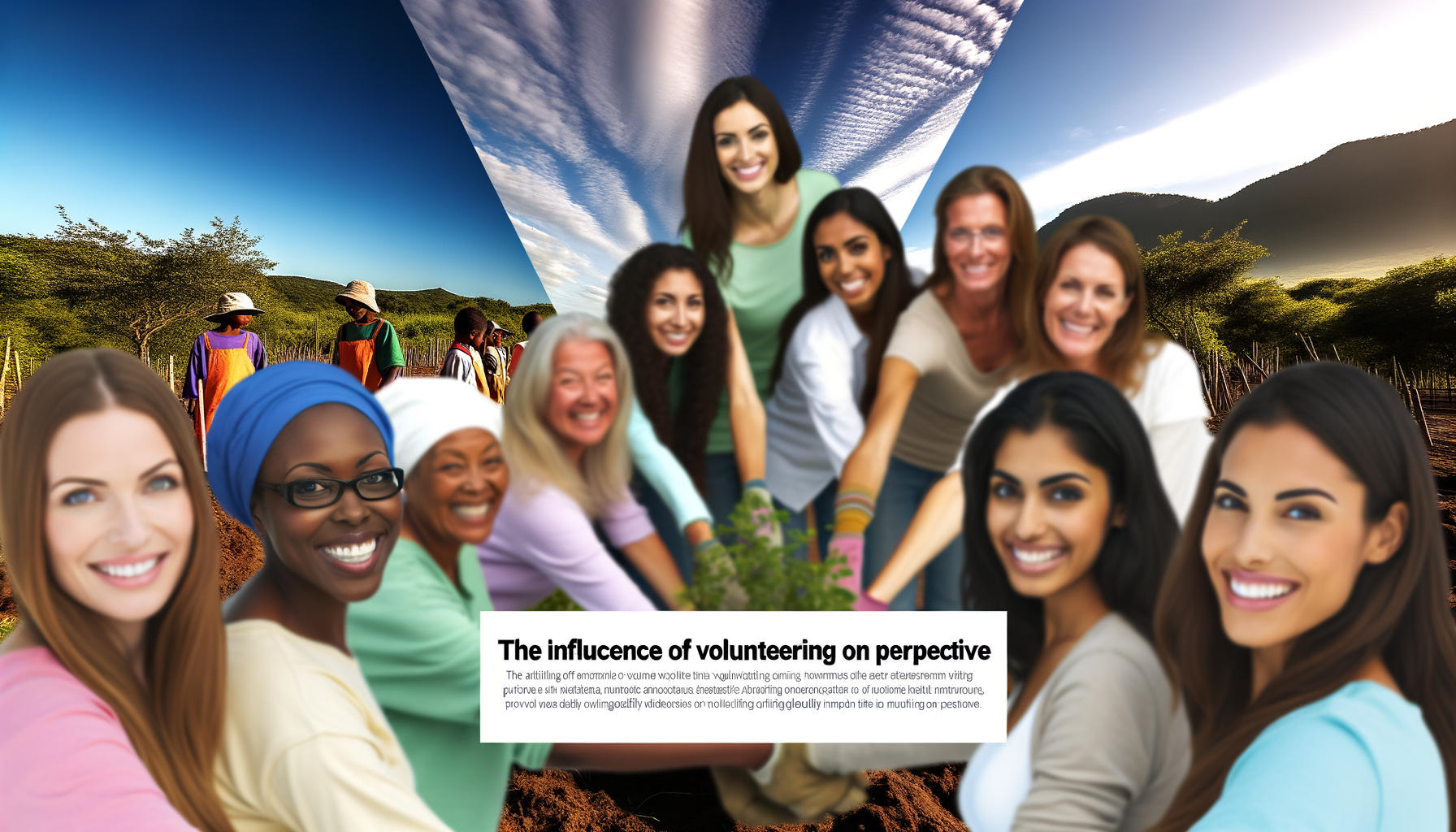
From Local to Global: The Impact of Volunteering on Your Worldview

April 23, 2024 By

Introduction

Understanding Volunteering

Volunteering is often seen as a selfless act, a means of contributing to the community and making a difference in the lives of others. It involves dedicating one’s time and energy towards a cause without financial gain. Yet, the act of volunteering is not a one-way street; it offers a multitude of benefits to the volunteer as well. From connecting with others to advancing one’s career, the personal gains are as significant as the societal contributions. Volunteering can lead to new friendships, expanded networks, and improved social and relationship skills. It also serves as a powerful tool for personal development, providing a sense of purpose and fulfillment.

The Journey from Local to Global Perspectives

Starting as a local volunteer opens the door to understanding the immediate community, its needs, and its cultural diversity. This local engagement lays the groundwork for a broader, global perspective. As volunteers step out of their comfort zones and begin to engage with communities across borders, they encounter a variety of cultures, lifestyles, and challenges. This exposure to global diversity can be a profound experience, leading to a deeper appreciation for the interconnectedness of our world and the universal nature of human experiences.

The Role of Volunteering in Personal Growth

Volunteering acts as a catalyst for personal growth. It challenges individuals to develop empathy and compassion by placing them in situations where they can make a tangible difference in the lives of others. The skills and experiences gained through volunteering are invaluable; they range from practical, hands-on abilities to interpersonal and organizational competencies. Moreover, volunteering can significantly boost self-esteem and confidence as individuals see the impact of their contributions. It also fosters a sense of community and belonging, as volunteers are often united by a common goal and shared values.

The Personal Benefits of Volunteering

Developing Empathy and Compassion

Volunteering is a powerful avenue for nurturing empathy and compassion. When individuals engage in volunteer work, they are often exposed to situations and challenges that are outside their normal experiences. This exposure can foster a deeper understanding and sensitivity towards the struggles of others. By working directly with those in need, volunteers can develop a profound sense of empathy, learning to see the world through the eyes of people from different walks of life. This emotional growth enriches personal relationships and contributes to a more inclusive and caring society.

Gaining New Skills and Experiences

One of the most tangible benefits of volunteering is the acquisition of new skills and experiences. Whether it’s teaching in under-resourced schools, participating in environmental conservation, or aiding in community development initiatives, volunteers gain hands-on experience that can be invaluable in both personal and professional contexts. These skills range from practical abilities, such as construction or farming techniques, to soft skills like leadership, teamwork, and problem-solving. Moreover, volunteering can sometimes lead to certifications or qualifications that further enhance one’s resume and career prospects.

Enhancing Self-Esteem and Confidence

Volunteering can significantly boost self-esteem and confidence. As volunteers overcome challenges and make meaningful contributions to their projects, they often experience a sense of accomplishment and pride. This positive reinforcement can translate into increased self-assurance in their abilities and decisions. The act of making a difference, no matter how small, can instill a feeling of self-worth and empowerment that permeates all areas of life.

Fostering a Sense of Community and Belonging

Engaging in volunteer work can greatly enhance one’s sense of community and belonging. Volunteers often find themselves part of a network of like-minded individuals who share a commitment to making a positive impact. This camaraderie can lead to lasting friendships and a feeling of being part of something larger than oneself. Additionally, by contributing to the betterment of the community, volunteers can experience a deeper connection to the place and people they serve, reinforcing social cohesion and fostering diversity and inclusion.

Expanding Horizons: Volunteering and Cultural Awareness

Breaking Stereotypes and Building Understanding

Volunteering abroad serves as a powerful catalyst for dismantling preconceived notions and stereotypes. When individuals step into a new cultural context, they are often confronted with the reality that their pre-existing beliefs about a place or people may not hold true. This direct engagement with diverse groups facilitates a deeper understanding of the complexities of different societies. By working alongside local community members, volunteers witness the richness of other cultures, which in turn fosters a sense of global kinship and respect.

Through this immersive experience, volunteers are not just passive observers but active participants in a cultural exchange. They learn to appreciate the nuances of communication, the significance of local traditions, and the value of community. This hands-on approach to learning about and interacting with different cultures is instrumental in building bridges of understanding and cooperation that transcend borders.

Learning from Diversity

  • Embracing New Perspectives: Exposure to diverse ways of living and thinking challenges volunteers to reconsider their own worldviews. This can lead to personal growth and a more nuanced understanding of global issues.
  • Adapting to Different Environments: Volunteers learn to navigate new social landscapes, which enhances their adaptability and problem-solving skills.
  • Developing Intercultural Competence: Engaging with people from various backgrounds helps volunteers develop the ability to communicate and work effectively in multicultural settings.

Learning from diversity is not just about acquiring knowledge; it’s about developing a mindset that values and seeks out different perspectives. This mindset is crucial for fostering inclusive environments both at home and abroad.

The Impact of Cross-Cultural Experiences

Volunteering abroad offers a unique opportunity for cross-cultural experiences that can have a profound impact on an individual’s life. These experiences often lead to a transformation in the volunteer’s approach to life and work, instilling a global perspective that values diversity and inclusivity. Volunteers return home with stories, lessons, and a newfound sense of purpose that can influence their career paths, relationships, and future engagements with their local communities.

Moreover, the impact of these cross-cultural experiences extends beyond the individual. Volunteers often become advocates for the communities they served, raising awareness about global issues and inspiring others to take action. The ripple effect of their experiences can lead to greater international cooperation and a collective effort to address global challenges.

In conclusion, volunteering abroad is more than an act of service; it is an educational journey that broadens horizons and fosters cultural awareness. By breaking stereotypes, learning from diversity, and embracing cross-cultural experiences, volunteers develop a global perspective that enriches their lives and the lives of those around them.

Volunteering as a Path to Global Citizenship

Understanding Global Issues Through Service

Volunteering abroad serves as a powerful lens through which individuals can gain a profound understanding of global issues. By working directly within communities, volunteers witness the complexities and nuances of challenges such as poverty, education, healthcare, and environmental conservation. This immersive experience transcends the abstract knowledge obtained from media or textbooks, offering a tangible context to the struggles and triumphs of people around the world. Through service, volunteers develop a deeper appreciation for the interconnectedness of global societies and the shared responsibility to foster positive change.

Responsibility Towards Global Challenges

Engaging in international volunteering instills a sense of responsibility towards global challenges. Volunteers often return with a renewed commitment to advocate for and contribute to solutions that address the root causes of these issues. This sense of duty extends beyond the duration of the volunteer program, influencing career choices, consumption habits, and civic engagement. By embracing this responsibility, volunteers become active participants in the global community, working towards the United Nations Sustainable Development Goals and other international efforts aimed at creating a more equitable and sustainable world.

The Ethical Implications of Volunteering Abroad

While volunteering abroad offers numerous benefits, it also presents ethical considerations that must be carefully navigated. It is crucial for volunteers to engage with organizations that prioritize the well-being of the communities they serve, ensuring that projects are sustainable, culturally sensitive, and aligned with local needs. Ethical volunteering involves a commitment to doing no harm, respecting local customs and practices, and fostering empowerment rather than dependency. By adhering to these principles, volunteers contribute to the dignity and self-sufficiency of the communities they serve, while also enriching their own understanding of ethical service and global citizenship.

The Ripple Effect of Volunteering on Relationships

Strengthening Existing Relationships

Volunteering has a unique way of reinforcing bonds between friends, family members, and colleagues. When individuals come together for a common cause, they share experiences that can deepen their understanding and appreciation for one another. For instance, working side by side on a community project can reveal new facets of a person’s character, such as resilience, compassion, and leadership, which might not be evident in everyday interactions. These shared experiences often lead to stronger, more empathetic relationships, as individuals learn to communicate effectively, work as a team, and support each other through challenges.

Creating New Bonds Across Borders

The act of volunteering can transcend geographical and cultural boundaries, fostering connections with people from diverse backgrounds. Volunteers often find themselves part of a global network of like-minded individuals who are passionate about making a difference. These new relationships can be incredibly enriching, offering insights into different cultures and ways of life. As volunteers collaborate with local communities and fellow volunteers from around the world, they build lasting friendships that can continue to grow even after the volunteer experience has ended. The stories of volunteers like Barb Holdridge, who found camaraderie and friendship through international volunteer travel, illustrate the profound connections that can be formed when people unite in service.

Volunteering and Its Influence on Family Dynamics

Volunteering can also have a significant impact on family dynamics. When family members volunteer together, they engage in meaningful activities that promote cooperation and understanding. This shared commitment to service can strengthen family ties and create a legacy of giving. Moreover, parents who volunteer set a powerful example for their children, instilling values of altruism and civic responsibility. The ripple effect of these actions can be seen as children learn to value community service and may be more likely to volunteer themselves, perpetuating a cycle of generosity and social consciousness within the family.

In conclusion, the ripple effect of volunteering on relationships is profound and multifaceted. It has the power to fortify existing bonds, create new ones, and positively influence family dynamics. By stepping into the world of volunteering, individuals open themselves up to a wealth of opportunities for personal connection and growth, ultimately contributing to a more compassionate and connected global community.

Challenges and Considerations in Volunteering

Navigating the Complexities of Aid

Volunteering, while noble in intention, often involves intricate challenges that can impact the effectiveness of aid. Volunteers must navigate the complexities of cultural differences, resource allocation, and the potential for dependency. It is crucial to approach aid with a mindset that empowers local communities and fosters independence rather than creating a reliance on external assistance. This requires a deep understanding of the local context and a commitment to sustainable solutions that are co-created with local stakeholders.

Ensuring Sustainable and Ethical Practices

Ensuring sustainability and ethical practices in volunteering is paramount. Volunteers and organizations must strive to implement programs that have long-term benefits for the community. This involves careful planning, ongoing evaluation, and a willingness to adapt based on feedback and changing circumstances. Ethical considerations also extend to respecting local customs and regulations, avoiding the imposition of external values, and ensuring that the volunteer’s presence does not inadvertently cause harm or disrupt local economies and labor markets.

  • Respect for local culture: Volunteers should educate themselves about the local customs and societal norms to avoid cultural insensitivity.
  • Environmental impact: Projects should be environmentally sustainable, avoiding any negative impact on the local ecosystem.
  • Collaboration: Working alongside local leaders and organizations ensures that initiatives are relevant and welcomed.

Personal Sacrifices and Rewards

Volunteering often requires personal sacrifices, including time, comfort, and sometimes financial resources. The environments in which volunteers work can be challenging, and the emotional toll of confronting poverty, illness, and inequality can be significant. However, the rewards are equally profound. Volunteers often experience immense personal growth, develop a deeper understanding of global issues, and gain a sense of fulfillment from contributing to positive change. The key is to balance the sacrifices with self-care and reflection, ensuring that the volunteer experience is both rewarding and sustainable.

  • Time commitment: Balancing volunteering with personal and professional responsibilities can be challenging.
  • Emotional resilience: Volunteers must be prepared for the emotional challenges that come with confronting difficult realities.
  • Financial considerations: While volunteering is unpaid, there may be costs involved, such as travel expenses or program fees.

In conclusion, volunteering is a complex but deeply rewarding endeavor. By understanding and addressing the challenges of aid, committing to sustainable and ethical practices, and recognizing the personal sacrifices and rewards, volunteers can make a meaningful impact on the communities they serve and enrich their own lives in the process.

Conclusion

Integrating the Global Perspective into Daily Life

Volunteering, whether locally or globally, has the profound ability to expand our horizons and reshape our worldview. Integrating the global perspective gained from volunteering into daily life means carrying the lessons of empathy, cultural sensitivity, and community spirit into every interaction. It involves recognizing the interconnectedness of our world and understanding that our actions, no matter how small, can have a ripple effect across the globe. To truly embody this perspective, we can:

  • Practice mindfulness of the diverse backgrounds and experiences of those around us.
  • Make conscious choices that support sustainable and ethical practices, from the products we buy to the companies we support.
  • Engage in ongoing learning about global issues and contribute to discussions and solutions within our communities.

Continuing the Journey of Personal and Social Development

The journey of personal and social development through volunteering is never-ending. Each experience builds upon the last, fostering continuous growth and the ability to contribute more effectively to the causes we care about. To continue this journey, we should:

  • Seek out new volunteering opportunities that challenge us and allow us to use our skills in novel ways.
  • Reflect regularly on our experiences to deepen our understanding and refine our approach to service.
  • Stay open to change, allowing our volunteering experiences to shape our values and goals.

Encouraging Others to Embark on the Volunteering Path

Sharing our stories and the impact of our volunteering experiences can inspire others to take the first step on their own path of service. Encouraging others is about creating a culture of giving and showing by example that volunteering is a rewarding and enriching activity. We can:

  • Share the positive impacts of our volunteering, both personal and communal, through social media, blogs, or community talks.
  • Invite friends, family, and colleagues to join us in volunteering activities, creating a shared experience that can strengthen bonds.
  • Highlight the diverse opportunities available, ensuring that everyone can find a way to contribute that aligns with their interests and abilities.

In conclusion, volunteering is a powerful catalyst for personal transformation and societal improvement. By integrating the global perspective into our daily lives, continuing our journey of development, and encouraging others to volunteer, we can collectively foster a more empathetic, understanding, and proactive world. Let us carry forward the spirit of service and make volunteering an integral part of our legacy.

Filed Under: Features

The Universe Within: Applying the Law of Attraction to Personal Growth

April 23, 2024 By

Introduction to the Law of Attraction

Understanding the Law of Attraction

The Law of Attraction is a philosophical concept suggesting that positive thoughts lead to positive outcomes in a person’s life, while negative thoughts result in negative outcomes. This principle posits that by focusing on positive or negative thoughts, one can bring positive or negative experiences into their life. This “law” asserts that like attracts like, meaning that if you think positively, you will attract positive situations and vice versa.

Historical Background

The Law of Attraction is not a new phenomenon. Its roots can be traced back to the early 19th-century philosophy known as “New Thought.” The concept gained popularity with the release of the film “The Secret” in 2006, followed by the book of the same name. These works brought the idea into mainstream consciousness, suggesting that by focusing on our desires and maintaining a positive mindset, we can manifest our goals into reality.

The Law of Attraction and Modern Psychology

While the Law of Attraction lacks empirical scientific support, it aligns with certain psychological principles. For instance, the power of optimism and positive thinking has been shown to correlate with better health, happiness, and success. Cognitive-behavioral therapy (CBT), a well-established psychological treatment, also emphasizes the importance of changing negative thought patterns to improve mental well-being. The Law of Attraction can be seen as a layperson’s application of these psychological concepts, encouraging individuals to focus on positive thoughts and goals to bring about positive change in their lives.

Setting the Stage for Personal Growth

Embracing the Law of Attraction can be a transformative step in personal development. By acknowledging that our thoughts and attitudes shape our reality, we can take control of our life’s direction. It involves cultivating a mindset of abundance, setting clear intentions, and using visualization techniques to focus on goals. This proactive approach to life encourages individuals to move beyond passive existence, empowering them to create the life they desire through intentional thought and action.

The Mind-Body Connection

The Power of Positive Thinking

At the heart of the Law of Attraction lies the fundamental belief in the power of positive thinking. By focusing our mental energy on positive outcomes and maintaining an optimistic outlook, we can influence the events and circumstances in our lives. This is not merely a placebo effect; it is about setting a tone that fosters proactive behavior and resilience. Positive thinking encourages a growth mindset, where challenges are seen as opportunities for improvement rather than insurmountable obstacles.

Visualization Techniques

Visualization is a potent tool within the Law of Attraction framework. It involves creating a vivid mental image of the desired outcome, engaging all the senses to deepen the experience. This technique serves to align one’s subconscious mind with their goals, effectively programming the brain to recognize and act upon the opportunities that will lead towards the realization of these aspirations. Regular practice of visualization can enhance motivation and solidify belief in one’s ability to achieve their dreams.

Emotional and Physical Health

The interconnection between emotional well-being and physical health is undeniable. Positive emotions like joy, gratitude, and love not only improve our mental state but can also lead to better physical health outcomes. The Law of Attraction emphasizes the importance of harmonizing our emotional states to improve overall well-being. By cultivating positive emotions, we can create a vibrational match for health and vitality, attracting better health outcomes and fostering a more vibrant life.

Mindfulness and Awareness

Mindfulness and awareness are crucial components in harnessing the Law of Attraction. Being mindful means being fully present in the moment, aware of our thoughts, feelings, and actions without judgment. This heightened state of awareness allows us to observe our thought patterns and gently steer them towards positivity. Mindfulness practices help us to maintain a clear and focused mind, which is essential for manifesting our desires and achieving personal growth.

Manifesting Your Desires

Clarifying Your Intentions

Before embarking on the journey of manifestation, it is crucial to have a clear understanding of what you truly desire. Clarifying your intentions involves introspection and honesty with oneself. It’s about distinguishing between what you think you should want and what your heart genuinely yearns for. To clarify your intentions, consider writing them down in detail, focusing on why you want to manifest these desires and how their fulfillment will impact your life. This clarity acts as a beacon for the universe, signaling exactly what you wish to attract.

The Role of Affirmations

Affirmations are positive, present tense statements that can help to reprogram your mind towards a state of belief and positivity. They serve as daily reminders of your intentions and help maintain focus on your goals. For affirmations to be effective, they should be recited with conviction and accompanied by the emotions you would feel if your desires were already fulfilled. Examples include “I am worthy of love and happiness” or “Abundance flows freely to me.” By regularly affirming your desires, you reinforce the energy you send out to the universe.

Overcoming Limiting Beliefs

Limiting beliefs are often the biggest hurdles in manifesting your desires. These are the negative thoughts and convictions that subconsciously hold you back. To overcome these, you must first identify them through self-reflection. Once recognized, challenge these beliefs by questioning their validity and reframing them into empowering beliefs. Techniques such as journaling, meditation, and cognitive-behavioral strategies can be instrumental in this transformation. Remember, the beliefs that serve you are the ones that should dominate your mindset.

Taking Inspired Action

While the Law of Attraction emphasizes the power of thoughts and emotions, it is equally important to take inspired action towards your goals. Action is the physical manifestation of your thoughts and intentions. It demonstrates to the universe your commitment to your desires. Inspired action should not feel forced; it should come from a place of enthusiasm and alignment with your goals. Whether it’s a small step like researching a new career path or a significant move like starting a new business, each action creates momentum and brings your desires within reach.

In conclusion, manifesting your desires is a dynamic interplay between clarifying your intentions, using affirmations, overcoming limiting beliefs, and taking inspired action. By diligently applying these principles, you align yourself with the universe’s abundance, paving the way for your desires to materialize in your life.

Cultivating Self-Love and Acceptance

The Importance of Self-Care

Self-care is the foundation of self-love and personal growth. It is the act of nurturing your physical, emotional, and mental health, recognizing that your well-being is essential for a fulfilling life. Self-care practices can range from simple activities like taking a relaxing bath or reading a book to more structured routines such as regular exercise, healthy eating, and adequate sleep. By prioritizing self-care, you affirm your worth and set the stage for positive self-regard and the ability to attract more of what you desire in life.

Forgiveness and Letting Go

Forgiveness is a powerful tool in the journey of self-love. It involves releasing resentment, anger, or hurt caused by past experiences or your own perceived shortcomings. Letting go of grudges and self-criticism frees you from the weight of negative emotions and allows you to embrace a more loving and compassionate view of yourself and others. This shift in perspective is essential for aligning with the Law of Attraction, as it clears emotional blockages and fosters a sense of inner peace.

Building Self-Esteem and Confidence

Self-esteem and confidence are the cornerstones of a positive self-image. Building them involves recognizing your intrinsic value and capabilities. Affirmations, celebrating small victories, and stepping out of your comfort zone are practical ways to enhance self-esteem. As you cultivate a stronger belief in yourself, you naturally become more aligned with your desires, making it easier to manifest them through the Law of Attraction.

Celebrating Personal Achievements

Celebrating your achievements, no matter how small, reinforces the Law of Attraction by acknowledging your ability to create positive outcomes. It’s a form of gratitude that amplifies the positive aspects of your life, attracting more success and happiness. By taking the time to honor your accomplishments, you send a powerful message to the universe that you are ready and open to receive more of what brings you joy and fulfillment.

Creating Meaningful Relationships

Attracting Positive Relationships

At the heart of forming meaningful connections is the principle that like attracts like. By embodying positivity and openness, we naturally draw individuals with similar energies into our lives. This magnetic pull is not just about shared interests but also about shared values and emotional states. To attract positive relationships, it’s essential to cultivate a genuine sense of self-worth and project the qualities you wish to find in others. This could mean practicing kindness, empathy, and optimism in your daily interactions.

The Law of Attraction in Love and Friendships

The Law of Attraction suggests that our thoughts and feelings have the power to shape our experiences, including our romantic and platonic relationships. By focusing on the positive aspects of love and friendship, such as trust, respect, and joy, we can create a vibrational match for these qualities to manifest in our lives. It’s important to visualize the type of relationships you desire and to believe in their possibility. This visualization, combined with actionable steps towards meeting new people and deepening existing bonds, can lead to fulfilling connections.

Setting Healthy Boundaries

While the Law of Attraction emphasizes the importance of openness, it’s equally crucial to establish healthy boundaries. Boundaries are the limits we set to protect our well-being and maintain respect in our relationships. They are not barriers to connection but rather frameworks that ensure mutual respect and understanding. Clearly communicating your needs and limits, and respecting those of others, creates a safe space for relationships to grow and thrive.

Communication and Empathy

Effective communication is the cornerstone of any meaningful relationship. It involves not only speaking your truth but also actively listening to others. Empathy plays a vital role here, as it allows us to understand and share the feelings of another person. By practicing empathetic listening, we can connect on a deeper level, fostering a sense of closeness and trust. Remember, it’s not always about agreeing with one another but about striving to see from another’s perspective and validating their experiences.

In conclusion, applying the Law of Attraction to your relationships means being the source of what you seek. By nurturing positivity within yourself, setting clear boundaries, and engaging in empathetic communication, you can attract and maintain the meaningful connections that contribute to personal growth and happiness.

Overcoming Challenges with the Law of Attraction

Dealing with Negative Thoughts

Negative thoughts can be persistent and pervasive, often hindering our ability to manifest our desires. The Law of Attraction teaches us that like attracts like, meaning that negative thinking can attract more negativity into our lives. To combat this, it is essential to recognize and address negative thoughts as they arise. One effective method is to practice mindfulness, observing these thoughts without judgment and allowing them to pass. Additionally, positive affirmations can help rewire our thought patterns, replacing negativity with constructive, empowering beliefs.

Transforming Failures into Lessons

Failures and setbacks are an inevitable part of life, but they do not have to define our journey. The Law of Attraction encourages us to view failures as valuable lessons rather than insurmountable obstacles. By shifting our perspective, we can extract wisdom and strength from our missteps, using them as stepping stones towards success. It’s about embracing a growth mindset, where every experience, good or bad, contributes to our personal development and brings us closer to our goals.

Maintaining Focus During Difficult Times

During challenging periods, maintaining focus on our intentions can be difficult. The key is to stay grounded in the present moment and hold onto our vision with unwavering faith. Visualization techniques can be particularly helpful, as they allow us to keep our desired outcomes at the forefront of our minds, reinforcing our commitment to them. Additionally, creating a supportive environment, filled with reminders of our goals and aspirations, can help sustain our focus and motivation.

Staying Motivated and Committed

Staying motivated and committed to our goals requires consistent effort and self-belief. The Law of Attraction emphasizes the importance of positive energy and enthusiasm in manifesting our desires. To maintain motivation, it’s crucial to celebrate small victories along the way and practice gratitude for the progress we’ve made. Furthermore, surrounding ourselves with positive influences and individuals who support our journey can provide an additional boost to our commitment levels.

In conclusion, overcoming challenges with the Law of Attraction involves a combination of mindset shifts, practical techniques, and emotional resilience. By actively managing our thoughts, learning from our experiences, staying focused, and keeping our motivation alive, we can navigate through difficulties and continue to attract the positive outcomes we seek.

Conclusion: Integrating the Law of Attraction into Daily Life

Practical Tips for Everyday Practice

To seamlessly integrate the Law of Attraction into your daily routine, consider these practical tips:

  • Start your day with intention: Take a few moments each morning to set your intentions. Visualize your day unfolding positively and affirm your goals.
  • Use affirmations: Reinforce your desires with positive affirmations. Repeat them throughout the day to keep your energy aligned with your intentions.
  • Practice gratitude: Keep a gratitude journal and write down things you are thankful for each day. This shifts your focus to abundance and attracts more positivity.
  • Stay mindful: Be present in the moment and aware of your thoughts and feelings. Mindfulness helps you maintain a positive state of mind.

Measuring Personal Growth

Tracking your progress is essential in recognizing the changes the Law of Attraction brings into your life. Reflect on these aspects:

  • Journaling: Keep a journal to document your experiences, thoughts, and feelings. Over time, you’ll see patterns and growth that can be directly attributed to your Law of Attraction practices.
  • Set milestones: Break down your goals into achievable milestones and celebrate each one as you reach it. This not only measures growth but also motivates you to continue.
  • Self-reflection: Regularly take time to reflect on how your life has changed. Consider the new opportunities, relationships, and achievements that have come your way.

Continual Learning and Adaptation

The Law of Attraction is not a one-time event but a continuous journey of self-discovery and improvement. Embrace new learning opportunities and be willing to adapt your techniques as you grow. Attend workshops, read books, and engage with communities that support your journey.

Encouragement for the Journey Ahead

Remember, personal growth is a marathon, not a sprint. Be patient with yourself and recognize that every thought and action is contributing to your future. Celebrate the small victories and stay committed to your practice. The universe is always responding to your vibration, so keep it positive and expect great things. Trust in the process, and you will undoubtedly attract the life you envision.

Filed Under: Features

Rejuvenate and Renew: Embracing Holistic Detox Practices

April 22, 2024 By

Introduction to Holistic Detox

Understanding Detoxification

Detoxification is the body’s natural process of eliminating or neutralizing toxins through the colon, liver, kidneys, lungs, lymphatic system, and skin. Toxins are substances that can cause harm to body tissues, and they come from various sources such as the environment, lifestyle choices, and metabolic processes. Detoxification helps to ensure that these harmful substances are efficiently processed and removed from the body, promoting better health and preventing disease.

The Holistic Approach to Detox

A holistic approach to detox goes beyond simply removing toxins from the body. It encompasses the mind, body, and spirit, aiming to achieve overall well-being. This method integrates clean eating, proper hydration, exercise, rest, and natural aids to support the body’s detox pathways. Additionally, it includes mental and emotional strategies such as mindfulness, journaling, and emotional release, as well as spiritual practices that connect individuals with nature and their inner selves.

Benefits of a Holistic Detox

Embracing a holistic detox can lead to numerous benefits. Physiologically, it can enhance energy levels, improve digestion, and support weight management. Mentally, it fosters clarity and reduces stress, contributing to a balanced emotional state. Spiritually, it can deepen one’s connection with nature and self, leading to inner harmony. These benefits create a positive feedback loop, reinforcing the detox process and encouraging a sustained healthy lifestyle.

Setting Intentions for Renewal

Setting intentions is a critical step in the holistic detox process. It involves reflecting on personal health goals and desired outcomes, such as increased vitality, better stress management, or improved dietary habits. By establishing clear intentions, individuals can focus their efforts and create a sense of purpose for their detox journey. This mindful approach ensures that the detox experience is not only about cleansing the body but also about nurturing the mind and spirit for complete renewal.

Physical Detoxification

Clean Eating and Nutrition

Embarking on a physical detox begins with clean eating. This means choosing whole, unprocessed foods that are free from additives and rich in nutrients. Emphasize a variety of fresh fruits and vegetables, particularly those high in antioxidants, to support the body’s natural detoxification pathways. Leafy greens and cruciferous vegetables, for instance, are not only nutrient-dense but also enhance liver function, a critical detox organ. Incorporating healthy fats from avocados, nuts, seeds, and fatty fish can improve heart and brain health, while aiding detoxification. Herbs and spices like cilantro, dandelion greens, ginger, and turmeric offer additional detoxifying benefits and can be easily integrated into your diet.

Hydration and its Importance

Hydration is a cornerstone of detoxification. Drinking ample amounts of clean, filtered water is essential for flushing out toxins. Adding a splash of lemon not only improves taste but also provides vitamin C, bolstering the immune system. Herbal teas can also be a beneficial part of your hydration strategy, supporting liver and kidney health.

Exercise and Body Movement

Regular physical activity is crucial for detoxification. Activities that induce sweating, such as yoga, brisk walking, or using a sauna, help eliminate toxins through the skin. Yoga, in particular, combines movement, breathwork, and mindfulness, aiding in both physical and mental detoxification. Engaging in regular exercise enhances circulation and supports the body’s natural cleansing processes.

Rest and Sleep

Adequate rest and sleep are vital components of a physical detox. Sleep allows the body to repair and regenerate, crucial for effective detoxification. Ensuring a consistent sleep schedule and creating a restful environment can significantly improve the quality of your detox experience.

Natural Detoxification Aids

Complementing your detox with natural aids can enhance the process. Probiotics support gut health, a key player in detoxification, while milk thistle aids liver function. Always consult with a healthcare professional before adding supplements to your routine. Additionally, advanced detoxification technologies such as infrared saunas and lymphatic drainage massages at wellness centers can further support the body’s natural detox pathways.

By focusing on clean eating, staying hydrated, engaging in regular exercise, prioritizing rest, and utilizing natural detox aids, you can support your body’s ability to rejuvenate and renew. This holistic approach to physical detoxification can lead to increased energy, weight management, and a stronger immune system, contributing to long-term health and well-being.

Mental and Emotional Detox

Mindfulness and Meditation

Mindfulness and meditation are cornerstones of mental and emotional detoxification. These practices help to center the mind, reduce stress, and promote a sense of peace and clarity. By focusing on the present moment and observing thoughts without judgment, individuals can break the cycle of rumination and anxiety that often plagues our mental landscape. Regular meditation has been shown to improve cognitive function and emotional regulation, making it an essential tool for anyone looking to rejuvenate their mental state.

Journaling and Reflective Practices

Journaling is a powerful reflective practice that allows for emotional expression and introspection. Writing down thoughts and feelings can help to process emotions, identify patterns, and set intentions for personal growth. Reflective practices such as journaling not only provide an outlet for emotional release but also serve as a record of progress over time. Individuals are encouraged to journal in a private and comfortable space, making it a sacred part of their daily routine.

Emotional Release Techniques

Emotional release techniques are designed to help individuals let go of pent-up emotions that may be causing mental and physical strain. Techniques such as deep breathing exercises, guided imagery, and emotional freedom technique (EFT) can be particularly effective. These practices encourage the body to release stress and tension, leading to a state of calm and allowing for a deeper connection with one’s emotional well-being.

Digital Detox

In our hyper-connected world, a digital detox is often necessary to prevent information overload and reduce the stress associated with constant connectivity. Taking regular breaks from electronic devices can help to restore balance and improve focus. A digital detox might involve setting specific times to check emails and social media, or it could be as extensive as taking a full day or more away from all digital devices. The key is to create healthy boundaries with technology to support mental and emotional health.

Spiritual Detoxification

Connecting with Nature

One of the most profound ways to engage in spiritual detoxification is by connecting with nature. The natural world offers a unique sense of peace and grounding that can help to cleanse the spirit. Spending time outdoors, whether it’s a walk in the park, a hike through the woods, or simply sitting by a body of water, can help to reduce stress and promote a sense of inner calm. The rhythms of nature, from the changing seasons to the ebb and flow of tides, remind us of the cycles of renewal and growth that are inherent to life and our own spiritual journey.

Energy Healing Practices

Energy healing practices such as Reiki, acupuncture, and qigong work on the principle that the body is infused with a subtle energy that can be manipulated to promote healing and well-being. These practices aim to clear blockages in the energy pathways, known as meridians or chakras, to facilitate detoxification on a spiritual level. By restoring balance to our energy systems, we can release emotional burdens and foster a sense of spiritual renewal.

Incorporating Rituals and Ceremonies

Rituals and ceremonies have been used for centuries as a means to mark significant life changes and transitions. Incorporating rituals and ceremonies into your detox process can provide a structured and symbolic way to release old patterns and set intentions for new beginnings. This might include practices like burning sage to purify your space, setting up an altar with items that represent your detox goals, or creating a personal ceremony to let go of past habits and affirm your commitment to your spiritual health.

The Role of Community and Relationships

Finally, spiritual detoxification is not a journey that needs to be undertaken alone. The role of community and relationships is vital in providing support and fostering a sense of belonging. Engaging with like-minded individuals can offer encouragement, share wisdom, and create a collective energy that amplifies individual efforts. Whether it’s through a spiritual group, a yoga class, or simply a gathering of friends and family, nurturing these connections can greatly enhance the detoxification process and contribute to a more balanced and harmonious life.

Embracing spiritual detoxification is about more than just cleansing the body; it’s about nurturing the soul and aligning with our highest selves. By connecting with nature, engaging in energy healing practices, incorporating meaningful rituals, and fostering community, we can rejuvenate our spirits and renew our sense of purpose.

Creating a Detox Plan

Assessing Your Needs

Before embarking on a holistic detox, it’s essential to assess your individual needs. Reflect on your lifestyle, dietary habits, and any symptoms that may indicate a buildup of toxins, such as fatigue, digestive issues, or mental fog. Consider your goals: Are you seeking to improve digestion, boost energy levels, or enhance mental clarity? Understanding your body’s signals and setting clear intentions will guide you in tailoring a detox plan that addresses your specific requirements.

Setting Realistic Goals

Detoxification is a journey, not a race. Set achievable goals that align with your lifestyle and health status. If you’re new to detox, start with small changes, such as increasing water intake or incorporating more whole foods into your diet. Gradually introduce detox practices like mindfulness or gentle exercise. Remember, the aim is to create a sustainable routine that supports your well-being without causing undue stress or deprivation.

Integrating Practices into Daily Life

For a detox plan to be effective, it must seamlessly fit into your daily routine. Begin by integrating simple practices such as mindful eating, staying hydrated, and scheduling regular physical activity. Create a balanced schedule that includes time for rest and self-care. Utilize natural detox aids like herbal teas and consider professional advice for appropriate supplements. By making these practices habitual, you’ll be more likely to maintain a detoxifying lifestyle.

Monitoring Progress and Making Adjustments

As you progress with your detox plan, it’s crucial to monitor your body’s responses. Keep a journal to track changes in your energy levels, mood, and physical symptoms. Be prepared to make adjustments based on your observations. If a particular practice isn’t serving you, don’t hesitate to modify or replace it. The flexibility to adapt your plan ensures that your detox journey remains beneficial and enjoyable.

Ultimately, a successful detox plan is one that promotes balance and is tailored to your unique needs. By assessing your needs, setting realistic goals, integrating practices into your daily life, and being willing to make adjustments, you’ll create a foundation for sustained health and vitality.

Challenges and Considerations

Common Detox Pitfalls

Embarking on a holistic detox journey can be an enlightening experience, but it’s not without its challenges. One of the most common pitfalls is the temptation to adopt extreme measures that promise quick results. These can include overly restrictive diets, excessive fasting, or the use of unproven detox supplements. Such approaches can lead to nutrient deficiencies, energy depletion, and can be more harmful than beneficial. It’s crucial to avoid the allure of “quick fixes” and instead focus on sustainable, gentle practices that support the body’s natural detoxification processes.

Listening to Your Body

Detoxification should not be a one-size-fits-all approach. Listening to your body is paramount when engaging in any detox practice. Pay attention to signals such as fatigue, discomfort, or any adverse reactions. These signs can indicate that your body is either not ready for the level of detox you’re attempting or that a particular practice is not suitable for you. Adjusting the intensity of your detox or even pausing to reassess is not a setback but a form of self-care and attunement to your body’s needs.

When to Seek Professional Guidance

While many aspects of a holistic detox can be safely navigated on your own, there are times when professional guidance is necessary. If you have pre-existing health conditions, are taking medication, or if you experience severe symptoms during your detox, it’s important to consult with a healthcare provider. A professional can help tailor a detox plan to your specific needs, ensuring that your journey to renewal is both safe and effective.

Maintaining Balance and Avoiding Extremes

The essence of a holistic detox is balance. It’s about nurturing the body, not punishing it. To maintain balance and avoid extremes, incorporate a variety of practices that address not just physical, but also mental, emotional, and spiritual well-being. Balance intense activities with restorative ones, like pairing exercise with meditation. Diversify your diet with an array of nutrients rather than focusing on a single food group. Remember, the goal is to rejuvenate and renew, not to deplete or cause stress to your system.

In conclusion, a holistic detox is a journey that requires mindfulness, patience, and a willingness to adapt. By being aware of common pitfalls, listening to your body, seeking guidance when necessary, and maintaining balance, you can navigate the detox process with grace and emerge with a renewed sense of vitality.

Sustaining a Holistic Lifestyle

Building Long-Term Habits

Adopting a holistic lifestyle is a journey that extends beyond the initial detoxification process. To maintain the benefits of detox, it’s essential to establish long-term habits that support ongoing wellness. Start by integrating small, manageable changes into your daily routine, such as beginning your day with a glass of warm lemon water or dedicating a few minutes to mindfulness meditation. Gradually, these small steps become ingrained in your lifestyle, leading to lasting improvements in your health and well-being.

Community and Support Networks

Embarking on a wellness journey can be challenging, but you don’t have to do it alone. Community and support networks play a crucial role in sustaining a holistic lifestyle. Surround yourself with like-minded individuals who share your wellness goals. This could be a local yoga class, a plant-based cooking group, or an online forum dedicated to holistic health. These communities provide encouragement, share knowledge, and offer accountability, helping you stay committed to your wellness journey.

Continual Learning and Adaptation

The field of holistic health is ever-evolving, with new research and practices emerging regularly. To sustain a holistic lifestyle, commit to continual learning and adaptation. Stay informed about the latest wellness trends, attend workshops, and be open to adjusting your habits as you gain new insights. This proactive approach ensures that your lifestyle remains aligned with the most current understanding of holistic health.

Celebrating Milestones and Successes

Recognizing and celebrating your progress is vital for maintaining motivation and enthusiasm. Take time to celebrate milestones and successes, no matter how small. Whether it’s reaching a new level of flexibility in your yoga practice or successfully completing a week of clean eating, acknowledging these achievements reinforces positive behavior and sets the stage for future accomplishments. Celebrate with healthy rewards, such as a massage or a new wellness book, to keep your journey enjoyable and rewarding.

By focusing on building long-term habits, fostering community connections, continuously learning, and celebrating your successes, you can sustain a holistic lifestyle that nurtures your body, mind, and spirit. This approach to wellness not only enhances your quality of life but also empowers you to thrive in all aspects of your being.

Filed Under: Features

Yoga Every Day: Strategies for Weaving Practice into Your Life

April 22, 2024 By

Introduction to Daily Yoga Practice

The Benefits of Yoga for Mental and Spiritual Well-being

Yoga is more than a physical discipline; it is a journey towards mental clarity and spiritual peace. Regular practice can lead to profound changes in mental health, reducing symptoms of anxiety and depression, and fostering a sense of inner calm. The spiritual aspects of yoga encourage a deeper connection with oneself, promoting self-awareness and a sense of purpose. As Molly Chanson describes in her transformative journey, yoga becomes a sanctuary for healing and self-discovery, offering solace and strength during life’s tumultuous periods.

Understanding the Commitment: What Does ‘Every Day’ Really Mean?

Embracing yoga daily does not necessarily mean performing intense asanas each morning. It’s about the commitment to a practice that aligns with your life. ‘Every day’ can mean a few minutes of mindful breathing, a quick series of stretches, or a full session on the mat. The essence lies in consistency and the intention to connect with your practice regularly, integrating yoga’s principles into your daily life.

The Holistic Approach: Yoga Beyond Physical Exercise

Yoga transcends the boundaries of mere physical exercise, encompassing a holistic approach to well-being. It is a lifestyle that interweaves ethical practices, breathwork, meditation, and self-study. As Chanson eloquently puts it, yoga is about showing up as you are, with humility and bravery, ready to engage with the practice in its entirety. It’s about finding balance and harmony within, which in turn reflects in your external life. By adopting a holistic approach to yoga, you invite transformation not just of the body, but of the mind and spirit as well.

Creating a Personal Yoga Space

Choosing Your Sacred Spot: Tips for Home and Work

Establishing a dedicated yoga space at home or work is essential for a consistent practice. At home, select a spot that is quiet, has minimal distractions, and where you feel at ease. It doesn’t have to be large; even a corner of a room can become a sanctuary. If possible, choose an area with natural light and good ventilation. At work, find a private area where you can take short breaks for stretching or meditation. This could be a seldom-used conference room or a quiet corner of your office. The key is consistency; the more you return to your sacred spot, the more it becomes imbued with a sense of tranquility and purpose.

Essentials for Your Yoga Space: Simplicity and Functionality

Your yoga space should be simple and functional. Start with a quality yoga mat and consider adding a few props like blocks, a bolster, and a strap to support your practice. Keep the area uncluttered to allow energy to flow freely and to give you space to move. You might add a small shelf for items that inspire your practice, such as candles, a statue, or a picture that brings you peace. However, ensure these items do not distract from your practice but rather enhance your focus and intention.

Maintaining Your Space: Keeping the Energy Flowing

Maintaining the energy of your yoga space is as important as creating it. Regularly clean your mat and props, and declutter the area to prevent the accumulation of stagnant energy. Introduce elements like plants or a small fountain to keep the energy vibrant and alive. You can also periodically rearrange your space to renew its feel and help shift your perspective. Lastly, consider smudging with sage or using essential oils to cleanse the area energetically and create an inviting atmosphere each time you step onto your mat.

Integrating Yoga into Your Daily Routine

Identifying Opportunities: From Morning to Evening

Integrating yoga into your daily life is about recognizing the small gaps in your schedule and transforming them into moments of mindfulness and movement. Start by assessing your daily routine and pinpointing times that could accommodate short yoga sessions. Early morning, before the rush of the day, can be ideal for a revitalizing practice, while evenings may offer a chance to unwind. Even your lunch break can serve as a perfect interlude for a few stretches or breathing exercises. The key is to be creative and flexible with when and how you practice.

Short Sessions: Micro-Yoga for Busy Days

On days when time is scarce, micro-yoga sessions can be a lifesaver. These are brief, focused practices that can last anywhere from one to ten minutes. You might choose a single pose, like the Downward Dog, to stretch your body and refresh your mind, or a quick series of sun salutations to build energy. The beauty of micro-yoga is that it can be done almost anywhere, from the office to the airport, ensuring that even on your busiest days, yoga remains a part of your life.

Yoga and Multitasking: A Mindful Approach

While yoga traditionally encourages full presence and focus, the reality of modern life sometimes demands multitasking. You can adopt a mindful approach to multitasking with yoga by integrating simple poses or breathwork into other activities. For instance, practice standing poses while watching TV, or engage in deep breathing while waiting in line. This mindful multitasking allows you to reap the benefits of yoga without having to carve out separate time from your already packed schedule.

The Role of Yoga in Stress Management and Relaxation

Yoga’s role in stress management and relaxation is well-documented. Incorporating it into your daily routine can help you maintain a calm and centered state amidst the chaos of everyday life. Techniques such as Yoga Nidra and restorative poses can be particularly effective for relaxation and can be practiced in the evening to promote better sleep. Additionally, the focused breathing and mindfulness inherent in yoga practice are powerful tools for stress reduction that can be utilized throughout the day to maintain a sense of balance and peace.

Yoga for Every Body: Adapting Practices to Your Needs

Listening to Your Body: Modifying Poses and Intensity

Yoga is a personal journey, and honoring your body’s needs is paramount. It’s essential to listen to the signals your body sends and adjust your practice accordingly. This may mean modifying poses to accommodate for injuries, flexibility levels, or energy fluctuations. For instance, using props like blocks or straps can help maintain alignment and prevent strain. Similarly, understanding when to challenge yourself and when to ease off is crucial for a sustainable practice. Remember, yoga is not about performing the perfect pose but about finding the harmony between effort and ease.

Yoga for Different Life Stages and Conditions

Yoga is versatile and can be adapted for various life stages and conditions. For children and teenagers, yoga can promote body awareness and stress management. During pregnancy, prenatal yoga helps in maintaining fitness while preparing the body for childbirth. As we age, yoga can maintain mobility and reduce the risk of falls. For those with specific health conditions, therapeutic yoga sequences can be designed to address issues such as back pain, arthritis, or heart disease. Always consult with a healthcare provider and a qualified yoga instructor to tailor the practice to your unique circumstances.

Inclusive Yoga: Embracing Diversity in Practice

Yoga is for everyone, regardless of age, size, gender, ethnicity, or ability. Inclusive yoga means creating a welcoming environment where diversity is celebrated and supported. This includes offering variations of poses, using inclusive language, and being mindful of different cultural backgrounds. It’s about recognizing that each individual’s experience with yoga is unique and valuable. By embracing diversity in practice, we not only enrich our own experience but also uphold the true spirit of yoga, which is unity and connection.

Ultimately, adapting yoga to your needs is about making the practice work for you. It’s a process of exploration, understanding, and acceptance. Whether you’re rolling out your mat for the first time or are a seasoned practitioner, remember that yoga is a personal practice that grows and changes with you. Embrace the journey, and let yoga be a tool for self-discovery and holistic well-being.

The Power of Habit: Building and Sustaining a Yoga Practice

Setting Realistic Goals and Tracking Progress

Embarking on a daily yoga practice begins with setting achievable goals. Whether it’s mastering a new pose or dedicating ten minutes each morning to meditation, realistic goals are the foundation of a sustainable practice. Track your progress in a journal or app to visualize improvements and maintain motivation. Celebrate small victories along the way, as these milestones are significant in the journey of personal growth and discipline.

The Role of Community: Finding Support and Inspiration

Yoga is often a solitary practice, but it doesn’t have to be a lonely one. Engaging with a yoga community can provide a wellspring of support and inspiration. Whether it’s through social media groups, local studio classes, or yoga events, connecting with fellow practitioners can uplift your spirit and keep you accountable. Share your experiences, seek advice, and revel in the collective energy that a community provides.

Overcoming Obstacles: What to Do When Motivation Falters

It’s natural for motivation to ebb and flow. When you encounter obstacles, it’s crucial to return to your ‘why’. Remind yourself of the reasons you started practicing yoga and the benefits you’ve experienced. If you’re feeling burnt out, consider scaling back the intensity or trying a new style of yoga to reignite your passion. Remember, yoga is not just about the asanas; it’s about cultivating a mindful, balanced life. When motivation wanes, focus on the holistic aspects of yoga, such as breathwork or meditation, to sustain your practice.

Ultimately, the power of habit lies in consistency. By setting realistic goals, engaging with a supportive community, and navigating through motivational dips, you can build and sustain a yoga practice that enriches your life both on and off the mat. Embrace the journey, for each day is a new opportunity to grow and find balance through the ancient art of yoga.

Deepening Your Practice: Beyond the Basics

Exploring Different Styles of Yoga

Once the foundation of a regular yoga practice is laid, it’s natural to feel a curiosity about the various styles that exist. Each style offers a unique experience and benefits, from the physically demanding Ashtanga to the gentle flow of Kripalu. Exploring different styles can reinvigorate your practice, challenge your body in new ways, and deepen your understanding of yoga’s diverse landscape. For instance, Iyengar yoga, with its focus on alignment and the use of props, can enhance your awareness of body mechanics, while Kundalini yoga’s emphasis on breathwork and meditation can unlock new spiritual insights.

Integrating Meditation and Breathwork

Yoga is more than just asanas; it’s a holistic system that includes meditation and pranayama (breathwork). Meditation cultivates mindfulness and can lead to profound mental clarity and peace. Starting or ending your yoga session with a meditation practice can significantly enhance the benefits of your physical practice. Similarly, pranayama techniques are essential for controlling the life force (prana) within us. Simple practices like Ujjayi (Victorious Breath) or Anulom Vilom (Alternate Nostril Breathing) can be seamlessly integrated into your daily routine, helping to manage stress and improve focus.

The Importance of Continuous Learning and Growth

Yoga is a lifelong journey, and there is always room for growth. Continuous learning can come from various sources: attending workshops, reading authoritative texts, or even taking a teacher training course for deeper insight. Embracing the student mindset allows you to remain open to new experiences and teachings, which is essential for keeping your practice fresh and engaging. Remember, the more you learn, the more you realize there is to discover. This humble approach keeps the ego in check and the spirit of yoga alive within you.

As you delve deeper into your yoga journey, remember that every practice is an opportunity to learn more about yourself and the world around you. Whether you’re exploring different styles, integrating new techniques, or committing to lifelong learning, each step you take is a step towards a more profound, more authentic yoga practice.

Conclusion: Embracing Yoga as a Way of Life

Reflecting on the Journey: Personal Stories of Transformation

As we reach the end of our exploration into daily yoga practice, it’s essential to pause and reflect on the transformative journey that yoga represents. Across the globe, countless individuals have shared stories of profound change, attributing their newfound mental clarity, physical wellness, and spiritual depth to their consistent yoga practice. These narratives often highlight the shift from yoga as a mere physical activity to a comprehensive way of life, emphasizing the importance of the mind-body-spirit connection that yoga nurtures.

For many, the mat becomes a place of solace, where the trials of life are met with a deep breath and a mindful pose. The resilience built through each asana carries over into daily life, equipping practitioners with the strength to face challenges with grace and equanimity. These personal stories serve as powerful testaments to yoga’s capacity to heal, empower, and transform.

Yoga as a Lifelong Companion: Looking Ahead

As we look to the future, it’s clear that yoga is more than a passing trend—it’s a companion for life. The beauty of yoga lies in its scalability and adaptability; it grows with you, offering gentle guidance through life’s various stages. Whether you’re a beginner or a seasoned practitioner, yoga continues to offer new layers of depth and understanding, ensuring that the practice never becomes stagnant.

Looking ahead, we can envision a life where yoga’s principles permeate our actions and interactions. The lessons learned on the mat—patience, discipline, compassion—become the cornerstones of our existence, shaping a life lived with intention and purpose.

Encouragement for the Path Forward: Continuing Your Yoga Journey

As you continue on your yoga journey, remember that every day is a new opportunity to deepen your practice. Embrace the ebbs and flows of motivation, knowing that your yoga practice is patient and always waiting for you. Set realistic goals, celebrate small victories, and be kind to yourself when challenges arise.

Lean on the support of the yoga community, draw inspiration from the wisdom of teachers, and never hesitate to explore new styles and philosophies. Keep your practice fresh by setting intentions, attending workshops, or even planning a yoga retreat. Most importantly, carry the essence of yoga with you off the mat, allowing its transformative power to infuse every aspect of your life.

In closing, let the journey of yoga be one of joyous discovery, a path that continually unfolds to reveal the boundless potential within you. May your practice be a source of strength, serenity, and fulfillment as you weave yoga into the very fabric of your life.

Filed Under: Features

Herbal Harmony: Integrating Alternative Therapies into Your Wellness Routine

April 22, 2024 By

Introduction to Herbal Harmony

Understanding Herbal Therapy

Herbal therapy, a cornerstone of traditional medicine, harnesses the healing properties of plants to promote health and well-being. It is a practice steeped in history, with roots that intertwine with the earliest human civilizations. Herbalists like Brianna Cherniak, with her deep-seated knowledge from Moss Medicine, guide us through the intricate world of medicinal plants, teaching us how to utilize nature’s pharmacy to support our body’s natural healing processes.

The Rise of Alternative Therapies

In recent years, there has been a significant resurgence in the popularity of alternative therapies, including herbalism. This renaissance can be attributed to a growing desire for natural and holistic approaches to health. People are increasingly seeking out methods that work in harmony with their bodies, rather than relying solely on conventional medicine. The rise of social media platforms and the internet has also played a pivotal role, allowing herbal enthusiasts to share knowledge and experiences, further fueling the interest in plant-based wellness.

Benefits of Integrating Herbal Remedies

Integrating herbal remedies into one’s wellness routine offers a multitude of benefits. Herbs can provide gentle, yet effective solutions for a variety of ailments, from minor discomforts to chronic conditions. They can also serve as preventive measures, bolstering the immune system and improving overall vitality. The holistic nature of herbal therapy means that it not only targets specific health issues but also contributes to a greater sense of balance and harmony within the body.

  • Stress Reduction: Certain herbs are known for their calming effects, helping to alleviate stress and anxiety.
  • Improved Digestion: Herbal remedies can aid in digestive health, soothing upset stomachs and promoting regularity.
  • Enhanced Energy: Some plants are natural energizers, providing a boost in energy and vitality without the side effects of caffeine.

Setting Intentions for Wellness

Embarking on a journey with herbal remedies begins with setting clear intentions for wellness. It’s about creating a personalized approach that aligns with your unique health goals and lifestyle. By establishing your intentions, you can choose herbs and herbal preparations that resonate with your body’s needs, fostering a deeper connection to the healing power of plants. As Brianna Cherniak emphasizes, this mindful approach to herbalism not only nurtures the body but also the mind and spirit, leading to a more harmonious state of health.

Whether you are new to the world of herbalism or looking to deepen your existing practice, understanding the foundations of herbal therapy, recognizing its growing role in modern wellness, and appreciating the benefits of plant-based remedies are essential steps. With these insights, you can confidently set intentions for your wellness journey, creating a life of balance and vitality through the power of herbs.

Herbs and Their Healing Properties

Common Herbs and Uses

Herbs have been the cornerstone of natural healing for millennia, offering a plethora of health benefits. Garlic, for instance, is celebrated for its immune-boosting properties, while turmeric is lauded for its anti-inflammatory effects. Other common herbs like ginger are known for their digestive benefits, and peppermint is often used to soothe headaches and relieve nausea.

Herbs for Stress and Anxiety

In today’s fast-paced world, stress and anxiety are prevalent concerns. Herbs such as chamomile and lavender are renowned for their calming effects. Chamomile tea is a popular beverage for relaxation, while lavender can be used in aromatherapy to alleviate stress. Ashwagandha, an adaptogen, helps the body resist stressors, and lemon balm is used for its mood-enhancing properties.

Herbs for Digestive Health

Herbs can play a significant role in supporting digestive health. Ginger is a powerful herb for settling the stomach and improving digestion. Peppermint is another herb that can relieve symptoms of irritable bowel syndrome and dyspepsia. Fennel seeds are traditionally used to reduce bloating and gas, while dandelion root serves as a gentle liver tonic, aiding in detoxification and digestion.

Herbs for Energy and Vitality

For those seeking a natural boost in energy and vitality, certain herbs can be particularly beneficial. Ginseng is revered for its ability to enhance physical and mental energy and combat fatigue. Rhodiola is another adaptogenic herb that improves stamina and reduces exhaustion. Green tea, with its modest caffeine content and rich antioxidant profile, offers a gentle lift in energy while supporting overall health.

Integrating these herbs into your wellness routine can be done through various preparations such as teas, tinctures, supplements, or even culinary uses. However, it’s important to approach herbal remedies with knowledge and caution, respecting their potency and potential interactions with other medications.

Creating Your Herbal Wellness Plan

Assessing Your Wellness Needs

Before integrating herbs into your wellness routine, it’s essential to assess your individual health needs. Reflect on areas of your life that require support—be it stress management, digestive health, or boosting energy levels. Consider any chronic conditions, current medications, and your overall lifestyle. This self-assessment will serve as the foundation for your personalized herbal wellness plan.

Incorporating Herbs into Daily Life

Once you’ve identified your wellness needs, the next step is to seamlessly incorporate herbs into your daily routine. Start with simple additions, such as drinking herbal teas or using culinary herbs with health benefits. Gradually, you can explore more targeted herbal supplements, tinctures, or capsules. Remember to align your choices with your daily habits for ease of integration.

  • Teas: Begin with herbal teas like chamomile for relaxation or peppermint for digestion.
  • Culinary Herbs: Use turmeric in cooking for its anti-inflammatory properties.
  • Supplements: Consider standardized herbal supplements for consistent dosing.

Herbal Preparations and Dosages

Understanding the various herbal preparations and their dosages is crucial for effective use. Teas and infusions are gentle and can often be consumed throughout the day. Tinctures and extracts are more concentrated, requiring attention to dosage instructions. Always start with the lowest recommended dose and adjust as needed, paying attention to your body’s responses.

  • Teas: 1-2 cups per day as a general guideline.
  • Tinctures: Typically, 1-2 ml, 2-3 times per day.
  • Capsules: Follow the manufacturer’s recommended dosage.

Tracking Your Progress

Keep a wellness journal to track your progress and any changes you notice after incorporating herbs into your routine. Note any improvements in symptoms, energy levels, or overall well-being. This record will help you fine-tune your herbal wellness plan and make informed decisions about which herbs are most beneficial for you.

Remember, the journey to herbal harmony is personal and evolving. Be patient and allow your body to adjust to the natural rhythms of herbal healing.

Complementary Practices for Herbal Harmony

Meditation and Mindfulness

Integrating herbal remedies into your wellness routine can be significantly enhanced by the practice of meditation and mindfulness. These practices help to cultivate a state of calm and presence, which can amplify the effects of herbal therapies. By engaging in regular meditation, you encourage a deeper connection between mind and body, creating an ideal environment for herbs to work their healing magic. Mindfulness, the art of staying present and aware, allows you to tune into your body’s responses to herbal treatments, making adjustments as needed for optimal health.

Yoga and Physical Movement

Yoga and other forms of physical movement are natural allies to herbal wellness. The physical postures and breathwork in yoga help to detoxify the body and improve circulation, which can enhance the efficacy of herbal remedies. Incorporating yoga into your routine not only strengthens the body but also promotes flexibility and reduces stress, creating a synergistic effect with herbal therapies aimed at improving overall vitality and well-being.

Nutrition and Herbal Synergy

The foods we eat can either support or hinder the benefits of herbal remedies. A diet rich in whole foods, antioxidants, and anti-inflammatory ingredients works in synergy with herbal therapies, enhancing their healing properties. For instance, incorporating ginger or turmeric in your meals can boost digestive health alongside herbal remedies for the gut. Understanding the nutritional components that complement your herbal regimen is key to maximizing the therapeutic potential of both.

Community and Shared Experiences

Wellness is not just a personal journey; it thrives in community and shared experiences. Engaging with others who are also integrating herbal therapies into their wellness routines can provide support, inspiration, and valuable insights. Whether it’s through workshops, support groups, or online forums, connecting with a community can enrich your herbal wellness journey and offer a sense of belonging and collective growth.

By embracing these complementary practices, you can create a holistic and balanced approach to health that goes beyond the physical benefits of herbal remedies. Meditation and mindfulness, yoga, nutrition, and community engagement are powerful tools that, when combined with herbal therapies, can lead to profound improvements in overall wellness.

Safety and Precautions

Understanding Contraindications

When integrating herbal remedies into your wellness routine, it’s crucial to understand contraindications. Certain herbs may not be suitable for everyone, especially for those with pre-existing health conditions, pregnant or breastfeeding women, or individuals taking specific medications. For instance, St. John’s Wort, commonly used for depression, can interfere with the effectiveness of birth control pills and other medications. Always research and consult with a healthcare professional before starting any new herbal treatment.

Navigating Herbal Interactions

Herbs can interact with prescription medications, over-the-counter drugs, and other herbal supplements, potentially leading to adverse effects. For example, ginkgo biloba may increase the risk of bleeding when taken with blood thinners. To navigate these interactions safely, maintain open communication with your healthcare provider about all substances you’re taking. This includes vitamins, minerals, and herbal products.

Consulting with Healthcare Professionals

Before adding herbs to your wellness plan, consulting with healthcare professionals is essential. This includes doctors, pharmacists, or trained herbalists who can provide guidance based on your individual health needs. They can help you understand the appropriate use of herbal remedies and how they can complement conventional treatments.

Quality and Sourcing of Herbs

The quality and sourcing of herbs are paramount for safety and efficacy. Opt for herbs from reputable sources that ensure their products are pure, high-quality, and free from contaminants. Look for certifications such as organic, non-GMO, and third-party testing. Proper sourcing also involves ethical and sustainable practices, ensuring the long-term availability of herbal resources.

In conclusion, while herbal remedies can be a valuable addition to your wellness routine, they must be used responsibly. By understanding contraindications, navigating potential interactions, consulting with professionals, and ensuring quality sourcing, you can safely integrate the healing power of herbs into your life.

Herbal Harmony in Different Life Stages

Adolescence and Young Adulthood

During adolescence and young adulthood, the body undergoes significant hormonal changes that can be supported by herbal remedies. Adaptogens like ashwagandha and holy basil can help manage stress and promote emotional balance. For young women dealing with menstrual irregularities, chaste tree berry (vitex) can be beneficial in regulating the menstrual cycle and easing PMS symptoms. It’s important for young adults to establish a foundation of wellness that includes nurturing their hormonal health with gentle, natural solutions.

Adulthood and Parenthood

As adults navigate the responsibilities of work and parenthood, maintaining energy levels and managing stress becomes crucial. Herbs like ginseng and rhodiola can enhance stamina and mental clarity. For new mothers, particularly those breastfeeding, herbs such as fenugreek and fennel may support lactation. Adults should consider incorporating these herbs into their daily routines to support their well-being amidst the demands of their busy lives.

Midlife and Menopause

Midlife is a time of transition, especially for women entering menopause. Herbs with phytoestrogen properties, such as black cohosh and red clover, can alleviate menopausal symptoms like hot flashes and support hormonal balance. Men may also benefit from adaptogenic herbs that support testosterone levels, such as maca root. Embracing herbal remedies during this stage can contribute to a smoother transition and enhanced quality of life.

Senior Years

In the senior years, maintaining cognitive function, joint health, and overall vitality is paramount. Herbs such as ginkgo biloba for cognitive support and turmeric for its anti-inflammatory properties can be valuable additions to a senior’s wellness regimen. It’s also essential for seniors to consult healthcare professionals before integrating new herbs into their routines, especially if they are on medications, to avoid potential interactions.

Throughout each life stage, the integration of herbal remedies can provide a harmonious approach to health and well-being. By understanding the unique needs of each phase and selecting appropriate herbs, individuals can support their body’s natural processes and enhance their quality of life. However, it’s always recommended to seek guidance from a healthcare provider or a certified herbalist to ensure safe and effective use of herbal therapies.

Conclusion: Cultivating a Life of Wellness

Embracing a Holistic Approach

As we journey towards wellness, it is essential to embrace a holistic approach that encompasses the mind, body, and spirit. This comprehensive perspective recognizes that our well-being is influenced by various interconnected factors, including our environment, relationships, and lifestyle choices. By integrating herbal remedies and alternative therapies into our routines, we can support our health in a more profound and sustainable way.

The Journey of Self-Care

Wellness is a personal journey of self-care and discovery. It requires us to be proactive in understanding and nurturing our own needs. Incorporating herbal harmony into our lives is more than just a regimen; it’s a form of self-respect and a commitment to nourishing ourselves holistically. This journey encourages us to listen to our bodies, to be patient with ourselves, and to celebrate each step towards better health.

Connecting with Nature and Self

Herbal therapies offer us a unique opportunity to connect with nature and, by extension, with ourselves. Plants have been used for centuries for their healing properties, and by using them, we tap into ancient wisdom and the natural world’s rhythms. This connection can be grounding and centering, reminding us of the simplicity and beauty inherent in natural wellness practices.

Continued Learning and Growth

Finally, the path to wellness is one of continued learning and growth. As we integrate herbal therapies and alternative practices into our lives, we open ourselves up to new experiences and knowledge. It’s important to stay informed about the latest research, to learn from the experiences of others, and to be open to adjusting our wellness plans as we evolve. This ongoing process of learning enriches our lives and ensures that our wellness journey is dynamic and responsive to our changing needs.

In conclusion, cultivating a life of wellness through herbal harmony is a multifaceted endeavor that enriches our existence. It invites us to embrace a holistic approach, embark on a journey of self-care, connect deeply with nature and our inner selves, and commit to lifelong learning and growth. By doing so, we not only enhance our own lives but also contribute to a healthier, more balanced world.

Filed Under: Features

Kindness to Self: How to Practice Self-Compassion in Tough Times

April 21, 2024 By

Introduction to Self-Compassion

Understanding Self-Compassion

Self-compassion is the art of offering oneself the same kindness, care, and understanding that we would extend to a good friend when they are suffering. It involves recognizing our shared humanity, acknowledging our feelings without judgment, and being mindful of our inner experiences. Understanding self-compassion means realizing that it’s okay to be imperfect and that self-kindness is not a sign of weakness but a source of strength, especially during tough times.

The Importance of Being Kind to Yourself

Being kind to oneself is not just a luxury; it’s a vital component of well-being. Kindness to self fosters resilience, enabling us to navigate life’s challenges with greater ease. It’s about treating ourselves with the same compassion we would offer to others, recognizing that we too deserve care and understanding. This self-directed kindness can lead to improved mental health, better coping mechanisms, and a foundation for positive relationships and personal achievements.

Distinguishing Self-Compassion from Self-Indulgence

It’s crucial to distinguish self-compassion from self-indulgence. Self-indulgence implies giving in to short-term pleasures without regard for long-term well-being, often leading to negative consequences. In contrast, self-compassion is a mindful practice that promotes long-term health and happiness. It’s about being a supportive friend to oneself, not an enabler of harmful behaviors.

The Role of Self-Compassion in Personal Growth

Self-compassion plays a significant role in personal growth. It provides a safe emotional space for self-reflection and learning from our mistakes. By embracing our imperfections and treating ourselves with kindness, we create an environment conducive to growth and change. Self-compassion encourages us to be gentle with ourselves during the process of personal development, acknowledging that growth is a journey with ups and downs.

In summary, self-compassion is a nurturing approach to dealing with our own vulnerabilities and challenges. It is a practice that can be cultivated and integrated into our daily lives, offering a pathway to emotional resilience and personal fulfillment. As we embark on the journey of practicing self-compassion, we open ourselves up to a life of greater kindness, understanding, and connectedness with ourselves and the world around us.

Recognizing the Need for Self-Compassion

Identifying Self-Critical Thoughts

One of the first steps in practicing self-compassion is to identify self-critical thoughts. These are the harsh, often automatic judgments we pass on ourselves, such as “I’m not good enough,” “I always mess up,” or “I can’t do anything right.” These thoughts can be deeply ingrained and may stem from past experiences or societal pressures. To counteract them, it’s essential to become aware of these patterns of thinking. Once identified, we can begin to challenge and replace them with more compassionate and supportive self-talk.

Acknowledging Difficult Emotions

Difficult emotions are a natural response to challenging situations, yet we often try to suppress or ignore them. Acknowledging emotions like sadness, fear, or disappointment is crucial for self-compassion. By recognizing and naming these feelings, we can address them with kindness rather than judgment. This process involves tuning into our bodies and listening to the signals they send, which can help us understand and articulate what we are experiencing.

Understanding the Impact of Stress and Hardship

Stress and hardship can have significant impacts on our mental and physical well-being. It’s important to understand that our reactions to such challenges are normal human responses. By acknowledging the difficulty of our circumstances, we can cultivate a more compassionate attitude towards ourselves. This understanding can help us avoid the pitfalls of avoidant coping strategies, which may provide short-term relief but can lead to long-term issues like depression and burnout.

Assessing Your Self-Compassion Levels

To practice self-compassion effectively, it’s helpful to assess our current levels of self-compassion. This can be done through self-reflection or by using tools like self-compassion scales and quizzes. Questions to consider might include: “Do I treat myself with the same kindness I offer to others?” or “How do I react to my own mistakes and failures?” Honest answers to these questions can provide insight into areas where we may need to cultivate more self-compassion.

By recognizing the need for self-compassion, we can begin to treat ourselves with the same kindness and understanding we would offer a good friend. This shift in perspective is not only an act of kindness but also a step towards greater resilience and well-being.

Principles of Practicing Self-Compassion

Mindfulness: Being Present with Your Feelings

Mindfulness is the cornerstone of self-compassion. It involves being aware of your thoughts and feelings without judgment. When you’re mindful, you observe your experiences as they are, rather than how you think they should be. This acceptance allows you to be present with your feelings, acknowledging them with kindness rather than pushing them away or magnifying them. Practicing mindfulness means noticing when you’re caught in a cycle of self-criticism and gently redirecting your attention to your actual experience, with an attitude of openness and curiosity.

Common Humanity: Recognizing Shared Experiences

Self-compassion also involves recognizing that suffering and personal inadequacy are part of the shared human experience. Everyone fails, makes mistakes, and experiences hardship. This principle, known as common humanity, helps to counteract the feelings of isolation that often accompany distress. When you understand that you’re not alone in your struggles, you can feel more connected to others, fostering a sense of belonging and reducing the tendency to feel singled out by misfortune.

Self-Kindness: Offering Yourself Understanding and Comfort

The third principle of self-compassion is self-kindness. This means being gentle and understanding with yourself, rather than harshly critical. It involves treating yourself with the same kindness, concern, and support you’d offer to a good friend. When faced with difficult situations, self-kindness allows you to offer yourself warmth and comfort, acknowledging that being imperfect and experiencing life difficulties is inevitable. You can practice self-kindness by using a compassionate inner voice, one that speaks to you with encouragement and empathy, and by engaging in actions that promote your well-being.

By integrating these principles into your daily life, you can cultivate a more compassionate relationship with yourself. This relationship becomes a source of strength and resilience, enabling you to navigate life’s challenges with greater ease and a sense of inner peace.

Strategies for Cultivating Self-Compassion

Self-Compassion Breaks

When life becomes overwhelming, it’s essential to take self-compassion breaks. These are moments throughout the day where you pause and offer yourself kindness and understanding. Start by recognizing your feelings, then extend to yourself the same compassion you would to a friend in distress. A simple way to do this is by placing a hand over your heart and saying, “This is a moment of suffering, and suffering is part of life. May I be kind to myself in this moment; may I give myself the compassion I need.”

Journaling for Self-Discovery

Journaling is a powerful tool for self-discovery and fostering self-compassion. It allows you to explore your thoughts and feelings in a safe, private space. Use prompts such as, “What am I feeling right now?” or “How can I show myself kindness today?” to guide your writing. Reflecting on your experiences through writing can help you process emotions and cultivate a more compassionate inner dialogue.

The Power of Positive Self-Talk

Our inner critic can be relentless, but positive self-talk is a potent antidote. Replace critical or negative thoughts with affirmations that reinforce self-compassion. Phrases like “I am doing my best,” “I am worthy of kindness,” and “I am learning and growing every day” can help shift your mindset to one of self-support and encouragement.

Setting Healthy Boundaries

Part of being kind to yourself is knowing when to say no. Setting healthy boundaries is crucial for self-care and self-respect. It involves recognizing what you need to stay mentally and emotionally well and communicating these needs to others. Boundaries can be about your time, energy, or personal space. Remember, it’s not selfish to take care of yourself; it’s necessary.

Practicing Gratitude and Forgiveness

Gratitude can shift your focus from what’s wrong to what’s right. Take time each day to reflect on things you’re thankful for, no matter how small. This practice can enhance your overall well-being and reinforce self-compassion. Similarly, forgiveness—including self-forgiveness—is a liberating act that releases you from the burden of past mistakes. Acknowledge your humanity, forgive yourself, and move forward with a compassionate heart.

Overcoming Obstacles to Self-Compassion

Dealing with Resistance and Guilt

One of the most significant barriers to self-compassion is the internal resistance that comes from a lifetime of self-criticism. This resistance often manifests as guilt, a feeling that being kind to oneself is indulgent or undeserved. To overcome this, it’s essential to recognize that self-compassion is not a reward but a way of relating to oneself that promotes emotional healing and resilience. Challenge the guilt by asking yourself if you would deny a friend the same kindness you’re denying yourself. Remember, self-compassion is a tool for well-being, not a prize for perfection.

Navigating the Fear of Self-Compassion

Fear is another obstacle to self-compassion. Some may fear that acknowledging their pain will lead to being overwhelmed by it. Others might worry that self-compassion will make them complacent. To navigate these fears, practice mindfulness, which allows you to experience emotions without judgment or over-identification. Mindfulness teaches that feelings are transient and that you can observe them with kindness and let them pass without getting entangled.

Challenging Societal Expectations

Societal norms often equate self-criticism with humility and self-compassion with selfishness. To challenge these misconceptions, it’s important to educate oneself on the scientifically-backed benefits of self-compassion, such as increased resilience and emotional intelligence. By understanding that self-compassion contributes to a more compassionate society, you can confidently counteract societal expectations with informed conviction.

Maintaining Consistency in Practice

Like any skill, self-compassion requires consistent practice to become a natural part of your life. It’s common to start with enthusiasm and then let the practice slip. To maintain consistency, integrate self-compassion into your daily routine. Set reminders to take self-compassion breaks, use affirmations, or engage in journaling. Celebrate small victories and be patient with yourself, understanding that consistency is a journey, not a destination.

In conclusion, overcoming the obstacles to self-compassion is a critical step in cultivating a kinder and more supportive relationship with oneself. By addressing resistance and guilt, navigating fears, challenging societal norms, and maintaining consistent practice, you can unlock the transformative power of self-compassion and navigate life’s challenges with greater ease and resilience.

Integrating Self-Compassion into Daily Life

Self-compassion is not just a concept to understand; it’s a practice to integrate into the fabric of our daily lives. By weaving self-compassion into our routine, we can build resilience, enhance well-being, and foster a kinder relationship with ourselves. Below are strategies to help you incorporate self-compassion into your everyday life.

Creating a Self-Compassion Routine

Establishing a self-compassion routine is about creating intentional habits that promote kindness towards oneself. This might include:

  • Setting aside time each day for reflection and self-care.
  • Beginning and ending the day with a self-compassion meditation or affirmation.
  • Integrating moments of mindfulness throughout the day to stay connected with your feelings.
  • Regularly assessing and adjusting your routine to ensure it continues to serve your needs.

Using Affirmations and Mantras

Affirmations and mantras can be powerful tools in reinforcing a compassionate mindset. These short, positive statements, when repeated often, can help to reprogram the subconscious mind and combat negative self-talk. Examples include:

  • “I am worthy of kindness and respect.”
  • “I embrace my imperfections with understanding.”
  • “I give myself permission to grow and learn.”

Choose affirmations that resonate with you and repeat them throughout the day, especially during challenging times.

Mindful Breathing and Meditation

Mindful breathing and meditation are cornerstones of self-compassion practice. They help to center the mind, calm the body, and create a space for self-kindness. Techniques include:

  • Taking deep, slow breaths to activate the body’s relaxation response.
  • Using guided meditations focused on self-compassion to explore and soothe difficult emotions.
  • Practicing loving-kindness meditation to cultivate a compassionate attitude towards yourself and others.

Seeking Support from Community

Self-compassion doesn’t have to be a solitary journey. Seeking support from a community can provide encouragement, perspective, and shared experiences. Consider:

  • Joining a self-compassion or mindfulness group, either in-person or online.
  • Sharing your self-compassion goals with friends or family who can offer support.
  • Engaging with online forums or social media groups dedicated to self-compassion and personal growth.

By integrating these practices into your daily life, you can create a nurturing environment for self-compassion to flourish. Remember, the journey to self-compassion is ongoing, and every step you take is a step towards a more compassionate and fulfilling life.

Conclusion: Embracing Self-Compassion as a Way of Life

The Long-Term Benefits of Self-Compassion

Embracing self-compassion is not a fleeting trend but a transformative practice that yields long-term benefits for our mental and emotional well-being. By consistently treating ourselves with kindness and understanding, we foster a nurturing inner dialogue that can reduce stress, anxiety, and symptoms of depression. Self-compassion also enhances our resilience, allowing us to bounce back from life’s inevitable setbacks with greater ease and confidence. Over time, this practice can lead to profound personal growth, as we learn to view challenges as opportunities for learning and self-discovery.

Encouragement for Continued Practice

As with any skill, the art of self-compassion requires regular practice and dedication. It’s important to remember that moments of self-doubt and criticism are natural, but they offer us the chance to apply self-compassion and grow. Be patient with yourself and recognize that each act of self-kindness is a step towards a more compassionate and fulfilling life. Encourage yourself to continue this practice by celebrating small victories and acknowledging the positive shifts in your mindset and relationships.

Self-Compassion as a Foundation for External Kindness

When we cultivate self-compassion, we not only improve our relationship with ourselves but also set the stage for more compassionate interactions with others. As we become more forgiving and understanding of our own flaws, we naturally extend the same empathy to those around us. This creates a ripple effect, enhancing our relationships and contributing to a kinder, more empathetic world. By recognizing our shared humanity, we foster a sense of connection and community that is deeply rooted in the practice of self-compassion.

In conclusion, embracing self-compassion as a way of life is a powerful commitment to our own well-being and to the well-being of those around us. It is a courageous act of self-love that empowers us to live authentically and compassionately. As we journey through life, let us hold onto the wisdom that being kind to ourselves is the foundation upon which we build a life of contentment, resilience, and profound connection with others.

Filed Under: Features

Breaking the Chains of Doubt: A Woman’s Guide to Overcoming Limiting Beliefs

April 21, 2024 By

Introduction

Understanding Limiting Beliefs

At the core of many personal struggles, particularly for women, lie limiting beliefs—those persistent, often subconscious thoughts that constrain our potential and stifle our aspirations. These are the insidious whispers that tell us we’re not good enough, smart enough, or worthy enough to achieve our dreams. They are born from a myriad of sources: past experiences, societal messages, and cultural expectations, and they can become deeply embedded in our psyche. Understanding these beliefs is the first step toward liberation, as it allows us to see the invisible barriers we’ve erected around our lives.

The Impact of Doubt on Women’s Lives

Doubt can be particularly debilitating for women, who may face additional layers of societal and cultural pressures. The impact of doubt is far-reaching, affecting relationships, career advancement, and overall mental health. When women internalize these limiting beliefs, they may hold themselves back from pursuing opportunities, asserting their value, or simply believing in their own capabilities. This self-imposed doubt can lead to a cycle of underachievement and dissatisfaction, reinforcing the very beliefs that keep us in chains.

The Journey to Overcoming Self-Doubt

The journey to overcoming self-doubt is both challenging and rewarding. It requires a commitment to self-discovery and the courage to confront deeply held beliefs that no longer serve us. This transformative process involves identifying the negative thoughts that limit us, actively challenging and reframing them, and building a supportive environment that nurtures our growth. As we embark on this journey, we not only break free from the chains of doubt but also pave the way for a life of greater confidence, fulfillment, and empowerment. The path is not always easy, but the rewards of reclaiming our power and potential are immeasurable.

Identifying Your Limiting Beliefs

Self-Reflection and Awareness

Embarking on the path to overcoming limiting beliefs begins with a crucial step: self-reflection and awareness. It’s about turning inward and examining the narratives that play in the back of our minds. These are the stories we tell ourselves about who we are, what we’re capable of, and what we deserve. To identify these beliefs, we must become mindful observers of our own thoughts and reactions, especially in moments of challenge or self-doubt. This process requires honesty and courage, as it often means confronting uncomfortable truths about the barriers we’ve erected against our own potential.

Common Limiting Beliefs Among Women

Many women share a set of common limiting beliefs that can hinder their progress. These include thoughts like “I’m not good enough,” “I don’t deserve success,” or “I must be perfect to be loved.” Such beliefs often stem from a lifetime of internalized societal messages and can manifest in various aspects of life, from career to personal relationships. Recognizing these shared experiences can be both validating and empowering, as it underscores that you are not alone in this struggle.

The Role of Culture and Society

Culture and society play a significant role in shaping our beliefs. From a young age, women are bombarded with messages about how they should act, think, and look. These messages come from family expectations, media portrayals, and institutional biases, all contributing to a collective narrative that can limit women’s perception of their own abilities and worth. Understanding the cultural and societal context of our beliefs is essential for dismantling them, as it allows us to see these ideas not as personal failings but as external constructs that can be challenged and changed.

Journaling and Other Tools for Identification

Identifying limiting beliefs is a process that can be aided by practical tools. Journaling is a powerful method for uncovering hidden thoughts. By writing down your experiences and feelings, patterns may emerge that highlight underlying beliefs. Other tools include mindfulness practices, which help in recognizing the automatic thoughts that pass through our minds, and cognitive-behavioral techniques, which can assist in tracking and evaluating the validity of our beliefs. Additionally, speaking with a therapist or coach can provide a structured approach to identifying and addressing these mental barriers.

Through self-reflection, understanding common limiting beliefs, acknowledging the role of external influences, and utilizing tools like journaling, any woman can begin the journey of breaking free from the chains of doubt. This is the first step towards building a life defined not by limitations, but by possibilities and success.

Challenging and Reframing Negative Thoughts

Cognitive Behavioral Techniques

Cognitive Behavioral Therapy (CBT) is a powerful psychological tool that helps individuals challenge and reframe negative thoughts. The core principle of CBT is that our thoughts, feelings, and behaviors are interconnected, and by changing one, we can influence the others. To apply CBT techniques, start by identifying the negative thought and then examine the evidence for and against it. Challenge the thought’s validity and replace it with a more balanced, realistic one. For instance, instead of thinking, “I always fail,” consider, “I have had setbacks, but I also have successes.”

The Power of Positive Affirmations

Positive affirmations are short, powerful statements that can help to overcome self-sabotaging and negative thoughts. When you repeat them often, and believe in them, you can start to see positive changes. Affirmations like “I am capable and strong,” “I believe in my ability to succeed,” and “I am worthy of my dreams” are simple yet effective ways to build self-esteem and combat limiting beliefs. Use affirmations daily, especially during moments of doubt, to reinforce a positive self-image.

Mindfulness and Meditation Practices

Mindfulness and meditation are practices that can help you become more aware of your thoughts and feelings without becoming entangled in them. Through mindfulness, you learn to observe your thoughts without judgment and to live in the present moment. Meditation can help reduce stress and anxiety, which are often associated with negative thoughts. Incorporating mindfulness and meditation into your daily routine can help you develop a calm and clear mind, making it easier to challenge and reframe negative thoughts.

Creating a Personal Mantra

A personal mantra is a positive phrase or statement that you can repeat to yourself to encourage and motivate you through tough times. It should be personal, positive, and in the present tense. For example, “I am resilient and I grow with every challenge,” or “I choose to see the good in every situation.” Your mantra can be used during meditation, written in your journal, or simply said aloud when you need a boost of confidence.

By incorporating these techniques into your life, you can break the cycle of negative thinking and create a more positive, empowered mindset. Remember, the goal is not to eliminate all negative thoughts but to learn how to manage them effectively. With practice, you can transform your inner dialogue to one that supports your well-being and propels you towards your goals.

Building a Supportive Environment

Seeking Out Mentors and Role Models

Embarking on the path to overcoming limiting beliefs is a journey that often requires guidance and inspiration. Seeking out mentors and role models can provide invaluable support and direction. These individuals have often navigated similar challenges and can offer practical advice, encouragement, and a living example of what is possible. To find a mentor, look within your network, professional organizations, or online communities that align with your goals. Remember, a mentor does not have to be someone you meet in person; they can also be authors, speakers, or leaders you admire from afar.

Cultivating Positive Relationships

Surrounding yourself with positive and supportive people is crucial for personal growth. Positive relationships can uplift you, provide constructive feedback, and encourage you to persevere through tough times. Cultivate these relationships by engaging with peers who share similar aspirations, joining groups that foster personal development, and participating in activities that bring joy and connection. It’s important to nurture these relationships regularly, as they form the bedrock of a supportive environment.

Creating Boundaries with Negative Influences

While building positive connections, it’s equally important to create boundaries with negative influences. This may involve distancing yourself from individuals who undermine your confidence or stepping back from environments that perpetuate self-doubt. Establishing these boundaries is a form of self-care and reinforces your commitment to personal growth. It’s not always easy, but it’s essential for maintaining a positive mindset and focusing on your journey.

The Importance of Community

A strong sense of community can be a powerful antidote to doubt. Being part of a community provides a sense of belonging, shared experience, and collective wisdom. It can be a source of motivation, accountability, and resilience. To build your community, seek out groups that align with your values and interests, whether they are local meetups, online forums, or professional networks. Engage actively and contribute to the community, as the support you give will often be reciprocated manifold.

In conclusion, building a supportive environment is a multifaceted endeavor that involves seeking mentors, cultivating positive relationships, setting boundaries, and engaging with a community. Each of these elements plays a vital role in creating a foundation that empowers you to break free from the chains of doubt and flourish in your personal and professional life.

Setting Goals and Celebrating Success

The SMART Framework for Goal Setting

Setting goals is a fundamental step in overcoming doubt and achieving success. The SMART framework provides a clear, structured approach to goal-setting that enhances the likelihood of accomplishment. SMART stands for Specific, Measurable, Achievable, Relevant, and Time-bound. By setting Specific goals, you clarify what you want to achieve. Ensuring goals are Measurable allows you to track progress. Achievable goals are realistic and attainable, while Relevant goals align with your values and long-term objectives. Lastly, Time-bound goals have a deadline, creating a sense of urgency and helping you stay focused.

Overcoming Fear of Failure

Fear of failure can paralyze even the most determined individuals. To overcome this fear, reframe failure as a learning opportunity and stepping stone to success. Understand that every setback is a chance to grow and refine your approach. Embrace a mindset of experimentation, where “failures” are not defeats but results that inform your next steps. This shift in perspective can significantly reduce the anxiety associated with the risk of failing and encourage you to take bold, necessary actions towards your goals.

Tracking Progress and Maintaining Motivation

Keeping track of your progress is essential for maintaining motivation. Use journals, apps, or simple checklists to record milestones and reflect on your journey. Celebrate small wins to keep your spirits high and use any setbacks as motivation to push forward. Regularly reviewing your progress can also help you adjust your strategies, ensuring you stay on the most effective path toward your goals.

Celebrating Milestones and Successes

  • Recognize Your Achievements: Take time to acknowledge your hard work and dedication. Whether it’s a small task or a significant milestone, every success is worth celebrating.
  • Share Your Success: Sharing your achievements with friends, family, or a supportive community can amplify your sense of accomplishment and encourage others.
  • Reward Yourself: Treat yourself to something you enjoy as a reward for your efforts. This not only makes the journey more enjoyable but also reinforces positive behavior.
  • Reflect on the Journey: Look back at where you started and appreciate the progress you’ve made. This reflection can provide a powerful boost to your self-esteem and confidence.

By setting SMART goals, overcoming the fear of failure, tracking progress, and celebrating your successes, you build a solid foundation for continued growth and achievement. Remember, the journey to overcoming doubt is ongoing, and each success, no matter how small, is a step towards breaking the chains of limiting beliefs.

Embracing Self-Compassion and Self-Care

Understanding Self-Compassion

Self-compassion is the practice of treating oneself with the same kindness, concern, and support that we would offer to a good friend. It involves recognizing our shared humanity, acknowledging our mistakes and imperfections without harsh judgment, and understanding that suffering and personal inadequacy are part of the human experience. Dr. Kristin Neff, a leading researcher on self-compassion, identifies three core components: self-kindness, common humanity, and mindfulness. By embracing self-compassion, we allow ourselves to be imperfect, to be patient with our growth, and to accept that setbacks are not failures but part of the learning process.

Practices for Self-Care

Self-care is an essential practice that involves taking action to preserve or improve one’s own health. It is a proactive approach to ensuring that we are functioning at our best, both physically and emotionally. Here are some practical self-care strategies:

  • Physical Activity: Engage in regular exercise that you enjoy, whether it’s yoga, walking, or dancing.
  • Nutrition: Nourish your body with balanced meals that provide energy and vitality.
  • Sleep: Prioritize sleep by establishing a calming bedtime routine and aiming for 7-9 hours of rest each night.
  • Relaxation: Incorporate relaxation techniques such as deep breathing, meditation, or reading.
  • Social Connection: Spend quality time with friends and family who uplift and support you.

Remember, self-care is not selfish; it’s necessary for maintaining our well-being and enabling us to care for others more effectively.

The Role of Physical Health in Mental Well-Being

Physical health and mental well-being are deeply interconnected. Regular physical activity can significantly reduce symptoms of depression and anxiety. Exercise releases endorphins, which are chemicals in the brain that act as natural painkillers and mood elevators. Adequate nutrition provides the body with the necessary vitamins and minerals to function optimally, which in turn supports cognitive processes and emotional regulation. Furthermore, sufficient sleep is crucial for mental clarity, emotional stability, and overall health. By taking care of our physical needs, we set a strong foundation for mental and emotional resilience.

Setting Aside Time for Yourself

In the hustle and bustle of daily life, it’s easy to neglect personal time. However, setting aside time for yourself is vital for self-compassion and self-care. This can be as simple as taking a few minutes each day to sit quietly and reflect, engage in a hobby, or simply do nothing at all. It’s important to create boundaries to protect this personal time and treat it with the same importance as any other appointment. This dedicated time allows you to recharge, gain perspective, and connect with your inner self, contributing to a more balanced and fulfilling life.

By embracing self-compassion and self-care, we empower ourselves to live more fully and to meet life’s challenges with resilience and grace. It’s a continuous practice that requires commitment and patience, but the rewards are immeasurable. As we nurture our bodies and minds, we cultivate a life of balance, health, and joy.

Continuing the Journey

Lifelong Learning and Growth

Overcoming limiting beliefs is not a destination but a continuous journey of self-improvement and personal development. Lifelong learning and growth are essential components of this journey. Embrace the mindset that every experience, whether a success or a setback, is an opportunity to learn something new. Commit to expanding your knowledge and skills through various means such as reading, attending workshops, or engaging in online courses. Remember, growth is a perpetual process, and staying curious and open-minded is the key to unlocking your full potential.

Adapting to New Challenges and Setbacks

As you navigate through life, you will inevitably encounter new challenges and setbacks. These moments, while often difficult, are critical for building resilience and fortitude. When faced with adversity, remind yourself of your past successes and how you’ve overcome obstacles before. Adaptability is about flexibility and the willingness to pivot when necessary. Approach each challenge with a problem-solving attitude, and view setbacks as temporary and surmountable with the right strategies and mindset.

Staying Connected to Your Purpose

Your purpose is the compass that guides you through life’s journey. It’s essential to stay connected to your ‘why’—the reason you strive to overcome limiting beliefs and pursue your goals. Regularly revisit and reflect on your purpose to ensure that your actions align with your core values and long-term vision. This connection will serve as a source of motivation and inspiration, especially during times when doubt tries to creep back in.

Resources for Ongoing Support

Finally, recognize that you don’t have to walk this path alone. There are numerous resources available for ongoing support. Seek out books, podcasts, and online communities that focus on personal growth and empowerment. Consider working with a coach or therapist who can provide personalized guidance and accountability. Additionally, maintain a network of friends, family, and peers who encourage and uplift you. Remember, the journey to overcoming limiting beliefs is enriched by the support and wisdom of others.

Remember: Overcoming limiting beliefs is a dynamic process that requires continuous effort and dedication. By committing to lifelong learning, adapting to new challenges, staying true to your purpose, and utilizing available resources, you can maintain momentum and keep moving forward on your path to personal freedom and success.

Filed Under: Features

Discovering Your Divine Core: A Guide to Your Higher Self

April 21, 2024 By

Introduction to the Higher Self

Understanding the Concept of the Higher Self

The Higher Self is an intrinsic part of our spiritual anatomy, offering a reservoir of wisdom and insight that transcends our everyday consciousness. It is the purest form of our being, an extension of ourselves that is intimately connected to the universal Source—the ultimate higher power. This divine core is the accumulation of all our positive attributes and the seat of our universal consciousness, linking us to the collective energy that interweaves all existence. By tapping into our Higher Self, we access a wellspring of knowledge and guidance, enabling us to navigate life with greater clarity and purpose.

The Importance of Connecting with Your Higher Self

Establishing a connection with our Higher Self is not merely a spiritual pursuit; it is a practical strategy for living a fulfilled and authentic life. This sacred communion allows us to uncover our true potential, align with our life’s mission, and foster relationships that resonate with our soul’s essence. It is through this connection that we can discern our path, overcome life’s challenges, and utilize our innate strengths. The Higher Self serves as a beacon, guiding us towards personal and spiritual growth, and ultimately, a deeper sense of satisfaction and joy.

The Journey to Self-Discovery and Fulfillment

The path to recognizing and embracing our Higher Self is a transformative journey of self-discovery. It requires introspection, the willingness to confront and release limiting beliefs, and the courage to step into the unknown. Meditation, nature, and reflective practices are vital tools that facilitate this inner exploration. As we engage in these practices, we peel away the layers of our conditioned self, revealing the luminous core of our divine nature. This journey is unique for each individual, yet universally, it leads to a life of greater intention, harmony, and fulfillment.

The Path to Self-Actualization

Defining Self-Actualization

Self-actualization represents the realization of one’s full potential, the achievement of personal growth and fulfillment. It is the apex of human development, where an individual becomes the most that they can be. Psychologist Abraham Maslow famously described self-actualization as the highest level of psychological development, where personal potential is fully realized after basic bodily and ego needs have been fulfilled.

Stages of Personal Growth and Development

Personal growth and development is a journey that involves several stages. These stages can be seen as a series of steps on a ladder, each one leading to greater understanding and wisdom. The stages include:

  • Fight-or-Flight Response: The basic survival stage, where the focus is on physical and security needs.
  • Reactive Response: The stage where emotional responses come into play, often governed by the ego.
  • Restful Awareness Response: A calmer state where one begins to look inward, finding peace and stability.
  • Intuitive Response: The development of an inner knowing that guides decisions beyond logical reasoning.
  • Creative Response: The unleashing of creativity, leading to new ideas and expressions.
  • Visionary Response: The ability to see beyond the present, envisioning future possibilities.
  • Sacred Response: A deep connection to the divine or the universe, recognizing a greater purpose and interconnectedness.

These stages are not always linear and may overlap or recur as individuals grow and face new challenges.

The Role of Mindfulness in Achieving Self-Actualization

Mindfulness plays a pivotal role in the journey toward self-actualization. It involves a present-centered awareness and acceptance of one’s thoughts, feelings, and sensations without judgment. By cultivating mindfulness, individuals can observe their patterns of thought and behavior, recognize areas of their life that require change, and make conscious decisions that align with their true self.

Through practices such as meditation, individuals can quiet the mind and connect with their inner wisdom, often referred to as the Higher Self. This connection fosters a deeper understanding of one’s purpose and values, leading to actions that are in harmony with one’s divine core. Mindfulness thus serves as a bridge between the current state of being and the potential for self-actualization, allowing for a transformation that is both profound and aligned with the essence of the individual.

Exploring Spiritual Practices

Meditation and Mindfulness Techniques

Meditation and mindfulness are foundational practices for connecting with your Divine Core. The act of meditation allows you to quiet the mind and focus on the present, fostering a deep sense of peace and clarity. Mindfulness, a form of meditation, involves maintaining a moment-by-moment awareness of our thoughts, feelings, bodily sensations, and the surrounding environment. Simple techniques such as focusing on your breath or performing a body scan can be powerful tools to anchor you in the now and facilitate a connection with your Higher Self.

Yoga and Physical Alignment with the Divine Core

Yoga is more than just physical exercise; it is a spiritual practice that aligns the body, mind, and spirit. Through various asanas (poses) and pranayama (breathing techniques), yoga helps to balance the energy centers in the body, known as chakras, promoting physical alignment with your Divine Core. Regular yoga practice can serve as a pathway to inner peace and a deeper connection with your spiritual self, enhancing your overall sense of well-being.

Journaling and Reflective Practices

Journaling is a reflective practice that can help you explore your inner world and communicate with your Higher Self. By writing down your thoughts, feelings, and experiences, you create a space for self-discovery and personal growth. Reflective practices such as journaling can lead to profound insights and a clearer understanding of your life’s purpose, helping you to navigate your spiritual journey with greater intention and awareness.

Nature and Solitude as Gateways to the Higher Self

Spending time in nature and embracing solitude can be transformative gateways to discovering your Higher Self. Nature’s inherent beauty and tranquility can help quiet the mind and open the heart, making it easier to tune into the divine wisdom within. Solitude provides the space to disconnect from the noise of everyday life and connect with the deeper aspects of your being. Whether it’s a walk in the park, a retreat in the wilderness, or simply sitting under a tree, nature and solitude are powerful allies on your spiritual path.

Incorporating these spiritual practices into your daily life can lead to a richer, more meaningful existence. By exploring meditation, yoga, journaling, and the serenity of nature, you can cultivate a stronger relationship with your Divine Core and navigate life with greater clarity and purpose.

Overcoming Obstacles on the Spiritual Path

Identifying and Releasing Limiting Beliefs

One of the most significant barriers to spiritual growth is the presence of limiting beliefs. These are deeply ingrained convictions that constrain our potential and hinder our ability to connect with our higher selves. To overcome these obstacles, we must first identify them through introspection and mindfulness. Once recognized, we can challenge these beliefs by questioning their validity and exploring their origins. Techniques such as affirmations, visualization, and cognitive restructuring can aid in releasing these limiting beliefs and replacing them with empowering truths that resonate with our divine core.

Navigating Life Transitions and Challenges

Life transitions and challenges are inevitable on the spiritual path. Whether it’s a change in career, the loss of a loved one, or a personal crisis, these moments can either propel us forward or cause us to stumble. To navigate these periods effectively, it’s essential to maintain a sense of equanimity and trust in the journey. Embracing change as an opportunity for growth, seeking support from a community, and practicing self-care are crucial strategies for moving through transitions with grace and resilience.

The Importance of Self-Compassion and Patience

Self-compassion is a vital component of the spiritual journey. It involves treating oneself with the same kindness and understanding that we would offer to a good friend. When we encounter setbacks or fail to meet our expectations, self-compassion allows us to view these experiences as part of the learning process rather than as failures. Coupled with patience, it reminds us that spiritual growth is not a race but a lifelong journey. By cultivating self-compassion and patience, we create a nurturing environment for our divine core to flourish.

In conclusion, overcoming obstacles on the spiritual path requires a multifaceted approach. By identifying and releasing limiting beliefs, skillfully navigating life’s transitions, and fostering self-compassion and patience, we can continue to grow and connect with our higher selves. Each challenge we face and overcome is a stepping stone towards discovering our divine core and living a life aligned with our highest potential.

Cultivating Relationships with Your Divine Core

Building a Supportive Community

Embarking on a spiritual journey to connect with your higher self is a deeply personal endeavor, yet it need not be a solitary one. Building a supportive community of like-minded individuals can provide encouragement, share insights, and offer a sense of belonging. This community can take many forms, from local meditation groups to online forums where experiences and wisdom can be exchanged. The key is to find a space where vulnerability is met with empathy and where each member’s pursuit of their divine core is respected and nurtured.

Fostering Meaningful Connections

As you cultivate your relationship with your divine core, it’s essential to foster meaningful connections with those around you. These connections go beyond superficial interactions, delving into the depths of shared human experience. Engage in conversations that explore life’s big questions, listen intently to others’ perspectives, and share your own journey with honesty and openness. Through these connections, you can gain new insights into your higher self and find inspiration in the stories of others.

Setting Boundaries for Personal Growth

While community and connections are invaluable, it’s equally important to set boundaries that protect your personal growth. Recognize situations and relationships that drain your energy or detract from your spiritual path. It’s okay to say no to commitments that don’t align with your journey to your higher self. Establishing clear boundaries is a form of self-respect and is crucial for maintaining the integrity of your divine core. It allows you to conserve your energy for the practices that truly matter in your quest for self-actualization.

In conclusion, cultivating relationships with your divine core involves a delicate balance of seeking support, engaging in meaningful exchanges, and knowing when to draw the line to protect your spiritual growth. By navigating these aspects with intention and grace, you can enrich your journey to discovering your higher self.

Integrating Your Higher Self into Daily Life

Practical Tips for Living with Intention

Living with intention is about aligning your everyday actions with the deeper purpose and core values that are dictated by your Higher Self. To do this, start by setting clear intentions each morning. This could be as simple as affirming to live with kindness, to focus on self-care, or to work on a particular project with full dedication. Throughout the day, pause regularly to breathe deeply and remind yourself of these intentions. Use visual cues, such as sticky notes or phone reminders, to keep your intentions at the forefront of your mind. By doing so, you create a bridge between your spiritual practice and the mundane tasks of daily life, allowing your Higher Self to guide you in every moment.

Aligning Your Actions with Your Core Values

Your core values are the compass that guides your behavior, decisions, and interactions. To ensure your actions reflect these values, first, identify what they are. Reflect on what truly matters to you—be it honesty, compassion, creativity, or resilience. Once you’ve pinpointed your core values, evaluate your current habits and routines. Ask yourself if they are in harmony with these values and make adjustments where necessary. For instance, if ‘environmental consciousness’ is a core value, you might opt for walking or cycling instead of driving. By consistently aligning your actions with your core values, you invite your Higher Self to become an integral part of your life.

Maintaining Balance and Harmony

Maintaining balance and harmony is essential for integrating your Higher Self into your daily life. This means creating a sustainable routine that includes time for work, rest, play, and spirituality. Balance does not imply equal time for all activities but rather a harmonious blend that supports your well-being. Listen to your body and your Higher Self for cues on what you need more or less of. Perhaps it’s more rest, more creative expression, or more time in nature. Remember, balance is dynamic and ever-changing; be flexible and adjust as needed. By maintaining this equilibrium, you create the conditions for your Higher Self to thrive and guide you in all aspects of life.

Integrating your Higher Self into daily life is a journey of continuous reflection, intention, and alignment. It’s about making conscious choices that resonate with the deepest part of you. As you practice living with intention, aligning your actions with your core values, and maintaining balance, you’ll find that your Higher Self becomes a natural part of your existence, enriching every moment with its wisdom and presence.

Continuing the Journey

Embracing Lifelong Learning and Growth

The journey towards discovering and aligning with your divine core is not a destination but a continuous path of evolution. Embracing lifelong learning and growth is essential to this process. As you peel back the layers of your being and uncover the essence of your higher self, you realize that each day presents an opportunity to deepen your understanding and expand your consciousness. This commitment to perpetual growth ensures that you remain open to new insights, experiences, and perspectives that can further illuminate your path.

The Evolving Nature of the Higher Self

Your higher self is not a static entity; it is dynamic and ever-evolving. As you navigate through life’s myriad experiences, your understanding of your higher self deepens, and its expression through you becomes more refined. This evolution is a natural progression of your soul’s journey, reflecting the wisdom gained and the lessons learned. Recognizing and honoring the evolving nature of your higher self allows you to remain flexible and adaptable in your spiritual practice, ensuring that it remains relevant and aligned with your current state of being.

Resources and Tools for Ongoing Development

To support your ongoing development, it is beneficial to have a toolkit of resources and practices at your disposal. These may include:

  • Books and Literature: Seek out writings that resonate with your soul and challenge your intellect, providing food for thought and inspiration.
  • Workshops and Courses: Participate in learning opportunities that allow you to explore new dimensions of your higher self and connect with like-minded individuals.
  • Mentors and Guides: Engage with teachers or spiritual mentors who can offer wisdom and guidance tailored to your unique path.
  • Reflective Practices: Maintain a regular practice of journaling, meditation, or other forms of self-reflection to continually assess your growth and set intentions for your journey.
  • Community: Surround yourself with a supportive community that encourages your spiritual development and offers diverse perspectives.

By utilizing these resources and tools, you can maintain momentum on your spiritual journey, ensuring that your connection with your higher self remains vibrant and active.

In conclusion, the journey to discovering your divine core is a lifelong adventure filled with growth, transformation, and boundless potential. By embracing the evolving nature of your higher self and equipping yourself with the right tools and resources, you can continue to unfold the layers of your being and live in alignment with your truest essence.

Filed Under: Features

Frugal Self-Care: Pampering Yourself Without Breaking the Bank

April 20, 2024 By

Introduction

Understanding Frugal Self-Care

Frugal self-care is the art of nurturing oneself without indulging in expensive luxuries. It’s about finding simple, cost-effective ways to relax, rejuvenate, and maintain one’s well-being. This approach to self-care emphasizes creativity and resourcefulness, encouraging individuals to explore personal pampering that doesn’t strain their finances. It’s not about deprivation; rather, it’s about maximizing satisfaction from minimal expenditure, ensuring that self-care is accessible regardless of one’s budget.

The Importance of Self-Care on a Budget

Self-care is an essential component of a healthy, balanced life. It’s crucial for managing stress, enhancing mood, and improving overall health. However, the misconception that self-care is synonymous with high-cost activities can be a barrier. Self-care on a budget is important because it democratizes the ability to care for oneself. It allows for the maintenance of mental and physical health without the guilt of overspending. By incorporating frugal self-care practices, individuals can enjoy the benefits of self-care while adhering to their financial goals, preventing the stress that comes from financial strain.

Setting the Tone for Affordable Pampering

Setting the tone for affordable pampering begins with a mindset shift. It’s about embracing the philosophy that less can be more and that quality doesn’t always equate to quantity. To set the stage for frugal self-care, start by creating a serene environment using items you already own. Light some candles, play soothing music, and perhaps repurpose old products for new uses. The goal is to craft a personalized self-care experience that feels indulgent without the accompanying price tag. By doing so, you establish a foundation for sustainable self-care practices that enrich your life without emptying your wallet.

Mindful Practices for Mental Well-being

Meditation and Mindfulness Techniques

Meditation and mindfulness are cornerstones of mental well-being that don’t require a financial investment, just a commitment of time and attention. Meditation can be as simple as finding a quiet space, sitting comfortably, and focusing on your breath. The goal is to observe your thoughts without judgment and return your focus to your breath whenever your mind wanders. Mindfulness, on the other hand, involves being fully present and engaged in the current moment. You can practice mindfulness during any daily activity, such as eating, walking, or even washing dishes, by paying close attention to the sensations and experiences associated with that activity.

Journaling for Self-Discovery and Reflection

Journaling is a powerful tool for self-discovery and reflection that costs little more than the price of a notebook. By regularly writing down your thoughts, feelings, and experiences, you create a space for personal exploration and understanding. This practice can help you identify patterns in your behavior, release pent-up emotions, and clarify your goals and aspirations. To get started, dedicate a few minutes each day to write freely, or use prompts to guide your reflections.

Gratitude Practices to Enhance Positivity

Practicing gratitude is a frugal yet effective way to enhance positivity and contentment in your life. Start or end your day by listing three things you’re grateful for. This simple exercise shifts your focus from what’s lacking to the abundance that already exists in your life, fostering a sense of well-being and reducing stress. You can jot these down in a journal, share them with a friend, or simply reflect on them mentally.

Digital Detox for Mental Clarity

In an age where we’re constantly connected, a digital detox can be a refreshing break for your mind. Set aside time each day or week where you disconnect from all electronic devices. Use this time to engage in activities that nourish your mental health, such as reading, spending time in nature, or connecting with loved ones face-to-face. The temporary disconnection can help reduce anxiety, improve sleep, and increase your overall sense of presence and engagement with the world around you.

By incorporating these mindful practices into your routine, you can enhance your mental well-being without spending a dime. Remember, the most valuable investment you can make for your mental health is your time and intention.

DIY Spa Experiences at Home

Creating a Relaxing Atmosphere

To begin your at-home spa experience, it’s essential to set the stage for relaxation. Start by dimming the lights and opting for soft lighting options such as fairy lights or Himalayan salt lamps to create a calming ambiance. Play some soothing background music—think classical melodies, nature sounds, or a playlist of your favorite tranquil tunes. Ensure your seating is comfortable, with plush cushions or a cozy chair to sink into. Enhance the atmosphere with candles, diffusers, or incense to engage your sense of smell. Scented candles with fragrances like lavender or chamomile can add a touch of elegance, while an essential oil diffuser can fill the room with therapeutic scents. For a traditional spa feel, burn incense sticks with aromas like sandalwood or jasmine.

Homemade Face Masks and Scrubs

One of the luxuries of a spa day is treating your skin to a nourishing face mask. You can create effective masks at home using ingredients from your pantry. For example, a honey and oatmeal mask can soothe and hydrate, while an avocado and yogurt mask provides vitamins and antioxidants for skin nourishment. A banana and honey mask is excellent for a brightening effect. Simply mix the ingredients, apply to your face, and relax for 15-20 minutes before rinsing.

Natural Bath Soaks and Aromatherapy

A warm bath is a centerpiece of the spa experience. Elevate your bath by making your own bath bombs or salts with ingredients like Epsom salt, baking soda, and essential oils. For bath bombs, combine the dry ingredients, add your chosen scent, and slowly mix in water until you can mold the mixture. Let it dry and then enjoy the fizz in your bath. For a simpler option, mix Epsom salt with essential oils and perhaps dried flowers, storing it in a jar for a detoxifying soak. Aromatherapy can also be incorporated by adding a few drops of essential oil to your bathwater, with lavender for relaxation or eucalyptus for clearing the mind.

Self-Massage Techniques

Massages are integral to unwinding, and you can perform self-massage at home. Use massage oil or lotion and apply long strokes to massage your neck, shoulders, and back, focusing on areas of tension. A foam roller or tennis ball can be used to target tight muscles, rolling back and forth to relieve tension. For a more focused approach, place a tennis ball between your body and a wall or the floor and press into it, moving it around to massage different areas.

By incorporating these DIY spa treatments into your routine, you can enjoy a day of pampering that relaxes the mind and rejuvenates the body—all without the steep price tag of a professional spa.

Nourishment for the Body and Soul

Healthy and Affordable Meal Planning

Self-care is as much about nourishing your body with healthy foods as it is about pampering your soul. Meal planning is a frugal way to ensure you’re eating well without spending a fortune. Start by planning your meals around affordable, nutrient-dense foods like beans, whole grains, and seasonal produce. Buying in bulk, cooking at home, and utilizing leftovers can also stretch your food budget. Remember, a well-fed body supports a well-fed mind.

Hydration and Its Role in Self-Care

Staying hydrated is a simple yet often overlooked aspect of self-care. Water is essential for every cell in your body and can impact your mood and cognitive function. To keep hydration interesting and frugal, infuse water with slices of fruits, vegetables, or herbs like cucumber, lemon, or mint. Carrying a reusable water bottle can serve as a constant reminder to drink up and can help reduce the temptation to purchase single-use plastic bottles.

The Benefits of Herbal Teas

Herbal teas offer a comforting, calorie-free way to hydrate and can have various health benefits. Chamomile can promote relaxation, peppermint may aid digestion, and ginger can help alleviate nausea. Many herbal teas are also rich in antioxidants. Enjoying a warm cup of herbal tea can be a soothing ritual that calms the mind and pampers the soul.

Incorporating Exercise into Daily Routine

Exercise is a cornerstone of self-care that doesn’t have to cost a thing. Regular physical activity can boost your mood, reduce stress, and improve sleep. Incorporate exercise into your daily routine by taking a brisk walk, following online workout videos, or practicing yoga at home. The key is to find activities you enjoy so that exercise feels less like a chore and more like a treat for your body and soul.

Cultivating Joy and Creativity

Engaging in Creative Hobbies

Discovering and indulging in creative hobbies is a cornerstone of frugal self-care. Whether it’s painting, knitting, or crafting, these activities not only provide a sense of accomplishment but also serve as an outlet for self-expression. The beauty of creative hobbies lies in their flexibility; you can start with materials you already have at home or source inexpensive supplies from local thrift stores. The key is to focus on the joy of creation rather than the cost of materials.

Learning New Skills Online for Free

In today’s digital age, learning new skills has never been more accessible or affordable. Numerous platforms offer free tutorials and courses on a wide array of subjects, from graphic design to web development. Websites like Coursera, Khan Academy, and YouTube are treasure troves of knowledge that can help you expand your skill set without spending a dime. By dedicating time to learn online, you’re investing in yourself and your future capabilities.

Organizing a Book Club or Interest Group

Creating a community around shared interests is a fulfilling way to practice self-care. Starting a book club or an interest group can be done with little to no cost and can lead to enriching discussions and deeper connections with others. Utilize social media or community bulletin boards to gather like-minded individuals. Whether you meet in person at a local park or online via video chat, the exchange of ideas and perspectives is invaluable.

Gardening for Relaxation and Fulfillment

Gardening is a therapeutic hobby that combines the beauty of nature with the satisfaction of nurturing growth. It can be as simple as maintaining a windowsill herb garden or as involved as cultivating a backyard vegetable plot. The act of tending to plants is not only relaxing but also provides a sense of fulfillment as you watch your efforts bloom. Plus, gardening can yield tangible benefits, such as fresh produce or beautiful flowers to brighten your home.

By embracing these frugal approaches to joy and creativity, you can enrich your life and enhance your well-being without straining your finances. Each of these activities offers a unique pathway to personal satisfaction and self-care, proving that pampering yourself doesn’t have to come with a hefty price tag.

Building Meaningful Connections

Fostering Relationships Through Shared Activities

One of the most enriching aspects of life is the relationships we build with others. Engaging in shared activities is a powerful way to strengthen bonds without spending a fortune. Consider hosting a potluck dinner, where each guest brings a dish, to combine the joy of eating with the warmth of companionship. Alternatively, organize a hiking group or a craft night, which allows for connection through common interests. These shared experiences not only create lasting memories but also foster a sense of community and belonging.

Volunteering: Giving Back as a Form of Self-Care

Volunteering is a profound way to care for oneself by caring for others. It’s a reminder that self-care extends beyond the individual to the well-being of the community. By offering your time and skills to local charities, soup kitchens, or animal shelters, you not only contribute to a greater cause but also gain a sense of purpose and fulfillment. The act of giving back can elevate your mood, provide a sense of achievement, and connect you with like-minded individuals who share your passion for making a difference.

Support Groups and Community Resources

Seeking support and offering it to others can be a powerful form of self-care. Joining a support group for a particular challenge you’re facing allows you to connect with others who understand your situation. These groups often provide a safe space to share experiences, offer advice, and find solace in the knowledge that you are not alone. Additionally, many community centers offer free or low-cost workshops, classes, and events that can help you build new skills and meet new people, enriching your life without straining your finances.

Connecting with Nature and Outdoor Activities

There is something inherently soothing about being in nature. It’s a sanctuary where one can find peace and rejuvenation. Engage in outdoor activities such as walking, biking, or simply sitting in a park to immerse yourself in the natural world. These activities not only provide a break from the hustle and bustle of daily life but also offer the opportunity to connect with others who appreciate the outdoors. Whether it’s a community garden, a beach clean-up, or a group hike, nature-based activities can be both grounding and socially enriching.

In conclusion, building meaningful connections is a cornerstone of frugal self-care. It’s about finding joy and support in the company of others, giving back to the community, and embracing the beauty of the natural world. These connections enrich our lives, providing a sense of purpose and belonging that no amount of money can buy.

Conclusion

Embracing Frugality in Self-Care

As we navigate the journey of self-care, it’s essential to recognize that pampering ourselves doesn’t necessitate lavish spending. Embracing frugality in self-care is about finding value and joy in the simple, cost-effective practices that nourish our bodies and souls. It’s about understanding that the most profound forms of self-care often come without a price tag: a walk in nature, a heartfelt conversation with a friend, or a quiet moment of reflection. By redefining luxury as a state of contentment and gratitude rather than material excess, we empower ourselves to live richly without depleting our financial resources.

Creating a Personalized Self-Care Plan

Developing a personalized self-care plan is a proactive step towards maintaining our well-being. This plan should be tailored to our individual needs, preferences, and financial circumstances. Start by identifying the activities that bring you peace and rejuvenation—be it meditation, cooking a nutritious meal, or engaging in a creative hobby. Allocate time in your schedule for these activities, and remember that self-care is not a luxury, but a necessity. By planning, we can integrate these practices into our daily lives, ensuring that self-care remains a consistent and affordable part of our routine.

Encouragement for Continued Growth and Well-being

Finally, it’s important to view self-care as a dynamic process that evolves with us over time. Encourage yourself to remain open to new methods of self-care that align with your changing goals and circumstances. Celebrate your successes, learn from your challenges, and always strive for a balanced life where self-care is a priority. Remember, the pursuit of well-being is a lifelong journey, and by embracing frugality, we ensure that this journey is sustainable and enriching. Let’s commit to treating ourselves with kindness and compassion, fostering a life of fulfillment that doesn’t depend on financial wealth, but on the wealth of our experiences and the depth of our self-love.

In conclusion, frugal self-care is about making the most of what we have and finding beauty in simplicity. It’s about choosing activities that align with our values and contribute to our overall happiness. By creating a personalized self-care plan and encouraging ourselves to grow, we can enjoy a life of well-being that is both affordable and deeply satisfying. So, take heart in knowing that self-care doesn’t have to be expensive to be effective, and let’s continue to nurture ourselves in ways that are both frugal and fulfilling.

Filed Under: Features

« Previous Page
Next Page »

Popular Posts

The Legacy of Yoga: Insights from Its Philosophical Teachings

Introduction to Yoga and Its Philosophical Roots The Origins and Evolution … [Read More...]

Creating Reality: A Beginner’s Guide to the Law of Attraction

Introduction to the Law of Attraction Defining the Law of Attraction The … [Read More...]

Your Circle of Influence: How to Choose the Right Community for You

Introduction Understanding the Concept of a Circle of Influence The term … [Read More...]

About · Contact · Privacy Policy
Copyright © 2024 · ZENSELFCARE