ZenSelfCare Blog

  • Home

Journey to the Soul: Techniques for Connecting with Your Higher Self

May 7, 2024 By

Introduction to the Higher Self

Understanding the Concept of the Higher Self

The Higher Self is a term that encapsulates the essence of one’s purest form of consciousness. It is an extension of our being that is intimately connected to the universal source of cosmic energy, often referred to as the Source. This concept suggests that within each individual lies a reservoir of wisdom, truth, and a higher level of understanding that transcends our everyday experiences and perceptions. The Higher Self is not a separate entity but rather a deeper, more enlightened part of who we are, embodying all of our positive characteristics and potential for growth.

The Importance of Connecting with Your Higher Self

Establishing a connection with the Higher Self is crucial for several reasons. Firstly, it serves as a guiding force, helping individuals to discover their true purpose and path in life. By aligning with the Higher Self, one can gain clarity on their life’s direction and make decisions that resonate with their deepest values and aspirations. Moreover, this connection fosters a sense of inner peace and contentment, as it allows individuals to tap into a wellspring of universal love and wisdom. It is through this bond that we can experience personal transformation and live a life that is both fulfilling and in harmony with the greater whole.

The Role of the Higher Self in Personal Growth

Personal growth is an ongoing journey of self-discovery and improvement. The Higher Self plays a pivotal role in this process by acting as an internal compass, pointing us towards experiences and choices that foster our development. It encourages us to confront our challenges, utilize our strengths, and transcend our limitations. By engaging with our Higher Self, we embark on a path of self-reflection and emotional maturity, learning to navigate life’s complexities with grace and resilience. The Higher Self is not only a source of inspiration but also a catalyst for profound change, pushing us to evolve and expand beyond our perceived boundaries.

In summary, the Higher Self is an integral aspect of our existence, offering a gateway to deeper understanding and a more authentic way of being. It is through the cultivation of this sacred connection that we can truly embark on a journey to the soul, unlocking the full potential of our being and contributing to the collective elevation of consciousness.

Preparing for the Journey

Creating a Conducive Environment

To embark on the journey of connecting with your higher self, it is essential to create an environment that supports introspection and inner peace. This space should be a sanctuary, free from distractions and conducive to relaxation and focus. Consider incorporating elements that resonate with your senses, such as soft lighting, comfortable seating, and perhaps the presence of natural elements like plants or water features. The inclusion of personal items that hold spiritual significance can also enhance the atmosphere, creating a tangible connection to your inner journey.

Setting Intentions and Goals

Intention-setting is a powerful practice that can steer your journey towards your higher self. Begin by reflecting on what you hope to achieve through this connection. Are you seeking guidance, personal growth, or a deeper understanding of your purpose? Write down your intentions and goals, and revisit them regularly to ensure your actions align with these aspirations. Remember, the clarity of your intentions can greatly influence the effectiveness of your spiritual practices.

The Significance of Patience and Consistency

Connecting with your higher self is not an overnight endeavor; it requires patience and consistency. The journey is as important as the destination, and each step taken is a valuable part of the process. Embrace a mindset of gentle persistence, understanding that some days may yield profound insights while others may seem uneventful. Consistent practice, whether it be through daily meditation, journaling, or other spiritual exercises, builds a strong foundation for this connection to flourish. Trust in the timing of your experiences, knowing that each moment of stillness and reflection brings you closer to your higher self.

Mindfulness and Meditation

Introduction to Mindfulness Practices

Mindfulness is the practice of being fully present and engaged in the moment, aware of your thoughts and feelings without distraction or judgment. It’s about noticing the world around you, the flow of your breath, and the sensations in your body. This awareness brings a sense of calm and clarity, which can help you connect with your higher self—the spiritual essence that exists beyond the ego and the physical form.

Different Meditation Techniques

Meditation is a key tool in the quest for self-discovery and connection with the higher self. There are various techniques to explore:

  • Concentration Meditation: Focus on a single point, such as your breath, a mantra, or a candle flame, to train your mind to become still and alert.
  • Mindfulness Meditation: Observe wandering thoughts as they drift through your mind without getting involved with them.
  • Body Scan Meditation: Pay attention to different parts of your body in sequence, cultivating awareness of bodily sensations and releasing tension.
  • Loving-kindness Meditation: Send feelings of love and kindness to yourself and others, fostering a sense of connection and compassion.
  • Visualization Meditation: Picture a serene place or imagine your higher self, using your inner vision to explore deeper states of consciousness.

Experiment with these techniques to find what resonates with you and aids in fostering a deeper connection with your higher self.

Integrating Mindfulness into Daily Life

While formal meditation is powerful, integrating mindfulness into your daily life can transform mundane activities into moments of connection with your higher self. Here are some ways to practice mindfulness throughout your day:

  • Intentional Breathing: Take a few deep breaths before starting a new task, centering yourself in the present moment.
  • Mindful Eating: Savor each bite, noticing the textures, flavors, and sensations, and expressing gratitude for the nourishment.
  • Active Listening: When conversing, listen fully without planning your response, creating space for genuine connection.
  • Walking Meditation: As you walk, pay attention to the rhythm of your steps and the feel of the ground beneath your feet.

By bringing mindfulness into everyday activities, you can maintain a continuous dialogue with your higher self, enriching your life with purpose and insight.

Self-Reflection and Journaling

The Power of Self-Reflection

Self-reflection is a profound tool that allows individuals to gain insights into their behaviors, beliefs, and life experiences. It acts as a mirror, revealing the innermost workings of our psyche and enabling us to understand our actions and motivations. Through self-reflection, we can identify areas of our lives that require change or improvement, fostering personal growth and self-awareness. This introspective process is essential for connecting with our higher self, as it peels away the layers of superficial identity to reveal the core of our being.

Journaling as a Tool for Inner Dialogue

Journaling is a powerful extension of self-reflection that provides a private space for an inner dialogue. It is a practice where thoughts and feelings are transferred onto paper, creating a tangible record of our internal world. This act of writing can be therapeutic, serving as a form of self-expression that can clarify thoughts and emotions. Journaling allows for a conversation with the higher self, where insights can surface and be explored without judgment. It is a sanctuary for the soul, where the whispers of our deeper consciousness can be heard and understood.

Tips for Effective Journaling

  • Consistency: Make journaling a regular practice. Whether it’s daily or weekly, find a rhythm that works for you and stick to it.
  • Privacy: Keep your journal in a private place. Knowing that your thoughts are safe will encourage honesty and openness in your writing.
  • Stream of Consciousness: Don’t worry about grammar or structure. Let your thoughts flow freely onto the page without self-censorship.
  • Reflect: After writing, take a moment to read what you’ve written and reflect on it. This can often lead to further insights.
  • Prompt Questions: If you’re unsure where to start, use prompt questions like “What am I feeling right now?” or “What lesson can I learn from today’s experiences?”
  • Gratitude: Include aspects of your life you are grateful for. Gratitude journaling can shift your focus to the positive and open your heart to your higher self.
  • Dialogue with the Higher Self: Write questions to your higher self and allow the answers to flow through you onto the page. This can deepen your connection to your inner wisdom.

Journaling is not just a method of self-exploration; it is a ritual that nurtures the soul and fosters a deep, ongoing relationship with the higher self. By committing to this practice, you create a bridge between your conscious mind and the profound wisdom that resides within you.

Understanding and Navigating Emotions

Emotional Awareness and Its Benefits

Emotional awareness is the ability to recognize and understand one’s own emotions as well as those of others. It is a crucial aspect of connecting with your higher self, as it allows for a deeper understanding of personal experiences and reactions. The benefits of emotional awareness are manifold; it leads to better self-regulation, enhances relationships, and contributes to overall well-being. By being aware of emotions, individuals can navigate life’s challenges with greater ease and resilience, making informed decisions that align with their true selves.

Techniques for Emotional Regulation

Emotional regulation refers to the processes by which individuals influence which emotions they have, when they have them, and how they experience and express these emotions. Techniques for emotional regulation include:

  • Deep Breathing: A simple yet effective method to calm the nervous system and reduce the intensity of emotions.
  • Cognitive Reframing: Changing the way one thinks about a situation to alter its emotional impact.
  • Mindfulness: Being present in the moment without judgment can help manage overwhelming emotions.
  • Progressive Muscle Relaxation: Tensing and then relaxing different muscle groups can reduce physical tension associated with strong emotions.

Transforming Negative Emotions

Negative emotions, while a natural part of the human experience, can be transformed into opportunities for growth and understanding. This transformation involves acknowledging the emotion, exploring its source, and finding constructive ways to express it. Techniques such as journaling, creative expression, and talking with a trusted friend or therapist can facilitate this process. Additionally, engaging in activities that promote positive emotions, such as gratitude practices or volunteering, can help shift the focus from negative to positive, fostering a deeper connection with the higher self.

By mastering the art of emotional awareness, regulation, and transformation, individuals can navigate the complexities of their inner world with grace and wisdom. This mastery is a stepping stone to living a life in harmony with one’s higher self, leading to a more authentic and fulfilling existence.

Cultivating Intuition and Trust

Recognizing Intuitive Signals

Intuition is often described as a “gut feeling” or a “sixth sense” that guides us beyond the limitations of rational thought. It’s a subtle, yet profound inner knowing that doesn’t always follow logical pathways. To recognize intuitive signals, one must become attuned to the body’s cues. These can manifest as a sense of certainty, a spontaneous idea, or an unexplained urge to take action. Intuitive signals might also appear in dreams or through synchronicities in daily life. To cultivate awareness of these signals, it’s essential to create moments of stillness in your routine, allowing space for your inner voice to emerge.

Developing Trust in Your Inner Wisdom

Developing trust in your inner wisdom is akin to building a relationship; it requires time, attention, and, most importantly, experience. Begin by recalling instances when you followed your intuition and it led to positive outcomes. Reflect on the process and the feelings associated with those decisions. As you accumulate experiences where your intuition served you well, your trust in it will naturally grow. Additionally, engage in practices like meditation or journaling to deepen your connection with your inner self. These practices encourage a dialogue with your higher self, strengthening the bond of trust.

Balancing Logic and Intuition

While intuition is a powerful tool, it’s most effective when used in harmony with rational thought. Balancing logic and intuition requires recognizing the value of both and understanding when to rely on each. Logic is structured and methodical, ideal for tasks that require analysis and concrete evidence. Intuition, on the other hand, excels in situations where information is incomplete or when creative solutions are needed. To achieve balance, present your intuitive insights to your logical mind and examine them without judgment. Conversely, when your logical mind reaches an impasse, invite your intuition to contribute with its unique perspective.

In conclusion, cultivating intuition and trust is a journey of honoring your inner signals, building confidence in your innate wisdom, and learning to harmonize the intuitive and logical aspects of your mind. By embracing this balance, you open yourself to a more aligned and insightful way of navigating life’s complexities.

Maintaining the Connection and Applying Insights

Daily Practices to Sustain the Connection

Consistency is key when it comes to maintaining a connection with your higher self. Daily practices act as anchors, keeping you aligned with your inner wisdom and ensuring that the insights gained are not fleeting but integrated into your being. Here are some practices to consider:

  • Mindfulness: Begin each day with a moment of mindfulness. This could be a short meditation, a few deep breaths before getting out of bed, or a mindful cup of tea. The goal is to center yourself and set the tone for the day.
  • Intention Setting: Set intentions for what you wish to embody or achieve each day. Intentions act as reminders of your connection to your higher self and guide your actions throughout the day.
  • Reflection: End your day with reflection. Consider the moments where you felt in tune with your higher self and those where you did not. Learn from both.
  • Gratitude: Maintain a gratitude journal. Acknowledging the good in your life can elevate your vibration and strengthen your connection with your higher self.

Applying Insights to Personal and Professional Life

Insights from your higher self can transform your life if you apply them. In your personal life, this might mean setting boundaries, pursuing passions, or cultivating healthier relationships. Professionally, it could involve aligning your career with your values, speaking up for what you believe in, or taking steps towards a dream job. The key is to take actionable steps, no matter how small, to bring these insights into reality.

Sharing Your Journey and Inspiring Others

Your journey to connecting with your higher self is not just about personal transformation; it can serve as a beacon of inspiration for others. Share your experiences, the challenges you’ve faced, and the wisdom you’ve gained. Whether through writing, speaking, or simply living by example, you can encourage others to embark on their own journeys of self-discovery. Remember, your story has the power to resonate and uplift, creating ripples of positive change.

In conclusion, maintaining a connection with your higher self is an ongoing process that requires dedication and mindfulness. By incorporating daily practices, applying insights to your life, and sharing your journey, you create a fulfilling cycle of continuous growth and inspiration. Embrace this path, and watch as your life aligns more closely with your true essence.
Filed Under: Features

Equilibrium in Exercise: Finding Your Personal Balance of Movement and Stillness

May 6, 2024 By

Introduction to Equilibrium in Exercise

Understanding Equilibrium

Equilibrium in exercise is the harmonious balance between movement and stillness, an essential yet often overlooked aspect of a healthy lifestyle. It is the state where physical activity and rest coexist in proportions that optimize our well-being. This balance is not a fixed point but a dynamic equilibrium that adjusts to the rhythms of our lives and the demands placed upon our bodies.

The Importance of Balance in Exercise

Balance in exercise is crucial for preventing injury, promoting recovery, and ensuring sustainable health benefits. Regular physical activity is vital for maintaining cardiovascular health, muscular strength, and flexibility. However, without the counterbalance of rest and recovery, the body can suffer from overuse injuries, burnout, and decreased performance. Equilibrium ensures that we engage in a variety of activities that challenge our bodies while also allowing time for healing and rejuvenation.

Movement and Stillness: Key Components

Movement in exercise encompasses a range of activities, from cardiovascular workouts to strength training and flexibility exercises. Each type of movement serves a specific purpose and contributes to overall health. Conversely, stillness is not merely the absence of movement but an active process of recovery. It includes practices such as restorative yoga, meditation, and mindfulness, which help to reduce stress and improve mental health. Together, movement and stillness form the yin and yang of a balanced exercise regimen.

Setting the Stage for Personal Balance

Finding your personal balance begins with assessing your individual needs, lifestyle, and goals. It requires tuning into your body’s signals and recognizing when to push forward and when to pull back. This personal equilibrium is not a one-size-fits-all formula; it varies from person to person. It involves a blend of self-awareness, intuition, and knowledge about the principles of exercise and rest. By setting the stage for personal balance, you pave the way for a healthier, more energized, and fulfilling life.

The Science of Movement

Benefits of Regular Physical Activity

Engaging in regular physical activity is a cornerstone of health and well-being. It has been extensively documented that consistent exercise can lead to a plethora of benefits, including improved cardiovascular health, enhanced muscle strength and flexibility, better weight management, and a decrease in the risk of chronic diseases such as diabetes and certain cancers. Moreover, physical activity is a powerful mood enhancer, contributing to the reduction of stress and the alleviation of symptoms of depression and anxiety. The endorphins released during exercise act as natural painkillers and mood elevators, often referred to as the “runner’s high.”

Types of Movement and Their Impact

Movement can be categorized into various types, each with its unique impact on the body and mind. Aerobic exercises like running, swimming, and cycling are known for improving cardiovascular endurance and lung capacity. Strength training, involving weights or resistance bands, builds muscle mass and bone density. Flexibility exercises such as yoga and stretching promote joint health and prevent injuries. Lastly, balance and coordination activities, including Tai Chi and dance, not only enhance physical stability but also contribute to cognitive function and mental acuity.

Over-exercising: Recognizing the Signs

While exercise is beneficial, too much of it can lead to over-exercising, a state where the body does not have enough time to recover, leading to a decline in performance and potential injury. Signs of over-exercising include persistent muscle soreness, increased resting heart rate, insomnia, fatigue, decreased immunity, and a lack of enthusiasm for workouts. It is crucial to recognize these signs and allow the body to rest and recover adequately.

Listening to Your Body

Attuning to one’s body is an essential aspect of a balanced exercise regimen. This means being mindful of the body’s signals and responding appropriately. If you feel energized and strong, it may be a good day to push a little harder. Conversely, if you’re feeling fatigued or experiencing pain, it may be wise to scale back or rest. Listening to your body helps prevent injury and ensures that exercise remains a source of vitality rather than a drain on energy.

Ultimately, the science of movement underscores the importance of a balanced approach to physical activity. By incorporating a variety of exercises, paying attention to the body’s feedback, and avoiding the pitfalls of over-exercising, individuals can achieve a harmonious balance that supports both physical and mental health.

The Power of Stillness

The Role of Rest and Recovery

Amidst the hustle of daily workouts and the pursuit of fitness goals, the role of rest and recovery stands as a vital component often overshadowed by the allure of constant movement. Rest is not merely the absence of activity; it is an active process that allows the body to repair, rebuild, and strengthen itself. Proper rest can lead to improved performance, reduced risk of injury, and a more balanced exercise regimen. It is during these periods of stillness that our muscles recover from the micro-tears caused by physical exertion, and our energy reserves are replenished.

Mindfulness and Meditation

While physical stillness is crucial, mental stillness through mindfulness and meditation is equally transformative. Meditation offers a respite from the relentless chatter of the mind, guiding us towards a state of serene awareness. Engaging in mindfulness practices can enhance focus, reduce stress, and foster a deeper connection with the present moment. By incorporating meditation into our exercise routines, we create a holistic approach to well-being that nurtures both body and mind.

The Effects of Stillness on Mental Health

The effects of stillness on mental health cannot be overstated. In a world that often values productivity over well-being, stillness provides a counterbalance. It allows us to process emotions, reflect on experiences, and cultivate inner peace. Studies have shown that regular engagement in stillness through practices like meditation can lead to decreased anxiety, improved mood, and a more resilient response to stress. This mental equilibrium is essential for maintaining motivation and enjoyment in our exercise endeavors.

Integrating Stillness into Daily Life

Integrating stillness into daily life can be as simple as dedicating a few minutes each day to sit quietly, taking a leisurely walk in nature, or practicing deep-breathing exercises. The key is to find moments throughout the day to pause and disconnect from the constant stream of stimuli. This could mean turning off electronic devices an hour before bed, engaging in restorative yoga poses, or simply enjoying a cup of tea in silence. By weaving stillness into the fabric of our daily routines, we create a sustainable balance that supports our overall exercise goals and life satisfaction.

In conclusion, the power of stillness in exercise is a testament to the profound impact that rest, mindfulness, and mental health have on our ability to maintain equilibrium. By honoring both movement and stillness, we find our personal balance, leading to a more fulfilling and harmonious approach to fitness and life.

Finding Your Personal Balance

Assessing Your Lifestyle and Needs

Embarking on the journey to find your personal balance begins with a thorough assessment of your lifestyle and needs. Consider the unique demands of your daily life, including work, family commitments, and personal aspirations. Reflect on how your current exercise habits align with these elements. Are you giving your body the movement it needs to thrive, or are you neglecting physical activity due to a hectic schedule? Similarly, evaluate the quality of your rest and recovery periods. Are you carving out time for stillness to rejuvenate your mind and spirit? This self-assessment is the foundation upon which you can build a balanced exercise routine that harmonizes with your life.

Creating a Balanced Exercise Routine

With a clear understanding of your lifestyle, you can now craft an exercise routine that fosters equilibrium. A balanced routine should incorporate a variety of activities that promote strength, flexibility, endurance, and relaxation. Aim to include both dynamic movements, such as running or cycling, and gentler practices, like yoga or Pilates, to ensure a comprehensive approach to fitness. Remember to align your routine with your personal goals, whether that’s improving cardiovascular health, building muscle, or enhancing mental clarity.

Adjusting Your Approach Over Time

As you progress on your path to balance, it’s crucial to remain flexible and open to change. Your body’s needs will evolve, as will your personal circumstances. Regularly reassess your routine and make adjustments as necessary. Perhaps you’ve achieved a certain fitness milestone and are ready for new challenges, or maybe you’ve noticed signs of overtraining and need to incorporate more rest. Stay attuned to the signals your body sends and be willing to modify your approach to maintain equilibrium.

The Role of Intuition in Personal Balance

While science and guidelines provide a framework for balanced exercise, intuition plays a pivotal role in fine-tuning your routine. Listen to the subtle cues from your body and mind. If you feel energized and motivated, it may be a sign to push your limits. Conversely, feelings of fatigue or disinterest could indicate the need for rest or a change in activities. Trusting your intuition helps you stay aligned with your inner equilibrium, ensuring that your exercise routine is not just effective but also enjoyable and sustainable.

In conclusion, finding your personal balance of movement and stillness is a dynamic process that requires self-awareness, thoughtful planning, and a willingness to adapt. By assessing your lifestyle, creating a balanced routine, adjusting over time, and honoring your intuition, you can achieve a harmonious blend of exercise and rest that supports your overall well-being.

Practical Tips for Equilibrium

Starting Small and Building Up

Embarking on a journey towards equilibrium in exercise doesn’t require monumental changes from the outset. Begin with small, manageable activities that align with your current fitness level and lifestyle. This could be as simple as a daily 10-minute walk, a few yoga stretches in the morning, or a short meditation session before bed. The key is consistency; as these small practices become habitual, you can gradually increase the duration and intensity, building a solid foundation of movement and stillness that supports your overall well-being.

Incorporating Variety in Exercise

To maintain balance and prevent monotony, infuse your exercise routine with a variety of activities. Alternate between cardiovascular exercises, strength training, flexibility workouts, and balance-focused practices. This not only prevents overuse injuries but also ensures that all aspects of fitness are addressed. For instance, you might combine swimming, weightlifting, Pilates, and balance board exercises throughout the week. Embrace the diversity of movement to keep both your body and mind engaged.

Mindful Movement Practices

Mindfulness can transform exercise from a chore into a meditative and rejuvenating experience. Whether you’re lifting weights, running, or practicing tai chi, focus on your breath and the sensations in your body. This presence allows you to connect deeply with your movements, enhances body awareness, and reduces the risk of injury. Mindful movement practices like yoga or qigong can be particularly effective in fostering this connection.

Scheduling Time for Stillness

Just as important as movement is the incorporation of stillness into your daily routine. Schedule time for activities that promote rest and recovery, such as meditation, deep breathing exercises, or simply sitting quietly in nature. These moments of stillness are essential for mental clarity, stress reduction, and providing your body with the opportunity to heal and strengthen after physical exertion.

Using Technology to Aid Balance

Technology, when used mindfully, can be a powerful ally in finding your equilibrium. Fitness trackers can help monitor activity levels, ensuring you’re not over or under-exercising. Apps dedicated to meditation and mindfulness can guide you through practices designed to enhance stillness and mental balance. Additionally, online platforms offer a plethora of workout options, allowing you to find the perfect fit for your mood and energy levels on any given day.

By integrating these practical tips into your life, you can create a harmonious balance between movement and stillness that nurtures your body, calms your mind, and uplifts your spirit.

Overcoming Challenges to Balance

Common Obstacles to Equilibrium

Finding balance between movement and stillness in our exercise routines is often hindered by common obstacles. These include a lack of time management, prioritizing work or other commitments over personal health, and the allure of sedentary leisure activities. Additionally, misconceptions about the need for constant high-intensity workouts without adequate rest can disrupt equilibrium. Psychological barriers such as fear of failure, perfectionism, and underestimating the importance of rest also play a significant role. Recognizing these challenges is the first step towards creating a more balanced approach to exercise and overall well-being.

Staying Motivated and Consistent

Maintaining motivation and consistency in our exercise routines requires setting realistic goals and finding activities that we enjoy. It’s crucial to remember that progress is not linear and that small, consistent efforts lead to long-term success. Creating a structured schedule that includes both active and rest days can help in staying on track. Additionally, tracking progress, celebrating small victories, and reminding ourselves of the benefits of a balanced routine can keep us motivated. It’s also helpful to be flexible and adapt our routines to life’s changing circumstances to maintain consistency.

Dealing with Setbacks

Setbacks are a natural part of any journey towards equilibrium. When faced with injuries, illness, or life disruptions, it’s important to be kind to ourselves and adjust our expectations. Taking the time to properly heal and recover is essential. Reflecting on what caused the setback and learning from it can prevent future occurrences. It’s also beneficial to seek professional advice when needed and to gradually ease back into a balanced routine, rather than rushing and risking further setbacks.

Seeking Support and Community

Building a support system can greatly assist in overcoming challenges to balance. This can include joining fitness groups, enlisting the help of a personal trainer, or simply sharing goals with friends and family who can offer encouragement. Online communities and forums can also provide motivation and accountability. Engaging with others who share similar goals can lead to new insights and methods for achieving equilibrium. Remember, seeking support is a sign of strength, not weakness, and can be instrumental in maintaining a balanced approach to exercise.

Conclusion: Embracing Your Unique Journey

Reflecting on Personal Growth

As we reach the end of our exploration into the equilibrium of exercise, it’s essential to pause and reflect on the personal growth that has unfolded along the way. The journey towards finding balance between movement and stillness is deeply personal and often marked by moments of self-discovery and transformation. Acknowledge the strides you’ve made, the challenges you’ve overcome, and the knowledge you’ve gained about your body and mind. This reflection is not just about celebrating victories but also about understanding the lessons learned from setbacks, which are equally valuable in your continuous path to well-being.

Maintaining Balance Long-Term

Maintaining a balanced approach to exercise and stillness requires ongoing attention and adaptation. Life is dynamic, and as such, your needs will evolve. Embrace the concept of fluid equilibrium, where you adjust your routine to accommodate changes in your lifestyle, energy levels, and personal goals. Remember, balance is not a destination but a way of traveling. Incorporate regular check-ins with yourself to reassess and realign your practices with your current circumstances, ensuring that your approach to exercise and rest remains sustainable and beneficial long-term.

The Continuous Path to Well-Being

Your pursuit of equilibrium in exercise is part of a broader, never-ending journey towards overall well-being. It’s a process that extends beyond the physical realm, touching upon mental, emotional, and spiritual health. Recognize that each step you take, whether it’s a brisk walk in the park or a moment of meditation, contributes to a larger tapestry of health and happiness. Stay committed to nurturing all aspects of yourself, and be open to exploring new methods and practices that support your well-being in a holistic manner.

Encouragement for the Journey Ahead

As you continue to navigate the delicate balance of movement and stillness, carry with you the understanding that your journey is uniquely yours. There is no one-size-fits-all solution, and what works for others may not resonate with you. Trust in your intuition, listen to your body, and allow your personal experiences to guide you. Take comfort in knowing that you are not alone on this path. Seek out communities, resources, and support systems that uplift and inspire you. Above all, be gentle with yourself, celebrate your progress, and approach each new day as an opportunity to grow and thrive in your own, unique way.

Filed Under: Features

Ancient Wisdom for Modern Life: Lessons from Yoga’s History

May 6, 2024 By

Introduction to Yoga’s Timeless Appeal

The origins and evolution of yoga

The roots of yoga stretch deep into the fertile soil of ancient Indian philosophy. Originating over 5,000 years ago, yoga was first referenced in the Rig Veda, the oldest of the sacred texts. The evolution of yoga is intertwined with the Vedic priests and Rishis, who documented their practices and beliefs in the Upanishads, a colossal work containing over 200 scriptures. The synthesis of yoga was later refined around the 2nd century with the creation of the Yoga Sutras by Patanjali, offering a framework for the practice of yoga that extends beyond physical exercise to a spiritual discipline.

Yoga’s journey from ancient to modern times

From the ascetic hermits of ancient times to the modern yoga studios bustling in today’s cities, yoga has undergone a remarkable journey of transformation. The practice that was once the preserve of the few has now become the pursuit of many. The 20th century saw a renaissance of yoga, as it traveled across oceans, taking root in the West. Icons like Indra Devi and B.K.S. Iyengar played pivotal roles in popularizing yoga, adapting it to suit contemporary lifestyles while maintaining its core essence.

Understanding the essence of yoga beyond physical postures

While modern interpretations of yoga often emphasize asanas, or physical postures, the essence of yoga is far more profound. Yoga is a holistic system that unites the body, mind, and spirit. The eight limbs of yoga, as outlined by Patanjali, include ethical disciplines, breath control, and meditation, culminating in samadhi, or enlightenment. Yoga’s essence is the quest for inner peace and self-realization, transcending the mere physical benefits.

The universal relevance of yoga’s core principles

Yoga’s principles of harmony, balance, and unity hold universal relevance. The yamas and niyamas, yoga’s ethical guidelines, advocate for a life of non-violence, truthfulness, and contentment, which resonate with the values of societies worldwide. The practice of yoga encourages a connection with the self and the environment, fostering a sense of global community and shared humanity. In a world rife with stress and disconnection, yoga offers a path to inner serenity and collective well-being.

The Philosophical Foundations of Yoga

Exploring the Yoga Sutras of Patanjali

The Yoga Sutras of Patanjali, a collection of 196 aphorisms, form the bedrock of yoga philosophy. Compiled around 400 CE, these sutras delineate the art and science of yoga practice. Patanjali’s work is not about yoga as physical exercise, but as a mental and spiritual discipline. The sutras guide individuals on a path to Samadhi, a state of meditative consciousness that is the ultimate goal of yoga. The text is divided into four chapters, each exploring different aspects of life, the mind, and the path to enlightenment. Patanjali’s sutras are a roadmap to transcending the ego and understanding the true self, or Purusha, which is unchanging and eternal.

The Eight Limbs of Yoga and Their Significance

The eight limbs of yoga, known as Ashtanga Yoga, are a sequence of steps outlined in the Yoga Sutras that serve as a guide to living a meaningful and purposeful life. These are:

  1. Yama: Ethical standards and integrity.
  2. Niyama: Self-discipline and spiritual observances.
  3. Asana: Posture, the physical practice most associated with yoga in the West.
  4. Pranayama: Breath control, which enhances the vital life force.
  5. Pratyahara: Withdrawal of the senses, directing attention inward.
  6. Dharana: Concentration, the precursor to meditation.
  7. Dhyana: Meditation or contemplation, uninterrupted flow of concentration.
  8. Samadhi: Union with the divine, or the experience of bliss and being one with the universe.

These limbs are not merely steps but interdependent aspects of a holistic practice that when integrated, lead to self-realization and enlightenment.

The Concept of Dharma and Its Application in Daily Life

Dharma is a complex and profound concept in Indian philosophy that refers to the right way of living or one’s righteous duty. In the context of yoga, it means living in accordance with one’s purpose and the laws of the cosmos. Dharma is unique for each individual and is influenced by one’s age, caste, gender, and occupation. By following one’s dharma, a person contributes to the harmony and balance of the universe. In modern life, this translates to acting ethically, with integrity, and in a way that serves both personal growth and the welfare of society.

Karma, Reincarnation, and the Pursuit of Enlightenment

The law of karma is central to yoga philosophy. It posits that every action has a corresponding reaction, either in this life or in future rebirths. This cycle of cause and effect is what binds individuals to the wheel of samsara, the cycle of death and rebirth. Yoga practice aims to purify karma, leading to a state of Moksha or liberation from the cycle of rebirth. The concept of reincarnation is integral to this understanding, as it provides a framework for the soul’s journey towards enlightenment over many lifetimes. The ultimate goal of yoga is to achieve enlightenment, or Samadhi, where the individual soul (Atman) realizes its unity with the universal consciousness (Brahman), and all mental and philosophical constructs fall away.

Yoga’s Mental and Spiritual Benefits

Cultivating Mindfulness and Presence

In the practice of yoga, mindfulness is the cornerstone of a transformative journey. It is the art of being fully present in the moment, an ancient wisdom that teaches us to observe our thoughts, feelings, and sensations without judgment. This heightened state of awareness allows us to experience life more deeply and to respond to its challenges with clarity and calm. Mindfulness in yoga is not just a practice but a way of living, encouraging us to cherish each breath and to find the extraordinary in the ordinary.

Stress Reduction and Emotional Regulation

The modern world is often a tapestry of stress and anxiety, but yoga offers a reprieve. Through a combination of asanas (postures), pranayama (breath control), and meditation, yoga equips us with tools to manage stress and regulate emotions. The practice promotes the release of physical tension and the calming of the nervous system, leading to a state of balance and peace. Regular yoga practice has been shown to lower cortisol levels, enhance mood, and foster a resilient, equanimous approach to life’s ups and downs.

Enhancing Self-Awareness and Introspection

Yoga is a mirror reflecting our inner world. As we move through various asanas and meditative practices, we are invited to engage in self-inquiry and introspection. This process of self-awareness helps us to understand our patterns, triggers, and core beliefs. It is a journey inward that can lead to profound personal growth and transformation, as we begin to shed layers of conditioning and move closer to our authentic selves. Self-awareness cultivated through yoga can illuminate our strengths and areas for growth, guiding us towards a more fulfilled and purposeful existence.

The Role of Meditation in Achieving Inner Peace

Meditation, a jewel in the crown of yoga, is the practice of turning inward to achieve a state of inner peace. Rooted in ancient traditions, meditation is the process of quieting the mind to attain a state of consciousness that is totally different from the normal waking state. It is the means for fathoming all the levels of ourselves and finally experiencing the center of consciousness within. Meditation is not just a method but a way of life, as it involves a deep commitment to the hard work of self-discovery. It leads to inner peace by helping us to detach from the chaos of the external world and connect with a deeper, more serene part of ourselves.

Applying Yoga’s Ethical Teachings in Modern Life

Ahimsa: The Practice of Non-Violence

In the bustling corridors of modern life, the ancient principle of Ahimsa, or non-violence, remains a beacon of hope for cultivating peace and empathy. Ahimsa extends beyond the mere absence of physical violence; it encompasses non-violence in thoughts, words, and actions towards ourselves and others. In a world rife with conflict and competition, embracing Ahimsa encourages us to respond with understanding rather than aggression, to choose forgiveness over resentment, and to foster a culture of respect and kindness.

Satya: Embracing Truthfulness and Integrity

Satya, the commitment to truthfulness, challenges us to live with authenticity and honesty. It’s not just about avoiding lies, but also about being true to our words and deeds. In the digital age, where misinformation can spread rapidly, practicing Satya means verifying facts before sharing, expressing our genuine thoughts and feelings, and maintaining integrity in our personal and professional relationships. This adherence to truth builds trust and credibility, essential components of a harmonious society.

Asteya: Cultivating Non-Stealing and Generosity

The concept of Asteya goes beyond the literal interpretation of not stealing. It invites us to consider how we might take more than our share in subtle ways, such as hoarding resources or taking credit for others’ work. Asteya encourages us to practice generosity, to share our time, knowledge, and resources freely, and to create an environment of abundance and fairness. By doing so, we contribute to a more equitable world where everyone has the opportunity to thrive.

Brahmacharya and Aparigraha: Moderation and Non-Possessiveness

Brahmacharya, often interpreted as celibacy, is more broadly about moderation and the wise use of energy. In the context of modern life, it teaches us to balance our desires and to engage in behaviors that promote long-term well-being rather than instant gratification. Aparigraha, or non-possessiveness, challenges the consumerist culture by advocating for simplicity and contentment with what we have. It inspires us to let go of the endless pursuit of material possessions and to find satisfaction in the richness of our experiences and relationships.

Integrating these ethical teachings of yoga into our daily lives can lead to profound transformations. By practicing Ahimsa, we create a kinder world; through Satya, we build a foundation of trust; with Asteya, we encourage a culture of sharing and fairness; and by embracing Brahmacharya and Aparigraha, we learn to live with purpose and simplicity. These timeless principles offer a roadmap to a more fulfilling and balanced existence, proving that the wisdom of yoga is as relevant today as it was thousands of years ago.

Physical Health and Yoga’s Holistic Approach

The Connection Between Body and Mind

The ancient practice of yoga is founded on the principle of unity between the body and mind, a concept that modern science has begun to embrace through psychosomatic medicine. This holistic approach recognizes that our thoughts and emotions can manifest as physical sensations or ailments, and conversely, our physical state can influence our mental well-being. In yoga, this interconnection is harnessed through a combination of asanas (postures), pranayama (breathing techniques), and meditation, creating a harmonious balance that promotes overall health.

Yoga’s Impact on Physical Health and Vitality

Regular yoga practice has been shown to offer numerous benefits for physical health, including improved flexibility, strength, balance, and endurance. The postures work not just superficially on muscles, but also on deeper physiological systems, enhancing circulation, stimulating the lymphatic system, and optimizing organ function. This can lead to a reduction in common pathologies such as hypertension, arthritis, and digestive disorders. Moreover, yoga’s emphasis on mindful movement and body awareness can prevent injuries by teaching practitioners to recognize their body’s limits and capabilities.

Incorporating Ayurveda for a Balanced Lifestyle

Ayurveda, the sister science of yoga, offers a personalized approach to health, prescribing specific dietary, herbal, and lifestyle adjustments to maintain balance within the body. This ancient system of medicine views each individual as a unique combination of the five elements, and it seeks to correct imbalances through a holistic regimen that complements one’s yoga practice. By integrating Ayurvedic principles, such as eating seasonal foods and aligning sleep patterns with natural circadian rhythms, individuals can enhance their yoga practice and achieve a more profound state of health and vitality.

Yoga Asanas for Modern Sedentary Lifestyles

Modern lifestyles often involve prolonged periods of sitting, leading to a host of musculoskeletal issues, particularly in the spine, hips, and shoulders. Yoga offers a counterbalance to these sedentary habits through asanas that stretch and strengthen the body. For instance, Tadasana (Mountain Pose) cultivates postural awareness, Bhujangasana (Cobra Pose) counteracts the slouching tendency, and Adho Mukha Svanasana (Downward-Facing Dog) builds upper body strength and opens the chest. By incorporating these and other asanas into daily life, individuals can mitigate the adverse effects of a sedentary lifestyle, promoting physical health and enhancing their overall quality of life.

Yoga in the Community: Building Connections

The Importance of Sangha or Community in Yoga Practice

In the heart of yoga’s philosophy lies the concept of Sangha, a Sanskrit term that refers to a community of like-minded individuals who support each other on their spiritual journey. The ancient practice of yoga was never meant to be a solitary endeavor; it thrives on the collective energy and shared experiences of its practitioners. A Sangha provides a nurturing space where individuals can grow, learn, and find motivation. It is within this communal setting that the teachings of yoga are deeply felt and the sense of belonging strengthens one’s commitment to the practice.

Yoga’s Role in Fostering Social Harmony and Understanding

Yoga transcends the boundaries of the mat, influencing the way we interact with others and our environment. It teaches us to approach relationships with compassion, empathy, and open-mindedness, fostering a sense of social harmony and understanding. In a world often divided by differences, yoga reminds us of our shared humanity and the interconnectedness of all life. By embodying yoga’s principles, we contribute to a more peaceful and inclusive society.

Group Practices and Their Collective Energy Benefits

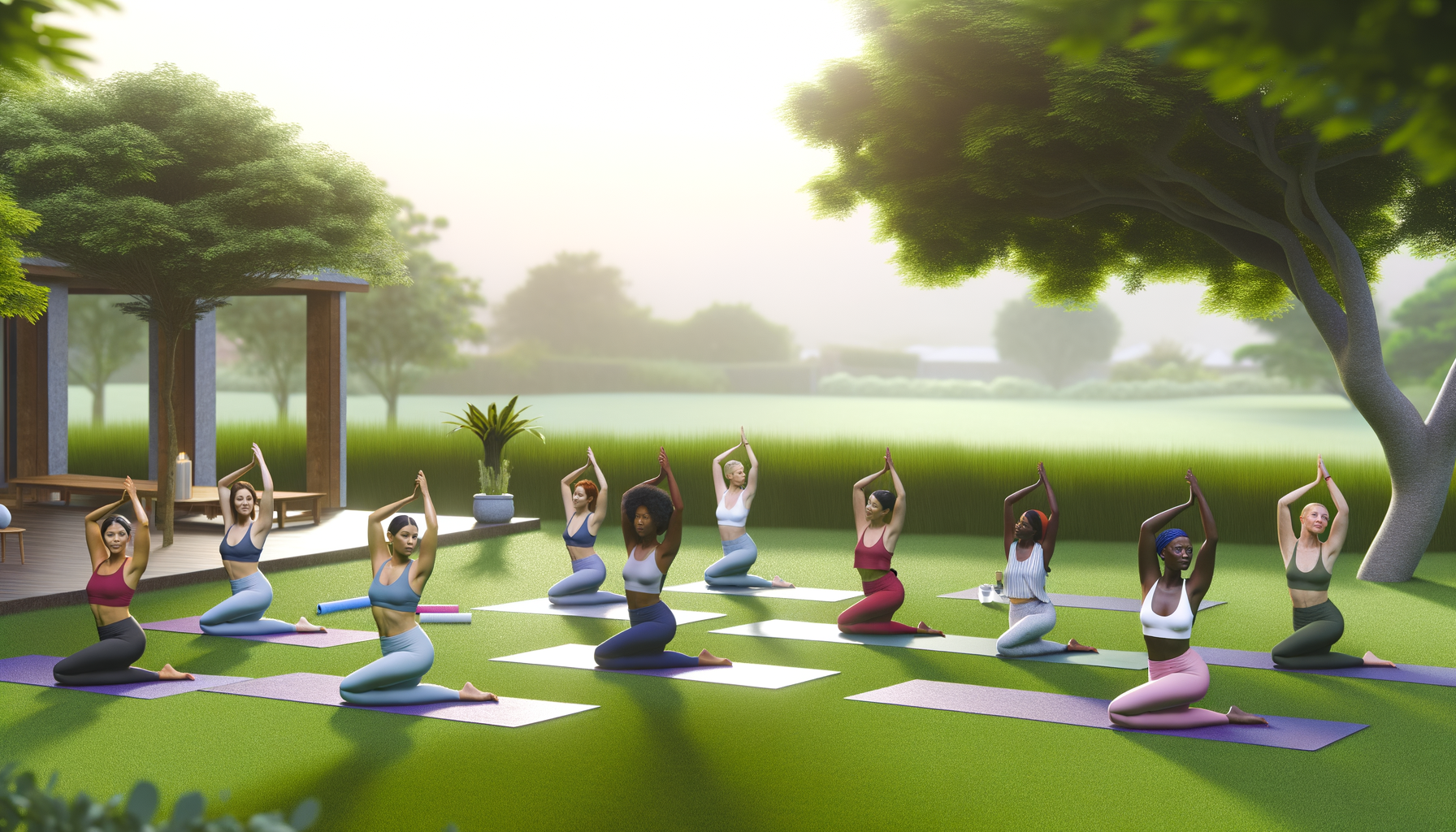
Group yoga sessions amplify the practice’s benefits through the power of collective energy. When individuals come together to move, breathe, and meditate in unison, there is a palpable energy that can enhance one’s personal experience. This synergy not only elevates the individual’s practice but also creates a ripple effect, contributing to the overall well-being of the community. The shared vibrations of a group practice can lead to deeper connections, heightened awareness, and a reinforced sense of purpose.

Yoga’s Teachings on Love and Relationships

At its core, yoga is about union and connection—not just with oneself, but also with others. The teachings of yoga offer profound insights into love and relationships, advocating for unconditional love, respect, and non-attachment. These principles encourage us to engage in relationships that are nurturing and free from ego-driven desires. Yoga guides us to love without possession, to relate without imposing conditions, and to honor the divine essence within every individual. By applying these teachings, we can cultivate healthier, more fulfilling relationships that reflect the true spirit of yoga.

Incorporating the ancient wisdom of yoga into our communal interactions enriches not only our own lives but also the fabric of society. As we practice yoga together, we build bridges of understanding and create a supportive network that extends beyond the confines of the yoga studio. In essence, yoga in the community is about forging connections that are rooted in mindfulness, compassion, and the shared pursuit of a harmonious life.

Integrating Yoga into Everyday Life

Practical Tips for Establishing a Daily Yoga Routine

Creating a daily yoga routine can seem daunting, but with a few practical steps, it can become an integral part of your life. Start by setting a specific time each day for your practice, whether it’s in the morning to energize your day or in the evening to unwind. Keep your yoga gear accessible and designate a peaceful spot in your home where you can practice undisturbed. Begin with short sessions, even just 10-15 minutes, and gradually increase the duration as you become more comfortable. Remember, consistency is key, so aim to practice at the same time each day to establish a rhythm.

Mindful Eating and Living Inspired by Yoga

Yoga teaches us to be present and mindful in all aspects of life, including eating. Adopt a yogic approach to food by eating slowly, savoring each bite, and listening to your body’s hunger cues. Choose nourishing foods that align with the yogic principle of Ahimsa, or non-harm, by opting for a diet that is kind to your body and the environment. Extend mindfulness to other areas of your life by being fully present in your interactions, reducing digital distractions, and engaging in activities that nourish your soul.

The Importance of Continual Learning and Practice

Yoga is a lifelong journey, and there is always more to learn. Embrace the student mindset by seeking out new yoga styles, attending workshops, or reading texts on yoga philosophy. Continual learning keeps your practice fresh and inspiring. It also helps deepen your understanding of yoga’s principles and how they apply to modern life. As you grow in your practice, you’ll find that the lessons of yoga extend far beyond the mat.

Embracing Change with Equanimity Through Yoga

One of the most profound lessons yoga offers is the ability to face change with equanimity. Use your practice to cultivate a sense of inner stability, even when external circumstances are in flux. Asanas that require balance and focus can help you find your center amidst life’s ups and downs. Meditation and breathwork can also provide a calm harbor in the storm of change. By applying these principles off the mat, you can approach life’s inevitable changes with grace and poise.

Filed Under: Features

Inner Universe: Nurturing Your Connection with the Higher Self

May 6, 2024 By

Introduction to the Higher Self

Understanding the Concept of the Higher Self

The notion of the Higher Self transcends the everyday consciousness that we are accustomed to. It is not merely an abstract spiritual concept but a profound aspect of our being. The Higher Self is the embodiment of our soul consciousness, unlimited and eternal, offering guidance, inspiration, and insight. It is the part of us that knows our deepest intentions, desires, and secrets, yet often remains a quiet whisper in the background of our busy lives. To understand the Higher Self is to recognize it as our multi-life spirit personality, distinct from our current life human personality, providing us with a higher perspective and a direct connection to the spiritual realm.

The Importance of Connecting with Your Inner Universe

Why should we strive to connect with our Higher Self? The answer lies in the innumerable benefits that this connection brings to our lives. By aligning with our Higher Self, we find that our lives gain meaning and purpose, regardless of external circumstances. We begin to perceive challenges as opportunities for growth and learning. This connection empowers us to co-create with life, infusing our daily existence with a sense of magic and support. It is a paradoxical truth that while we are always united with our Higher Self, the physical experience can create an illusion of separation. Bridging this perceived gap is essential for living a life that is both meaningful and fulfilling.

The Role of the Higher Self in Personal Growth

Personal growth is an ongoing journey of becoming more aligned with our true essence. The Higher Self plays a pivotal role in this process by serving as an internal compass, guiding us towards our highest potential. It encourages us to live authentically, make decisions that resonate with our core values, and embrace our life’s purpose. As we nurture our connection with the Higher Self, we develop a deeper understanding of ourselves and our place in the universe. This connection fosters a sense of inner strength and resilience, allowing us to navigate life’s challenges with grace and wisdom.

In summary, the Higher Self is not a distant or inaccessible force; it is an integral part of who we are. By cultivating a relationship with this profound aspect of our being, we unlock the door to a richer, more harmonious life. The journey to connect with the Higher Self is one of self-discovery, transformation, and ultimately, a homecoming to the truest version of ourselves.

Foundations of Self-Connection

Mindfulness: The Gateway to Inner Awareness

Mindfulness is the practice of being fully present and engaged in the moment, aware of our thoughts and feelings without judgment. It is the cornerstone of self-connection, acting as a gateway to inner awareness. By cultivating mindfulness, we can observe our internal landscape with clarity and compassion, allowing us to connect with our higher self. This connection is not about reaching a destination but about embracing the journey of continuous discovery and presence.

Intuition: Listening to Your Inner Voice

Intuition is often described as the subtle voice within that guides us towards our true path. It is a critical aspect of our higher self, providing insight beyond our conscious understanding. To nurture this connection, we must create space for silence and listen attentively. Trusting our intuition can lead us to make choices that resonate deeply with our core being, steering us towards fulfillment and alignment with our higher purpose.

Authenticity: Being True to Your Inner Self

Authenticity involves honoring our true nature and expressing ourselves genuinely. It requires courage to shed societal masks and embrace our vulnerabilities. By being authentic, we align our actions with our inner values and beliefs, strengthening our connection with the higher self. This alignment fosters a life of integrity, where our external reality reflects our inner universe.

Self-Reflection: Understanding Your Inner World

Self-reflection is the practice of introspection, examining our thoughts, emotions, and behaviors. It is a powerful tool for understanding our inner world and the patterns that govern our lives. Through self-reflection, we gain insight into our higher self’s desires and the obstacles that hinder our spiritual growth. This understanding enables us to make conscious changes, evolve, and deepen our connection with our inner universe.

In conclusion, the foundations of self-connection are built upon practices that foster awareness, intuition, authenticity, and self-reflection. These practices are not just exercises but ways of being that, when integrated into our daily lives, can transform our relationship with ourselves and the world around us. By nurturing these foundations, we open the door to a profound journey of self-discovery and connection with the higher self.

Practices to Nurture Your Higher Self

Meditation Techniques for Inner Harmony

Meditation is a cornerstone practice for those seeking to connect with their higher self. It serves as a bridge between the conscious mind and the deeper layers of awareness. To achieve inner harmony, one can explore various meditation techniques such as:

  • Guided Meditation: Utilize recordings or attend sessions where a guide leads you through a visualization or journey to connect with your higher self.
  • Mantra Meditation: Repeat a sacred word or phrase to focus the mind and align with the vibrational essence of your higher self.
  • Silent Meditation: Sit in stillness, observing thoughts as they arise and return to a point of focus, such as the breath, to cultivate inner peace.

Regular meditation practice helps to quiet the mind, allowing for a clearer connection with the higher self and fostering a sense of tranquility that permeates daily life.

Journaling for Self-Discovery and Clarity

Journaling is a powerful tool for self-reflection and clarity. It involves writing down thoughts, feelings, and experiences, which can reveal insights into your inner world. To enhance your connection with your higher self through journaling:

  • Set aside dedicated time: Choose a quiet moment each day to write without interruption.
  • Ask probing questions: Inquire about your life’s purpose, challenges, and desires to uncover guidance from your higher self.
  • Reflect on your entries: Look for patterns or messages that may emerge over time, indicating the voice of your higher self.

Journaling not only provides clarity but also serves as a record of your spiritual journey, marking the growth and evolution of your connection with your higher self.

Creative Expression as a Path to the Inner Self

Creative expression is a liberating way to explore and communicate with your higher self. Whether through painting, writing, music, or dance, creativity allows you to:

  • Bypass the rational mind: Engage in activities that flow naturally, without overthinking, to tap into your intuitive wisdom.
  • Manifest inner feelings: Use your chosen art form to bring your inner experiences into the physical world.
  • Heal and release: Creative practices can be therapeutic, helping to process emotions and align with your higher self.

By regularly engaging in creative activities, you nurture a deep and meaningful relationship with your inner universe.

Nature and Solitude: Reconnecting with Your Core

Nature and solitude are essential for those seeking to strengthen their connection with their higher self. Immersing yourself in the natural world and spending time alone can:

  • Facilitate introspection: The quiet and beauty of nature provide the perfect backdrop for contemplation and self-discovery.
  • Restore balance: Natural settings can help recalibrate your energy and bring you into alignment with your higher self.
  • Encourage presence: Being alone in nature prompts mindfulness, a state where communication with your higher self is more accessible.

Make it a habit to seek out peaceful natural environments and cherish moments of solitude to foster a profound connection with your higher self.

By incorporating these practices into your life, you create a fertile ground for your higher self to flourish. Each technique offers a unique pathway to deepen your inner connection, leading to a more harmonious and enlightened existence.

Overcoming Obstacles to Inner Connection

Identifying and Releasing Limiting Beliefs

Our journey towards inner connection is often hindered by deeply ingrained limiting beliefs. These are the negative assumptions we hold about ourselves, others, and the world that constrain our potential. To nurture our connection with the Higher Self, we must first identify these beliefs through self-reflection and mindfulness. Once recognized, we can challenge and replace them with empowering beliefs that support our growth and align with our true essence.

Managing Emotional Blockages and Healing

Emotional blockages can act as barriers to accessing our Higher Self. These blockages are often the result of unresolved traumas, fears, or past experiences. Healing begins with acknowledging these emotions and allowing ourselves to feel them fully. Techniques such as meditation, breathwork, and therapy can facilitate this healing process. As we release these blockages, we open the pathway to a deeper connection with our inner universe.

Cultivating Patience and Compassion Towards Self

The path to inner connection is not linear and requires patience and self-compassion. It’s essential to understand that personal growth takes time and that setbacks are part of the journey. By treating ourselves with kindness and understanding, we create a nurturing environment for our Higher Self to flourish. Remember, every step forward is progress, and self-compassion is a vital component of sustainable growth.

Dealing with External Distractions and Pressures

In today’s fast-paced world, external distractions and societal pressures can easily disconnect us from our inner selves. To maintain our connection with the Higher Self, we must set boundaries and prioritize our spiritual practices. This might involve digital detoxes, spending time in nature, or simply saying no to commitments that don’t serve our highest good. By minimizing these distractions, we can focus more on our inner growth and maintain our spiritual alignment.

The Role of Relationships in Spiritual Growth

Building Supportive and Nurturing Relationships

Our journey towards spiritual growth is profoundly influenced by the relationships we cultivate. Supportive and nurturing relationships act as a mirror, reflecting our true selves and encouraging us to connect more deeply with our higher self. These relationships provide a safe space for vulnerability, where we can share our spiritual aspirations and receive encouragement. To foster such connections, we must seek out individuals who resonate with our values and who inspire us to evolve. These relationships often come in the form of mentors, friends, or spiritual companions who genuinely understand and support our quest for inner awakening.

Setting Boundaries for Personal Space and Growth

While relationships are essential for spiritual growth, it is equally important to establish boundaries that protect our personal space and foster growth. Boundaries allow us to say no to situations that drain our energy and distract us from our spiritual path. They help us to honor our needs for solitude and reflection, which are crucial for connecting with our higher self. By clearly communicating our boundaries, we create the necessary room for self-care and introspection, ensuring that our relationships contribute positively to our spiritual journey.

Learning from Interpersonal Dynamics

Every interaction offers a unique opportunity to learn about ourselves. The dynamics of our relationships often highlight areas within us that need attention or healing. For instance, conflicts can reveal unresolved emotions or beliefs that are misaligned with our higher self. By observing and reflecting on these dynamics, we can gain insights into our inner world and work towards resolving these issues. This process of learning and growing through our relationships is a vital component of spiritual development.

The Interplay Between Inner and Outer Worlds

The state of our inner universe is often reflected in our outer relationships. When we are in harmony with our higher self, our external connections tend to be more peaceful and fulfilling. Conversely, inner turmoil can manifest as discord in our relationships. Recognizing this interplay encourages us to cultivate inner peace and balance, knowing that these qualities will naturally extend to our interactions with others. By nurturing our connection with the higher self, we contribute to healthier, more compassionate relationships that support our collective spiritual growth.

In conclusion, relationships play a pivotal role in our spiritual journey. They can either propel us forward or hold us back. It is through supportive connections, healthy boundaries, learning from our interactions, and understanding the reflection of our inner state in our outer world that we can truly nurture our spiritual growth and deepen our connection with the higher self.

Integrating the Higher Self into Daily Life

Making Mindful Choices Aligned with Your True Self

Integrating your higher self into daily life begins with making mindful choices that resonate with your true essence. This requires a deep understanding of your values, beliefs, and desires. Each decision, no matter how small, is an opportunity to align with your higher self. Start by asking yourself if your choices reflect who you truly are and who you aspire to be. This practice of self-inquiry not only fosters authenticity but also ensures that your actions are in harmony with your inner universe.

Balancing Material Goals with Spiritual Aspirations

While material goals can provide a sense of security and accomplishment, they must be balanced with spiritual aspirations to achieve true fulfillment. To integrate your higher self into daily life, strive for equilibrium between the material and the spiritual. This balance is not about renouncing material success but about ensuring that your pursuits do not overshadow the growth of your soul. Reflect on how your material goals can serve your spiritual growth and how your spiritual values can guide your material endeavors.

The Impact of Daily Rituals on Inner Connection

Daily rituals are powerful tools for maintaining a connection with your higher self. These can be simple practices like meditation, journaling, or spending time in nature. The key is consistency and intentionality. By establishing rituals that promote inner peace and self-reflection, you create sacred moments in your day to commune with your higher self. Over time, these rituals become the threads that weave your spiritual practice into the fabric of your everyday life.

Embracing Change and Growth as a Constant

Embracing change is essential for personal evolution and for maintaining a dynamic connection with your higher self. Your higher self is not static; it is ever-evolving, just as you are. Recognize that change is not only inevitable but also beneficial for your growth. Stay open to new experiences and perspectives, as they are opportunities to learn and expand. By viewing change as a constant companion on your journey, you allow your higher self to guide you through life’s transitions with grace and wisdom.

Integrating your higher self into daily life is a practice of mindful living that requires awareness, balance, and a commitment to personal growth. By making choices aligned with your true self, balancing your material and spiritual aspirations, establishing daily rituals, and embracing change, you nurture a deep and lasting connection with the most authentic part of you. This integration is a journey of continuous self-discovery, where each step brings you closer to living a life that is a true reflection of your inner universe.

Continuing the Journey: Lifelong Learning and Evolution

The Importance of Continuous Self-Exploration

Embarking on a spiritual journey is akin to setting sail on an infinite ocean of self-discovery. Continuous self-exploration is the compass that guides us through the ever-changing waters of life. It is through this relentless pursuit of self-knowledge that we uncover the layers of our being and connect with our higher self. By questioning our beliefs, embracing our vulnerabilities, and celebrating our strengths, we foster a deeper understanding of who we are and who we aspire to be. This ongoing process of introspection ensures that we remain aligned with our true essence, even as we evolve.

Adapting to Life’s Phases and Transitions

Life is a mosaic of phases and transitions, each with its own set of challenges and opportunities. Adapting to these changes is crucial for maintaining our inner harmony and spiritual growth. Whether we’re navigating the tumultuous waters of adolescence, the transformative tides of adulthood, or the reflective currents of our later years, each phase offers unique lessons that contribute to our spiritual evolution. Embracing change with grace and resilience allows us to flow with life’s natural rhythm, turning each transition into a stepping stone towards enlightenment.

Seeking Knowledge and Experiences for Expansion

Our inner universe expands with every new piece of knowledge and every experience we encounter. Seeking out diverse perspectives, engaging with different cultures, and stepping outside our comfort zones are all ways in which we can broaden our horizons. Whether it’s through reading, travel, or simply engaging in meaningful conversations, these experiences enrich our understanding of the world and our place within it. They challenge us to think critically, empathize deeply, and live more fully, thus nurturing our connection with the higher self.

Fostering a Community of Like-Minded Individuals

While the journey within is deeply personal, it need not be solitary. Fostering a community of like-minded individuals can provide support, inspiration, and a sense of belonging. These connections can act as mirrors, reflecting our shared humanity and the collective wisdom that comes from walking a spiritual path. Through dialogue, collaboration, and shared experiences, we can learn from one another and grow together. A community rooted in spiritual growth cultivates an environment where each member can thrive and contribute to the collective evolution.

In conclusion, the journey of lifelong learning and evolution is an integral part of nurturing our connection with the higher self. It is a dynamic process that encourages us to remain curious, adaptable, and open-hearted. By committing to continuous self-exploration, gracefully adapting to life’s changes, seeking expansive knowledge and experiences, and fostering a supportive community, we pave the way for a fulfilling spiritual odyssey that lasts a lifetime.

Filed Under: Features

Uncovering Your Support Network: A Woman’s Guide to Community Engagement

May 5, 2024 By

Introduction to Community Engagement

Defining Community Engagement

Community engagement refers to the process by which individuals and organizations connect with their local, professional, or interest-based communities. It involves actively participating in initiatives, discussions, and activities that aim to improve the collective well-being or address specific issues within a community. Engagement can take many forms, from attending town hall meetings and joining local clubs to participating in online forums and volunteering for non-profit organizations.

Importance of a Support Network for Women

For women, a robust support network is crucial. It provides a foundation of emotional, social, and sometimes financial assistance that can empower women to overcome personal and professional challenges. Support networks can offer guidance, mentorship, and opportunities for collaboration, which are particularly valuable for women navigating career paths or balancing multiple roles in their personal lives.

Benefits of Community Involvement

Being involved in a community brings numerous benefits. It can lead to personal growth, such as the development of new skills or increased self-confidence. Community involvement also fosters a sense of belonging and purpose, as individuals contribute to the greater good and form meaningful connections with others. Additionally, it can provide access to resources and information that may not be available elsewhere, and can even influence public policy and change when communities rally around a cause.

Challenges Women Face in Community Engagement

Despite the benefits, women often encounter unique challenges in community engagement. These can include time constraints due to family responsibilities, social anxiety, or feeling unwelcome in male-dominated spaces. Women may also face gender biases that undermine their contributions or limit their access to leadership roles. Overcoming these barriers is essential for women to fully participate and benefit from community engagement.

Identifying Your Personal Interests and Goals

Self-Assessment for Community Engagement

Before diving into community engagement, it’s essential to conduct a self-assessment to understand what you hope to achieve and what you can offer. Start by asking yourself questions about your passions, skills, and what issues resonate with you. Reflect on past experiences that brought you joy and fulfillment. Consider the causes that stir your heart, whether it’s supporting women’s rights, environmental conservation, or education. Recognize your strengths and skills, as these can guide you towards roles where you can make the most impact. It’s also important to acknowledge your limitations, as this will help you set realistic expectations for your community involvement.

Aligning Interests with Community Activities

Once you’ve identified your interests and skills, the next step is to align them with community activities. Research local organizations, groups, and events that align with your passions. If you’re drawn to education, consider volunteering at schools, libraries, or after-school programs. For those interested in the environment, look for local conservation projects or sustainability initiatives. The key is to find a cause that not only benefits from your involvement but also enriches your life and aligns with your personal values.

Setting Achievable Goals

With a clear understanding of your interests and the community needs, set achievable goals for your engagement. Start small; you might choose to volunteer a few hours each month or lead a short-term project. Setting SMART (Specific, Measurable, Achievable, Relevant, Time-bound) goals can help you stay focused and motivated. For example, if you aim to improve literacy, a SMART goal could be to volunteer for a reading program once a week for the next three months. As you gain experience and confidence, you can adjust your goals to take on more significant challenges or leadership roles within the community.

Remember, community engagement is a journey that evolves with your life’s changes. Regularly reassess your interests and goals to ensure they remain aligned with your personal growth and the shifting dynamics of the community you serve. By doing so, you’ll maintain a fulfilling and impactful engagement that benefits both you and those around you.

Exploring Different Types of Communities

Engaging with a supportive community can be a transformative experience for women, offering a sense of belonging, shared purpose, and mutual support. As we delve into the various types of communities available, it’s important to consider which align with your personal interests and goals. Here, we explore four key community types that can serve as a cornerstone for your support network.

Local Community Groups and Organizations

Local community groups and organizations are often the first port of call when seeking a support network. These can range from neighborhood associations to special interest clubs. Engaging with these groups provides the opportunity to connect with individuals who share your geographical location and, potentially, your interests. To find local groups:

  • Visit community centers or libraries for information on local clubs and events.
  • Check out bulletin boards in local businesses or online community calendars.
  • Attend local events, fairs, and farmers’ markets to network with residents and learn about ongoing community projects.

Professional Networks and Associations

For career-oriented support, professional networks and associations offer a platform to connect with peers within your industry. These networks can provide mentorship, career advice, and professional development opportunities. To engage with professional networks:

  • Join industry-specific associations or groups, which often host events, workshops, and seminars.
  • Participate in networking events and conferences to meet like-minded professionals.
  • Utilize LinkedIn and other professional social media platforms to connect with industry leaders and peers.

Online Communities and Forums

The digital age has made it possible to find support and camaraderie online, transcending geographical boundaries. Online communities and forums cater to a vast array of interests and can provide immediate access to advice, information, and support. To engage with online communities:

  • Search for forums and social media groups that align with your interests or needs.
  • Participate actively in discussions, offering your insights and seeking advice when needed.
  • Be mindful of online etiquette and the community’s rules to foster positive interactions.

Volunteer Organizations and Nonprofits

Volunteering with organizations and nonprofits can be incredibly fulfilling, offering a sense of purpose and the opportunity to give back to the community. These experiences can also lead to strong bonds with fellow volunteers and community members. To get involved:

  • Identify causes that you are passionate about and seek out organizations that support those causes.
  • Offer your skills and time to projects that align with your values and can benefit from your expertise.
  • Attend volunteer training sessions and events to meet others who are also committed to making a difference.

In conclusion, whether you’re drawn to the familiarity of local groups, the ambition of professional networks, the convenience of online forums, or the altruism of volunteer organizations, there is a community out there for every woman seeking engagement. By exploring these options and finding the right fit, you can build a robust support network that empowers and uplifts you.

Building and Nurturing Relationships

Effective Communication Skills

At the heart of any strong relationship is the ability to communicate effectively. For women engaging with their community, this means not only expressing ideas clearly but also actively listening to others. Effective communication involves empathy, understanding, and the ability to convey thoughts and feelings without misunderstanding. It’s about being assertive, yet respectful and open to feedback. To enhance these skills, one can practice active listening, participate in workshops, or even join public speaking groups to gain confidence and clarity in communication.

The Art of Networking

Networking is an art that can be refined with practice and intention. It’s about creating a web of contacts who provide mutual support and information. For women, networking can open doors to new opportunities and insights. It’s important to attend community events, join clubs or groups that align with personal interests, and engage in conversations on social media platforms. Remember, networking isn’t just about what you can gain, but also what you can offer to others, creating a balanced exchange of value.

Creating Meaningful Connections

While networking can increase the quantity of connections, it’s the quality that often matters more. Creating meaningful connections means building relationships that are both supportive and enriching. This involves being genuine, showing interest in others, and forming bonds over shared experiences and values. Women can foster these connections by volunteering, mentoring, or simply reaching out to someone in need of support. These deeper relationships can lead to a stronger, more resilient support network.

Maintaining Long-Term Relationships

Maintaining long-term relationships requires effort and commitment. It’s about staying in touch, showing appreciation, and being there for others through the ups and downs. Regular communication, whether through social gatherings, phone calls, or digital messages, keeps the relationship alive. Celebrating successes, offering help during challenging times, and sharing experiences can all contribute to lasting bonds. It’s also important to be understanding and forgiving, recognizing that everyone has flaws and that relationships can grow stronger through overcoming challenges together.

Building and nurturing relationships within a community is a dynamic and ongoing process. By developing effective communication skills, mastering the art of networking, creating meaningful connections, and maintaining long-term relationships, women can uncover and engage with a support network that empowers both individual and collective growth.

Overcoming Barriers to Engagement

Time Management Strategies

One of the most common barriers to community engagement for women is time. Balancing work, family, and personal responsibilities can leave little room for community involvement. To overcome this, effective time management strategies are essential. Start by auditing how you spend your time to identify any areas where you can make adjustments. Prioritize tasks and consider delegating when possible. Set aside specific times each week for community activities, treating them as fixed appointments. Utilize tools such as calendars, apps, or planners to keep track of commitments and avoid over-scheduling.

Dealing with Social Anxiety

Engaging with a community can be daunting, especially for those who experience social anxiety. To address this, begin with small, manageable steps. Attend events with a friend or colleague, or start by participating in online forums to build confidence. Preparation can also alleviate anxiety; research the event or group beforehand, and prepare some talking points. Remember that it’s okay to be a listener until you feel more comfortable contributing. Practice self-care and seek support from mental health professionals if needed.

Navigating Gender Biases

Gender biases can create significant barriers to engagement. Women often face stereotypes and unequal treatment within community groups. To navigate these biases, assert your competence and expertise. Seek out allies who support gender equality and can advocate for you. Don’t be afraid to speak up and share your ideas confidently. It’s also beneficial to join or form networks that empower women, providing a platform to address and dismantle gender biases collectively.

Accessing Resources for Support

Access to resources can greatly influence a woman’s ability to engage with her community. Identify local and online resources that can provide support, such as SAMHSA for mental health or professional associations for career development. Libraries, community centers, and women’s organizations often offer free or low-cost workshops, networking events, and seminars. Don’t hesitate to reach out to these organizations for assistance or to inquire about opportunities for involvement. Remember, seeking support is a sign of strength, not weakness.

Leveraging Community for Personal Growth

Learning and Skill Development

Engaging with a community provides a fertile ground for personal development and skill enhancement. Through workshops, events, and group activities, women can acquire new competencies that are both personally enriching and professionally advantageous. For instance, participating in a local community garden can teach valuable lessons in sustainability and horticulture, while joining a coding workshop can open doors to technological fluency. The key is to seek out community offerings that align with personal growth objectives and to approach them with a mindset of continuous learning.

Mentorship and Support Systems

Mentorship is a powerful aspect of community engagement that can significantly impact a woman’s career trajectory and self-confidence. By connecting with mentors within professional networks or associations, women gain access to guidance, expertise, and encouragement. These relationships can evolve into robust support systems that not only foster career advancement but also provide emotional backing during challenging times. It’s essential to actively seek out mentors and be open to both offering and receiving support within these networks.

Empowerment through Community Service

Community service is a profound way to empower oneself while contributing to the welfare of others. Volunteering for causes that resonate with personal values can lead to a heightened sense of purpose and agency. Women who engage in community service often find themselves in leadership roles, advocating for change and inspiring others. This empowerment can translate into other areas of life, creating a ripple effect of positive change and self-efficacy.

Spiritual and Emotional Well-being

The spiritual and emotional benefits of community engagement are as significant as the practical ones. Being part of a community can provide a sense of belonging and reduce feelings of isolation. For many women, involvement in spiritual or faith-based communities offers solace and a space for reflection. Similarly, communities centered around shared experiences, such as support groups, can be instrumental in navigating life’s challenges. The key is to find communities that resonate on a deeper level and contribute to one’s overall well-being and happiness.

Ultimately, leveraging community for personal growth involves a proactive approach to seeking opportunities that align with one’s goals and values. It requires a willingness to step out of comfort zones, engage authentically with others, and embrace the journey of self-improvement. By doing so, women can enrich their lives and the lives of those around them, creating a vibrant, supportive network that thrives on mutual growth and empowerment.

Action Plan for Community Engagement

Creating a Step-by-Step Plan

Embarking on community engagement begins with a structured plan. Start by identifying your objectives and the communities you wish to engage with. Next, research to understand the needs and dynamics of these communities. Then, outline the steps you will take to get involved, whether it’s attending meetings, volunteering, or starting a new initiative. Include timelines for each step to keep yourself accountable, and be prepared to adapt your plan as you learn more about the community and your role within it.

Setting Realistic Expectations

It’s important to set expectations that reflect your time, resources, and capabilities. Be realistic about the level of commitment you can make and the impact you can have. Remember that community engagement is often a gradual process, and change doesn’t happen overnight. Celebrate small victories along the way, and don’t be discouraged by setbacks. They are an opportunity to learn and grow.

Measuring Progress and Success

Define what success looks like for your community engagement efforts. This could be measured by the number of events attended, connections made, or projects completed. Keep track of your activities and reflect on how they align with your goals. Solicit feedback from community members and peers to gauge the effectiveness of your involvement and to identify areas for improvement.

Adjusting Your Approach as Needed

As you delve deeper into community engagement, you may find that certain approaches are more effective than others, or that community needs have evolved. Be willing to reassess and adjust your plan accordingly. This might mean shifting your focus, learning new skills, or seeking out additional resources. Stay flexible and open-minded, and remember that the most successful community engagement is responsive to the community’s changing landscape.

Filed Under: Features

The Time-Rich Self-Care Guide: Making the Most of Your Leisure Hours

May 5, 2024 By

Introduction to Self-Care and Leisure Time

Understanding Self-Care

Self-care is the practice of taking an active role in protecting one’s own well-being and happiness, particularly during periods of stress. It encompasses a broad range of activities and practices that individuals engage in to promote physical, mental, and emotional health. Self-care is not a one-size-fits-all prescription; it is a personal and evolving process of understanding what we need to function at our best.

The Importance of Leisure Time for Well-being

Leisure time is essential for our well-being. It provides an opportunity to relax, decompress, and engage in activities that bring us joy and satisfaction. Leisure activities can include hobbies, sports, socializing, or simply taking a moment to breathe and be present. The benefits of leisure time are well-documented, including reduced stress, improved mental health, enhanced creativity, and better physical health.

Challenges in Finding Time for Self-Care

Despite its importance, many people find it challenging to make time for self-care. Busy schedules, work demands, family responsibilities, and social commitments can quickly fill up our calendars, leaving little room for personal downtime. Additionally, societal pressures and guilt can often make us feel selfish for prioritizing self-care. Overcoming these challenges requires intentionality and a commitment to placing our well-being on the agenda.

The Objective of the Time-Rich Self-Care Guide

The objective of this guide is to empower you to make the most of your leisure hours by identifying and embracing self-care practices that resonate with you. Whether you have fifteen minutes or several hours, this guide will provide you with strategies and ideas to enrich your life with self-care activities that fit into your schedule. By becoming more mindful of how we spend our leisure time, we can transform these moments into opportunities for personal growth and happiness.

Assessing Your Leisure Time

Identifying Time-Wasters

Before we can indulge in self-care, we must first identify the activities that sap our time without providing any real benefit. Time-wasters are the activities that lure us into procrastination or mindless engagement, such as endlessly scrolling through social media, binge-watching TV series, or engaging in tasks that could be delegated or streamlined. Recognizing these habits is the first step towards reclaiming our leisure hours for more fulfilling self-care practices.

Tools for Tracking Your Time

To effectively manage our leisure time, we need to understand how we’re currently spending it. Various tools can assist in this endeavor, from simple journaling to sophisticated apps. Time-tracking apps like Toggl or RescueTime can provide insights into our daily routines, highlighting areas where we can carve out time for self-care. These tools help us to become more mindful of our habits and encourage us to make intentional choices about how we spend our free time.

Setting Realistic Self-Care Goals

With a clearer picture of our available leisure time, we can set realistic self-care goals that align with our lifestyles and values. These goals should be specific, measurable, achievable, relevant, and time-bound (SMART). Whether it’s dedicating 30 minutes a day to meditation, joining a weekly dance class, or preparing a healthy meal three times a week, our goals should inspire us without becoming another source of stress.

Creating a Personalized Leisure Time Audit

Conducting a personalized leisure time audit involves a thorough examination of how we spend our non-working hours. This process entails listing all our activities, estimating the time spent on each, and evaluating their impact on our well-being. By doing so, we can identify patterns and make informed decisions about which activities to keep, which to reduce, and which new self-care practices to incorporate. The audit empowers us to make the most of our leisure time, transforming it into a rich resource for personal growth and rejuvenation.

In conclusion, assessing our leisure time is a critical step in the journey towards effective self-care. By identifying time-wasters, utilizing tracking tools, setting realistic goals, and conducting a leisure time audit, we can create a self-care routine that not only fits into our busy lives but also enhances our overall well-being.

Mindful Self-Care Practices

Mindfulness and Meditation Techniques

Mindfulness and meditation are cornerstones of self-care, offering a respite from the chaos of everyday life. These practices help us cultivate a state of awareness and presence, allowing us to experience the moment without judgment. Mindful breathing is a simple yet effective technique; by focusing on the breath, we can anchor ourselves in the present and calm the mind. Body scan meditation is another technique that promotes relaxation by bringing attention to different parts of the body and releasing tension. Regular practice can lead to reduced stress and improved emotional well-being.

Journaling for Self-Discovery

Journaling is a powerful tool for self-discovery and reflection. It provides an outlet for expressing thoughts and emotions, which can be therapeutic and enlightening. Whether you prefer a traditional pen-and-paper approach or a digital journal, the act of writing can help clarify your thoughts and feelings. Consider setting aside a few minutes each day to write, focusing on your experiences, aspirations, and areas of personal growth. This practice can enhance self-awareness and foster a deeper connection with oneself.

Gratitude as a Daily Practice

Integrating gratitude into daily life can shift our perspective to one of positivity and appreciation. Start or end your day by listing three things you’re grateful for, no matter how small. This habit can transform our outlook, helping us to recognize and cherish the good in our lives. Over time, gratitude can contribute to increased happiness and resilience against life’s challenges.

Digital Detox for Mental Clarity

In our hyper-connected world, it’s essential to take breaks from digital devices to maintain mental clarity. A digital detox involves setting aside time to disconnect from electronic devices and engage in offline activities. This can be as simple as turning off notifications for a few hours or as committed as spending an entire weekend tech-free. The goal is to reduce digital distractions, allowing for more meaningful engagement with the world around us and with our own thoughts and feelings.

By incorporating these mindful self-care practices into your routine, you can create a sanctuary of peace and self-compassion in your daily life. These practices are not just acts of self-love but also investments in your long-term well-being.

Physical Self-Care Activities

At-Home Yoga and Stretching Routines

Yoga and stretching are cornerstones of physical self-care that can be easily integrated into your daily routine. These practices not only enhance flexibility but also improve posture, reduce stress, and increase blood flow. At-home yoga allows for a personalized pace and environment, making it accessible for beginners and seasoned practitioners alike. Start with simple poses and gradually incorporate more complex asanas as you become more comfortable. Stretching routines can be done anytime, especially after long periods of sitting, to counteract stiffness and maintain muscle health. Remember, consistency is key, so aim to incorporate these practices into your daily schedule, even if it’s just for a few minutes.

Nature Walks and Outdoor Adventures

Immersing yourself in nature is a powerful way to rejuvenate the mind and body. Nature walks offer a dual benefit of exercise and exposure to fresh air and natural beauty. Whether it’s a leisurely stroll in a local park or a more vigorous hike in the wilderness, the act of walking in nature can help clear your mind and provide a sense of peace. For the more adventurous, outdoor activities such as kayaking, rock climbing, or cycling can also be invigorating ways to connect with the environment while getting a full-body workout.

Simple and Nutritious Meal Planning

Nutrition plays a critical role in self-care, and taking the time to plan and prepare simple, nutritious meals can have a profound impact on your overall health. Start by incorporating a variety of fruits, vegetables, whole grains, and lean proteins into your diet. Meal planning helps to avoid the temptation of unhealthy options and can be a fun way to explore new recipes and flavors. Consider batch cooking or using a slow cooker to save time, and remember that hydration is just as important, so keep a water bottle handy throughout the day.

Restorative Sleep Techniques

Quality sleep is essential for physical and mental recovery. To enhance your sleep, establish a restful bedtime routine that may include reading, a warm bath, or gentle stretching. Ensure your sleep environment is conducive to rest by keeping it dark, cool, and quiet. Limiting screen time before bed can also help signal to your body that it’s time to wind down. If you find your mind racing at night, consider journaling or meditation to calm your thoughts. Prioritizing restorative sleep is a fundamental aspect of physical self-care that can improve your overall well-being.

Cultivating Relationships and Community

Building Meaningful Connections

Building meaningful connections is a cornerstone of self-care. These connections provide emotional support, enhance our sense of belonging, and can improve our overall well-being. To foster these relationships, start by reaching out to friends and family regularly, whether through a simple text message, a phone call, or scheduling regular meet-ups. Engaging in shared activities, such as group fitness classes or book clubs, can also strengthen bonds. Remember, quality trumps quantity; focus on deepening a few close relationships rather than spreading yourself too thin.

Community Involvement and Volunteering

Community involvement and volunteering offer a unique blend of self-care and altruism. By contributing to a cause you believe in, you not only enrich your community but also gain a sense of purpose and fulfillment. Studies have shown that volunteering can reduce stress and anxiety, especially when the cause is meaningful to you. To get started, identify local organizations that align with your values and inquire about volunteer opportunities. Even small acts, such as participating in a neighborhood clean-up or donating to a local food bank, can make a significant impact.

Support Groups and Social Circles

Support groups and social circles provide a safe space to share experiences, seek advice, and find comfort among peers facing similar challenges. Whether it’s a group focused on a specific interest, a health-related support group, or a professional network, these communities can be instrumental in your self-care journey. To find a group that suits your needs, explore online platforms, community centers, or ask for recommendations from friends or healthcare providers. Engaging with these groups can help you feel understood and less isolated.

Balancing Alone Time with Social Interactions

While cultivating relationships is vital, balancing social interactions with alone time is equally important for self-care. Alone time allows for self-reflection, relaxation, and indulgence in personal interests without external pressures. Striking the right balance can be challenging, but it’s crucial for maintaining mental and emotional health. Listen to your needs and set boundaries when necessary. It’s okay to decline social invitations if you need to recharge. Conversely, if you find yourself feeling lonely, don’t hesitate to reach out and connect with others.

In conclusion, integrating self-care into your social life involves building meaningful connections, contributing to your community, participating in support groups, and finding the right balance between socializing and solitude. By doing so, you can enrich your life with supportive relationships and a sense of belonging, all while taking care of your personal well-being.

Creative and Educational Pursuits

Exploring Artistic Hobbies

Artistic hobbies offer a unique blend of self-expression and relaxation, providing a sanctuary from the hustle and bustle of daily life. Whether it’s painting, crafting, music, or writing, engaging in creative activities can be a therapeutic outlet, allowing for the exploration of personal passions and the development of new skills. The key is to choose an activity that resonates with you, setting aside dedicated time to immerse yourself in the creative process. This not only enriches your leisure hours but also contributes to a sense of accomplishment and personal growth.

Lifelong Learning Opportunities

The pursuit of knowledge doesn’t end with formal education. Lifelong learning opportunities abound, from local community classes to online platforms offering courses on a myriad of subjects. Embracing a mindset of continuous learning can lead to personal enrichment and keep the mind sharp. Whether it’s learning a new language, delving into history, or understanding the latest technological advancements, dedicating leisure time to education can be both fulfilling and intellectually stimulating.

Reading for Pleasure and Growth

Reading is a timeless leisure activity that offers both pleasure and cognitive benefits. It’s an accessible way to escape into different worlds, live vicariously through compelling narratives, and gain insights into diverse perspectives. Moreover, reading regularly can improve vocabulary, enhance empathy, and even reduce stress. To incorporate reading into your self-care routine, consider joining a book club or setting a reading goal that aligns with your interests and schedule.

Online Courses and Workshops

The digital age has made it easier than ever to access educational content from the comfort of your home. Online courses and workshops provide flexible learning opportunities that cater to a variety of interests and professional development needs. Platforms like Coursera, Udemy, and Skillshare offer courses taught by industry experts, allowing you to expand your knowledge base at your own pace. Whether you’re looking to advance your career or explore a new hobby, online learning can be a valuable addition to your self-care arsenal.

In conclusion, creative and educational pursuits are vital components of a well-rounded self-care routine. They offer a balance of enjoyment and personal development that can enhance the quality of your leisure time. By exploring artistic hobbies, engaging in lifelong learning, reading for enrichment, and taking advantage of online courses, you can create a fulfilling and growth-oriented leisure experience that contributes to your overall well-being.

Conclusion: Integrating Self-Care into Everyday Life

Maintaining Consistency in Self-Care

Consistency is the cornerstone of any successful self-care regimen. Integrating self-care into your daily life requires commitment and a proactive approach. Start by establishing a routine that includes activities that nourish your body, mind, and soul. Whether it’s a morning jog, meditation, or simply enjoying a cup of tea in silence, make these activities non-negotiable parts of your day. Remember, self-care isn’t a one-time affair but a continuous journey that keeps you at your best.

Overcoming Obstacles to Self-Care

Life’s unpredictability can often disrupt our self-care plans. Overcoming these obstacles starts with acknowledging that self-care is a priority, not a luxury. When faced with challenges, be flexible and adapt your self-care activities accordingly. If you can’t make it to the gym, try a home workout. If work demands are high, practice deep breathing exercises during short breaks. The key is to find alternative ways to maintain your self-care routine amidst life’s demands.

Celebrating Small Wins

Every step towards better self-care is an achievement worth celebrating. Acknowledge the small victories, like choosing a healthy meal over fast food or opting for a night of restful sleep instead of late-night screen time. These small wins contribute to a larger picture of improved well-being and deserve recognition. Celebrating these moments can boost your motivation and reinforce the importance of self-care in your life.

Continuous Self-Care and Personal Growth

Self-care is intrinsically linked to personal growth. As you continue to invest in self-care, you’ll notice improvements in various aspects of your life, from enhanced focus and productivity to stronger relationships and increased resilience. Embrace self-care as a lifelong commitment to yourself. Stay curious, explore new self-care practices, and be open to evolving your routine as you grow. Your future self will thank you for the care and attention you invest today.

In conclusion, integrating self-care into everyday life is a dynamic process that requires consistency, adaptability, and a celebration of progress. By prioritizing self-care, you set the foundation for a fulfilling life, marked by personal growth and well-being. Let self-care be the compass that guides you through the complexities of life, ensuring that no matter what comes your way, you have the tools and practices to navigate it with grace and resilience.

Filed Under: Features

The Joy of Giving: How Contributing to Your Community Enriches Your Life

May 5, 2024 By

Introduction

Understanding the Joy of Giving

The act of giving, a gesture as simple as it is profound, has the power to transform both the giver and the receiver. It is an expression of empathy, a bridge that connects disparate lives, and a testament to our shared humanity. The joy of giving stems from the realization that we can make a tangible difference in the world, one act of kindness at a time. This joy is not just a fleeting emotion but a profound experience that can lead to lasting happiness and satisfaction.

The Interconnectedness of Giving and Personal Fulfillment

Personal fulfillment and giving are deeply intertwined. As we extend ourselves to help others, we often find that our own lives are enriched in unexpected ways. This symbiotic relationship is supported by psychological research, which suggests that the act of giving can create a positive feedback loop in our brains, leading to increased happiness and well-being. The fulfillment we gain from giving is not just a byproduct but a core component of the experience, reinforcing our actions and encouraging us to continue contributing to the greater good.

Overview of Community Contribution

Community contribution takes many forms, from volunteering at local shelters to participating in neighborhood clean-ups. It’s about leveraging our unique skills and passions to support and uplift those around us. By contributing to our communities, we not only address immediate needs but also foster a sense of belonging and collective resilience. This section will explore the multifaceted nature of community contribution and how it serves as a foundation for a more compassionate and connected society.

Psychological Benefits of Giving

Boosting Happiness and Well-being

One of the most immediate benefits of giving is the increase in personal happiness and well-being that it can bring. A study by Harvard Business School professor Michael Norton and colleagues found that giving money to others lifted participants’ happiness more than spending it on themselves. This phenomenon is also supported by neuroscientific research; when we give to charities, it activates regions of the brain associated with pleasure, social connection, and trust, creating a “warm glow” effect. The release of endorphins, known as the “helper’s high,” further contributes to this sense of joy, underscoring the intrinsic reward of generosity.

Enhancing Self-Esteem and Self-Worth

Contributing to the community can significantly enhance an individual’s self-esteem and self-worth. By engaging in acts of kindness and generosity, people often experience a natural sense of accomplishment. This feeling is not just about the external recognition one might receive but also about fulfilling an internal moral code. Volunteering or donating can serve as a powerful affirmation of one’s values and abilities, reinforcing a positive self-image and identity.

Reducing Stress and Anxiety

Altruistic behavior has been linked to reductions in stress and anxiety. Studies have shown that those who provide social support to others can have lower blood pressure than those who do not, suggesting a direct physiological benefit. The act of giving can shift focus away from one’s own problems and stressors, leading to a calmer, more centered state of mind. This stress reduction is crucial, as chronic stress is associated with a host of health issues, including heart disease and mental health disorders.

Fostering a Sense of Purpose and Meaning

Giving can imbue life with a sense of purpose and meaning that goes beyond daily routines and self-oriented goals. For many, particularly seniors or those who have retired, volunteering provides a renewed sense of purpose. It can help fill a void left by the end of a career or the loss of personal relationships. By focusing on the well-being of others and contributing to larger causes, individuals can find a deeper sense of fulfillment and a clearer understanding of their role in the world.

In conclusion, the psychological benefits of giving are profound and far-reaching. From enhancing personal happiness and self-esteem to reducing stress and fostering a sense of purpose, the act of giving enriches the giver’s life in many ways. It is a testament to the interconnectedness of human well-being and altruistic behavior, highlighting that in helping others, we help ourselves.

Social and Relational Advantages

Strengthening Community Bonds

One of the most profound benefits of giving is the strengthening of community bonds. When individuals engage in acts of generosity, whether through volunteering or other forms of contribution, they lay the foundation for a more cohesive and supportive community. This sense of unity is crucial in times of need, as a strong community can better mobilize resources and provide support to its members. By participating in community-driven activities, individuals not only contribute to the well-being of others but also forge a collective identity that transcends individual interests, creating a shared sense of purpose and belonging.

Creating Meaningful Relationships

Contributing to your community opens doors to creating meaningful relationships with like-minded individuals. Volunteering, in particular, can be a powerful way to meet new people and deepen existing ties. Shared experiences in service foster a unique bond, as individuals work towards a common goal. These relationships often extend beyond the volunteer activity, leading to lasting friendships and a robust support network. The connections made through giving back are rooted in empathy and compassion, qualities that are the bedrock of any strong relationship.

Improving Social Skills and Empathy

Giving back to the community also serves as an excellent opportunity for individuals to improve their social skills and empathy. Volunteering places people in diverse settings, often requiring them to interact with individuals from various backgrounds and walks of life. This exposure is invaluable for developing interpersonal skills and understanding. Moreover, it cultivates empathy, as volunteers are frequently faced with situations that require them to step into the shoes of others. The act of giving, therefore, not only benefits the recipients but also enriches the giver’s emotional intelligence, making them more attuned to the needs and feelings of those around them.

In conclusion, the social and relational advantages of contributing to your community are manifold. From strengthening community bonds to creating meaningful relationships and improving social skills and empathy, the act of giving back is a powerful catalyst for building a more connected and compassionate society. It is through these social interactions and shared experiences that individuals find joy and fulfillment, underscoring the profound impact that giving can have on one’s life and the lives of others.

Health Benefits of Altruism

Longevity and Physical Health

The act of giving not only warms the heart but can also lead to a longer, healthier life. Studies have shown that altruism can be associated with a range of physical health benefits, including a stronger immune system, reduced risk of cardiovascular disease, and lower blood pressure. One reason for this may be the positive emotions associated with giving, which can lead to a reduction in stress and its harmful effects on the body. For example, a study published in the Gerontologist found that environmental volunteering was linked to better health outcomes over a 20-year period, suggesting that regular engagement in altruistic activities could contribute to longevity.

Mental Health and Emotional Balance

Altruism also plays a significant role in maintaining mental health and emotional balance. The act of giving can trigger the release of endorphins, often referred to as the ‘helper’s high,’ which enhances mood and fosters a sense of happiness and well-being. Furthermore, engaging in acts of kindness can be a powerful antidote to feelings of isolation and depression. By focusing on the needs of others, individuals may gain perspective on their own problems, leading to improved mental health. The psychological rewards of giving, such as increased self-esteem and reduced anxiety, are well-documented, with numerous studies supporting the mental health benefits of altruistic behavior.

Spiritual Growth and Inner Peace

Altruism is not only beneficial for physical and mental health but also for spiritual well-being. Many people find that giving to others aligns with their spiritual values and beliefs, providing a sense of fulfillment that goes beyond material success. This can lead to a deeper sense of inner peace and contentment. Acts of generosity often encourage individuals to reflect on their blessings, promoting a mindset of gratitude and mindfulness. This spiritual growth can be particularly important in communities of color, where giving is seen as a way to nurture the soul and cultivate a culture of care and empowerment within the community.

In conclusion, the health benefits of altruism are profound and far-reaching. From contributing to a longer life and better physical health to enhancing mental health and promoting spiritual growth, the act of giving is a powerful means of enriching one’s own life while contributing to the well-being of others. As we continue to understand the intricate connections between altruism and health, it becomes clear that the joy of giving is indeed a cornerstone of a fulfilling and healthy life.

Giving as a Path to Personal Growth

Learning and Skill Development

Engaging in acts of giving is not only a noble pursuit but also a powerful means of personal development. When we contribute to our community, we often step out of our comfort zones, taking on tasks that challenge us and push our boundaries. This can lead to the acquisition of new skills and the refinement of existing ones. For example, volunteering at a local charity might involve organizing events, which can enhance project management and leadership skills. Similarly, mentoring a young person can improve communication and teaching abilities. These experiences contribute to our professional and personal skill set, making us more versatile and adaptable individuals.

Self-Discovery and Personal Insights

As we give to others, we embark on a journey of self-discovery. Through acts of generosity, we often encounter situations that reveal our strengths, weaknesses, and passions. This introspection can lead to profound personal insights, helping us understand who we are and what we value most. It is not uncommon for individuals to uncover hidden talents or be inspired to pursue new career paths as a result of their giving experiences. The process of giving, therefore, becomes a mirror reflecting our true selves, guiding us towards a more authentic and fulfilling life.

The Role of Mindfulness in Giving

Mindfulness plays a crucial role in the act of giving. When we give mindfully, we are fully present in the moment, aware of the needs of others, and conscious of our intentions. This approach ensures that our acts of generosity are genuine and heartfelt, rather than obligatory or self-serving. Mindful giving allows us to experience the joy and satisfaction of helping others without the distraction of external rewards or recognition. It also helps us cultivate gratitude and appreciation for the opportunity to serve, enhancing the personal growth that comes from giving.

In conclusion, giving is a multifaceted path to personal growth. It offers opportunities for learning and skill development, provides a platform for self-discovery and personal insights, and encourages mindfulness, which enriches the experience. By embracing the joy of giving, we not only contribute to the well-being of our community but also invest in our own continuous development.

Practical Ways to Contribute to Your Community

Volunteering Opportunities

Volunteering is a cornerstone of community service, offering a direct way to impact the lives of others positively. Whether it’s dedicating time at local shelters, food banks, or community centers, volunteering allows you to connect with fellow citizens and contribute to the common good. Seek out causes that resonate with you, such as education, animal welfare, or public health. Websites like VolunteerMatch and Idealist can help match your interests with organizations in need of support. Remember, even a few hours a month can make a significant difference.

Small Acts of Kindness

Never underestimate the power of small, everyday gestures. Holding a door open, sharing a warm smile, or offering to assist someone with their groceries can brighten someone’s day and foster a friendly community atmosphere. Random acts of kindness are simple to execute and can set off a chain reaction of goodwill. Encourage others by sharing your experiences and watch as a culture of kindness grows within your community.

Supporting Local Businesses and Initiatives

Choosing to spend your money at local businesses is a practical way to bolster the local economy and support your neighbors. From farmers’ markets to family-owned restaurants, your patronage helps maintain the unique character of your area. Additionally, consider attending or promoting fundraisers for local schools or community projects, which often rely on community support to thrive.

Participating in Community Events

Community events, such as festivals, clean-up days, or charity runs, are excellent opportunities to engage with your neighbors and contribute to the area’s vibrancy. These events often rely on volunteers and participants to succeed. By taking part, you not only enjoy the activities but also help to strengthen the bonds within your community. Keep an eye on local bulletin boards, social media groups, or community calendars for upcoming events.

Embracing the Joy of Giving in Daily Life

Integrating the joy of giving into your daily routine can be as simple as complimenting a co-worker or preparing a meal for a neighbor. Look for moments where you can offer support or kindness, and you’ll find that these actions enrich your life as much as they do others.

The Ripple Effect of Generosity

Your individual contributions can inspire others to act, creating a ripple effect that enhances the community’s overall well-being. Share your experiences and encourage friends and family to join you in giving back.

Final Thoughts on Enriching Your Life Through Giving

Contributing to your community offers a pathway to personal growth and fulfillment. Whether through volunteering, supporting local businesses, or participating in community events, your actions can have a profound impact. Embrace the joy of giving and watch as it transforms not only the lives of others but also your own.

Conclusion

Embracing the Joy of Giving in Daily Life

As we navigate the complexities of our daily lives, it is easy to become ensnared in a web of self-concern. However, the act of giving offers a powerful antidote to this inward focus. Embracing the joy of giving in our everyday existence not only enhances the lives of recipients but also enriches our own. Simple gestures, such as sharing a smile with a stranger, offering a helping hand to a neighbor, or dedicating a few hours to a local charity, can infuse our routines with a sense of purpose and happiness. By making giving a habitual practice, we weave a fabric of generosity that blankets our community with warmth and compassion.

The Ripple Effect of Generosity

The beauty of generosity lies in its expansive nature; a single act of kindness can set off a cascade of goodwill. This ripple effect can transform communities, as altruistic actions inspire others to pay it forward, creating waves of positive change that reach far beyond the initial gesture. When we contribute to our community, we are not only aiding the immediate beneficiaries but also planting seeds for a more benevolent society. As these seeds grow and spread, they foster an environment where mutual support and understanding become the cornerstones of community life.

Final Thoughts on Enriching Your Life Through Giving

In conclusion, the joy of giving is a multifaceted experience that extends well beyond the act itself. It is a pathway to personal growth, a bridge to deeper social connections, and a means to achieve a healthier, more balanced life. Whether through volunteering, engaging in small acts of kindness, or supporting local initiatives, our contributions can have profound effects on our own well-being and the vitality of our communities. As we reflect on the myriad benefits of giving, let us commit to incorporating this spirit of generosity into our lives, knowing that in helping others, we are truly helping ourselves. The enrichment that comes from giving is not just a fleeting pleasure but a lasting enrichment that echoes through our lives and the lives of those around us.

Filed Under: Features

The Self-Care Checklist: Daily Habits for Holistic Health

May 4, 2024 By

Introduction to Holistic Self-Care

Understanding Holistic Health

At the heart of a fulfilling life lies the concept of holistic health, a comprehensive approach that encompasses the physical, mental, emotional, and spiritual aspects of an individual’s well-being. Unlike traditional perspectives that focus solely on physical health, holistic health recognizes the interconnectedness of various facets of our lives and how they contribute to our overall state of health. It’s about nurturing every part of ourselves to achieve a balanced and harmonious life.

The Importance of Daily Self-Care

Self-care is not a luxury; it’s a necessity. In the hustle and bustle of modern life, daily self-care acts as a stabilizing force, grounding us amidst chaos and preventing burnout. It’s the daily rituals and habits that replenish our energy reserves, enhance our mood, and fortify our resilience against life’s inevitable stresses. By prioritizing self-care, we not only improve our quality of life but also our capacity to contribute positively to the world around us.

How Self-Care Influences Overall Well-being

Engaging in self-care has a profound ripple effect on our overall well-being. When we take time to care for our bodies, we enhance our physical health and vitality. Mental and emotional self-care practices, such as mindfulness and journaling, sharpen our minds and foster emotional equilibrium. Spiritual activities connect us to a larger purpose, and social self-care strengthens our relationships. Each act of self-care is a thread in the tapestry of our well-being, weaving a stronger, more resilient fabric of health.

Tailoring Self-Care to Individual Needs

Self-care is not one-size-fits-all. It’s a deeply personal practice that should be tailored to meet individual needs and preferences. What works for one person may not work for another, and that’s okay. The key is to listen to your body, mind, and spirit, and to recognize what replenishes and rejuvenates you. Whether it’s a quiet walk in nature, a rigorous workout, or a creative endeavor, your self-care routine should reflect who you are and what you need to thrive.

Creating a self-care checklist is a practical way to ensure that you’re addressing all aspects of your health. It’s a personalized guide that helps you stay on track with your self-care goals, reminding you to nourish yourself in ways that are meaningful and beneficial. Remember, self-care is an ongoing journey, and your checklist can evolve with you as your needs change over time. Embrace the process, and watch as your life transforms through the power of holistic self-care.

Physical Self-Care

Nutrition and Hydration

Proper nutrition and hydration are the cornerstones of physical self-care. A balanced diet rich in fruits, vegetables, lean proteins, whole grains, and healthy fats provides the energy and nutrients your body needs to function optimally. Hydration is equally important, as water is essential for digestion, absorption, circulation, and temperature regulation. Aim to drink at least eight 8-ounce glasses of water daily, and consider incorporating hydrating foods like cucumbers and watermelon into your meals.

Exercise and Movement

Regular physical activity is crucial for maintaining a healthy body and mind. Exercise strengthens your cardiovascular system, improves mood, and boosts energy levels. Whether it’s a brisk walk, a yoga session, or weight training, find an activity you enjoy and make it a part of your daily routine. Aim for at least 30 minutes of moderate-intensity exercise most days of the week, but remember that any movement is better than none.

Sleep and Rest

Quality sleep is vital for physical health and emotional well-being. Adults should aim for 7-9 hours of sleep per night. Establish a calming bedtime routine, keep a consistent sleep schedule, and create a comfortable sleep environment to promote restful slumber. Additionally, allow yourself short periods of rest throughout the day to recharge, such as taking a 20-minute power nap or simply sitting quietly and breathing deeply.

Personal Hygiene

Maintaining personal hygiene is not only important for good health but also for self-esteem. Daily habits such as brushing and flossing your teeth, showering, and grooming can prevent illness and make you feel more confident. Personal hygiene also includes regular hand washing, which is one of the most effective ways to prevent the spread of infections.

Healthcare Management

Staying on top of medical appointments, screenings, and vaccinations is an essential part of physical self-care. Keep a record of your medical history, understand your health insurance coverage, and build a relationship with healthcare providers you trust. Don’t ignore symptoms or delay seeking medical advice when needed. Proactive healthcare management can help detect potential issues early and ensure you receive appropriate care.

Mental and Emotional Self-Care

Mindfulness and Meditation

Mindfulness and meditation are cornerstones of mental and emotional self-care. These practices help to anchor us in the present moment, fostering a sense of peace and clarity that can mitigate the chaos of daily life. Mindfulness involves paying full attention to what is happening within and around you, without judgment. It can be practiced at any moment, whether you’re eating, walking, or simply breathing. Meditation, on the other hand, is a more structured practice where you dedicate time to focus inward, often using techniques like guided imagery or focusing on your breath to achieve a state of calm.

Stress Management Techniques

Stress is an inevitable part of life, but it’s how we manage it that can make all the difference. Techniques such as deep breathing exercises, progressive muscle relaxation, and engaging in physical activity can significantly reduce stress levels. It’s also beneficial to establish a regular routine that includes breaks and leisure activities to prevent stress accumulation. Remember, it’s not about eliminating stress completely but rather developing a toolkit to handle it effectively when it arises.

Emotional Expression and Journaling

Expressing emotions is vital for mental health. Keeping feelings bottled up can lead to increased stress and anxiety. Journaling is a powerful tool for emotional expression, offering a private space to vent frustrations, celebrate successes, and acknowledge fears. It can also help in tracking mood patterns and triggers, leading to greater self-awareness and emotional regulation. Whether you prefer traditional pen and paper or a digital app, the act of writing down your thoughts and feelings can be incredibly cathartic.

Setting Boundaries and Saying No

Setting boundaries is an essential aspect of self-care. It involves recognizing your limits and communicating them to others. This might mean saying no to additional responsibilities when you’re already stretched thin or limiting time spent with people who drain your energy. Boundaries protect your emotional well-being and create space for you to recharge. It’s not selfish to prioritize your needs; it’s necessary for maintaining balance and respecting your mental and emotional health.

Incorporating these mental and emotional self-care practices into your daily routine can lead to profound improvements in your overall well-being. By mindfully engaging in activities that support your mental health, managing stress proactively, expressing emotions in a healthy way, and setting clear boundaries, you can cultivate a more balanced and fulfilling life.

Spiritual Self-Care

Connecting with Nature

One of the most profound ways to nurture your spiritual self is to connect with nature. This can be as simple as taking a walk in a local park, spending time in your garden, or planning a weekend hike. The natural world offers a sense of peace and grounding that can be difficult to find in the hustle and bustle of daily life. By making time to observe the beauty and wonder of the outdoors, you allow yourself to reconnect with the earth’s rhythms and your place within the larger web of life.

Spiritual Practices and Rituals

Engaging in spiritual practices and rituals can provide a sense of purpose and continuity in your life. Whether it’s meditation, prayer, attending a religious service, or practicing yoga, these activities can help center your thoughts and bring you into the present moment. They can also serve as a reminder of your values and beliefs, helping to guide your actions and decisions throughout the day. Find a practice that resonates with you and commit to it regularly to deepen your spiritual connection.

Gratitude and Positive Affirmations

Cultivating gratitude is a powerful spiritual practice. Start or end your day by reflecting on things you are thankful for. This could be as simple as a warm cup of coffee, a kind gesture from a stranger, or the comfort of your home. Positive affirmations are another tool to enhance your spiritual well-being. These are positive phrases or statements that you can repeat to yourself to foster an optimistic mindset. For example, affirming “I am at peace with myself and the world” can help shift your perspective and promote a sense of inner calm.

Volunteering and Acts of Kindness

Finally, volunteering and acts of kindness are spiritual practices that benefit not only yourself but also others. By giving your time and energy to causes you care about, you can make a tangible difference in the world while also gaining a sense of fulfillment and connection. Small acts of kindness, such as helping a neighbor or smiling at a passerby, can have a ripple effect, spreading positivity and compassion in your community. These actions reinforce the interconnectedness of all beings and the importance of caring for one another.

Incorporating these spiritual self-care practices into your daily routine can lead to a more balanced and fulfilling life. Remember, spiritual self-care is deeply personal, and what works for one person may not work for another. Explore different practices and find what brings you peace, meaning, and joy.

Social Self-Care

Nurturing Relationships

At the heart of social self-care is the nurturing of our relationships. These connections provide emotional support, joy, and a sense of belonging. To foster these bonds, it’s essential to invest time and energy into the people who matter most. This could mean scheduling regular catch-ups with friends, planning date nights with a partner, or participating in family gatherings. Remember, quality trumps quantity; even small gestures like a thoughtful message or a quick call can strengthen ties.

Socializing and Community Involvement

Engaging with your community and socializing contribute significantly to our sense of identity and well-being. Joining clubs, attending local events, or volunteering are excellent ways to feel connected and purposeful. These activities not only provide a sense of community belonging but also offer opportunities to make new friends and share experiences. Aim to participate in community activities that align with your interests and values for a more fulfilling engagement.

Setting Social Media Boundaries

While social media keeps us connected, it can also lead to feelings of inadequacy and anxiety. It’s crucial to set healthy boundaries. This might involve designated times to check social media, unfollowing accounts that trigger negative emotions, or even taking regular digital detoxes. By being mindful of our online interactions, we can preserve our mental health and ensure that our digital life supports, rather than undermines, our real-life relationships.

Seeking Support When Needed

It’s important to recognize when we need help and to be proactive in seeking support. Whether it’s talking to a trusted friend about a challenging situation, joining a support group, or seeking professional help, reaching out is a sign of strength. Remember, everyone needs help sometimes, and asking for support is a key component of self-care. By building a network of support, we ensure we’re not alone in our struggles and can navigate life’s challenges with greater resilience.

Intellectual Self-Care

Continuous Learning and Curiosity

Intellectual self-care is about engaging and stimulating your mind. It involves activities that foster continuous learning and curiosity. To nurture your intellectual well-being, consider setting aside time each day to explore new ideas, learn new skills, or challenge your thinking. This could be as simple as listening to a podcast on a topic you know little about, enrolling in an online course, or even learning a new language. The key is to remain curious and open to new experiences that can broaden your horizons and keep your brain active.

Creative Hobbies and Interests

Engaging in creative activities is another vital aspect of intellectual self-care. Creative hobbies such as painting, writing, playing a musical instrument, or crafting can provide a therapeutic outlet for expressing yourself and managing stress. These activities not only offer a sense of accomplishment but also improve cognitive functions and problem-solving skills. Make it a point to dedicate time to your creative interests regularly, even if it’s just for a few minutes each day.

Reading and Educational Activities

Reading is a cornerstone of intellectual self-care. It can transport you to different worlds, introduce you to new ideas, and provide a quiet refuge from the hustle and bustle of daily life. Aim to read something every day, whether it’s a chapter from a novel, an article on a subject you’re passionate about, or research papers that challenge your understanding. Additionally, educational activities such as attending lectures, webinars, or workshops can further enhance your knowledge and skills.

Problem-Solving and Critical Thinking

Developing your problem-solving and critical thinking skills is an essential part of intellectual self-care. These skills enable you to navigate complex situations in both your personal and professional life. To sharpen these abilities, engage in activities that require strategic planning, analysis, and evaluation. This could involve solving puzzles, playing strategy-based games, or debating a topic with friends. By regularly challenging your mind in this way, you can improve your cognitive flexibility and decision-making capabilities.

Remember, intellectual self-care is not about the quantity of information you consume or the number of hobbies you juggle, but the quality of engagement and the value they add to your life. It’s about finding a balance that keeps you mentally stimulated and intellectually fulfilled. By incorporating these practices into your daily routine, you can ensure that your mind remains as healthy and vibrant as the rest of you.

Conclusion: Integrating Self-Care into Daily Life

Creating a Personalized Self-Care Plan

Embarking on a journey of self-care requires a personalized plan that resonates with your unique life circumstances and wellness goals. Begin by assessing your needs across various dimensions of well-being, including physical, mental, emotional, and spiritual health. Reflect on activities that bring you joy, relaxation, and a sense of fulfillment. Your self-care plan might include daily walks, a weekly meal with friends, or setting aside time for hobbies. Remember, the effectiveness of your plan hinges on its alignment with your personal values and lifestyle.

Overcoming Obstacles to Self-Care

Despite the best intentions, obstacles such as time constraints, work pressure, or feelings of guilt can impede your self-care routine. To navigate these challenges, identify potential barriers and strategize ways to mitigate them. This might involve setting clearer boundaries with colleagues, adjusting your schedule to prioritize self-care, or reframing self-care as a non-negotiable aspect of your health. It’s crucial to recognize that self-care is not selfish; it’s essential for maintaining your ability to be present and effective in all areas of life.

Maintaining Motivation and Accountability

Staying motivated can be tough, especially when life gets busy. To keep yourself accountable, consider finding a self-care buddy or joining a group with similar goals. Sharing your self-care journey with others can provide encouragement and a sense of community. Additionally, setting small, achievable goals can help maintain momentum. Celebrate your successes, no matter how small, and remember that self-care is a continuous process that requires flexibility and self-compassion.

Evaluating and Adjusting Your Self-Care Routine

As you integrate self-care into your daily life, regularly evaluate the effectiveness of your routine. Are your self-care activities providing the intended benefits? Are there new stressors or life changes that require adjustments to your plan? Be willing to adapt your self-care practices as needed. This might mean trying out new activities, scaling back when overwhelmed, or seeking professional support if necessary. The key is to listen to your body and mind, and respond with kindness and flexibility.

Filed Under: Features

Yoga’s Opening Sequence: A Warm Welcome for New Enthusiasts

May 4, 2024 By

Introduction to Yoga and Its Benefits

Understanding Yoga: More Than Just Exercise

Yoga, derived from the Sanskrit root yuj meaning to join or to yoke, is an ancient practice that goes beyond the realm of physical exercise. It is a holistic approach that unites the body, mind, and spirit, offering a pathway to self-discovery and inner peace. While modern interpretations often focus on the physical postures, or asanas, the true essence of yoga encompasses a broader spectrum of practices including breath control, meditation, and ethical living.

Physical and Mental Health Benefits

The benefits of yoga are manifold. Physically, it enhances flexibility, strength, and balance. It supports joint health, tones muscles, and improves posture. On a physiological level, yoga can aid in digestion, boost immunity, and promote cardiovascular health. Mentally, regular practice is known to reduce stress, alleviate anxiety, and foster a sense of well-being. The synchronization of breath and movement during yoga practice encourages mindfulness, which can lead to improved concentration and a calm, clear mind.

The Spiritual Journey Through Yoga

Yoga is also a spiritual odyssey that invites practitioners to explore the deeper aspects of their being. It is a path that can lead to profound self-awareness and a sense of connection with the universe. Through practices like meditation and self-reflection, yoga encourages individuals to look inward, fostering a journey of personal growth and enlightenment.

Yoga’s Popularity Among Diverse Demographics

Once a niche activity, yoga has surged in popularity across the globe and is embraced by diverse demographics. Its universal appeal lies in its adaptability; it can be modified to suit all ages, fitness levels, and body types. Yoga’s inclusive nature has made it a practice that resonates with people from all walks of life, whether they seek physical fitness, mental clarity, spiritual growth, or a supportive community.

“`

The Importance of a Proper Warm-Up

Preparing the Body and Mind for Practice

Embarking on a yoga journey begins with the crucial step of warming up. This preparatory phase is not merely about physical readiness; it’s a holistic approach to align the body and mind for the practice ahead. A warm-up serves as a gentle invitation for the muscles and joints to loosen, promoting flexibility and reducing the risk of strain. It also offers a moment of transition, allowing practitioners to leave behind the day’s stresses and enter a state of mindfulness. By engaging in simple stretches and breath work, yogis can cultivate a sense of presence and focus, setting a foundation for a more profound and effective yoga experience.

Injury Prevention and Improved Performance

One of the primary objectives of a proper warm-up is to safeguard the body against injuries. Cold muscles and stiff joints are more prone to tears and sprains, but a well-designed warm-up increases blood flow, delivering oxygen and nutrients to the areas that need it most. This physiological preparation not only minimizes the potential for harm but also enhances overall performance. As the body becomes more pliable, practitioners can delve deeper into poses, hold them for longer, and transition between them with greater ease and grace. The result is a yoga practice that is both safer and more satisfying.

The Role of Breath in Yoga Warm-Ups

The breath, or pranayama, is a cornerstone of yoga, and its integration into warm-up routines is vital. Breathing exercises during the warm-up phase serve to oxygenate the blood and awaken the energy channels within the body. Diaphragmatic breathing, for instance, encourages a full expansion of the lungs, which can help to calm the nervous system and prepare the mind for meditation. Synchronizing breath with movement not only warms the body from the inside out but also establishes a rhythm that carries through the entire practice. This harmonious dance between breath and movement is what elevates yoga from a mere physical workout to a transformative mind-body discipline.

In conclusion, a proper warm-up is the gateway to a fulfilling yoga practice. It prepares the body for the physical demands of yoga, helps prevent injuries, and sets the stage for improved performance. Moreover, it aligns the breath with movement, ensuring that the practice nourishes both the body and the spirit. As new enthusiasts step onto the mat, embracing the warm-up sequence is their first step towards a balanced and holistic yoga experience.

Yoga’s Opening Sequence: Setting the Tone

An Overview of Common Opening Sequences

Yoga practices often begin with an opening sequence designed to gradually prepare the body and mind for the session ahead. These sequences typically involve a combination of gentle stretches, breathwork, and sometimes, chanting or setting an intention. A common starting point is the Mountain Pose (Tadasana), which grounds and centers the practitioner. From there, sequences may include Forward Bends to stretch the spine, Child’s Pose (Balasana) for relaxation, and Easy Pose (Sukhasana) for breathwork and meditation. The goal is to start slowly, allowing the body to ease into the practice and the mind to arrive fully on the mat.

The Significance of Starting Slowly

Beginning a yoga session with a slow and mindful pace is crucial. It signals to the nervous system that it is time to shift from the hustle of daily life into a more introspective and calm state. This gradual approach helps to prevent injuries by giving the muscles, joints, and connective tissues time to warm up. Moreover, it sets a foundation for a practice that is sustainable and nurturing, rather than forceful and depleting, allowing for a deeper connection with the self.

Connecting with the Breath: Pranayama Techniques

Pranayama, or breath control, is an essential aspect of yoga that is often introduced in the opening sequence. Techniques such as Dirga Pranayama (Three-Part Breath) or Ujjayi Pranayama (Ocean Breath) are used to cultivate a deep and rhythmic breathing pattern. This conscious breathing helps to focus the mind, oxygenate the blood, and energize the body. It also serves as a bridge between the physical and the more subtle, energetic layers of our being, setting the stage for a holistic yoga experience.

Gentle Stretches and Poses to Awaken the Body

The initial poses in a yoga sequence are typically gentle and accessible, designed to awaken the body. Movements such as neck rolls, shoulder shrugs, and wrist rotations release tension in commonly tight areas. Gentle twisting postures can help to stimulate digestion and detoxification, while simple side bends open the ribcage for fuller breaths. These initial stretches are not only physical but also serve as a metaphorical unfolding, inviting practitioners to open up to the experiences and insights that the practice may bring.

In conclusion, the opening sequence in yoga is a vital component that sets the tone for the entire practice. It is a warm welcome that honors the transition from the external to the internal, from movement to stillness, and from thinking to feeling. By starting slowly, connecting with the breath, and engaging in gentle stretches, we lay down the groundwork for a transformative and enriching yoga journey.

Step-by-Step Guide to a Basic Opening Sequence

Centering and Grounding: Beginning in Stillness

Every yoga practice should begin with a moment of stillness to center and ground the body and mind. This is a time to transition from the hustle and bustle of daily life into the calm and focus required for yoga. To start, find a comfortable seated position on your mat. Close your eyes and take several deep breaths, allowing the weight of your body to settle into the earth. Notice the points of contact between your body and the ground, and imagine roots growing from these points, anchoring you firmly in the present moment. This practice of centering sets a tone of mindfulness and intention for the session ahead.

Warm-Up Poses and Their Benefits

After centering, gently begin to warm up the body with simple poses. Start with neck rolls to release tension, followed by shoulder shrugs and arm circles to lubricate the shoulder joints. Progress to cat-cow stretches to awaken the spine, and gentle side bends to increase lateral flexibility. These warm-up poses prepare the muscles and joints for more intense activity, increase circulation, and enhance proprioception – the awareness of the body’s position in space.

Breath-Synchronized Movements

Integrating breath with movement is a cornerstone of yoga practice. Begin with simple sun breaths: inhale as you sweep your arms up overhead, and exhale as you lower them back down. This synchronicity helps to deepen the breath, calm the mind, and create a meditative rhythm. As you continue, incorporate movements that involve the whole body, such as standing forward bends with an inhale to rise and an exhale to fold, promoting a harmonious flow of energy throughout the body.

Mindfulness and Awareness in Each Pose

As you move through each pose, maintain a mindful awareness of your body. Notice the sensations that arise, the thoughts that pass through your mind, and the rhythm of your breath. Emphasize the quality of each movement over the quantity, and ensure that you are not straining or rushing. In poses like child’s pose or downward-facing dog, take the time to feel the stretch and the space you are creating in your body. This mindfulness will enhance the benefits of your practice, leading to greater clarity and a deeper sense of peace.

Modifications and Considerations for Beginners

Adapting Poses for Different Body Types

Yoga is a practice that embraces diversity, offering a space for everyone, regardless of their body type. Beginners often come to yoga with the misconception that they must fit a certain mold to participate. However, yoga is about personal growth and comfort, not about conforming to a specific shape or size. Instructors can guide beginners to adapt poses, ensuring that each individual can experience the pose’s benefits without strain or discomfort. For instance, a forward bend can be modified by bending the knees or using a block to bring the ground closer. Emphasizing the importance of alignment over depth of pose helps beginners understand that yoga is a personal journey, not a competition.

Understanding Your Limits: When to Modify

Recognizing and respecting personal limits is crucial in yoga practice. Beginners should be encouraged to listen to their bodies and understand that modifications are not a sign of weakness but a step towards a deeper and safer practice. Instructors can demonstrate variations of poses and use language that normalizes modifications. For example, suggesting the use of straps in a seated forward bend for those who can’t reach their toes invites beginners to engage in the practice without feeling inadequate.

Using Props for Support and Alignment

Props such as blocks, straps, and bolsters are invaluable tools that provide support, enhance alignment, and make poses more accessible. A block can act as an extension of the arm in a triangle pose, while a strap can help maintain leg alignment in a reclined leg stretch. Encouraging the use of props empowers beginners to explore poses safely and with greater awareness of their body’s alignment.

Listening to Your Body’s Signals

One of the most important lessons for beginners is learning to listen to their body’s signals. Discomfort or pain is a clear message that something needs to change. Instructors should remind students that sharp pain is a warning to stop and reassess, while gentle stretching sensations are normal. Encouraging a dialogue about sensations during practice helps beginners develop a deeper connection with their bodies and a more intuitive approach to their practice.

In conclusion, yoga is a welcoming practice that can be adapted to suit the needs of every beginner. By understanding and implementing modifications, using props, and listening to their bodies, beginners can safely enjoy the benefits of yoga. As they grow in their practice, these foundational principles will continue to serve as a guide towards a fulfilling and sustainable yoga journey.

Integrating Yoga into Your Daily Routine

Creating a Personal Yoga Space at Home

Establishing a dedicated yoga space at home can significantly enhance your practice. Choose a quiet, clutter-free area that invites calmness. This space doesn’t need to be large; just ensure it can accommodate your yoga mat and allows you to move freely. Personalize it with items that inspire tranquility, such as candles, plants, or soothing artwork. Having a designated spot for yoga signals to your mind that it’s time to focus and engage in your practice.

Finding the Right Time for Practice

Consistency is key in yoga, and finding the right time for practice is crucial. Assess your daily schedule and identify a time when you’re least likely to be interrupted—this could be early morning, during a lunch break, or in the evening. The goal is to make yoga a non-negotiable part of your day, similar to brushing your teeth. Remember, even a short session is better than none, so don’t be discouraged if you can only spare a few minutes some days.

Building a Consistent Yoga Practice

To build a consistent yoga practice, start by setting realistic goals. Begin with shorter, more manageable sessions and gradually increase the duration as your comfort level grows. Use tools like the PlayPauseBe yoga decks to guide your practice and ensure you’re performing poses safely and effectively. Joining online communities or reaching out to yoga teachers can provide additional support and motivation. Most importantly, be patient with yourself and honor the journey.

Combining Yoga with Other Forms of Self-Care

Yoga is a holistic practice that complements other self-care activities beautifully. Consider integrating mindfulness techniques, meditation, or deep-breathing exercises into your routine. Pairing yoga with activities like walking, swimming, or cycling can also be beneficial, especially for those who enjoy a more active lifestyle. Remember, self-care is personal, so choose activities that resonate with you and contribute to your overall well-being.

Remember: Your yoga journey is unique to you. Embrace it fully, and let your practice evolve naturally, enriching your life one pose at a time.

Conclusion: Embracing the Yoga Journey

Reflecting on the Benefits of Regular Practice

As we draw our exploration of yoga’s opening sequence to a close, it’s essential to pause and reflect on the transformative power of regular practice. Yoga is not merely a physical activity; it’s a holistic experience that nurtures the body, calms the mind, and enriches the spirit. The benefits of consistent practice are manifold, ranging from improved flexibility and strength to enhanced mental clarity and stress reduction. With each session, practitioners may find themselves delving deeper into their inner world, discovering a sense of peace and balance that permeates all aspects of life.

Encouragement for Continued Learning and Growth

Embarking on the yoga journey is an act of self-love and commitment to personal growth. As you continue to practice, remember that yoga is a lifelong exploration. There is always more to learn, more to experience, and more room to grow. Embrace the beginner’s mind, and allow yourself the grace to stumble and learn from each experience. Celebrate your progress, no matter how small, and recognize that every step forward is a victory in its own right. Let your practice be a safe space for exploration, where curiosity leads and growth follows.

Resources for Further Exploration

For those eager to deepen their understanding and practice of yoga, a wealth of resources awaits. Books like “Light on Yoga” by B.K.S. Iyengar offer comprehensive guides to postures and philosophy, while online communities and webinars provide a platform for connection and shared learning. Consider joining a local studio or seeking out workshops and retreats to immerse yourself in the practice fully. Remember, the journey of yoga is as much about the community you build and the connections you forge as it is about the individual practice. Let the shared energy of fellow yogis inspire and motivate you as you continue to explore the vast and beautiful landscape of yoga.

Filed Under: Features

Yoga for Wellness: Custom Sequences for Flexibility and Strength

May 4, 2024 By

Introduction to Yoga and Wellness

Understanding Yoga Beyond Physical Exercise

Yoga is often perceived merely as a form of physical exercise, a misconception that overlooks its profound depth and multifaceted nature. Originating in ancient India, yoga is a comprehensive practice that encompasses physical postures (asanas), breath control (pranayama), meditation, and ethical precepts. Its essence lies in the union of mind, body, and spirit, aiming to promote balance and harmony within the individual and with the surrounding world.

The Connection Between Yoga, Flexibility, and Strength

While yoga does enhance physical fitness, its benefits extend far beyond improving flexibility and building strength. The practice of yoga postures develops a unique synergy between flexibility and strength, where each attribute supports and enhances the other. Flexibility is cultivated through mindful stretching, which in turn aids in the performance of poses that require strength. Conversely, the strength gained from various asanas enables practitioners to hold poses longer, deepening their flexibility. This interplay is evident in styles such as Vinyasa Flow Yoga, Ashtanga Yoga, and Power Yoga, which all combine dynamic movements with physical endurance.

The Holistic Benefits of Yoga for Mind, Body, and Spirit

Yoga’s holistic approach to wellness is one of its most compelling attributes. Physically, it enhances endurance, tones muscles, and promotes cardiovascular health. Mentally, it fosters clarity, concentration, and emotional resilience. Spiritually, yoga encourages self-awareness and inner peace. The practice is known to reduce stress, alleviate anxiety, and improve sleep quality, making it a powerful tool for overall well-being.

Setting Intentions for Your Yoga Practice

Embarking on a yoga journey begins with setting intentions. This mindful approach involves reflecting on personal goals, whether they are to increase flexibility, build strength, reduce stress, or seek spiritual growth. Intentions act as a compass, guiding the practice and infusing it with purpose. They remind practitioners to stay present, focused, and aligned with their innermost aspirations. As one progresses, these intentions may evolve, reflecting the ongoing transformation that yoga nurtures within.

In conclusion, yoga is a versatile and enriching practice that transcends the boundaries of mere physical exercise. By understanding its comprehensive nature and embracing the connection between flexibility, strength, and holistic wellness, individuals can set meaningful intentions and embark on a transformative journey toward a balanced and healthy life.

Yoga for Flexibility

The Importance of Flexibility in Overall Health

Flexibility is a critical component of overall health, impacting not just our physical capabilities but also our daily functioning. A flexible body means more than just being able to touch your toes; it’s about maintaining a range of motion that allows for efficient and pain-free movement in everyday life. Improved flexibility can lead to better posture, reduced risk of injury, and even enhanced muscular performance.

Key Yoga Poses for Enhancing Flexibility

Yoga offers a myriad of poses that target flexibility throughout the body. Here are some key asanas:

  • Cobra Pose (Bhujangasana) – Stretches the chest while strengthening the spine.
  • Puppy Pose (Uttana Shishosana) – Opens up the shoulders and upper back.
  • Seated Forward Bend (Paschimottanasana) – Stretches the hamstrings and lower back.
  • Garland Pose (Malasana) – Increases hip and groin flexibility.
  • Reclined Hand-to-Big-Toe Pose (Supta Padangusthasana) – Stretches the thighs, hamstrings, and calves.

Creating a Yoga Sequence for Flexibility

When designing a yoga sequence for flexibility, start with gentle warm-up poses to prepare the body. Gradually progress to more challenging stretches, focusing on one area of the body at a time. A balanced sequence might include poses that stretch the spine, hips, hamstrings, shoulders, and neck. Finish with a cool-down to help the muscles relax and retain the newfound length.

Tips for Safe Stretching and Avoiding Injury

While pursuing flexibility, it’s crucial to do so safely to prevent injury:

  • Warm Up – Always begin with gentle movements to warm up the muscles before deeper stretching.
  • Don’t Force – Never force your body into a pose. Use props like straps and blocks for support and to maintain proper alignment.
  • Focus on Breath – Use your breath to ease into stretches, exhaling as you deepen the pose.
  • Be Consistent – Regular practice is key to improving flexibility, so incorporate these stretches into your routine several times a week.
  • Listen to Your Body – Pay attention to the difference between a healthy stretch and pain. If a pose hurts, back off and try a modified version.

By incorporating these practices into your yoga routine, you’ll be on your way to a more flexible, strong, and healthy body.

Yoga for Building Strength

Strength Training Through Yoga

While yoga is often associated with flexibility and relaxation, it is also a powerful tool for building strength. The practice of yoga incorporates a variety of weight-bearing poses that engage different muscle groups, helping to build lean muscle and increase overall body strength. Unlike traditional strength training, yoga focuses on integrating the entire body to create functional strength that supports everyday movements and activities.

Yoga Poses for Core, Upper, and Lower Body Strength

Core: Poses like Plank, Side Plank, and Boat Pose are essential for building a strong core, which is vital for stability and balance. Upper Body: Chaturanga, Upward-Facing Dog, and Dolphin Pose challenge the arms, shoulders, and back, contributing to a more defined upper body. Lower Body: Warrior series, Chair Pose, and Bridge Pose target the legs and glutes, enhancing lower body strength and endurance.

Designing a Strength-Building Yoga Sequence

To create an effective yoga sequence for strength building, start with a warm-up to prepare the muscles and joints. Incorporate a mix of standing poses, arm balances, and core-focused poses. Progress from less challenging to more advanced poses, ensuring that each muscle group is engaged. Finish with a cool-down to allow the muscles to recover and prevent soreness.

Balancing Strength with Flexibility in Yoga Practice

While building strength is important, it is equally crucial to maintain flexibility to prevent injury and promote muscle recovery. Incorporate poses that stretch the muscles after they have been worked. For example, after a series of arm-strengthening poses, include a shoulder stretch or Chest Expansion. This balance ensures a holistic approach to fitness, enhancing both strength and flexibility for optimal health.

Customizing Your Yoga Sequence

Assessing Your Personal Needs and Goals

Before diving into the creation of your yoga sequence, it’s essential to identify your personal needs and objectives. Are you looking to increase flexibility, build strength, or perhaps both? Understanding your goals will guide the selection of asanas (poses) and the structure of your practice. Take into account your current health and fitness level; if you’re a beginner, you may start with foundational poses and gradually progress to more advanced asanas. Additionally, consider how your yoga practice can fit into your lifestyle, ensuring it’s a routine you can maintain consistently.

Incorporating Variations and Modifications

Yoga is a personal journey, and as such, it should accommodate your unique body and its limitations. Incorporate variations and modifications to make each pose work for you. Use props like blocks, straps, or cushions to support your body and enhance your alignment. If a pose is too challenging, look for a gentler variation that provides similar benefits. Conversely, if you’re seeking more intensity, explore advanced modifications. Remember, the goal is to honor your body, not to force it into uncomfortable positions.

Combining Flexibility and Strength in Your Routine

A well-rounded yoga sequence should address both flexibility and strength. Start with poses that warm up the body and gradually move into asanas that challenge your strength. Balance is key; for every strength-building pose, include a counterpose that promotes flexibility. This approach ensures a harmonious practice that enhances your overall well-being. For example, after a series of Warrior poses, which build leg and core strength, transition into a Forward Fold to stretch the hamstrings and lower back.

The Role of Breathwork and Mindfulness

While physical postures are a significant aspect of yoga, breathwork and mindfulness are the essence that transforms your practice from a mere exercise to a holistic experience. Integrate pranayama (breath control) techniques to deepen your practice and enhance its benefits. Use your breath to guide your movements, flowing from one pose to the next with intention and awareness. Mindfulness keeps you present, allowing you to reap the full benefits of each asana while cultivating a sense of inner peace and clarity.

In conclusion, customizing your yoga sequence is a dynamic process that evolves with your practice. By assessing your needs, incorporating suitable variations, balancing flexibility and strength, and emphasizing breathwork and mindfulness, you create a personalized yoga journey that supports your wellness goals. Embrace this process with patience and curiosity, and watch your practice flourish.

Integrating Yoga into Your Daily Routine

Finding Time for Yoga in a Busy Schedule

One of the most common challenges people face when trying to incorporate yoga into their lives is finding the time. However, the beauty of yoga is its flexibility; it can be practiced almost anywhere and for any length of time. To integrate yoga into a busy schedule, consider waking up 15 minutes earlier to do a quick flow or taking a short break during the day to stretch and breathe. Even a few minutes of yoga can have a significant impact on your well-being.

Short Sequences for Morning and Evening Practice

Creating short sequences for morning and evening practice can help establish a routine and make yoga a regular part of your day. A morning sequence can be designed to energize and prepare you for the day ahead, focusing on stimulating poses like Sun Salutations and Warrior I. An evening sequence might include more calming poses like Child’s Pose and Legs-Up-The-Wall to promote relaxation and prepare for a restful sleep.

Yoga as a Tool for Stress Management

Yoga is an excellent tool for managing stress, thanks to its combination of physical postures, breathing exercises, and meditation. When feeling overwhelmed, take a few minutes to practice deep breathing or a few restorative poses. This can help shift your body’s response to stress, moving from the fight-or-flight response to a more relaxed state.

Maintaining Consistency and Motivation

Maintaining consistency in your yoga practice is key to experiencing its full benefits. To stay motivated, set realistic goals, track your progress, and remember why you started practicing in the first place. Celebrate small victories, like mastering a new pose or noticing increased flexibility, to keep the momentum going. Additionally, joining a yoga community or finding a yoga buddy can provide encouragement and accountability.

By making yoga a non-negotiable part of your daily routine, you’ll not only enhance your physical flexibility and strength but also cultivate a sense of inner peace and resilience that can carry you through life’s challenges.

Advanced Yoga Practices

Exploring Deeper Aspects of Yoga

As practitioners progress in their yoga journey, they often find themselves drawn to the deeper aspects of the practice. Advanced yoga is not just about mastering complex poses but also about deepening one’s understanding of yoga philosophy, enhancing mindfulness, and cultivating a meditative state through practice. It involves a more profound connection with the self and the subtle energies that govern our being. This exploration can lead to transformative experiences that transcend the physical benefits of yoga.

Advanced Poses for Experienced Practitioners

For those who have built a solid foundation in yoga, advanced poses offer a new challenge and a way to further increase strength and flexibility. Poses such as One-Legged King Pigeon (Eka Pada Rajakapotasana) and Plow Pose (Halasana) require a combination of flexibility, balance, and strength. These poses should be approached with respect for one’s own body and its limits, recognizing that each practitioner’s journey is unique.

The Importance of Continuous Learning and Practice

Continuous learning and practice are essential in the realm of advanced yoga. As the body becomes more capable, the mind must also be nurtured to maintain focus and presence during practice. This includes studying yoga texts, attending workshops, and incorporating various yoga styles to challenge the body and mind in new ways. Regular practice helps to refine the poses and deepen the connection between movement and breath.

When to Seek Guidance from a Yoga Instructor

Even the most experienced yogis can benefit from the guidance of a skilled instructor. A teacher can provide personalized feedback, suggest modifications, and help navigate the challenges of advanced poses. They can also ensure that practitioners are not pushing their bodies into unsafe positions, thus preventing injury. Seeking guidance is a sign of wisdom and commitment to one’s practice and overall well-being.

Advanced yoga practices are a testament to the journey of growth and self-discovery that yoga offers. They remind us that yoga is a lifelong practice where there is always room to learn, expand, and evolve.

Conclusion: Embracing Yoga for a Balanced Life

Recap of Yoga’s Benefits for Flexibility and Strength

Throughout this article, we’ve explored the profound impact that yoga has on enhancing both flexibility and strength. As we’ve seen, yoga goes beyond mere physical exercise; it is a holistic practice that nurtures the body, calms the mind, and uplifts the spirit. The asanas (poses) we perform in yoga not only improve our muscular strength and joint flexibility but also contribute to our overall health, reducing the risk of injury and chronic pain.

Encouragement to Personalize and Evolve Your Practice

Yoga is a deeply personal journey. Each individual brings unique needs, goals, and body types to their mat. As such, it is essential to tailor your practice to suit these personal attributes. Embrace the variations and modifications available to you, and remember that yoga is not a competition. It is a path of self-discovery and self-care. Allow your practice to evolve over time, as you do, and be open to the changes that come with continuous learning and growth.

The Journey of Wellness Through Yoga

The journey of wellness through yoga is an ongoing process of alignment and realignment. It is about finding balance in the midst of life’s fluctuations. As we integrate yoga into our daily routines, we begin to notice subtle shifts in our stress levels, our ability to manage challenges, and our overall sense of well-being. Yoga offers us the tools to navigate life with a sense of steadiness and ease.

Invitation to Continue Exploring and Growing with Yoga

As we conclude, consider this an open invitation to continue exploring the depths of yoga. There is always more to learn, more to experience, and more growth to be had. Whether you are a beginner or an advanced practitioner, yoga has something to offer. Keep your practice alive by staying curious and committed. Let yoga be a lifelong companion on your journey toward a balanced and fulfilling life.

In summary, yoga is a powerful practice that enhances flexibility, builds strength, and promotes a balanced life. It is adaptable to each person’s unique circumstances and offers a path to holistic wellness. As you continue to practice, stay open to the lessons yoga has to teach, and enjoy the journey of wellness that unfolds. Namaste.

Filed Under: Features

« Previous Page
Next Page »

Popular Posts

Infusing Yoga into Your Life: Tips for Busy Individuals

Introduction to Yoga and Modern Life Understanding Yoga Beyond the … [Read More...]

Rejuvenate and Renew: Embracing Holistic Detox Practices

Introduction to Holistic Detox Understanding Detoxification Detoxification … [Read More...]

Detoxifying Your Life: Mind, Body, and Spirit Cleansing Techniques

Introduction Understanding Detoxification in a Holistic … [Read More...]

About · Contact · Privacy Policy
Copyright © 2024 · ZENSELFCARE