
ZenSelfCare Blog

  • Home

Cleanse Your Way to Clarity: A Holistic Approach to Detox

May 13, 2024 By

Introduction to Holistic Detox

Understanding Detoxification

Detoxification is the body’s natural process of eliminating or neutralizing toxins through the colon, liver, kidneys, lungs, lymphatic system, and skin. Toxins come from various sources such as our environment, diet, and lifestyle choices, and can accumulate in our bodies over time, potentially leading to health issues. A holistic detox goes beyond addressing just the physical aspect; it encompasses the entire being—body, mind, and spirit.

The Connection Between Body and Mind

The concept of holistic health is based on the understanding that the body and mind are interconnected. Stress and negative emotions can manifest as physical symptoms, while physical ailments can affect our mental state. A holistic detox approach recognizes this interplay and includes methods to cleanse both the body and the mind for overall well-being.

What is a Holistic Approach?

A holistic approach to detox considers the whole person. It involves integrating natural and sometimes traditional health practices to support the body’s detoxification while also nurturing the mind and spirit. This may include dietary changes, physical activities, mindfulness practices, and emotional healing techniques, all aimed at restoring balance and enhancing vitality.

Benefits of Holistic Detox

  • Improved Physical Health: By removing toxins from the body, a holistic detox can lead to better digestion, increased energy levels, and a stronger immune system.
  • Mental Clarity: Cleansing practices, such as meditation and journaling, can help clear the mind, reduce stress, and improve focus.
  • Emotional Balance: Emotional release techniques and stress management strategies can promote emotional well-being and resilience.
  • Spiritual Renewal: Engaging in spiritual practices can lead to a deeper sense of purpose and connection.

By embracing a holistic detox, individuals can achieve a sense of clarity and renewal, leading to a more balanced and fulfilling life.

Physical Detoxification

Dietary Adjustments for Detox

Embarking on a journey of physical detoxification begins with mindful dietary adjustments. Incorporating nutrient-dense foods such as leafy greens, berries, and turmeric can significantly support the liver in its natural detoxification processes. These foods are rich in antioxidants and essential vitamins, aiding the body in eliminating harmful toxins. It’s also crucial to reduce the intake of processed foods and sugars, which can contribute to the buildup of toxins and hinder the body’s natural detox mechanisms.

Hydration and its Role in Detox

Hydration is a cornerstone of effective detoxification. Water facilitates the flushing out of toxins through sweat, urine, and bowel movements. It is recommended to consume between 2.5 to 3.5 liters of water daily, depending on individual needs. Herbal teas and infused waters can also be beneficial, offering hydration along with the detoxifying properties of certain herbs and fruits.

Exercise and Physical Activity

Regular physical activity is not only beneficial for overall health but also plays a significant role in detoxification. Exercise improves circulation and stimulates the lymphatic system, which is essential for the removal of toxins. Activities such as yoga, swimming, or even brisk walking can enhance the body’s natural detoxification efforts.

Sleep and Restorative Practices

Adequate sleep is paramount for the body’s healing and detoxification processes. During sleep, the brain’s glymphatic system actively removes toxins that have accumulated throughout the day. Adults should aim for seven to nine hours of quality sleep per night to support the body’s natural detox pathways and promote overall well-being.

Natural Detoxification Aids

Nature provides a plethora of substances that can aid in detoxification. Ingredients such as spirulina, green tea, and ginger are known for their detoxifying properties. Spirulina, for instance, is high in chlorophyll and assists in cleansing the body. Incorporating these natural detox aids into your routine can bolster the body’s ability to purge toxins effectively.

In conclusion, physical detoxification is a multifaceted endeavor that requires a combination of dietary changes, hydration, physical activity, restorative sleep, and the use of natural detox aids. By adopting these practices, individuals can enhance their body’s innate ability to detoxify and pave the way for improved health and vitality.

Mental and Emotional Cleansing

Mindfulness and Meditation

Mental and emotional cleansing is a vital component of a holistic detox. It involves practices that clear the mind and release emotional baggage, contributing to overall well-being. Mindfulness and meditation are foundational techniques in this process. By cultivating a focused awareness on the present moment, mindfulness meditation can significantly reduce stress, improve concentration, and foster self-awareness. Engaging in regular meditation sessions helps to declutter the mind, allowing for enhanced mental clarity and a more profound sense of inner peace.

Journaling and Reflective Practices

Journaling is another powerful tool for mental and emotional detoxification. It serves as a reflective practice that allows individuals to process emotions, organize thoughts, and find solutions to their concerns. By putting pen to paper, one can explore patterns in their thinking and behavior, leading to valuable insights and emotional release. Journaling can be particularly therapeutic, helping to clear mental clutter and facilitate personal growth.

Emotional Release Techniques

Emotions can often become trapped within the body, leading to psychological and physical discomfort. Emotional release techniques such as deep breathing exercises, guided imagery, and expressive therapies provide avenues for letting go of these pent-up emotions. Techniques like the Emotional Freedom Technique (EFT) or bioenergetic exercises can also be beneficial in releasing emotional tension and fostering emotional balance.

Stress Management Strategies

Chronic stress is a toxin to both the mind and body. Implementing stress management strategies is crucial for a holistic detox. Strategies may include time management, setting healthy boundaries, and engaging in relaxing activities such as yoga or tai chi. Additionally, developing a support network and learning to say no to excessive demands can help maintain a calm and balanced mental state. By managing stress effectively, one can prevent the accumulation of mental toxins and maintain a state of emotional clarity.

In conclusion, mental and emotional cleansing is an essential aspect of a holistic detox. Incorporating mindfulness and meditation, journaling, emotional release techniques, and stress management strategies into one’s routine can lead to a more balanced and fulfilling life. By cleansing the mind and emotions, we pave the way for improved mental health, better relationships, and a deeper connection with ourselves.

Spiritual Detoxification

Understanding Spiritual Toxins

Spiritual toxins are the intangible elements that cloud our spirit and hinder our emotional and spiritual growth. They can stem from negative thought patterns, unresolved emotions, toxic relationships, or even the environment we inhabit. These toxins can manifest as feelings of anger, jealousy, resentment, or fear, and can lead to a disconnection from our true selves and the world around us. Just as our bodies accumulate physical toxins, our spirits can harbor these negative energies, which require cleansing for us to achieve clarity and peace.

Practices for Spiritual Cleansing

To embark on a journey of spiritual detoxification, one must engage in practices that clear the mind and soul. Meditation, yoga, and deep breathing exercises are foundational tools that can help in releasing spiritual toxins. These practices encourage mindfulness and present-moment awareness, which are essential for recognizing and letting go of the negative energies that we carry. Additionally, engaging in regular self-reflection and mindfulness can help us identify the sources of our spiritual toxins, allowing us to address them directly and consciously.

The Role of Community and Relationships

Our connections with others play a significant role in our spiritual health. Positive, supportive relationships can act as catalysts for growth and healing, while toxic relationships may contribute to the accumulation of spiritual toxins. It is important to cultivate a community that uplifts and supports your spiritual journey. This may involve setting boundaries, seeking out like-minded individuals, or participating in group activities that align with your values and promote a sense of belonging and purpose.

Incorporating Nature into Spiritual Detox

Nature has an inherent ability to soothe the soul and provide a sense of grounding. Incorporating elements of nature into your spiritual detox can enhance the cleansing process. This might include spending time outdoors, practicing grounding techniques like walking barefoot on the earth, or simply being in the presence of natural beauty. Nature’s tranquility can help to dissipate spiritual toxins, allowing for a clearer, more connected spiritual experience.

In conclusion, spiritual detoxification is a multifaceted process that involves introspection, the cultivation of positive relationships, and a connection with the natural world. By engaging in practices that promote spiritual cleansing, we can remove the toxins that cloud our spirit and embrace a path of clarity and renewal.

Creating a Detox Routine

Assessing Your Needs and Goals

Before embarking on a detox journey, it’s essential to assess your individual needs and goals. Reflect on your current health status, lifestyle, and what you hope to achieve through detoxification. Are you looking to improve digestion, gain mental clarity, or perhaps support weight loss? Understanding your objectives will guide the creation of a personalized detox plan that aligns with your body’s requirements and your personal aspirations.

Designing a Personalized Detox Plan

With your goals in mind, design a detox plan that is tailored to your unique situation. Consider incorporating elements that address physical, mental, and emotional cleansing. For instance, if you aim to enhance liver function, include foods known for their liver-supporting properties, such as leafy greens and turmeric. If stress reduction is a priority, integrate mindfulness practices into your routine. Remember, a holistic detox is not a one-size-fits-all approach; it should be customized to suit your individual needs.

Integrating Detox into Daily Life

For a detox plan to be effective, it must be seamlessly integrated into your daily life. Start by making small, manageable changes to your diet, such as swapping processed snacks for whole fruits and vegetables. Gradually introduce physical activities that you enjoy, like yoga or swimming, to encourage regular movement and lymphatic drainage. Establish a consistent sleep schedule to support your body’s natural detoxification during rest. Lastly, find ways to minimize stress, such as practicing deep breathing or spending time in nature.

Maintaining Consistency and Motivation

Maintaining consistency is key to the success of your detox routine. Set realistic expectations and be patient with your progress. Keep yourself motivated by celebrating small victories along the way and reminding yourself of the benefits you’re working towards. If motivation wanes, reconnect with your initial goals and consider seeking support from a community or a professional who can provide guidance and encouragement.

Remember, a holistic detox is a journey towards better health and clarity. It’s about making conscious choices that benefit your body, mind, and spirit. By assessing your needs, designing a personalized plan, integrating detox practices into your daily life, and maintaining consistency, you can cleanse your way to clarity and embrace a renewed sense of vitality.

Challenges and Considerations

Common Detox Pitfalls

Embarking on a holistic detox journey can be transformative, but it’s not without its challenges. One of the most common pitfalls is the temptation to pursue quick fixes, such as extreme fasting or the use of harsh laxatives, which can do more harm than good. Another mistake is neglecting the importance of a balanced approach, focusing solely on physical detox while ignoring mental and emotional cleansing. Additionally, unrealistic expectations can lead to disappointment and abandonment of the detox process. It’s crucial to approach detox with patience, understanding that true cleansing is a gradual and ongoing process.

Listening to Your Body

During detox, your body communicates in various ways, and tuning into these signals is essential. Symptoms such as fatigue, irritability, or cravings can indicate that your body is adjusting to the detoxification process. It’s important to listen to your body and respond appropriately, whether that means slowing down the pace of your detox, adjusting your diet, or incorporating more restorative practices. Ignoring these signals can lead to burnout or health complications, so always prioritize self-awareness and self-care.

When to Seek Professional Guidance

While many aspects of a holistic detox can be managed independently, there are times when professional guidance is necessary. If you experience severe detox symptoms, have pre-existing health conditions, or are taking medication, it’s important to consult with a healthcare professional. They can provide personalized advice and ensure that your detox plan is safe and effective. Remember, the goal of detox is to enhance your health, not compromise it.

Balancing Detox with Everyday Responsibilities

Integrating a detox routine into your daily life can be challenging, especially when juggling work, family, and other responsibilities. To maintain balance, it’s helpful to design a detox plan that is realistic and flexible. Start with small, manageable changes and gradually build upon them. It’s also beneficial to communicate with those around you, so they understand and support your detox goals. Finding harmony between detox and daily life is key to sustaining long-term health benefits.

In conclusion, while holistic detox offers a path to clarity and renewal, it’s important to navigate the journey mindfully. By being aware of common pitfalls, listening to your body, seeking professional guidance when necessary, and balancing detox with everyday life, you can overcome challenges and fully embrace the transformative power of holistic detoxification.

Conclusion: Embracing Clarity and Renewal

The Journey of Detoxification

Detoxification is a transformative journey that extends beyond the physical realm, touching the very essence of our mental and spiritual well-being. It is a path that requires commitment, patience, and a willingness to embrace change. As we cleanse our bodies of toxins, we simultaneously clear our minds of clutter and our spirits of burdens that weigh us down. This journey is not a one-time event but a continuous process of self-discovery and renewal.

Celebrating Progress and Transformation

Every step taken on the detox journey is a milestone worth celebrating. From the first day of adopting healthier habits to the ongoing commitment to a detoxified lifestyle, each moment of progress is a testament to the strength and resilience within us. Transformation is not measured solely by the scale or the mirror but by the newfound energy, clarity, and peace that infuse our daily lives. Let us take a moment to honor the hard work and the positive changes that have unfolded along the way.

Continuing the Path to Clarity

The path to clarity does not end with the conclusion of a detox program; it is a lifelong pursuit. Maintaining the benefits of detox requires a conscious effort to integrate the principles of holistic well-being into every aspect of our lives. This means making mindful choices about what we consume, how we manage stress, and the ways in which we care for our mental and spiritual health. By continuing to prioritize detoxification in our daily routines, we ensure that clarity remains a guiding force in our journey.

Final Thoughts and Encouragement

As we close this chapter on detoxification, remember that the journey to clarity is uniquely yours. It is a personal exploration of what works best for your body, mind, and spirit. Be gentle with yourself, and know that it is okay to seek guidance and adjust your course as needed. Stay motivated by setting realistic goals, celebrating small victories, and connecting with a supportive community that shares your vision of a detoxified, vibrant life. Embrace the clarity and renewal that come from a holistic approach to detox, and carry these gifts forward into every new day.

Filed Under: Features

Purposeful Pathways: Setting Intentions for a Fulfilling Life

May 13, 2024 By

Introduction to Intentional Living

Understanding Intentionality

Intentional living is the art of making our own choices before others’ choices make us. Understanding intentionality is about recognizing that our daily decisions shape our lives. When we live with intention, we make conscious choices that align with our deepest values and desires, leading to a more fulfilling and purpose-driven existence.

The Importance of Purpose in Life

Having a purpose in life is akin to having a compass; it guides our decisions, provides a sense of direction, and gives meaning to our actions. Purpose acts as a driving force that not only propels us forward but also offers a sense of fulfillment and satisfaction. It’s the difference between drifting aimlessly and sailing towards a destination.

The Impact of Intentions on Well-being

Our intentions have a profound impact on our well-being. Setting and pursuing intentions that resonate with our inner values can lead to increased happiness, reduced stress, and overall well-being. Intentional actions foster a sense of achievement and progress, which are crucial for our mental and emotional health.

Overview of the Path to Fulfillment

The path to fulfillment is a journey that begins with self-awareness. It involves identifying what truly matters to us, setting intentions that reflect our values, and aligning our actions accordingly. This journey is not without its challenges, but with commitment and perseverance, it leads to a life of contentment and joy.

In conclusion, intentional living is about making choices that are deliberate and aligned with our personal values and purpose. It is a powerful approach to life that can lead to greater well-being and fulfillment. As we embark on this journey, we must be prepared to face challenges with resilience and adapt our intentions as we grow and evolve.

Clarifying Your Life’s Intentions

Self-Reflection and Self-Knowledge

Embarking on the journey of intentional living begins with self-reflection and self-knowledge. This process involves delving into your inner world, examining your past experiences, current circumstances, and future aspirations. It’s about asking yourself probing questions: Who am I at my core? What experiences have shaped me? What brings me joy and fulfillment? By understanding your unique story and the essence of your being, you can begin to carve out a life that is authentically yours.

Identifying Core Values and Beliefs

Your core values and beliefs are the compass that guides your decisions and actions. They are the bedrock upon which your life’s intentions should be built. To identify these, consider what principles you hold dear, what you stand for, and what you will not compromise on. These values might include honesty, compassion, or perseverance. Your beliefs might be rooted in spirituality, the importance of family, or the pursuit of knowledge. Clarifying these elements gives your life direction and meaning.

Setting Specific, Measurable Intentions

With a clear understanding of your values and beliefs, you can set specific, measurable intentions. These intentions are the signposts that lead you toward your ultimate goals. They should be clear, achievable, and time-bound. For example, instead of a vague intention like “I want to be happy,” a specific intention could be “I will practice gratitude daily for the next month to enhance my well-being.” This specificity turns abstract desires into concrete plans.

Aligning Intentions with Actions

The final step in clarifying your life’s intentions is aligning your actions with your intentions. This means living each day with purpose, making choices that reflect your values, and taking steps that move you closer to your goals. It’s about creating harmony between what you aim to achieve and what you actually do. For instance, if one of your intentions is to lead a healthier lifestyle, then your actions might include scheduling regular exercise and preparing nutritious meals. Consistency in this alignment is key to living a fulfilling life.

“`

Creating a Vision for Your Life

The Power of Visualization

Visualization is a potent tool in manifesting the life you desire. It involves creating a mental image of your future, filled with the details of what you wish to achieve. This practice not only serves as a source of inspiration but also activates the law of attraction, drawing your goals closer to reality. By visualizing your success, you create a clear roadmap for your subconscious mind to follow, enhancing your ability to make decisions that align with your aspirations.

Crafting a Personal Vision Statement

Your personal vision statement is a declaration of your core values and your aspirations. It encapsulates what you stand for and where you see yourself in the future. To craft a meaningful statement, reflect on what brings you joy, fulfillment, and a sense of purpose. This statement should be succinct, yet powerful enough to guide your decisions and keep you motivated during challenging times. It’s not just a sentence; it’s the compass that directs your life’s journey.

Using Vision Boards to Maintain Focus

Vision boards are a visual representation of your goals and dreams. They serve as a daily reminder of your intentions and help maintain focus on your desired outcomes. To create an effective vision board, select images and words that resonate with your vision statement and arrange them on a board where you’ll see them regularly. This constant visual stimulus reinforces your goals, keeping them at the forefront of your mind and influencing your actions towards achieving them.

Incorporating Your Vision into Daily Life

To truly live your vision, you must weave it into the fabric of your daily life. Start by setting small, actionable goals that are in line with your vision statement. Integrate practices that reflect your values, such as mindfulness or gratitude, into your routine. Regularly review and adjust your vision board as your goals evolve. Celebrate each milestone, no matter how small, as a step closer to the life you envision. By living with intention and purpose, every choice you make becomes a building block in the creation of a fulfilling life.

Mindfulness and Presence

Cultivating Mindfulness in Everyday Activities

Mindfulness is the art of maintaining a moment-by-moment awareness of our thoughts, feelings, bodily sensations, and the surrounding environment with an attitude of openness and non-judgment. To cultivate mindfulness in everyday activities, start by engaging fully with routine tasks. For instance, when brushing your teeth, notice the taste of the toothpaste, the sensation of the brush on your gums, and the sound of the water. This practice can transform mundane activities into opportunities for presence and awareness.

The Role of Meditation in Setting Intentions

Meditation is a cornerstone of mindfulness, serving as a powerful tool for setting intentions. By quieting the mind and focusing on the breath or a mantra, meditation creates a conducive state for reflecting on one’s values and goals. During meditation, you can set an intention or a quality you wish to cultivate, such as kindness or resilience. This intention then acts as a compass, guiding your actions and decisions throughout the day.

Staying Present Amidst Distractions

In a world brimming with distractions, staying present is a challenge. To maintain presence, it’s essential to recognize distractions as they arise and gently redirect your focus to the present moment. Techniques such as the “STOP” method—Stop, Take a breath, Observe your experience, and Proceed—can be particularly effective. Additionally, setting boundaries with technology, such as designated times to check emails or social media, can help minimize distractions and promote presence.

Mindfulness Techniques for Clarity and Focus

To enhance clarity and focus, incorporate mindfulness techniques into your daily routine. Begin with focused breathing exercises, where you concentrate solely on the rhythm of your breath, which can help anchor you in the present. Progressive muscle relaxation, where you tense and then relax different muscle groups, can also improve focus by releasing physical tension. Lastly, mindful walking—paying close attention to the sensation of each step—can be a form of moving meditation that sharpens focus and invites clarity.

By integrating these practices into your life, you can create a foundation of mindfulness and presence that supports a fulfilling and intentional life journey.

Overcoming Obstacles and Challenges

Identifying and Addressing Internal Barriers

Our journey towards a fulfilling life is often hindered by internal barriers. These are the self-imposed limitations, negative self-talk, and deep-seated fears that subconsciously sabotage our progress. To overcome these, we must first identify them through introspection and self-awareness. Once recognized, we can address these barriers by challenging our limiting beliefs, engaging in positive affirmations, and seeking personal development resources to foster a growth-oriented mindset.

Dealing with External Pressures and Expectations

External pressures and societal expectations can significantly influence our life’s trajectory. The key to navigating these pressures is to remain true to our core values and beliefs. It’s essential to set boundaries and learn to say no to demands that do not align with our intentions. By doing so, we protect our path to fulfillment from being derailed by the agendas of others. Cultivating a strong support system can also provide the encouragement and perspective needed to stay focused on our personal goals.

Embracing Failure as a Part of Growth

Failure is an inevitable part of the growth process. Rather than viewing setbacks as a negative outcome, we can embrace them as opportunities for learning and development. By reframing our perspective on failure, we can extract valuable lessons and apply them to future endeavors. This approach not only builds resilience but also empowers us to take calculated risks that can lead to significant rewards and personal growth.

Maintaining Resilience and Adaptability

Resilience and adaptability are critical attributes for overcoming life’s obstacles and challenges. Resilience allows us to recover from setbacks and maintain our pursuit of fulfillment, while adaptability enables us to adjust our intentions and actions in response to changing circumstances. To cultivate these qualities, we can practice mindfulness, engage in regular self-reflection, and develop coping strategies that help us navigate adversity with grace and flexibility.

In conclusion, the path to a fulfilling life is fraught with obstacles and challenges. By identifying and addressing internal barriers, dealing with external pressures, embracing failure, and maintaining resilience and adaptability, we can navigate these hurdles successfully. Each challenge we overcome brings us closer to realizing our life’s intentions and crafting a truly fulfilling existence.

Nurturing Relationships and Community

Building Supportive and Meaningful Connections

Human beings are inherently social creatures, and the quality of our relationships significantly impacts our well-being. To lead a fulfilling life, it is essential to build supportive and meaningful connections. This involves actively seeking out and nurturing relationships with individuals who share similar values and interests. It’s about creating a network of friends, family, and colleagues who provide emotional support, offer different perspectives, and encourage personal growth. To foster these connections:

  • Engage in activities that reflect your interests and values, as they are natural gathering places for like-minded individuals.
  • Communicate openly and authentically, allowing vulnerability to strengthen bonds.
  • Be a good listener, showing genuine interest in others’ experiences and feelings.
  • Offer help and support to others, as relationships are built on reciprocity.

The Role of Community in Personal Growth

Communities play a crucial role in our personal development. They provide a sense of belonging and a safe space for self-expression. Within a community, we find mentors, peers, and friends who challenge us, cheer us on, and share their wisdom. The collective knowledge and experience of a community can guide us through life’s challenges and help us make better decisions. To leverage the power of community:

  • Participate in community events and initiatives that align with your passions.
  • Contribute your skills and knowledge to community projects, fostering a sense of purpose and belonging.
  • Seek out community leaders and members who inspire you and can act as role models.

Setting Intentions in Relationships

Intentionality in relationships means being mindful about who we choose to spend our time with and how we interact with them. It’s about fostering relationships that are in harmony with our life’s intentions and letting go of those that detract from our well-being. To set intentions in relationships:

  • Identify the qualities you value in a relationship, such as trust, respect, and support.
  • Communicate your needs and boundaries clearly to others.
  • Invest time and energy in relationships that are mutually beneficial and aligned with your life goals.

Creating a Circle of Positive Influence

The people we surround ourselves with can significantly influence our thoughts, actions, and overall outlook on life. By creating a circle of positive influence, we ensure that our social environment uplifts and motivates us. This circle should consist of individuals who embody the qualities we admire and aspire to develop. To create this circle:

  • Seek out individuals who are optimistic, driven, and compassionate.
  • Limit exposure to negativity and toxic influences that can derail your intentions.
  • Engage in mentorship, either as a mentor or mentee, to foster growth and learning.

In conclusion, nurturing relationships and community is about creating a network that supports your journey towards a fulfilling life. It’s about choosing quality over quantity, depth over breadth, and aligning your social interactions with your core values and intentions.

Living with Intention: Practical Steps and Daily Practices

Daily Routines for Intentional Living

Embracing a life of intention begins with establishing daily routines that anchor your day in purpose and mindfulness. A mindful morning routine can include meditation to clear your mind, a gratitude practice to appreciate the present, physical activity to energize your body, a healthy breakfast to nourish yourself, and mindful reading to inspire your day. Setting clear, specific intentions each morning, such as completing a key project or engaging in meaningful conversation, can provide direction and a sense of accomplishment. Evening reflection allows you to acknowledge the day’s achievements and plan for the next, ensuring a cycle of continuous intentionality.

Incorporating Intentions into Goal-Setting

While goals outline what you want to do, intentions focus on who you want to be. To integrate intentions into your goal-setting, align your goals with your core values and beliefs. This ensures that your actions are not just steps towards an achievement but also expressions of your true self. For example, if your intention is to cultivate health and vitality, your goal might be to exercise regularly. By doing so, you’re not just ticking off a task but also nurturing your well-being.

Regular Check-Ins and Adjustments

Life is dynamic, and so should be your intentions. Regular check-ins provide an opportunity to assess your progress and make necessary adjustments. This could be a weekly review of your goals and intentions to ensure they still resonate with your values or a daily moment of self-reflection. Flexibility is key; be willing to pivot or redefine your intentions as you grow and as circumstances change. Sharing your intentions with a trusted friend or mentor can also offer accountability and support.

Celebrating Milestones and Progress

Recognizing and celebrating progress is crucial in maintaining motivation and reinforcing the value of living intentionally. Celebrate the small victories as well as the big ones. This could be as simple as acknowledging a day spent fully aligned with your intentions or as significant as reaching a major life goal. These celebrations serve as reminders of your growth and the power of living with intention. They also provide positive reinforcement, encouraging you to continue on your purposeful pathway.

By incorporating these practical steps and daily practices into your life, you create a framework for intentional living that can lead to a more fulfilling and purpose-driven existence. Remember, intentionality is not a destination but a continuous journey that requires commitment, awareness, and self-compassion.

Filed Under: Features

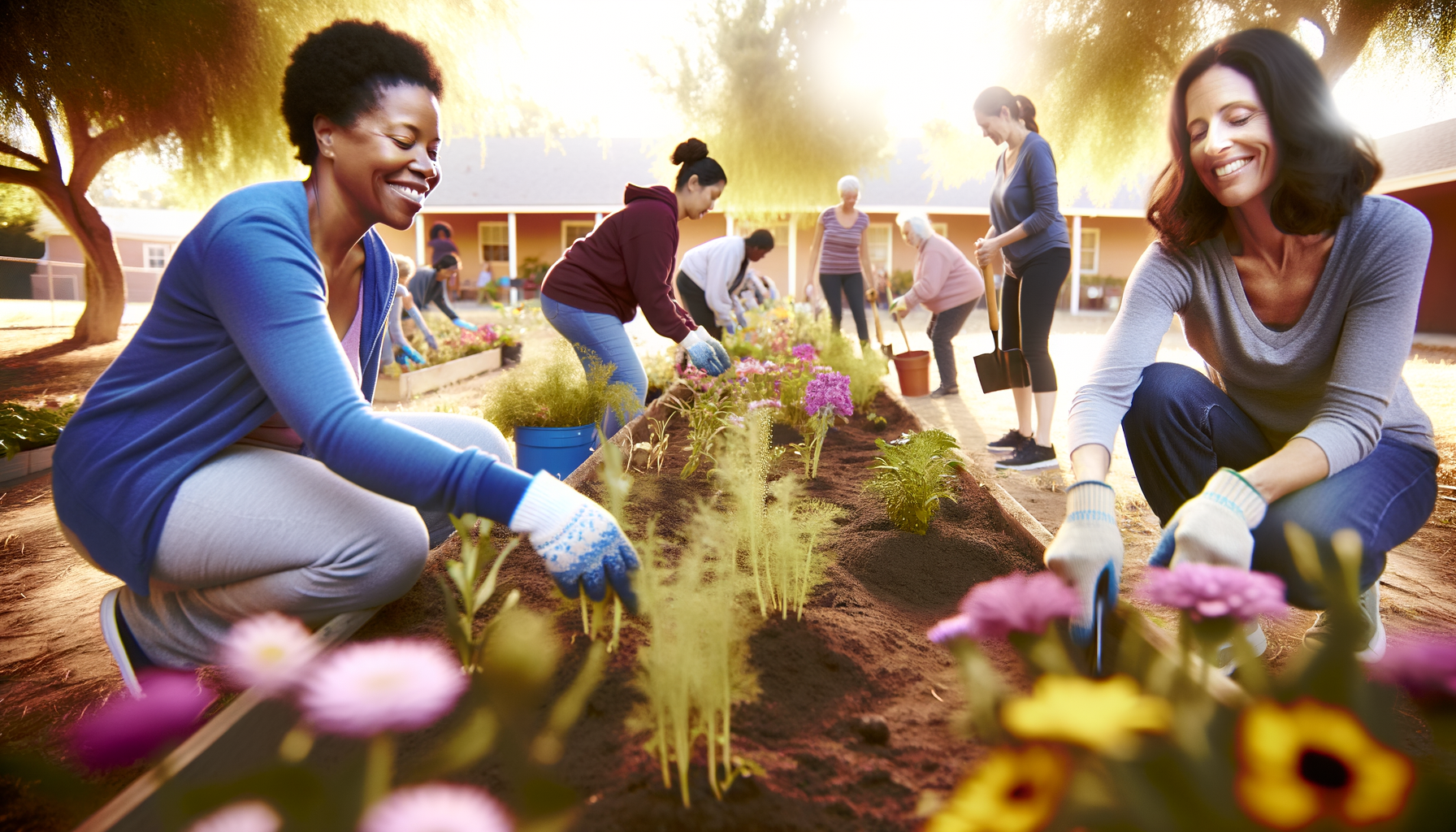
The Heart of Service: Personal Growth Through Community Involvement

May 13, 2024 By

Introduction to Community Involvement and Personal Growth

Understanding the Interconnection

Community involvement and personal growth are deeply interconnected, forming a symbiotic relationship that enriches both the individual and society. When we engage in community service, we step beyond our personal boundaries, tapping into a collective effort that not only addresses societal needs but also fosters our own development. This mutual exchange is the cornerstone of a thriving community, where individual contributions lead to collective benefits, and the growth of the community reciprocates by nurturing the individual’s potential.

Defining Community Involvement

Community involvement encompasses a wide range of activities where individuals contribute their time, effort, and resources to improve the well-being of their community. This can include volunteering at local shelters, participating in neighborhood clean-ups, mentoring youth, or any act that aims to make a positive impact. It’s a voluntary commitment that is often unpaid, yet the rewards are invaluable, offering a sense of belonging, purpose, and the satisfaction of contributing to the greater good.

The Journey to Self-Actualization

Personal growth is a journey towards self-actualization, where one strives to realize their fullest potential. Community involvement acts as a catalyst in this process, providing opportunities to challenge oneself, learn new skills, and step out of comfort zones. Through service, individuals encounter diverse situations that require adaptability, problem-solving, and innovation, all of which contribute to personal development. Moreover, the act of giving engenders a sense of accomplishment and self-worth that is essential for self-actualization.

Overview of Article Structure

This article will explore the multifaceted benefits of community involvement on personal growth. We will delve into the psychological advantages of helping others, such as increased self-esteem and reduced stress. The development of empathy and compassion through service will be examined, highlighting how understanding others’ perspectives can enrich our own lives. We’ll also discuss the acquisition of new skills and the improvement of existing ones, the building of meaningful relationships, and how overcoming challenges in service can build resilience. Finally, we will conclude with strategies for integrating service into a lifestyle of growth, reflecting on achievements, and inspiring others to join the journey of positive change.

The Psychological Benefits of Helping Others

Boosting Self-Esteem and Confidence

Engaging in community service has a profound impact on an individual’s self-perception. Volunteering increases self-confidence by providing a sense of achievement. As volunteers recognize their ability to contribute to a cause and see the positive change they can make, their self-esteem naturally elevates. This enhanced self-view often leads to a more optimistic outlook on life and future goals, fostering a cycle of positivity and self-improvement.

Reducing Stress and Anxiety

Community involvement is also a powerful antidote to stress and anxiety. The act of helping others shifts focus away from one’s own worries, leading to a reduction in stress levels. Moreover, the social contact aspect of volunteering can have a therapeutic effect, as meaningful interactions with others promote a sense of calm and well-being. Engaging with pets and animals during volunteer activities has been shown to further improve mood and decrease anxiety, offering a holistic approach to mental health.

Enhancing Social Connectivity

Volunteering serves as a bridge to strengthen social ties and forge new relationships. By participating in community service, individuals can expand their social networks and connect with like-minded people. This is particularly beneficial for those who are shy or new to an area, as it provides a structured environment to develop and practice social skills. The bonds formed through shared experiences in service can lead to lasting friendships and a stronger sense of community belonging.

Creating a Sense of Purpose and Fulfillment

Perhaps one of the most significant psychological benefits of helping others is the sense of purpose and fulfillment it instills. Volunteering offers a way to find new meaning in life, especially for those who may be searching for direction or undergoing life transitions. The knowledge that one’s actions are making a difference provides a powerful sense of purpose, which can lead to greater life satisfaction and happiness. Studies have even suggested that the frequency of volunteering is directly correlated with increased happiness, likening the effect to a significant boost in income.

In conclusion, community involvement through volunteering not only benefits society but also enriches the individual’s mental and emotional well-being. By boosting self-esteem, reducing stress, enhancing social connections, and creating a sense of purpose, volunteers experience a unique form of personal growth that is both rewarding and transformative.

Developing Empathy and Compassion

Walking in Others’ Shoes

Community service is a profound exercise in empathy, a chance to step into the shoes of others and understand their struggles and joys. When we volunteer, we immerse ourselves in environments that are often vastly different from our own daily lives. This exposure to diverse life situations fosters a deeper appreciation for the challenges that others face. Whether it’s serving meals at a homeless shelter or tutoring children from underprivileged backgrounds, each act of service is a step towards a more empathetic self.

The Role of Empathy in Personal Growth

Empathy is more than a social tool; it is a catalyst for personal transformation. As we develop the ability to feel with others, we begin to see the world through a more compassionate lens. This shift in perspective can lead to significant personal growth. Empathetic individuals are often more reflective, considerate, and less likely to engage in harmful behaviors. They are also better equipped to form meaningful connections with others, which can lead to increased happiness and life satisfaction.

Cultivating Compassion Through Service

Compassion is empathy in action. Community service provides a unique opportunity to cultivate compassion by actively addressing the needs of others. Through service, we not only recognize the suffering of others but also commit to alleviating it. This commitment can manifest in various forms, from simple acts of kindness to organized efforts to tackle larger societal issues. As we serve, we build a habit of compassion that can extend into every aspect of our lives, leading to a more caring and connected society.

In conclusion, community involvement is a powerful avenue for developing empathy and compassion. By walking in others’ shoes, recognizing the role of empathy in personal growth, and cultivating compassion through service, individuals can experience profound personal development. This growth not only benefits the individual but also strengthens the fabric of our communities, creating a more empathetic and compassionate world.

Learning and Skill Development

Acquiring New Skills

Community involvement is a fertile ground for the acquisition of new skills. As individuals engage in various community service projects, they are often introduced to tasks and responsibilities that are outside their previous experience. This exposure can lead to the development of a wide array of skills, ranging from practical abilities like event planning and fundraising to more intangible competencies such as cultural awareness and adaptability. The hands-on nature of community service ensures that learning is active and situation-based, providing a rich environment for personal development.

Improving Communication and Leadership

Effective communication and leadership are essential skills that can be honed through community involvement. Volunteers often find themselves in situations where they must convey ideas clearly, listen actively, and motivate team members towards a common goal. These experiences can significantly enhance one’s ability to lead and work within a team, both of which are highly transferable to professional settings. Moreover, the diverse settings and populations encountered in community service can improve one’s ability to navigate and bridge cultural and social differences, further enriching communication skills.

Problem-Solving in Real-World Contexts

Community service places individuals in direct contact with real-world issues, requiring creative and practical problem-solving. Volunteers learn to assess situations, identify needs, and develop and implement solutions. This process often involves critical thinking, resourcefulness, and innovation. The challenges faced and overcome during community service not only contribute to personal growth but also provide a sense of achievement and the confidence to tackle complex problems in other areas of life.

The Value of Continuous Learning

The dynamic nature of community service means that no two experiences are the same, which underscores the value of continuous learning. Volunteers are constantly learning from the people they serve, their fellow volunteers, and the situations they encounter. This continuous cycle of learning fosters a growth mindset, where individuals are motivated to expand their knowledge and abilities continuously. Embracing lifelong learning through community involvement can lead to personal fulfillment and the ongoing development of a versatile and robust skill set.

In conclusion, community involvement is a powerful catalyst for learning and skill development. It offers a unique platform for individuals to step out of their comfort zones, acquire new skills, improve existing ones, and apply them in meaningful ways. The benefits of these experiences extend far beyond the duration of the service, impacting personal and professional growth for years to come.

Building Meaningful Relationships

Connecting with Like-Minded Individuals

Community involvement serves as a powerful catalyst for connecting with like-minded individuals. When we engage in service, we naturally gravitate towards others who share our values and passions. This alignment of purpose fosters an environment where deep connections are formed. These relationships often extend beyond the context of a single project or initiative, leading to enduring friendships and networks that support our personal and professional endeavors.

Expanding Social Networks

Volunteering and participating in community activities not only enrich the lives of others but also expand our own social networks. By stepping out of our comfort zones and contributing to the greater good, we expose ourselves to a diverse array of people. This diversity broadens our horizons and introduces us to new ideas, cultures, and perspectives. The social capital gained through these interactions is invaluable, providing us with resources, advice, and support that can be instrumental in both our personal growth and community development.

The Importance of Teamwork and Collaboration

Community service projects often require teamwork and collaboration. Working alongside others towards a common goal teaches us the importance of communication, compromise, and collective effort. These experiences highlight the fact that the whole is greater than the sum of its parts, and that by pooling our skills and resources, we can achieve outcomes that would be impossible to accomplish alone. The spirit of collaboration is a cornerstone of community involvement and a key component of personal growth.

Fostering a Supportive Community

At the heart of community involvement is the creation of a supportive community. As we give our time and talents, we build a network of reciprocity and trust. This supportive environment acts as a safety net, providing assistance and encouragement during challenging times. It also serves as a platform for celebrating successes and milestones. By fostering a supportive community, we not only contribute to the well-being of others but also reinforce our own sense of belonging and purpose.

In conclusion, community involvement offers a unique opportunity to build meaningful relationships that can transform our lives. Through connecting with like-minded individuals, expanding our social networks, embracing teamwork and collaboration, and fostering a supportive community, we lay the foundation for a life enriched by deep and fulfilling relationships.

Overcoming Challenges and Building Resilience

Facing Adversity Together

Community involvement often means facing challenges that are beyond the scope of an individual’s experience. When a group of people come together to address these challenges, they share not only the workload but also the emotional and psychological burdens that come with it. This collective effort can create a strong sense of solidarity and support, as individuals realize they are not alone in their struggles. The camaraderie that develops in the face of adversity is a powerful force that can drive a community project forward and help individuals to cope with difficult situations.

Learning from Failure and Setbacks

Engagement in community service is not without its trials and errors. Failure and setbacks are an inevitable part of any endeavor, and community involvement is no exception. However, these experiences are invaluable for personal growth. Learning to accept and learn from failure can foster resilience and a more nuanced understanding of success. It teaches that progress often comes in the form of small victories and that perseverance is key. Reflecting on what went wrong and strategizing for future efforts are crucial steps in turning setbacks into stepping stones.

The Growth Mindset

Adopting a growth mindset is essential when participating in community service. This perspective emphasizes the potential for development and learning in the face of challenges, rather than perceiving abilities as fixed traits. With a growth mindset, individuals are more likely to embrace challenges, persist in the face of setbacks, and see effort as a path to mastery. Community involvement provides a practical arena for cultivating this mindset, as it often requires innovative thinking and adaptability.

Resilience as a Byproduct of Service

Resilience, the ability to recover from difficulties, is often an unintended byproduct of community service. As individuals work through the complexities of community projects, they build a psychological toolkit that includes coping strategies, problem-solving skills, and emotional strength. This toolkit is not only useful for community work but also translates into personal life, equipping individuals with the fortitude to handle their own life challenges more effectively. In essence, the act of serving others fortifies the self, creating a cycle of positive growth and increased resilience.

Conclusion: Integrating Service into a Lifestyle of Growth

Making Community Service a Habit

Establishing a routine of community involvement can be transformative, not only for the communities served but also for the individuals engaging in service. Regular participation in community activities fosters a sense of responsibility and commitment, reinforcing the habit of service. To make community service a staple in one’s life, it is essential to identify activities that resonate personally and align with one’s values and interests. This alignment ensures that the service is meaningful and increases the likelihood of long-term engagement. Additionally, setting achievable goals, such as a certain number of volunteer hours per month or participating in specific community events, can provide structure and motivation.

Reflecting on Personal Growth Achievements

Community involvement offers a unique mirror reflecting personal growth. Individuals should take time to reflect on the skills they have developed, the relationships they have built, and the impact they have made. This reflection can be facilitated through journaling, discussions with peers, or mentor feedback. Recognizing growth not only bolsters self-esteem but also provides valuable insights into future goals and areas for further development. Celebrating milestones and acknowledging the journey’s challenges reinforces resilience and the personal benefits derived from service.

Encouraging Others to Join the Journey

Sharing experiences and the benefits of community service can inspire others to embark on their own journeys of personal growth through service. By acting as role models and advocates, individuals can create a ripple effect, expanding the culture of service within their networks. Offering to accompany friends or family members to volunteer activities or organizing group service projects can be effective ways to involve others. Furthermore, sharing stories and testimonials through social media or community forums can reach a wider audience and potentially galvanize collective action.

Continuing the Cycle of Positive Change

  • Consistency: Regular engagement in community service ensures that the cycle of positive change continues. Consistency in service not only addresses ongoing community needs but also solidifies the habit of service as a lifestyle choice.
  • Adaptability: Being open to new forms of service and adapting to changing community needs can sustain personal growth and the relevance of one’s contributions.
  • Reflection and Growth: Continual reflection on the outcomes of service activities encourages ongoing personal development and the refinement of one’s approach to service.
  • Advocacy: Advocating for causes that are important to oneself and the community can extend the impact of service beyond direct involvement.

In conclusion, integrating service into a lifestyle of growth is a dynamic process that requires intentionality, reflection, and a willingness to inspire and be inspired by others. By making community service a habit, reflecting on personal achievements, encouraging others, and perpetuating positive change, individuals can experience profound personal growth while contributing to the betterment of society.

Filed Under: Features

Community at a Crossroads: The Evolving Dynamics of Online and Offline Networks

May 12, 2024 By

Introduction

The Importance of Community in Personal Growth

Community plays a pivotal role in shaping individuals, influencing personal growth, and fostering a sense of belonging. Whether through shared experiences, mutual support, or collective learning, communities contribute significantly to the development of their members. The interpersonal connections and networks of support that communities provide are essential for personal development, offering a platform for individuals to exchange ideas, confront challenges, and celebrate achievements together.

Overview of Online vs. Offline Networks

With the advent of the digital age, the concept of community has expanded beyond geographical boundaries to include online networks. Offline communities are traditionally formed through physical interactions within specific locales, such as neighborhoods, schools, or workplaces. In contrast, online communities transcend physical space, allowing individuals to connect based on shared interests, goals, or causes, regardless of their physical location. These virtual networks offer unprecedented accessibility and diversity, but also present unique challenges in terms of relationship depth and authenticity.

Purpose of the Article

The aim of this article is to explore the intricate dynamics of community networks, both online and offline, and their evolving interplay. As society stands at a crossroads, with digital platforms increasingly influencing how we connect and interact, it is crucial to understand the implications of these changes. This article seeks to dissect the characteristics, benefits, and challenges of each type of network, and to examine how they complement and influence each other. Ultimately, we strive to provide insights into how individuals and communities can navigate this complex landscape to foster holistic well-being and meaningful connections.

Historical Context of Community Networks

Evolution from Traditional to Digital Communities

The concept of community has undergone a profound transformation with the advent of digital technology. Traditional communities, typically defined by geographical proximity and face-to-face interactions, have expanded into the digital realm where physical boundaries are no longer constraints. The evolution from traditional to digital communities has been marked by the transition from local town halls and neighborhood gatherings to online forums and social networks that connect individuals across vast distances. This shift has enabled the formation of communities based on shared interests, values, or goals, rather than solely on location.

Impact of Technology on Social Interactions

Technology has significantly altered the landscape of social interactions. The proliferation of smartphones, tablets, and computers has made communication instantaneous and accessible, changing how people connect and engage with one another. While technology has facilitated the maintenance of long-distance relationships and the discovery of new connections, it has also introduced challenges such as the potential for miscommunication and the dilution of personal interactions. The digital medium often lacks the nuances of body language and tone, which are integral to understanding in face-to-face communication.

The Rise of Social Media Platforms

Social media platforms have been instrumental in the rise of online communities. Sites like Facebook, Twitter, and LinkedIn have created spaces for individuals to share information, collaborate, and form relationships with others who have similar interests or professional goals. These platforms have not only revolutionized personal communication but have also had a significant impact on business, politics, and culture. The ability to mobilize large groups quickly and efficiently has led to new forms of activism and community engagement, demonstrating the power of these digital networks.

Characteristics of Online Communities

Accessibility and Diversity

One of the most defining characteristics of online communities is their accessibility. The internet has democratized the formation and participation in communities, allowing individuals from all corners of the globe to connect regardless of geographical boundaries. This accessibility fosters diversity, as people from different cultures, backgrounds, and walks of life can interact and share experiences. The result is a melting pot of ideas, perspectives, and knowledge that enriches the community experience.

Anonymity and Self-Expression

Online communities offer a level of anonymity that is not typically available in offline settings. This can empower individuals to express themselves more freely, without fear of judgment or repercussions. Anonymity can encourage candid discussions and the sharing of personal experiences that might otherwise be kept private. However, it’s important to note that this anonymity can sometimes lead to negative behaviors, such as trolling or cyberbullying, due to a perceived lack of accountability.

Support Systems and Shared Interests

Communities, by their very nature, are formed around shared interests or goals. Online communities are particularly adept at bringing together individuals who share niche hobbies or specialized interests that might be underrepresented or scattered in the offline world. These communities often evolve into robust support systems, where members can seek advice, find camaraderie, and gain emotional support from peers who truly understand their passions or challenges.

Challenges of Virtual Relationships

Despite the many benefits of online communities, there are inherent challenges in virtual relationships. The lack of physical presence and non-verbal cues can lead to misunderstandings and a sense of detachment. Building deep, meaningful connections can be more difficult online, where interactions may be sporadic or superficial. Additionally, the transient nature of online interactions can lead to a lack of permanence and commitment in relationships, with members drifting in and out of the community.

In conclusion, online communities present a unique set of characteristics that shape the way individuals interact and form connections in the digital age. While they offer unprecedented accessibility and opportunities for self-expression and support, they also pose challenges that must be navigated to foster healthy, sustainable communities.

The Dynamics of Offline Networks

The Value of Face-to-Face Interaction

Despite the rise of digital communication, the value of face-to-face interaction remains undiminished. In-person encounters foster a level of connection and understanding that is difficult to replicate online. Non-verbal cues such as body language, eye contact, and tone of voice play a crucial role in building trust and empathy among individuals. Face-to-face meetings also allow for spontaneous and dynamic exchanges, leading to more creative and collaborative outcomes. The tangible presence of others can create a sense of solidarity and shared purpose that is essential for effective teamwork and community cohesion.

Community Engagement and Local Support

Offline networks are the bedrock of community engagement and local support systems. They encompass a variety of forms, from neighborhood associations to volunteer groups, and provide a platform for individuals to contribute to their community’s well-being. These networks facilitate mutual aid, where members can offer and receive help in times of need. Local support also includes the sharing of resources, knowledge, and skills, which can enhance the resilience and self-sufficiency of a community. Engaging in offline networks often leads to a stronger sense of belonging and identity, as individuals work together towards common goals and interests.

Limitations of Geographical Proximity

While offline networks have many strengths, they are not without limitations. One significant challenge is the constraint of geographical proximity. Physical distance can hinder the ability to participate in community activities or access support services. This can be particularly problematic for those living in rural areas or for individuals with mobility issues. Additionally, the reliance on proximity can lead to a lack of diversity within networks, as people may primarily connect with others who are similar to themselves in terms of culture, socioeconomic status, or background.

The Role of Community Spaces

Community spaces play a pivotal role in facilitating offline networks. These spaces, whether they be parks, community centers, libraries, or places of worship, provide a neutral ground where individuals can come together. They serve as hubs for social interaction, learning, and civic engagement. Community spaces are often the setting for events and activities that strengthen community bonds, such as festivals, classes, and town hall meetings. The physical design and accessibility of these spaces can greatly influence the extent to which they promote inclusivity and encourage diverse participation.

In conclusion, offline networks are characterized by rich, face-to-face interactions that foster deep connections and community engagement. While they face challenges related to geographical limitations, the role of community spaces in supporting these networks is indispensable. As society navigates the evolving landscape of online and offline connections, the enduring value of physical community networks remains clear.

Interplay Between Online and Offline Networks

Blending Digital and Physical Experiences

The digital age has ushered in a new era where the lines between online and offline experiences are increasingly blurred. Communities are no longer confined to physical spaces; they extend into the virtual realm, creating a tapestry of interactions that span both worlds. This blending of digital and physical experiences allows individuals to engage in a variety of activities, from virtual meetups to augmented reality games that encourage exploration of the physical world. The integration of online tools in offline events, such as live-tweeting during conferences or using event apps for networking, exemplifies how digital and physical experiences can complement and enhance each other.

Transitioning Relationships Across Realms

Relationships formed in online communities often transition into the offline world, and vice versa. Social media platforms have become a common ground for initiating connections that later evolve into face-to-face friendships or professional collaborations. Conversely, offline relationships are maintained and strengthened through online interactions, with digital communication serving as a bridge between in-person encounters. This fluid movement across realms enriches community dynamics, allowing for continuous engagement regardless of physical distance.

The Complementary Nature of Both Worlds

Online and offline networks each offer unique advantages that, when leveraged together, create a more robust community experience. Online networks provide accessibility and diversity, connecting individuals from various backgrounds and locations. They offer platforms for self-expression and anonymity, which can be empowering for those seeking support or sharing sensitive information. Offline networks, on the other hand, offer the irreplaceable value of face-to-face interaction, fostering deeper emotional connections and trust. They also enable direct community engagement and support, which are vital for local initiatives and causes. Recognizing the complementary nature of both worlds allows communities to harness the full spectrum of human interaction.

Maintaining Balance and Boundaries

While the integration of online and offline networks has many benefits, it is crucial to maintain a balance and set boundaries to ensure healthy community dynamics. Overreliance on digital communication can lead to a sense of isolation or the feeling of being overwhelmed by constant connectivity. Conversely, neglecting the opportunities offered by online networks can result in missed connections and a lack of access to valuable resources. Communities thrive when members can navigate between online and offline spaces with ease, respecting personal boundaries and the need for both digital detox and online engagement.

In conclusion, the interplay between online and offline networks is a dance of connection, offering multiple pathways for community building. By blending digital and physical experiences, transitioning relationships across realms, and appreciating the complementary nature of both worlds, communities can flourish in this interconnected landscape. However, maintaining balance and boundaries is essential to ensure that the crossroads of community networks lead to enriching, rather than exhausting, experiences.

Case Studies: Successful Integration of Online and Offline Communities

Community Groups Bridging the Gap

One of the most compelling examples of the integration between online and offline communities is found in local interest groups that have a presence both on the web and in the physical world. For instance, book clubs that started as Facebook groups have expanded to regular in-person meetings, enriching the reading experience through face-to-face discussions. Similarly, fitness communities like running clubs use apps to track progress and arrange meetups, but the real camaraderie is built during the shared physical activity. These groups leverage digital tools to organize and communicate, while the tangible experiences foster deeper connections and accountability among members.

Events and Meetups Enhancing Connections

Events and meetups play a pivotal role in strengthening the bonds within online communities. Platforms such as Meetup.com and Eventbrite have been instrumental in transitioning online interactions into real-world connections. For example, professional networks on LinkedIn often culminate in industry conferences, where virtual connections become handshakes and collaborations. Tech communities, like those formed around open-source projects on GitHub, frequently host hackathons and conventions, where contributors can meet and innovate together. These events are not only networking opportunities but also serve as a testament to the power of uniting the digital and physical realms.

Digital Tools Facilitating Offline Interactions

The use of digital tools to facilitate offline interactions is perhaps most evident in the rise of location-based services. Apps like Nextdoor encourage neighbors to connect online, but the ultimate goal is to foster a sense of community in the real world, whether through garage sales, block parties, or neighborhood watch programs. Dating apps, which match individuals based on online profiles, are designed with the intent of setting up in-person dates, thus creating a bridge between the virtual and the actual. Moreover, professional networking tools such as Shapr or Bumble Bizz encourage users to swipe through potential business connections with the intention of setting up face-to-face meetings, merging the convenience of online networking with the authenticity of in-person interaction.

In conclusion, these case studies illustrate the successful integration of online and offline communities, demonstrating that while digital platforms are powerful for bringing people together, the most enduring and impactful connections often materialize in the physical world. By leveraging the strengths of both online and offline networks, community groups, events, and digital tools are creating a new paradigm for human connection in the digital age.

Conclusion

The Future of Community Networks

As we stand at the crossroads of community networks, the future appears both promising and complex. The digital age has ushered in a new era where online communities are not just a supplement, but often the core of our social interactions. The evolution of technology continues to blur the lines between our online and offline lives, creating a tapestry of interconnected experiences. The rise of virtual reality, augmented reality, and other immersive technologies suggests that the distinction between online and offline networks may become even more nuanced, offering unprecedented opportunities for community engagement.

However, this future is not without its challenges. The digital divide remains a significant barrier, preventing equitable access to online communities. Additionally, the proliferation of misinformation and the need for digital literacy are concerns that must be addressed to ensure healthy community dynamics. As we navigate this future, it is imperative that we foster inclusive, supportive, and resilient networks that can adapt to the changing landscape of human connection.

Strategies for Nurturing Holistic Well-Being

To nurture holistic well-being within community networks, we must adopt a multi-faceted approach. Accessibility is key; ensuring that individuals from diverse backgrounds can participate in both online and offline spaces is crucial. This includes not only physical accessibility but also the availability of resources that cater to various languages, cultures, and abilities.

Moreover, fostering empathy and understanding within communities can lead to more supportive environments. Encouraging members to share their stories and listen to others can build stronger, more empathetic connections. Additionally, integrating mental health resources and promoting digital well-being practices can help individuals navigate the complexities of online interactions while maintaining their mental health.

Finally, education plays a pivotal role. By educating community members about digital citizenship, privacy, and the importance of critical thinking online, we can empower individuals to contribute positively to their networks and safeguard their well-being.

Final Thoughts on the Crossroads of Community

As we reflect on the evolving dynamics of online and offline networks, it is clear that our understanding of community is being redefined. The crossroads at which we stand offers both a challenge and an opportunity to reimagine how we connect, support, and grow together. It is a chance to reinforce the human experience within the digital realm, ensuring that technology serves to enhance, rather than diminish, our sense of belonging and community.

The integration of online and offline networks has the potential to create a richer, more diverse social fabric where individuals can find belonging and support across multiple dimensions. By embracing this integration and addressing the challenges head-on, we can cultivate communities that are not only robust in the face of change but also nurturing spaces that promote the well-being of all their members.

In conclusion, the crossroads of community is a call to action—a reminder that the future of our social networks is in our hands. It is up to us to shape these networks with intention, compassion, and foresight, ensuring that they serve as pillars of support and connection in an increasingly digital world.

Filed Under: Features

Limitless Mindset: Overcoming Mental Boundaries for Growth

May 12, 2024 By

Introduction

Defining a Limitless Mindset

The concept of a limitless mindset is not about having an infinite IQ or the ability to solve every problem. Rather, it’s about embracing the belief that with the right approach, dedication, and strategies, personal and professional growth have no ceiling. A limitless mindset is characterized by an unwavering belief in one’s own potential and the relentless pursuit of excellence, regardless of the challenges that may arise.

The Importance of Overcoming Mental Boundaries

Overcoming mental boundaries is crucial for growth and success. These invisible barriers, formed by our beliefs and experiences, can prevent us from reaching our full potential. By identifying and pushing past these self-imposed limits, we open ourselves up to new opportunities, learning experiences, and the ability to adapt and thrive in an ever-changing world.

Setting the Stage for Personal Growth

Personal growth is a journey that requires a solid foundation. Setting the stage for this development involves creating a supportive environment, cultivating a positive mindset, and establishing clear, achievable goals. It’s about committing to continuous learning and being open to feedback and change. With these elements in place, personal growth becomes not just a possibility, but an ongoing reality.

Understanding Mental Boundaries

Types of Mental Boundaries

Mental boundaries are the psychological limits we set for ourselves, which can either foster growth or hinder our progress. These boundaries come in various forms, often categorized as “hard” and “soft” boundaries. Hard boundaries are our non-negotiables, the core values and principles we refuse to compromise on. They are essential for our mental health and well-being. On the other hand, soft boundaries are more flexible and pertain to our aspirations and goals. They are the adjustable limits we set as we strive for productivity, creativity, and rest.

The Role of Beliefs and Conditioning

Our beliefs and conditioning play a pivotal role in the establishment of mental boundaries. From a young age, we are conditioned by our environment, experiences, and societal norms, which shape our belief systems. These beliefs can either empower us or create self-imposed limitations that restrict our potential. For instance, if we grow up with the notion that failure is unacceptable, we may avoid taking risks, thereby stifling our growth. It is crucial to recognize and challenge these ingrained beliefs to expand our mental boundaries and embrace a growth mindset.

Recognizing Self-Imposed Limitations

Recognizing self-imposed limitations is the first step towards overcoming them. These are the barriers we unknowingly create, often out of fear or self-doubt. They manifest as negative self-talk, procrastination, or a reluctance to step out of our comfort zones. To identify these limitations, we must engage in introspection and honest self-assessment. It involves asking ourselves tough questions and being open to critical feedback. By acknowledging these limitations, we can begin the process of cognitive restructuring, replacing limiting beliefs with empowering ones, and setting the stage for personal growth and a truly limitless mindset.

The Psychology of Breaking Barriers

Growth Mindset vs. Fixed Mindset

The journey to a limitless mindset begins with understanding the fundamental difference between a growth mindset and a fixed mindset. Coined by psychologist Carol Dweck, these terms describe the underlying beliefs people have about learning and intelligence. A growth mindset thrives on challenge and sees failure not as evidence of unintelligence but as a heartening springboard for growth and for stretching our existing abilities. In contrast, a fixed mindset stems from the belief that intelligence and talent are innate traits that cannot be developed. Overcoming mental boundaries requires shifting from a fixed mindset, which discourages risk and avoids failure, to a growth mindset, which encourages learning and resilience in the face of challenges.

The Power of Neuroplasticity

Neuroplasticity is the brain’s remarkable ability to change and adapt in response to experience. This scientific concept is a cornerstone of breaking mental barriers, as it implies that our brain is not static but can be rewired through learning and experience. Neuroplasticity provides the biological basis for a growth mindset, offering hope and practical means for personal transformation. It suggests that with persistence, practice, and patience, we can forge new neural pathways and enhance our cognitive abilities, including those related to problem-solving, creativity, and emotional regulation.

Cognitive Restructuring Techniques

To overcome mental boundaries, we can employ cognitive restructuring techniques that help us challenge and change our thought patterns. These techniques involve identifying negative, self-limiting beliefs and systematically questioning their validity. By reframing our thoughts more positively and realistically, we can develop a more empowering narrative. Techniques such as journaling, mindfulness, and cognitive-behavioral therapy (CBT) can aid in this process, allowing us to break free from the mental shackles that limit our growth and to embrace a more limitless approach to life.

Strategies for Overcoming Mental Boundaries

Embracing Discomfort for Growth

One of the most effective strategies for personal development is to embrace discomfort. Growth often occurs at the edge of our comfort zones, where we are challenged and pushed to expand our capabilities. By intentionally seeking out situations that make us uncomfortable, we can develop resilience and adaptability. Whether it’s public speaking, learning a new skill, or tackling a complex project, facing discomfort head-on can lead to significant personal growth.

Mindfulness and Self-Awareness Practices

Mindfulness and self-awareness are critical tools for identifying and overcoming mental boundaries. Practices such as meditation, journaling, and reflective thinking help us to tune into our internal dialogue and recognize self-imposed limitations. By becoming more aware of our thought patterns, we can begin to challenge negative beliefs and replace them with positive affirmations that support our growth.

Setting and Achieving Personal Goals

Setting personal goals is a powerful way to move beyond mental boundaries. Goals provide direction and motivation, helping us to focus our efforts on what truly matters. To effectively set and achieve goals, it’s important to use the SMART criteria (Specific, Measurable, Achievable, Relevant, Time-bound). Breaking larger goals into smaller, actionable steps can also help maintain momentum and create a sense of achievement as we progress.

The Role of Positive Affirmations

Positive affirmations play a significant role in overcoming mental boundaries. These are positive, empowering statements that, when repeated regularly, can help to rewire our brains and reinforce a growth mindset. Affirmations such as “I am capable of overcoming any challenge” or “I am worthy of success” can boost self-esteem and counteract the negative self-talk that often creates mental barriers.

In conclusion, overcoming mental boundaries is a multifaceted process that involves embracing discomfort, practicing mindfulness, setting personal goals, and using positive affirmations. By employing these strategies, we can break through the barriers that hold us back and unlock our full potential for growth.

Building a Supportive Environment

Cultivating Meaningful Relationships

At the heart of personal growth lies the ability to form and maintain meaningful relationships. These relationships serve as a foundation for support, inspiration, and shared wisdom. To cultivate such connections, it’s essential to identify individuals who resonate with your values and aspirations. Engage with family, friends, mentors, and colleagues who encourage your growth and offer constructive feedback. Remember, the strength of your network is not measured by the number of connections but by the quality of those connections.

Creating a Personal Growth Plan

A personal growth plan is a strategic roadmap for self-improvement and development. Start by assessing your current state, including your strengths, weaknesses, and areas you wish to improve. Set SMART goals (Specific, Measurable, Achievable, Relevant, Time-bound) that align with your vision for growth. Break these goals into actionable steps and track your progress regularly. Adjust your plan as needed, and don’t forget to celebrate your achievements along the way.

Leveraging Community and Resources

Communities, whether local or online, provide a wealth of resources and collective knowledge. Join groups that align with your interests or goals, such as professional associations, hobby clubs, or support groups. These communities offer a platform for exchanging ideas, learning from others’ experiences, and finding accountability partners. Additionally, utilize available resources such as books, podcasts, workshops, and online courses to further your personal growth journey.

By focusing on these subtopics, you can create a supportive environment that nurtures your personal growth and helps you overcome mental boundaries to achieve a limitless mindset.

Challenges and How to Navigate Them

Common Obstacles in Personal Development

Personal development is a journey fraught with obstacles, but understanding these challenges is the first step towards overcoming them. Common obstacles include:

  • Fear of Failure: The apprehension of not succeeding can paralyze action and hinder growth.
  • Lack of Clarity: Without a clear vision, it’s difficult to set goals and measure progress.
  • Procrastination: Delaying tasks can become a significant barrier to personal development.
  • Comfort Zone: Staying within familiar boundaries can prevent the exploration of new opportunities for growth.

Maintaining Motivation and Resilience

Motivation and resilience are the engines of personal growth. To maintain them:

  • Set Clear Goals: Clearly defined goals provide direction and a sense of purpose.
  • Find Your Why: Understanding the deeper reasons behind your goals can fuel persistence.
  • Celebrate Small Wins: Recognizing progress, no matter how minor, can boost morale and motivation.
  • Build a Support System: Surrounding yourself with encouraging individuals can reinforce resilience during tough times.

Seeking Help When Needed

It’s crucial to recognize when you need assistance and to be proactive in seeking it. This can take various forms:

  • Professional Guidance: Coaches or therapists can offer expert advice tailored to your personal growth journey.
  • Mentorship: A mentor who has navigated similar paths can provide invaluable insights and support.
  • Community: Joining groups with like-minded individuals can offer motivation, accountability, and shared learning experiences.
  • Resources: Books, courses, and seminars can provide the knowledge and tools necessary for overcoming personal development hurdles.

By understanding common obstacles, maintaining motivation and resilience, and seeking help when necessary, you can navigate the challenges of personal development and continue on the path to a limitless mindset.

Conclusion

Reaffirming the Journey to a Limitless Mindset

As we reach the conclusion of our exploration into overcoming mental boundaries for growth, it is essential to reaffirm the journey to a limitless mindset. Embracing the growth mindset is not a destination but a continuous process of self-discovery, resilience, and empowerment. It is about recognizing that our potential is not fixed but rather expansive and ever-evolving. The journey to a limitless mindset is paved with challenges, setbacks, and triumphs, each serving as a catalyst for personal development and a deeper understanding of our capabilities.

Encouragement for Continued Growth and Learning

Continued growth and learning are the cornerstones of a limitless mindset. It is the courage to step into the unknown and the willingness to embrace change that propels us forward. As you continue on this path, remember that every experience, whether perceived as positive or negative, contributes to your growth. Stay curious, remain open to new ideas, and never underestimate the power of a supportive community. Encourage yourself and others to push beyond comfort zones, for it is in these spaces that true learning and transformation occur.

Final Thoughts on Overcoming Mental Boundaries

In conclusion, overcoming mental boundaries is an empowering journey that requires dedication, self-awareness, and a belief in one’s ability to grow. It is about dismantling the self-imposed limits that restrict our potential and embracing a mindset that welcomes challenges as opportunities for advancement. As we move forward, let us carry the lessons learned and the strategies discussed, using them as tools to navigate the complexities of personal development. With a limitless mindset, we can transcend the boundaries of what we once thought possible, unlocking a world of endless possibilities and growth.

Filed Under: Features

Daily Rituals for Success: The Impact of Habit on Personal Growth

May 12, 2024 By

Introduction

Understanding the Power of Habit

At the heart of personal growth and success lies a simple yet profound truth: our daily habits shape our lives. These repeated actions, often performed unconsciously, form the foundation upon which we build our future selves. Habits are the silent architects of our destiny, quietly crafting our routines, influencing our productivity, and steering the course of our personal and professional lives. By harnessing the power of habit, we can enact lasting change, turning our aspirations into achievements.

The Role of Daily Rituals in Personal Growth

Daily rituals are the threads that weave the tapestry of our existence. They are the consistent practices that, over time, accumulate to create the fabric of our character and the contours of our success. Whether it’s the discipline of waking up early, the mindfulness cultivated through meditation, or the resilience built by regular exercise, these rituals are the incremental steps that lead to exponential growth. They provide structure, foster self-discipline, and serve as a compass guiding us toward our goals.

Setting the Stage for Success

Success is not a destination but a journey, and the path to it is paved with the bricks of daily habits. To embark on this journey, we must first set the stage for success by establishing clear, actionable goals. Utilizing the SMART (Specific, Measurable, Achievable, Relevant, Time-bound) framework, we can transform nebulous dreams into concrete plans. With our goals in sight, we can then cultivate the daily habits that will propel us forward, ensuring that each day brings us one step closer to our desired outcomes.

As we delve deeper into the science of habit formation, the strategies for cultivating success habits, and the rituals that can kickstart our mornings and soothe our evenings, we lay the groundwork for a life of achievement and fulfillment. The journey of personal growth is an ongoing process, and it is the daily commitment to our rituals that will ultimately define our success.

The Science of Habit Formation

Neurological Basis of Habits

The formation of habits is deeply rooted in the neurological processes of the brain. The basal ganglia, a group of structures linked with the formation of emotions, patterns, and memories, play a crucial role in habit development. When a behavior is repeated, neural pathways within the basal ganglia are strengthened, making the behavior more automatic and less dependent on conscious thought. This efficiency allows the brain to focus on other tasks, highlighting the cognitive economy of habitual actions.

The Habit Loop: Cue, Routine, Reward

Central to habit formation is the concept of the habit loop, which involves three key elements: the cue, the routine, and the reward. The cue triggers the behavior, the routine is the behavior itself, and the reward is the positive outcome that reinforces the habit loop. This cycle, when repeated consistently, solidifies the behavior into a habit. For example, a cue such as feeling stressed may lead to the routine of taking a walk, which is then rewarded by a sense of relaxation.

The Importance of Consistency

Consistency is paramount in habit formation. Research indicates that it takes an average of 66 days for a new behavior to become automatic, although this can vary widely. The key is the consistent repetition of the behavior in response to the cue, which strengthens the association between the cue and the routine. Missing an occasional day does not significantly derail the process, but overall consistency is what builds the strength of the habit.

Transforming Intention into Automaticity

Transforming a deliberate intention into an automatic habit requires strategic repetition. The behavior must be repeated in a consistent context to form a strong cue-behavior association. Over time, the behavior becomes less reliant on motivation and more on the automatic response to the cue. This shift from conscious effort to automaticity is the hallmark of a well-established habit. Simple actions tend to become automatic more quickly than complex routines, emphasizing the benefit of starting with small, manageable habits.

In conclusion, the science of habit formation is a powerful tool for personal growth. By understanding the neurological basis of habits, leveraging the habit loop, and emphasizing consistency, individuals can transform their intentions into automatic behaviors that lead to success and personal development.

Identifying and Cultivating Success Habits

Self-Assessment: Identifying Personal Goals

Before embarking on the journey of habit formation, it’s crucial to engage in self-assessment to identify your personal goals. This process involves introspection and honesty about what you truly want to achieve in various aspects of your life, be it health, career, relationships, or personal development. By setting clear and specific goals, you create a roadmap for the habits that will lead you to success. Reflect on your long-term aspirations and consider what daily actions can contribute to those objectives.

Choosing Habits That Align with Your Values

Once you have a clear understanding of your goals, the next step is to choose habits that align with your core values. This alignment ensures that your daily practices resonate with who you are and what you stand for, making them more meaningful and sustainable. For instance, if health is a core value, habits like regular exercise and mindful eating will be more fulfilling. Similarly, if lifelong learning is a value, dedicating time to read or learn something new each day will be a habit that brings satisfaction and progress.

Small Habits, Big Impact

It’s easy to underestimate the power of small habits, but their cumulative effect can be transformative. Start with habits that require minimal effort but can be performed consistently. For example, writing a single paragraph each day can lead to a book over time, or saving a small amount of money regularly can grow into a substantial nest egg. These small habits act as stepping stones towards larger goals and help build the momentum needed for more significant changes.

Creating a Habit Tracker

To maintain focus and consistency, creating a habit tracker can be an effective tool. This can be as simple as a checklist in a journal or a digital app designed for habit tracking. By recording your daily progress, you reinforce your commitment to the habits you’re cultivating and can visually appreciate the streaks of consistency you’re building. This not only serves as a motivational tool but also provides valuable insights into patterns and progress, allowing for adjustments along the way.

In conclusion, identifying and cultivating success habits is a deliberate process that begins with self-assessment and goal setting. Aligning your habits with your values ensures they resonate with your personal beliefs, while starting small allows for manageable and consistent progress. Finally, tracking your habits helps maintain focus and provides a clear picture of your journey towards personal growth and success.

Morning Rituals to Kickstart Your Day

The Miracle of Morning Pages

Beginning the day with a clear mind is essential for productivity and creativity. One effective way to achieve this is through the practice of Morning Pages, a concept popularized by Julia Cameron in her book “The Artist’s Way”. This ritual involves writing three pages of longhand, stream-of-consciousness writing, done first thing in the morning. The purpose is not to create something structured or worthy of publication, but rather to clear your mind of the clutter and chatter that can dominate our thoughts. By transferring your thoughts to paper, you make room for inspiration and clarity to guide the rest of your day.

Meditation and Mindfulness Practices

Following the mental decluttering of Morning Pages, meditation and mindfulness can further enhance your focus and inner peace. Even a short practice of 5-10 minutes can be transformative. Techniques such as focused breathing, guided imagery, or simply observing your thoughts without judgment can center your mind, reduce stress, and improve cognitive function. Apps like Headspace or Calm can be helpful for beginners or those looking to deepen their practice. The key is consistency; making meditation a non-negotiable part of your morning ritual can yield profound benefits for both your personal and professional life.

Physical Exercise: Yoga and Beyond

Physical activity is a cornerstone of a healthy morning routine. Whether it’s a yoga session to stretch and strengthen your body or a more vigorous workout, exercise gets your blood flowing and prepares you for the day ahead. The type of exercise is less important than the regularity; find an activity you enjoy and make it a staple of your morning. This could be a quick home workout, a run, or even dancing to your favorite music. The goal is to awaken your body and energize your spirit.

Nourishing the Body: A Healthy Breakfast

They say breakfast is the most important meal of the day, and for good reason. A healthy breakfast provides the fuel your body needs to perform at its best. Focus on foods that offer a balance of protein, fiber, and healthy fats to keep you satiated and focused. Options like oatmeal with nuts and berries, a smoothie packed with greens and protein powder, or eggs with whole-grain toast can set a positive tone for your nutritional choices throughout the day. Remember, what you put into your body in the morning can significantly impact your mood and energy levels, so choose wisely.

Incorporating these rituals into your morning routine can have a significant impact on your day. They help establish a rhythm that promotes well-being and success. By dedicating time to your mental, physical, and nutritional health each morning, you create a foundation for a productive and fulfilling day.

Evening Rituals for Reflection and Relaxation

Journaling for Self-Discovery

As the sun sets and the day comes to a close, engaging in the practice of journaling can serve as a powerful tool for self-discovery and reflection. Writing down your thoughts and experiences allows you to process the events of the day, understand your emotions, and gain clarity on your aspirations. Journaling can be a form of therapeutic release, helping to unload the mind and make sense of your inner world. Whether it’s recounting successes, acknowledging challenges, or simply emptying your thoughts onto paper, this ritual can enhance self-awareness and promote personal growth.

The Art of Gratitude

Practicing gratitude is a transformative ritual that shifts focus from what’s lacking to the abundance that exists in our lives. By taking a moment each evening to reflect on and write down what you are thankful for, you cultivate a mindset of appreciation and positivity. This practice can be as simple as listing three things you’re grateful for each day. Gratitude not only improves mental health but also strengthens relationships and fosters a deeper connection to the world around you. Embracing this ritual can lead to a more content and fulfilling life.

Digital Detox: Unplugging for Mental Peace

In our hyper-connected world, it’s essential to set aside time to disconnect from digital devices and allow our minds to rest. An evening digital detox involves turning off smartphones, computers, and televisions, creating a sanctuary from the constant barrage of notifications and information. This practice helps reduce stress, prevent burnout, and prepare your mind for a restful night’s sleep. By unplugging, you also create space for other nourishing activities, such as reading a book, engaging in conversation, or practicing meditation.

Preparing for Restorative Sleep

Quality sleep is the cornerstone of good health and well-being. Establishing a nighttime routine that signals to your body it’s time to wind down is crucial for restorative sleep. This might include dimming the lights, enjoying a warm bath, or practicing gentle yoga stretches. Creating a comfortable sleep environment—cool, dark, and quiet—can significantly enhance the quality of your rest. Restorative sleep not only rejuvenates the body but also consolidates memories and facilitates creativity, making it an indispensable part of your evening rituals.

In conclusion, evening rituals are a vital component of a balanced life, offering a time to decompress, reflect, and rejuvenate. By incorporating practices such as journaling, expressing gratitude, unplugging from technology, and preparing for sleep, you set the stage for a peaceful night and a more harmonious tomorrow. Embrace these rituals to enrich your evenings and nurture your personal growth.

Overcoming Obstacles to Habit Maintenance

Dealing with Procrastination and Resistance

Procrastination and resistance are common challenges that can derail even the most well-intentioned habit formation. To combat these obstacles, it’s essential to understand their root causes. Procrastination often stems from fear, a lack of motivation, or the feeling of being overwhelmed. Resistance, on the other hand, can arise from a reluctance to change or discomfort with new routines. To overcome these barriers:

  • Break tasks into smaller steps to make them more manageable and less intimidating.
  • Focus on the benefits of the habit rather than the effort required to maintain it.
  • Use positive reinforcement to reward yourself for taking even small steps towards your habit.
  • Eliminate distractions and create an environment conducive to your new habit.

Adapting to Life Changes and Stress

Life is dynamic, and unexpected changes or stress can disrupt established habits. Flexibility is crucial when maintaining habits amidst life’s fluctuations. If you encounter a significant change or stressful period:

  • Reassess your priorities and adjust your habits accordingly.
  • Seek out stress-reducing activities that can be integrated into your daily routine, such as meditation or exercise.
  • Be patient with yourself and recognize that it’s okay to scale back on certain habits during challenging times.

Finding Support and Accountability

Support and accountability are powerful tools for habit maintenance. Sharing your goals with friends, family, or a support group can provide the encouragement and accountability needed to stay on track. Consider:

  • Partnering with a buddy who has similar goals to provide mutual support.
  • Joining online communities where members share progress and offer encouragement.
  • Working with a coach or mentor who can guide you and hold you accountable.

Embracing Imperfection and Learning from Setbacks

Perfection is an unrealistic expectation that can hinder habit maintenance. Embrace imperfection and view setbacks as learning opportunities. When you slip up:

  • Reflect on what led to the setback and how you can prevent it in the future.
  • Don’t dwell on mistakes; instead, focus on getting back on track as soon as possible.
  • Adjust your habits if they no longer serve you or align with your goals.

In conclusion, maintaining habits is an ongoing process that requires perseverance, adaptability, and a supportive environment. By employing strategies to deal with procrastination, adapting to life’s changes, seeking support, and embracing imperfection, you can enhance your ability to sustain your habits and continue on the path of personal growth.

Conclusion

The Continuous Journey of Personal Growth

Personal growth is not a destination but a continuous journey that unfolds each day. It is the accumulation of small, consistent steps taken towards self-improvement and the realization of our potential. The daily rituals we adopt serve as the framework within which we can nurture our growth, adapt to change, and foster resilience. As we refine our habits, we sculpt our character and destiny, understanding that every day is an opportunity to evolve and become better versions of ourselves.

Reaping the Rewards of Daily Rituals

The power of daily rituals cannot be overstated. These seemingly mundane acts are the threads that weave the tapestry of our lives. By committing to routines that align with our goals and values, we set in motion a cascade of positive outcomes. The discipline of morning exercises, the clarity brought by meditation, the insights gained from journaling—all contribute to a more focused, balanced, and fulfilling life. The rewards of these rituals are both immediate and cumulative, offering a sense of accomplishment and paving the way for long-term success.

Encouragement for Lifelong Success Habits

As we conclude this exploration of daily rituals for success, let us remember that the journey of personal growth is unique to each individual. What works for one may not work for another, and thus, it is crucial to tailor our habits to our personal narrative. Embrace the process of discovering what rituals serve you best, and allow yourself the grace to adapt and change as you grow. Consistency is the golden thread that binds these habits, but flexibility is the knot that allows them to hold fast amidst life’s ebb and flow.

Let us part with a word of encouragement: Begin where you are, use what you have, and do what you can. The smallest step forward is still a step towards your success. Celebrate your victories, learn from your setbacks, and always keep moving forward. The daily rituals you establish are not just steps on a path to success; they are the very foundation upon which you build a life of growth, happiness, and fulfillment.

Filed Under: Features

Mindfulness Throughout the Day: Simple Practices for Every Hour

May 11, 2024 By

Introduction to Mindfulness

Understanding Mindfulness

Mindfulness is the art of being fully present and engaged in the moment, aware of your thoughts and feelings without distraction or judgment. It’s a natural ability we all possess, yet it becomes more accessible when we practice it regularly. Mindfulness involves bringing our attention to our direct sensory experience or to our state of mind through our thoughts and emotions. This practice is not about achieving a state of blankness in the mind, but rather about noticing and accepting what is there. As Jon Kabat-Zinn, the founder of Mindfulness-Based Stress Reduction (MBSR), puts it, mindfulness is “awareness that arises through paying attention, on purpose, in the present moment, non-judgementally.”

Benefits of Mindful Living

Living mindfully has a myriad of benefits that touch on various aspects of our well-being. It helps us understand and manage our pain, both physical and emotional, more effectively. Mindfulness enhances our ability to connect with others, giving us the capacity to be fully attentive in our interactions. It is also a powerful tool for reducing stress, improving our focus, and quieting the incessant chatter of our minds. By fostering mindfulness, we can reshape our relationship with our experiences, leading to a more serene and fulfilling life.

Integrating Mindfulness into Daily Life

Integrating mindfulness into daily life can begin with simple practices. Start by setting aside time for mindfulness exercises, such as meditation or body scans. Observe the present moment as it is, letting go of judgments and gently guiding your attention back to the here and now when your mind wanders. Be kind to yourself when you notice distractions; this is all part of the practice. Over time, these moments of mindfulness can extend into everyday activities, transforming routine actions into opportunities for presence and awareness. Whether it’s mindful eating, walking, or even listening, each act can become a meditation in itself, enriching your experience of life.

Remember, mindfulness is not a destination but a journey. It’s about cultivating a quality of attention that can be brought to any experience. With practice, mindfulness can become a way of being, infusing each moment with intention and wisdom.

Morning Mindfulness: Starting Your Day

Mindful Awakening

Begin your day with a Mindful Awakening. Upon waking, give yourself a few moments to simply be. Resist the urge to jump out of bed and instead, take several deep breaths, feeling the rise and fall of your chest. Notice the sensations in your body and any sounds around you. This practice sets a calm and aware tone for the day ahead.

Setting Intentions for the Day

Setting intentions acts as a roadmap for how you wish to navigate your day. It’s about aligning your actions with your values and goals. After your initial awakening, ask yourself: “What quality do I want to cultivate today?” It could be kindness, patience, or gratitude. Keep this intention in mind as you move through your day, using it to guide your decisions and interactions.

Mindful Breakfast Routine

A Mindful Breakfast Routine can nourish both your body and mind. Start by preparing your meal with attention and care. As you eat, focus on the flavors, textures, and aromas of your food. Chew slowly and savor each bite. This not only enhances the enjoyment of your meal but also aids digestion and promotes a sense of satiety.

Integrating these simple practices into the first hours of your day can have a profound impact on your well-being. They help cultivate a mindful presence that can carry you through the day with a sense of purpose, calm, and awareness.

Mid-Morning Mindfulness: Focus and Productivity

Mindful Work or Study Techniques

As the morning progresses, our energy levels can start to wane, and distractions may begin to impede our productivity. To maintain focus, it’s essential to engage in mindful work or study techniques. Start by setting a clear intention for your work or study session. Ask yourself what you wish to accomplish and how you can do so with full attention and care. During tasks, practice single-tasking rather than multitasking, as this allows for deeper concentration and effectiveness. Periodically, pause to take deep breaths, re-centering your thoughts on the present task. If your mind wanders, gently acknowledge the distraction and guide your focus back without judgment.

Taking Mindful Breaks

Interspersing work or study with mindful breaks can significantly enhance productivity and mental clarity. Every hour, take a few minutes to step away from your desk or study area. During this time, engage in a mindfulness practice such as deep breathing or a brief meditation. You can also use this time to reflect on your current emotional state and stress levels, allowing yourself to acknowledge and release any tension. These pauses act as a reset button, helping you return to your tasks refreshed and with renewed focus.

Mindful Movement and Stretching

Incorporating mindful movement and stretching into your mid-morning routine can invigorate the body and sharpen the mind. Simple stretches at your desk, such as neck rolls, shoulder shrugs, or wrist flexes, can alleviate physical tension. If possible, stand up and engage in more dynamic movements like side stretches or gentle twists. Focus on the sensations in your body as you move, breathing into any areas of tightness. This practice not only breaks the monotony of prolonged sitting but also increases blood flow, which can boost cognitive function and concentration.

By integrating these mindful practices into your mid-morning routine, you create a foundation for sustained attention and productivity throughout the day. Remember, mindfulness is not about perfection; it’s about awareness and returning to the present moment with kindness and without judgment.

Afternoon Awareness: Staying Present

Mindful Eating During Lunch

Eating is a daily necessity, but it is also an opportunity to practice mindfulness. To engage in mindful eating during lunch, start by taking a moment to appreciate the colors, textures, and aromas of your food. As you take each bite, do so slowly, savoring the flavors and textures. Chew thoroughly and without hurry, acknowledging the journey this food has taken to reach your plate. Remember to put down your utensils between bites, allowing yourself to fully experience the act of nourishment. This practice not only enhances the enjoyment of your meal but also can aid digestion and prevent overeating by increasing your awareness of satiety cues.

Mindful Communication with Others

Interactions with others can be enriched through mindfulness. When engaging in mindful communication, focus on being fully present in the conversation. This means listening actively, without formulating a response while the other person is speaking. Maintain eye contact and observe non-verbal cues. Before responding, take a brief pause to reflect on what has been said and to gather your thoughts. This pause can create a space for a more thoughtful and meaningful exchange. By being fully present, you not only convey respect but also foster deeper connections with those around you.

Mindful Transition Between Tasks

The afternoon often involves shifting from one task to another, which can be a source of stress if not managed mindfully. To practice mindful transitions, take a moment to breathe and center yourself before moving on to the next activity. Acknowledge the completion of one task before starting another. This can be as simple as closing your eyes for a few breaths or jotting down a quick note about what you’ve just finished. As you transition, set an intention for your next task, bringing your full attention to the present moment. This practice helps to clear the mind, reduce the feeling of being overwhelmed, and increase productivity and focus for the task at hand.

By incorporating these simple practices into your afternoon routine, you can maintain a sense of calm and presence throughout the day. Mindfulness is not just a solitary activity but a way of living that can enhance every interaction and every moment of your daily life.

Evening Mindfulness: Unwinding and Reflecting

Mindful Commuting

As the day transitions into evening, our commute home can serve as a perfect opportunity to practice mindfulness. Instead of succumbing to the stress of traffic or crowded public transport, we can use this time to decompress and mentally prepare for the end of the day. Here are a few ways to incorporate mindfulness into your commute:

  • Deep Breathing: Focus on your breath, taking deep, slow inhalations and exhalations. This can help reduce any tension built up during the day.
  • Observation: Pay attention to your surroundings without judgment. Notice the colors, sounds, and sensations around you.
  • Gratitude: Reflect on aspects of your day for which you are grateful, even if it’s as simple as a comfortable seat or a moment of quiet.

Mindful Dinner Preparation and Consumption

Preparing and eating dinner mindfully can transform a routine activity into a nourishing practice for both body and soul. Here’s how:

  • Engage Your Senses: While cooking, notice the colors of the ingredients, the sound of the sizzle, the texture of the food, and the aromas that fill your kitchen.
  • Intentional Eating: Eat slowly, savoring each bite, and acknowledging the effort that went into making the meal. This can lead to a more satisfying and digestive-friendly experience.
  • Minimize Distractions: Try to eat without the TV on or checking your phone. This allows you to be fully present with your meal and your dining companions.

Reflecting on the Day’s Experiences

End your day with a period of reflection to process and release the day’s events. This can be done through journaling, meditation, or simply sitting quietly and allowing your thoughts to flow. Consider what went well, what challenges you faced, and what you learned. This practice can help you acknowledge your accomplishments, learn from your experiences, and set intentions for a better tomorrow.

  • Journaling: Write down your thoughts and feelings about the day. This can help you identify patterns and triggers in your life.
  • Meditation: Spend a few minutes in meditation, focusing on your breath and letting go of any stress or worries.
  • Positive Reflection: End your reflection by focusing on positive experiences from the day, fostering a sense of contentment and gratitude.

By incorporating these practices into your evening routine, you can create a mindful end to your day that sets the stage for a restful night and a fresh start in the morning.

Nighttime Mindfulness: Preparing for Rest

Mindful Relaxation Techniques

As the day winds down, it’s essential to transition your body and mind into a state conducive to rest. Mindful relaxation techniques can be a powerful tool in this process. Begin by creating a serene environment, dimming the lights, and ensuring a comfortable room temperature. Engage in a guided meditation or practice diaphragmatic breathing to deepen your relaxation. Visualize a peaceful scene or focus on the sensation of your breath to anchor your mind in the present moment. This practice helps to slow down the mind and prepare the body for sleep, reducing the likelihood of sleep-disrupting thoughts.

Gratitude and Positive Reflections

Another effective nighttime mindfulness practice involves reflecting on the positive aspects of your day. Take a few moments to acknowledge and express gratitude for the day’s experiences, no matter how small. This can shift your focus away from stress and towards a sense of contentment and fulfillment. Consider keeping a gratitude journal by your bedside to jot down a few things you’re thankful for each night. This simple act can promote positive emotions and a peaceful state of mind, making it easier to drift off to sleep.

Mindful Sleep Hygiene

Good sleep hygiene is crucial for high-quality rest. Start by setting a consistent bedtime routine that signals to your body it’s time to wind down. Limit exposure to screens and bright lights at least an hour before bed, as the blue light emitted can disrupt your natural sleep-wake cycle. Instead, engage in calming activities such as reading a book or listening to soft music. Ensure your sleeping environment is quiet, dark, and cool, and invest in a comfortable mattress and pillows. Lastly, reserve your bed for sleep and intimacy only, avoiding work or other stimulating activities that can make it harder to fall asleep.

By incorporating these mindful practices into your nightly routine, you can enhance your ability to fall asleep quickly and enjoy a more restorative night’s rest. Remember, consistency is key, and over time, these practices can significantly improve your overall sleep quality.

Mindfulness Challenges and Tips

Common Obstacles to Mindfulness

Mindfulness practice may seem simple in theory, but it often presents challenges that can make it difficult to integrate into daily life. One of the most common obstacles is distraction. Our environment is saturated with stimuli, from the ping of a new email to the buzz of a smartphone, which can make maintaining focus a significant challenge. Another hurdle is constant busyness, where the pace of life leaves little room for pause. Additionally, mental patterns such as rumination and autopilot behavior can derail mindfulness efforts, as can emotional resistance, where discomfort with certain feelings leads to avoidance rather than present-moment awareness.

Tips for Overcoming Distractions

Overcoming distractions requires intention and strategy. Here are some tips to help you stay mindful amidst the chaos:

  • Set specific times for checking emails and social media, rather than allowing them to interrupt you constantly.
  • Use reminders to bring your attention back to the present. This could be a sticky note on your computer or a set alarm every hour.
  • Create a mindful workspace by minimizing clutter and adding elements that remind you to be present, such as a plant or a calming picture.
  • Practice single-tasking instead of multitasking, giving your full attention to one task at a time.

Maintaining Consistency in Practice

Consistency is key to reaping the benefits of mindfulness. To maintain a regular practice:

  • Start small. Even a few minutes of mindfulness each day can make a difference.
  • Anchor your practice to existing habits, such as taking a moment for mindfulness before each meal or during your daily commute.
  • Be patient and kind to yourself. Recognize that it’s normal for the mind to wander, and gently bring your focus back without judgment.
  • Keep a journal to reflect on your experiences and progress with mindfulness.

Resources for Further Learning

If you’re looking to deepen your understanding and practice of mindfulness, there are numerous resources available:

  • Books: Titles such as “Wherever You Go, There You Are” by Jon Kabat-Zinn and “The Miracle of Mindfulness” by Thich Nhat Hanh offer great insights.
  • Apps: Mindfulness apps like Headspace and Calm provide guided meditations and tips for incorporating mindfulness into your day.
  • Online courses: Websites like Coursera and Mindful.org offer courses for beginners and experienced practitioners alike.
  • Local classes: Check community centers, yoga studios, or wellness centers for mindfulness meditation classes.

Remember, the journey of mindfulness is a personal one, and what works for one person may not work for another. Explore different resources and practices to find what resonates with you and supports your mindfulness journey.

Filed Under: Features

A Tapestry of Tales: Weaving Diversity into Your Community Narrative

May 11, 2024 By

Introduction to Community Narratives

Defining Community Narrative

At the heart of every society lies a community narrative: a shared story that encapsulates the experiences, values, and aspirations of its people. These narratives are not static; they evolve as communities grow and change, incorporating new events, perspectives, and voices. A community narrative is the collective memory and identity, woven from the individual stories of its members, much like threads come together to form a tapestry.

Importance of Diversity in Community Stories

Diversity is the palette from which a community paints its narrative. Each hue represents a different background, culture, or perspective, contributing to a richer, more nuanced story. Inclusive narratives foster a sense of belonging and validation for all members, not just the majority. They promote understanding and empathy, breaking down barriers and building stronger, more cohesive communities. By embracing diversity, we ensure that our community narrative is vibrant and reflective of all its members, not just a select few.

Challenges of Monolithic Narratives

Despite the clear benefits of diversity, many communities struggle with monolithic narratives. These are stories that reflect only the dominant culture or group, often marginalizing or silencing minority voices. Such narratives can perpetuate stereotypes, reinforce biases, and create an environment where not everyone feels seen or heard. The challenge lies in dismantling these singular narratives and replacing them with ones that celebrate the full spectrum of the community’s diversity. This requires conscious effort, open dialogue, and a willingness to listen and learn from those whose experiences differ from our own.

In conclusion, a community narrative is a living, breathing entity that must be nurtured with care. It should be inclusive, dynamic, and reflective of the diversity within the community. As we move forward, it is imperative that we weave diversity into the very fabric of our community narratives, ensuring that every voice is heard and every story is valued.

Historical Context of Diversity in Storytelling

Evolution of Storytelling in Diverse Societies

Storytelling has been a fundamental aspect of human culture since the dawn of time. From the cave paintings of our ancestors to the grand epics of ancient civilizations, the art of storytelling has evolved to reflect the diversity of societies. These narratives have served as a means to preserve traditions, impart moral lessons, and forge communal identities. In diverse societies, storytelling has often been a confluence of different cultural influences, blending various traditions and perspectives into a rich mosaic of narrative art.

Impact of Cultural Narratives on Communities

Cultural narratives have the power to shape the identity and values of a community. They can reinforce social norms, inspire change, or challenge the status quo. In many societies, stories have been used to legitimize power structures or to resist oppression. The impact of these narratives is profound, as they can influence how communities see themselves and how they are perceived by others. The inclusion of diverse voices in these narratives is crucial, as it ensures that the full spectrum of a community’s experiences is acknowledged and valued.

Lessons from Past Inclusivity Efforts

History offers valuable lessons on the importance of inclusivity in storytelling. Societies that embraced diversity in their narratives often experienced a richer cultural life and greater social cohesion. Conversely, those that promoted monolithic narratives frequently encountered conflict and division. Past inclusivity efforts have shown that when marginalized voices are brought to the forefront, it not only enriches the narrative tapestry but also fosters empathy and understanding among community members. These lessons underscore the need for a continued commitment to weaving diversity into the fabric of our community stories.

Identifying Diversity in Your Community

Recognizing Different Voices and Experiences

Communities are vibrant tapestries woven from the myriad threads of individual lives and stories. To truly appreciate the richness of this tapestry, it is essential to recognize the diversity of voices and experiences that contribute to the community’s narrative. This involves actively seeking out and listening to the stories of all community members, not just the most prominent or vocal. It means acknowledging the unique perspectives brought by different ages, races, ethnicities, genders, sexual orientations, abilities, and socioeconomic backgrounds. By embracing these varied narratives, we can begin to understand the full spectrum of our community’s identity.

Assessing the Representation of Marginalized Groups

While recognizing diversity is a critical first step, it is equally important to assess the representation of marginalized groups within the community narrative. Often, the stories of certain groups are overshadowed or altogether absent from the collective consciousness. This lack of representation can perpetuate feelings of exclusion and invisibility. To address this, we must evaluate whose stories are being told and whose are missing. Are there barriers preventing certain groups from sharing their experiences? Are there assumptions or biases that discount the validity of certain narratives? By critically examining these questions, we can work towards a more inclusive community story.

Tools for Mapping Community Diversity

To effectively weave diversity into the community narrative, we can utilize various tools for mapping community diversity. These tools can range from surveys and interviews to public forums and storytelling workshops. They serve to gather data on the composition of the community and to surface stories that might otherwise remain untold. Digital platforms can also play a role, offering spaces where community members can share their stories and connect with others. Additionally, collaboration with local organizations that work with underrepresented populations can provide valuable insights and help ensure that all voices are heard. By leveraging these tools, we can create a more accurate and complete picture of our community’s rich diversity.

In conclusion, identifying diversity in your community is a dynamic and ongoing process. It requires a commitment to listening, a willingness to challenge the status quo, and the use of innovative tools to uncover the full range of stories that make up the fabric of community life. As we engage in this process, we not only enrich our understanding of the world around us but also strengthen the bonds that unite us as a community.

Strategies for Weaving Diversity into Narratives

Inclusive Language and Representation

One of the foundational strategies for incorporating diversity into community narratives is the use of inclusive language. This means choosing words that are neutral, non-discriminatory, and respectful of all individuals, regardless of their race, gender, sexual orientation, ability, or background. Inclusive language acknowledges diversity and promotes equality by avoiding stereotypes and generalizations. It also involves representation, which is the deliberate inclusion of characters, stories, and perspectives from a wide range of backgrounds. Representation matters because it allows everyone to see themselves reflected in the stories that are told within their community, fostering a sense of belonging and validation.

Creating Spaces for Diverse Voices

Communities must actively create and maintain spaces where diverse voices can be heard and valued. This can be achieved through community forums, storytelling events, and workshops that encourage participation from all community members. It’s important to provide platforms for marginalized groups to share their experiences and perspectives. By doing so, communities can challenge the dominant narrative and enrich the collective understanding of the diverse tapestry that makes up the community.

Storytelling as a Tool for Empathy and Understanding

Storytelling is a powerful tool for building empathy and understanding among community members. When people share their personal stories, they allow others to step into their shoes and view the world from a different perspective. This can be particularly impactful when it comes to bridging divides and healing wounds within a community. Encouraging storytelling that highlights the experiences of diverse groups can help to build connections and foster a deeper understanding of the complex identities that exist within a community.

Overcoming Stereotypes and Biases

To weave diversity into community narratives effectively, it is crucial to address and overcome stereotypes and biases. This involves a conscious effort to recognize and challenge our own preconceived notions. Communities can facilitate this process through education, open dialogue, and sensitivity training. By confronting these issues head-on, communities can work towards creating narratives that are more accurate, respectful, and inclusive of all members.

In conclusion, weaving diversity into community narratives requires a multifaceted approach that includes the use of inclusive language, the creation of spaces for diverse voices, storytelling as a means of fostering empathy, and the active overcoming of stereotypes and biases. By implementing these strategies, communities can ensure that their collective story is reflective of all its members, promoting unity and a shared sense of identity.

Case Studies: Successful Diverse Community Narratives

Analyzing Examples of Inclusive Narratives

In the quest to weave diversity into the fabric of community narratives, several case studies stand out for their success in creating inclusive stories. One such example is the “Humans of New York” project, which shares the personal stories of New Yorkers, showcasing the city’s rich tapestry of experiences. This initiative has been pivotal in highlighting the diverse voices within a bustling metropolis, allowing for a multitude of perspectives to be heard and appreciated.

Another example is the “StoryCorps” project, which records and preserves the stories of Americans from all walks of life. This oral history initiative has been instrumental in capturing the nuanced narratives of underrepresented communities, ensuring that their contributions to society’s collective story are not overlooked.

Impact on Community Cohesion and Identity

The inclusion of diverse narratives has a profound impact on community cohesion and identity. When people see their experiences reflected in the community’s stories, they feel a sense of belonging and validation. For instance, the “I Am Denver” storytelling project has been a catalyst for unity by sharing the stories of Denver’s residents, highlighting how diversity strengthens the community fabric.

Moreover, inclusive narratives can challenge and expand the community’s self-perception. The “We Are Orlando” project, created after the Pulse nightclub tragedy, brought together voices from the LGBTQ+ community and allies, fostering a narrative of resilience and solidarity that transcended the city’s previous identity.

Learning from Community Feedback

Community feedback is essential in shaping and refining the narrative. Engaging with the audience allows for a dynamic storytelling process that is responsive to the needs and insights of the community members. For example, the “Everyday Boston” initiative, which aims to bridge cultural divides through storytelling, actively incorporates feedback to ensure that the stories resonate with and accurately represent the community’s diversity.

Feedback mechanisms can take various forms, from public forums to online surveys, and they serve as a barometer for the narrative’s effectiveness in promoting inclusivity. By listening to the community, storytellers can adapt and evolve their approach, ensuring that the narrative remains relevant and inclusive.

In conclusion, these case studies demonstrate the power of inclusive narratives in fostering community cohesion, shaping identity, and responding to feedback. They serve as beacons for other communities seeking to enrich their own narratives with the threads of diversity.

Practical Tips for Individuals and Organizations

Encouraging Personal Narratives and Story Sharing

Personal narratives are the heartbeat of a community’s diversity. Individuals and organizations can foster a culture of story sharing by creating safe spaces where people feel valued and heard. Encourage members to share their experiences through storytelling events, social media campaigns, or internal newsletters. Highlighting these stories in regular meetings or special events can also underscore their importance. Additionally, consider establishing a digital repository where community members can submit and access each other’s stories, creating a living archive of the community’s rich tapestry.

Supporting Diverse Media and Creators

Media has the power to shape narratives and influence perceptions. To weave diversity into the community fabric, support creators and media outlets that prioritize inclusive content. This can be done by subscribing to diverse publications, promoting content from creators of different backgrounds, and financially supporting projects that align with the values of diversity and inclusion. Organizations can also partner with diverse media groups for events or campaigns to amplify their reach and impact.

Engaging with Community Events and Initiatives

Active participation in community events and initiatives is crucial for fostering diversity. Attend cultural festivals, workshops, and lectures to gain a deeper understanding of the various facets of your community. Organizations can sponsor or host such events, ensuring they are accessible to all community members. Collaborate with local groups to co-create events that celebrate diversity, and use these opportunities to learn from one another and build stronger, more inclusive networks.

Educational Resources and Workshops

Education is a powerful tool for promoting diversity and inclusion. Offer workshops and seminars that focus on cultural competency, anti-bias training, and inclusive communication practices. Utilize resources like books, films, and online courses to educate yourself and others on the importance of diversity in community narratives. Organizations can provide these resources to their members or employees and can even incentivize participation to encourage engagement. Remember, the goal is to create an ongoing learning environment where diversity is celebrated and understood as a strength.

By implementing these practical tips, individuals and organizations can play a pivotal role in enriching their community’s narrative with the diverse threads of its members’ lives. It is through these collective efforts that a truly inclusive tapestry of tales can be woven, reflecting the vibrant spectrum of human experience.

Conclusion: The Future of Diverse Community Narratives

Envisioning an Inclusive Narrative Landscape

As we stand at the intersection of history and possibility, we envision a future where diverse community narratives flourish in a landscape rich with the colors of every human experience. This inclusive narrative landscape is not a distant utopia, but a canvas awaiting the strokes of our collective efforts. It is a realm where stories from all corners of our communities are not just heard, but are integral to the very fabric of society. In this envisioned future, every voice has the power to contribute to the grand mosaic of our shared history, and every story adds depth and texture to our understanding of the human condition.

The Role of Individuals in Shaping Community Stories

Individuals are the custodians of change and the architects of narratives. Each person holds a thread that can weave into the larger tapestry of our community’s story. It is through personal narratives, shared experiences, and the courage to speak one’s truth that the richness of a community’s diversity is fully expressed. The role of individuals in shaping community stories is pivotal; it is through our unique perspectives and voices that we can challenge monolithic narratives and champion a more nuanced, inclusive understanding of our collective identity.

Call to Action for Continued Growth and Inclusion

To ensure the continued growth and inclusion of diverse narratives within our communities, we must all take action. Here are some steps we can take:

  • Encourage storytelling: Foster environments where individuals feel safe and empowered to share their stories.
  • Support diverse media: Actively seek out and promote content created by and for a variety of voices, particularly those from marginalized communities.
  • Participate in community events: Engage with events that celebrate and educate about diversity, thereby broadening our own perspectives and understanding.
  • Advocate for educational resources: Push for the inclusion of diverse narratives in educational curricula to enrich learning experiences for all.

As we move forward, let us commit to weaving these diverse threads into a tapestry that truly represents the spectrum of human experience. Let us build a narrative that is not only diverse but also resilient, empathetic, and inclusive. The future of our communities depends on our willingness to embrace the fullness of our shared humanity and to tell a story that is as varied and vibrant as the people within it.

Filed Under: Features

Morning Rituals: Starting Your Day with Self-Care

May 11, 2024 By

Introduction to Morning Rituals and Self-Care

The Importance of Morning Rituals

How we begin our day often sets the precedent for the hours that follow. Morning rituals are the cornerstone of a productive and fulfilling day, providing structure and a sense of purpose from the moment we wake. These rituals are not just tasks; they are intentional practices that align our actions with our personal goals and well-being. By establishing a morning routine, we create a space for ourselves to reconnect with our intentions, focus our energy, and prepare mentally and physically for the day ahead.

Understanding Self-Care

Self-care is a term that has gained significant traction in recent years, and for good reason. It encompasses the deliberate actions we take to care for our physical, mental, and emotional health. Self-care is not a luxury; it is a necessity for maintaining balance and well-being in our fast-paced world. It involves recognizing our needs and taking the time to address them, whether that means nourishing our bodies with healthy food, engaging in physical activity, or simply allowing ourselves moments of quiet reflection.

How Morning Rituals Can Enhance Self-Care

Morning rituals are a powerful vehicle for self-care. They provide an opportunity to prioritize our health and happiness before the day’s demands take hold. By incorporating self-care practices into our morning routine, we ensure that we are tending to our well-being from the start. This might include meditation to clear the mind, a nutritious breakfast to fuel the body, or journaling to set intentions. These practices help us to cultivate a mindset that values self-care not just as an occasional indulgence, but as a daily commitment.

Setting the Tone for the Day Ahead

The tone of our morning can echo throughout our entire day. A rushed and chaotic start often leads to a day filled with stress and distraction. Conversely, a morning ritual rooted in self-care can instill a sense of calm, clarity, and control. It allows us to approach our tasks with focus and to navigate challenges with resilience. By dedicating time each morning to our own care, we are not only honoring ourselves but also enhancing our ability to contribute positively to the world around us. Ultimately, morning rituals are an investment in our overall quality of life, one that pays dividends in the form of sustained well-being and productivity.

Designing Your Morning Ritual

Assessing Your Needs and Preferences

Before you can establish a morning ritual that truly serves you, it’s essential to assess your personal needs and preferences. Reflect on what makes you feel good and consider how you would ideally like to spend the first hour of your day. Do you crave a quiet cup of coffee, or do you prefer to energize your body with a brisk walk? Understanding your unique desires is the first step in crafting a morning ritual that will set a positive tone for your day.

Creating a Personalized Morning Routine

With your needs and preferences in mind, begin to create a personalized morning routine. Start by choosing activities that align with your self-care goals, whether that’s journaling to clear your mind, meditating for mental clarity, or reading a few pages of an inspiring book. Remember, your morning routine doesn’t have to be elaborate; even simple acts like hydrating with a glass of lemon water can have profound effects. The key is to select rituals that resonate with you and contribute to your overall well-being.

Incorporating Flexibility and Mindfulness

While consistency is beneficial, it’s equally important to incorporate flexibility and mindfulness into your morning ritual. Some days you might wake up feeling energized and ready for physical activity, while other days you might need a slower start. Listen to your body and adjust your routine accordingly. Mindfulness practices, such as deep breathing or a gratitude exercise, can help you tune into your current state and make intentional choices about how to begin your day.

The Role of Consistency

Consistency is the glue that holds your morning ritual together. By performing your self-care activities regularly, you reinforce positive habits and create a sense of stability and predictability that can be comforting in today’s fast-paced world. Aim to wake up at the same time each day and follow your routine as closely as possible. This doesn’t mean you can’t be flexible, but try to maintain the core elements of your ritual to reap the full benefits over time.

Remember, your morning ritual is a personal practice that should evolve with you. It’s not about perfection; it’s about taking small, consistent steps towards a happier and healthier start to your day.

Mindful Movement and Physical Activity

Gentle Stretching Exercises

Beginning your day with gentle stretching exercises can awaken your body and sharpen your mind. Stretching helps to release any stiffness accumulated during sleep and can improve your circulation, preparing you for the day ahead. Simple stretches such as head rolls, shoulder shrugs, and arm reaches can be done even before you get out of bed. As you stretch, focus on your breath and the sensations in your muscles, embracing a mindful approach to movement.

Yoga for Mind-Body Connection

Yoga is a powerful tool for establishing a connection between mind and body. A morning yoga practice can range from a vigorous flow to a slow sequence of poses, depending on your personal needs and energy levels. Poses like Sun Salutations awaken the body, while balancing poses like Tree or Warrior III engage your focus and concentration. Embrace each pose with intention, using your breath to deepen the experience and center your thoughts.

Breathing Techniques for Energy and Relaxation

Integrating breathing techniques into your morning ritual can energize your body and calm your mind. Practices such as the 4-7-8 technique, where you inhale for four counts, hold for seven, and exhale for eight, can reduce anxiety and prepare you for a stress-free start. Alternatively, energizing breaths like Kapalabhati (Skull Shining Breath) can invigorate your system and boost your alertness. Pay attention to the rhythm of your breath, and let it guide you into a state of relaxed awareness.

The Benefits of Morning Walks

A morning walk is a simple yet profound way to incorporate physical activity into your day. Walking provides cardiovascular benefits, stimulates digestion, and exposes you to natural light, which can help regulate your sleep-wake cycle. As you walk, practice mindfulness by paying attention to the sensations of your feet touching the ground, the rhythm of your breath, and the sounds and sights around you. This practice not only exercises the body but also clears the mind, setting a positive tone for the day.

By incorporating mindful movement and physical activity into your morning routine, you create a foundation of well-being that supports both your physical health and mental clarity. Whether through stretching, yoga, breathing exercises, or walking, the key is to be present with your body and breath, allowing this time to nurture your entire being.

Nourishment and Hydration

Starting with a Healthy Breakfast

Beginning your day with a nourishing breakfast is akin to setting a solid foundation for a building—it supports everything that comes after. A balanced breakfast kick-starts your metabolism and provides the necessary energy to tackle the day’s tasks. Focus on including lean proteins, high-fiber carbohydrates, and healthy fats to ensure a steady release of energy. For instance, a breakfast of oatmeal topped with nuts and berries, or a smoothie with spinach, banana, and a scoop of protein powder, can be both satisfying and energizing.

Hydration as a Key to Wellness

Hydration is often overlooked, yet it is a critical component of a healthy morning ritual. Starting your day with a glass of water rehydrates your body after a night’s sleep and can improve digestion and cognitive function. To make hydration a habit, consider keeping a water bottle by your bed and taking sips as part of your morning routine. Adding a slice of lemon can provide a refreshing taste and additional vitamin C.

Mindful Eating Practices

Mindful eating is about being fully present during meals, savoring each bite, and listening to your body’s hunger and fullness signals. It begins with breakfast and sets the tone for conscious food choices throughout the day. To practice mindful eating, sit down at the table, eliminate distractions, and take the time to enjoy the flavors and textures of your food. This practice not only enhances the dining experience but also helps prevent overeating.

Choosing Nutrient-Rich Foods

Selecting nutrient-rich foods for your morning meal is essential for long-lasting energy and overall health. Foods high in vitamins, minerals, and antioxidants can boost your immune system and help ward off illness. Aim to include a variety of colorful fruits and vegetables, whole grains, and lean proteins in your breakfast. For example, a veggie omelet with whole-grain toast or a quinoa bowl with mixed fruits can provide a spectrum of nutrients to fuel your body for the day ahead.

By prioritizing nourishment and hydration in your morning rituals, you are not only caring for your physical well-being but also setting a positive, health-focused intention for the day. Remember, a morning ritual centered around self-care is a powerful way to affirm your commitment to your health and vitality.

Mental and Emotional Well-Being

Journaling for Clarity and Focus

Starting your day with journaling can be a powerful tool for mental clarity and focus. The act of writing down your thoughts and feelings can help you process emotions and set intentions for the day. It’s a moment of self-reflection that allows you to prioritize your mental health before the hustle of the day begins. To incorporate journaling into your morning ritual, consider keeping a dedicated notebook by your bedside. Each morning, spend a few minutes writing about your thoughts, feelings, or even listing what you’re grateful for. This practice can ground you and provide a clear mental space to approach the day’s challenges.

Meditation and Mindfulness Techniques

Meditation and mindfulness are cornerstones of a self-care morning ritual. These practices help center your mind, reduce stress, and improve concentration. Even a short meditation session can have significant benefits. Find a quiet space, sit comfortably, and focus on your breath or a mantra for 5 to 15 minutes. Mindfulness, on the other hand, involves being fully present and engaged in the moment. As you perform your morning activities, whether it’s sipping tea or stretching, do so with full awareness of your senses and surroundings. This can cultivate a peaceful and attentive mindset for the day ahead.

Affirmations and Positive Self-Talk

Positive affirmations can reinforce your self-esteem and motivate you to embrace the day with confidence. These are short, powerful statements that you repeat to yourself, designed to challenge negative thoughts and replace them with positive beliefs. For example, affirmations like “I am capable and strong” or “Today, I choose joy” can set a positive tone for your day. Incorporate affirmations into your morning by saying them out loud in front of a mirror or writing them in your journal.

Cultivating Gratitude

Gratitude is a profound emotion that can shift your perspective from what’s lacking to what’s abundant in your life. By recognizing and appreciating the good, you can enhance your overall well-being and happiness. Each morning, take a moment to think of three things you’re grateful for. They can be as simple as a warm bed or as significant as the love of family. This practice not only starts your day on a positive note but also fosters long-term contentment and resilience.

Integrating these practices into your morning ritual can significantly impact your mental and emotional health. By dedicating time to journaling, meditation, affirmations, and gratitude, you create a foundation of self-care that supports a healthier, more mindful approach to your daily life.

Connecting with Self and Others

Personal Reflection and Goal Setting

Beginning your day with personal reflection is a powerful way to gain clarity and set intentions. Taking a few moments each morning to consider your aspirations can guide your actions throughout the day. Goal setting in the morning allows you to prioritize tasks and align your daily activities with your long-term objectives. Whether it’s jotting down your goals in a journal or reviewing your vision board, this practice helps to maintain focus on what truly matters to you.

Fostering Meaningful Relationships

While self-care often focuses on the individual, it’s also about nurturing connections with others. Morning rituals can include reaching out to loved ones, whether through a thoughtful text or a shared breakfast. Fostering meaningful relationships contributes to our emotional well-being and can provide a sense of support and community. By setting aside time in your morning routine for others, you reinforce the importance of these bonds and start your day with positive interactions.

Setting Boundaries for Self-Care

Self-care is not just about what you do, but also about what you don’t do. Setting boundaries is crucial for maintaining a self-care routine. This might mean saying no to checking work emails first thing in the morning or avoiding news that can wait until later in the day. By establishing what you will and won’t allow into your morning space, you protect your peace and create a sanctuary for your self-care practices.

The Power of Alone Time

Alone time is a vital component of self-care, offering a chance to recharge and reflect without distractions. Embrace the power of solitude in your morning routine by engaging in activities that bring you joy and relaxation. This could be a solo walk, meditating, or simply enjoying a cup of coffee in silence. Valuing this time with yourself helps to cultivate a deeper understanding of your needs and desires, setting a serene tone for the day ahead.

In conclusion, connecting with both self and others in the morning can lead to a more balanced and fulfilling day. By integrating personal reflection, goal setting, relationship building, boundary setting, and alone time into your morning rituals, you create a comprehensive approach to self-care that supports not just your own well-being, but also the well-being of those around you.

Conclusion: Embracing the Journey of Self-Care

Reflecting on Your Progress

As you integrate self-care into your morning rituals, it’s important to pause and reflect on the progress you’ve made. Acknowledge the small victories, whether it’s consistently waking up a bit earlier to meditate or choosing a nutritious breakfast over a quick, less healthy option. Reflection is a powerful tool that allows you to see how far you’ve come and to appreciate the positive impact these changes have made on your life.

Adjusting Your Rituals as Needed

Self-care is a dynamic process, and what works for you one month may not the next. Listen to your body and mind, and be willing to adjust your rituals as needed. Flexibility is key to maintaining a self-care routine that is both effective and enjoyable. If you find that a certain aspect of your morning routine isn’t serving you anymore, don’t hesitate to tweak it. This adaptability ensures that your self-care practice grows with you.

The Ongoing Commitment to Self-Care

Committing to self-care is an ongoing journey, not a destination. It’s about making a conscious decision every day to put your well-being first. This commitment might mean saying no to late-night engagements to ensure you get enough sleep or setting boundaries with work so that you can enjoy your morning routine without rush. Remember, the commitment to self-care is a commitment to your health, happiness, and the quality of your life.

Encouragement for Continued Growth

Finally, as you continue on this path, encourage yourself to keep growing. Celebrate the steps you’ve taken and use them as a foundation for further development. Whether it’s deepening your meditation practice, exploring new forms of physical activity, or experimenting with different healthy recipes, there’s always room for growth. Support yourself with kindness and remember that every day is a new opportunity to nurture your well-being.

Embracing the journey of self-care is about recognizing that you are your most valuable asset. By investing in yourself each morning, you set a precedent for the day and, ultimately, for your life. Keep moving forward, adjusting as you go, and take pride in the self-care rituals that start your day on the right note.

Filed Under: Features

Connecting in the 21st Century: Are Online Communities the New Frontier?

May 10, 2024 By

Introduction

The Evolution of Community

Communities have long been the bedrock of human social structure, providing a sense of belonging, shared identity, and mutual support. Historically, communities were geographically bound, defined by the physical proximity of their members. However, the advent of the internet and digital communication technologies has radically transformed this paradigm. The concept of community has evolved from one rooted in physical location to one that can exist entirely in the digital realm. Pioneers like J.C.R. Licklider and Robert Taylor envisioned as early as 1968 a world where communities were not limited by geography but were instead formed around common interests, facilitated by computer networks. This vision materialized with the creation of ARPANET, the precursor to the modern Internet, which laid the groundwork for the first virtual communities.

The Rise of Online Communities

Online communities, as we understand them today, began to take shape with the proliferation of the internet in the late 20th century. The term “virtual community” was first coined in the mid-1980s, but it was Howard Rheingold’s writings in the early 1990s that truly encapsulated the essence of these digital social aggregations. Since then, the landscape of online communities has expanded exponentially. From bulletin board systems (BBSs) and chat rooms to modern social media platforms and massively multiplayer online games, the internet has become a vibrant hub for communities of every conceivable interest. These platforms have not only enabled traditional community functions to transition online but have also introduced new dynamics and possibilities for human interaction.

Purpose of the Article

The purpose of this article is to explore the multifaceted nature of online communities in the 21st century. We aim to dissect what constitutes an online community, the psychological appeal behind their growing popularity, and their impact on mental well-being and personal development. Furthermore, we will delve into the future trajectory of online communities, examining emerging trends and the integration of virtual and physical spaces. By analyzing the role of online communities in contemporary society, we seek to understand whether they represent the new frontier of human connection.

Defining Online Communities

What Constitutes an Online Community?

An online community, often referred to as a virtual community, is a group of individuals who interact through specific media, potentially crossing geographical and political boundaries in order to pursue mutual interests or goals. One of the earliest definitions of a virtual community was provided by Howard Rheingold in his book “The Virtual Community” (1993), where he described it as a social aggregation that emerges from the Net when enough people carry on public discussions long enough, with sufficient human feeling, to form webs of personal relationships in cyberspace.

Types of Online Communities

Online communities can vary widely in terms of purpose, size, and structure. Some common types of online communities include:

  • Forums: Traditional platforms where users post messages and engage in discussions.
  • Social Networks: Platforms like Facebook and LinkedIn where users connect with friends, colleagues, and other individuals.
  • Content Communities: Sites like YouTube or Flickr where the main focus is on the creation, sharing, and discussion of media content.
  • Gaming Communities: Gatherings of gamers within online games or related platforms to discuss strategies and share experiences.
  • Support Communities: Groups that offer advice and support for individuals facing similar issues or challenges.

Common Characteristics and Dynamics

Despite their diversity, online communities often share certain characteristics and dynamics that define their nature and influence their success:

  • Shared Purpose: Members are united by a common interest or goal that is the foundation of their interactions.
  • Rules and Norms: Established guidelines, either formally or informally, that govern behavior within the community.
  • Interactivity: The level and quality of member interactions, which can range from transactional exchanges to deep discussions.
  • User-Generated Content: The contributions made by members, which are central to the community’s existence and growth.
  • Community Governance: The presence of moderators or administrators who facilitate discussions and manage the community.
  • Identity and Anonymity: The extent to which members reveal their real-world identities, which can affect the nature of interactions.

Understanding these elements is crucial for anyone looking to foster a healthy and vibrant online community.

The Psychological Appeal of Online Communities

Sense of Belonging and Identity

Humans are inherently social creatures, and the need for connection and a sense of belonging is deeply ingrained in our psyche. Online communities offer a unique space where individuals can find like-minded people, share interests, and form bonds that transcend geographical boundaries. The virtual environment allows for the creation of a digital identity, often more reflective of one’s true self or desired self, free from the constraints of physical appearance or societal expectations. This digital persona becomes a key part of one’s identity, offering a sense of belonging to a larger group where one’s contributions are valued and one’s presence is acknowledged.

Support and Empowerment

Online communities provide a platform for individuals to seek and offer support, whether it’s through advice, shared experiences, or simply a listening ear. This support network can be particularly empowering for those who may feel marginalized or isolated in their physical environment. The collective knowledge and experiences of the community can empower members to make informed decisions, learn new skills, and gain confidence in their abilities. The reciprocity of support fosters a sense of empowerment that can have a profound impact on an individual’s real-life actions and self-esteem.

Anonymity and Self-Expression

The veil of anonymity offered by online communities can be a double-edged sword, but it undeniably provides a safe space for self-expression. Members can share thoughts, feelings, and opinions without the fear of judgment or repercussions that might exist in face-to-face interactions. This freedom allows for open and honest dialogue, exploration of one’s identity, and the expression of ideas that might otherwise be suppressed. Anonymity can also level the playing field, removing biases based on race, gender, or social status, and allowing the focus to be on the content of one’s character and ideas.

Learning and Personal Growth

Online communities are rich with opportunities for learning and personal growth. They are hubs of information exchange, where members can acquire new knowledge, refine their skills, and engage in intellectual discourse. The diversity of perspectives and the collaborative nature of these communities encourage critical thinking and expose members to viewpoints they may not have considered. This environment of continuous learning and the challenge of one’s beliefs can lead to significant personal growth and a broader understanding of the world.

Online Communities and Mental Well-being

Positive Impacts on Mental Health

The advent of online communities has brought about a significant shift in how individuals seek and receive support. These virtual spaces offer a plethora of benefits that can positively impact mental health. Self-management apps, for instance, empower users to track and manage their conditions, providing feedback and reminders for medication or stress management. Cognitive remediation apps assist in improving thinking skills, particularly for those with serious mental illnesses. Skill training apps employ game-like interfaces to teach coping strategies, while illness management and supported care apps facilitate connections with peers or healthcare providers, offering guidance and therapy options.

Moreover, passive symptom tracking utilizes smartphone sensors to monitor behavioral patterns, potentially alerting caregivers to changes that may indicate an impending mental health episode. These tools, alongside data collection apps that contribute to research, underscore the potential of online communities to support a range of mental health needs, including those with serious mental illnesses.

Potential Risks and Challenges

Despite the benefits, online communities also present potential risks and challenges. The anonymity that allows for self-expression can also lead to cyberbullying, harassment, or exposure to harmful content. Over-reliance on virtual interactions may contribute to feelings of loneliness or exacerbate conditions like depression and anxiety. Furthermore, the vast amount of information available online can be overwhelming and, at times, inaccurate, leading to misinformation and increased anxiety.

Creating Safe and Supportive Spaces

To mitigate these risks, it is essential to create safe and supportive online spaces. This involves implementing robust moderation policies to prevent harassment and bullying, providing resources for mental health support, and fostering a culture of empathy and understanding within the community. Encouraging the responsible use of online platforms and promoting digital literacy can help users navigate online communities more safely and effectively.

Additionally, integrating features that promote mindfulness and self-care can enhance the positive impact of these communities on mental well-being. By prioritizing user safety and well-being, online communities can continue to be a valuable resource for those seeking connection and support in the digital age.

The Role of Online Communities in Personal Development

Resources for Self-Care and Mindfulness

Online communities have become a pivotal resource for individuals seeking self-care and mindfulness strategies. These digital spaces offer a plethora of resources ranging from guided meditation sessions to forums discussing various self-care techniques. Members can access a wide array of content, including articles, podcasts, and videos, which are often curated by experts or experienced peers. The interactive nature of these communities allows for personalized advice and support, fostering an environment where members can learn and practice self-care and mindfulness at their own pace.

Sharing Experiences and Strategies

The collaborative aspect of online communities encourages the sharing of personal experiences and coping strategies. This exchange of knowledge can be incredibly empowering, as it not only provides members with a sense of solidarity but also equips them with a diverse toolkit of approaches to personal development. Whether it’s through storytelling or the sharing of resources, these communal interactions contribute to a collective wisdom that can guide individuals through their personal growth journeys.

Guidance and Mentorship Opportunities

Online communities often facilitate mentorship opportunities, connecting individuals with mentors who can offer guidance, support, and encouragement. These relationships can be formal, with structured mentorship programs, or informal, evolving organically through interactions within the community. The accessibility of mentors from various backgrounds and with different areas of expertise is a unique advantage of online communities, making personal development guidance more inclusive and widely available.

Fostering Meaningful Connections

At the heart of online communities lies the potential to foster meaningful connections. These digital platforms enable individuals to find and interact with others who share similar interests, challenges, or goals. The bonds formed within these communities can transcend the virtual space, leading to lasting friendships and networks that provide emotional support and encouragement. Such connections are often instrumental in motivating members to pursue their personal development objectives and celebrate their achievements.

Summary of Key Points

  • Online communities offer a wealth of resources for self-care and mindfulness, accessible at any time.
  • Members benefit from sharing experiences and strategies, contributing to a collective pool of knowledge.
  • Mentorship opportunities within these communities provide personalized guidance and support.
  • The connections made in online communities can lead to meaningful, supportive relationships that aid personal development.

Final Thoughts on the Role of Online Communities

In conclusion, online communities play a significant role in personal development by providing resources, a platform for sharing, mentorship opportunities, and the chance to form meaningful connections. These digital spaces empower individuals to take charge of their growth and well-being, making the journey towards self-improvement a shared and supported experience.

The Future of Online Communities

Emerging Trends and Technologies

As we navigate the ever-evolving landscape of the digital world, emerging trends and technologies are reshaping the concept of online communities. The integration of artificial intelligence and machine learning is personalizing user experiences, while augmented and virtual reality are creating immersive environments for community engagement. Blockchain technology promises enhanced security and the potential for decentralized governance within online communities. Furthermore, the rise of the Internet of Things (IoT) is connecting online communities to the physical world in unprecedented ways, allowing for real-time interactions and data exchange.

Integrating Virtual and Physical Spaces

The distinction between virtual and physical spaces is becoming increasingly blurred. Online communities are no longer confined to the digital realm; they are influencing and integrating with physical spaces through events, meetups, and collaborations. This integration is facilitated by location-based services, mobile technology, and the proliferation of smart devices. As a result, the concept of community is expanding to encompass a hybrid model where online interactions are seamlessly connected with in-person experiences, enriching the sense of belonging and community spirit.

Sustainability of Online Communities

The sustainability of online communities hinges on their ability to adapt, grow, and maintain active engagement over time. Key to this sustainability is the development of robust community management strategies that prioritize user retention, content moderation, and the fostering of a positive culture. Equally important is the creation of value for members through relevant content, opportunities for learning, and avenues for meaningful participation. As online communities continue to mature, their sustainability will also depend on transparent governance models, ethical data practices, and the responsible use of technology to ensure the well-being of their members.

Conclusion

In conclusion, the future of online communities is shaped by the interplay of emerging technologies, the integration of virtual and physical interactions, and the commitment to sustainable practices. As we embrace these developments, online communities have the potential to become more dynamic, inclusive, and impactful, serving as a testament to the human desire for connection and collective growth.

Conclusion

Summary of Key Points

The advent of the Internet and subsequent proliferation of online platforms have revolutionized the way individuals connect, communicate, and build communities. This article has explored the multifaceted nature of online communities and their growing significance in the 21st century. We have examined the defining characteristics of online communities, including their structure, dynamics, and psychological appeal. The discussion has highlighted the positive impacts on mental well-being, the potential risks, and the importance of creating safe and supportive spaces within these digital environments.

Online communities have been shown to offer a sense of belonging, identity, support, and empowerment to their members. They provide a platform for anonymity and self-expression, learning, and personal growth. The role of online communities in personal development has been underscored, with a focus on resources for self-care, mindfulness, sharing experiences, guidance, mentorship, and fostering meaningful connections.

Looking to the future, we have identified emerging trends and technologies that are likely to shape the evolution of online communities. The integration of virtual and physical spaces and the sustainability of online communities have been discussed as critical areas for ongoing research and development.

Final Thoughts on the Role of Online Communities

Online communities have emerged as a new frontier in human interaction, transcending geographical boundaries and traditional social constraints. They have become a vital part of the network society, enabling individuation and the pursuit of autonomy. The evidence suggests that online communities enhance sociability, civic engagement, and the intensity of family and friendship relationships.

As we move forward, it is essential to recognize the dual nature of online communities as both a technological and cultural phenomenon. They are not only platforms for communication but also spaces for cultural production and social change. The challenge lies in harnessing the potential of online communities to empower individuals and societies while mitigating the risks associated with digital interaction.

In conclusion, online communities represent a significant shift in the way we connect and contribute to society. They hold the promise of a more assertive, individualistic, and culturally free society, provided we navigate the complexities of this digital landscape with a clear understanding of both its opportunities and its challenges.

Filed Under: Features

« Previous Page
Next Page »

Popular Posts

Detoxifying Your Life: Mind, Body, and Spirit Cleansing Techniques

Introduction Understanding Detoxification in a Holistic … [Read More...]

Sacred Wisdom: How to Integrate Ancient Teachings into Modern Life

Introduction The Quest for Meaning in Modern Life In our relentless … [Read More...]

Breaking Free: Strategies to Overcome Limiting Beliefs and Flourish

Introduction Understanding Limiting Beliefs At the heart of personal … [Read More...]

About · Contact · Privacy Policy
Copyright © 2024 · ZENSELFCARE