ZenSelfCare Blog

  • Home

Calming the Storm: Mindfulness Techniques for Stressful Times

May 27, 2024 By

Introduction to Mindfulness and Stress

Understanding Stress and Its Impact

Stress is a natural response to challenges and demands in our lives. It’s the body’s way of preparing to face a threat or to flee to safety. However, in our modern world, stressors are often not life-threatening, yet our bodies react as if they are, releasing hormones like cortisol and adrenaline. This can lead to a state of chronic stress, where the body remains in a heightened state of arousal, with significant impacts on our physical and mental health. Chronic stress can contribute to a range of health issues, including heart disease, diabetes, anxiety, and depression.

The Role of Mindfulness in Stress Management

Mindfulness is the practice of being fully present and engaged in the moment, aware of our thoughts and feelings without judgment. In the context of stress management, mindfulness involves observing our stress responses without getting caught up in them. This can help us respond to stress more calmly and rationally, rather than reacting impulsively. Mindfulness encourages a shift from a state of constant ‘doing’ to a state of ‘being,’ where we can find peace and clarity even amidst chaos.

The Science Behind Mindfulness and Stress Reduction

Scientific research supports the effectiveness of mindfulness in reducing stress. Studies have shown that mindfulness practices can decrease the production of stress hormones, lower blood pressure, and improve immune function. Mindfulness can also change the structure and function of the brain in ways that promote a greater sense of well-being. For example, it can increase the density of gray matter in areas associated with learning, memory, and emotion regulation, and decrease the size of the amygdala, the brain’s “fight or flight” center. These changes can help individuals not only manage stress better but also reduce their overall experience of it.

Fundamentals of Mindfulness Practice

Defining Mindfulness

Mindfulness is a term that has garnered significant attention in the realms of psychology, wellness, and personal development. At its core, mindfulness is the practice of being fully present and engaged in the moment, aware of one’s thoughts and feelings without distraction or judgment. It involves a conscious direction of our awareness to the here and now, with an attitude of openness, curiosity, and acceptance. Mindfulness is not about emptying the mind, but rather observing what is happening, both internally and externally, without trying to change it.

Core Elements of Mindfulness Practice

The practice of mindfulness can be distilled into several key elements that form its foundation:

  • Attention: The ability to focus on the present moment, noticing thoughts, sensations, and emotions as they arise.
  • Awareness: Maintaining a continuous stream of consciousness about one’s current experience, without getting lost in thought.
  • Acceptance: Observing experiences without judgment or criticism, accepting them as they are.
  • Non-attachment: Letting go of the tendency to cling to thoughts or feelings, allowing them to pass without getting entangled.
  • Compassion: Approaching oneself and others with kindness and understanding, especially when confronting difficult emotions or situations.

These elements work in harmony to create a mindful state, which can be cultivated through various practices such as meditation, breathing exercises, and mindful movement.

Common Misconceptions About Mindfulness

Despite its growing popularity, there are several misconceptions about mindfulness that can hinder its practice:

  • Misconception: Mindfulness is about suppressing thoughts and emotions. Reality: Mindfulness is about noticing thoughts and emotions with acceptance, not about pushing them away.
  • Misconception: Mindfulness can only be practiced during meditation. Reality: Mindfulness can be integrated into everyday activities, such as eating, walking, or even during conversations.
  • Misconception: Mindfulness is a religious practice. Reality: While mindfulness has roots in Buddhist meditation, it is a secular practice that can be applied by anyone, regardless of religious or spiritual beliefs.
  • Misconception: Mindfulness is a quick fix for stress. Reality: Mindfulness is a skill that requires regular practice and develops over time, offering gradual benefits to stress management and overall well-being.
  • Misconception: Mindfulness is passive. Reality: Mindfulness is an active process of engaging with the present moment and requires effort and intentionality.

Understanding and dispelling these misconceptions is crucial for a genuine and effective mindfulness practice. By embracing the true principles of mindfulness, individuals can harness its power to enhance their mental clarity, emotional regulation, and overall quality of life.

Mindfulness Techniques for Everyday Stress

Breathing Exercises for Immediate Relief

When stress strikes, our breath often becomes shallow and rapid. Reclaiming control over your breathing can provide immediate relief. Diaphragmatic breathing, or deep belly breathing, is a simple yet powerful technique to trigger the body’s relaxation response. To practice, find a comfortable seated position, place one hand on your abdomen, and breathe deeply through your nose, feeling your hand rise. Exhale slowly through your mouth, letting your hand fall. Aim for a longer exhale than inhale, such as a 4-7-8 pattern: inhale for 4 seconds, hold for 7 seconds, and exhale for 8 seconds. This exercise can quickly reduce stress and bring a sense of calm.

Mindful Observation and Awareness

Mindfulness is about being fully present in the moment. To cultivate this, try the Five Senses Exercise. Take a moment to pause and notice five things you can see, four things you can touch, three things you can hear, two things you can smell, and one thing you can taste. This practice grounds you in the present and can interrupt the cycle of rumination and anxiety.

Body Scan for Tension Release

A body scan is a technique to check in with each part of your body and consciously relax any areas of tension. Lie down or sit comfortably and close your eyes. Starting at your toes and moving upwards, notice any sensations in each body part. Where you find tension, imagine breathing into that space, and as you exhale, let the tension melt away. This method not only promotes relaxation but also increases body awareness, helping you recognize stress’s physical signs earlier.

Mindful Walking and Movement

Movement can be a form of mindfulness, too. Mindful walking involves paying close attention to the experience of walking. Feel your feet touching the ground, the rhythm of your steps, and the movement of your arms. You can practice this anywhere, even if it’s just a short walk to your car or around your home. Similarly, gentle stretching or yoga can be done mindfully by focusing on the sensations of movement and breath, which can help release both physical and mental tension.

Integrating these mindfulness techniques into your daily life can transform how you handle stress. Whether you have only a minute for a few deep breaths or can take a 10-minute walking break, these practices empower you to calm the storm of stress anytime, anywhere.

Developing a Mindful Mindset

Cultivating Presence in Daily Activities

One of the most transformative aspects of mindfulness is the ability to cultivate presence in our everyday activities. This means engaging fully with the task at hand, whether it’s washing dishes, driving, or having a conversation. To practice this, start by choosing one routine activity each day and commit to being fully attentive during this time. Notice the sensations, movements, and thoughts that arise, but gently guide your focus back to the activity if your mind wanders. Over time, this practice can expand to more activities, helping to foster a sense of calm and focus throughout your day.

The Power of Acceptance and Non-judgment

Stress often arises from resisting what is currently happening or judging our experiences as “good” or “bad.” Mindfulness encourages us to practice acceptance and non-judgment, which means observing our experiences without trying to change them or label them. This approach can be particularly powerful when dealing with difficult emotions or situations. By acknowledging and accepting our feelings without criticism, we can reduce the intensity of stress and create space for more constructive responses. Acceptance does not mean resignation; rather, it’s about recognizing reality as it is, which is the first step towards positive change.

Letting Go of Control and Embracing Uncertainty

Many of us experience stress due to a desire for control and a fear of uncertainty. Mindfulness teaches us to let go of the need to control every aspect of our lives and to embrace the unknown with curiosity. This can be practiced through meditation, where we observe the unpredictability of our thoughts and learn to sit with the discomfort of not knowing. By doing so, we build resilience and flexibility, qualities that are essential for navigating life’s inevitable uncertainties. Embracing uncertainty can lead to a sense of freedom and the realization that we are more adaptable than we might have believed.

In summary, developing a mindful mindset is about integrating mindfulness into the fabric of our daily lives. It’s a journey of learning to be present, accepting life without harsh judgments, and releasing our grip on the illusion of control. As we cultivate these practices, we can find greater peace and resilience in the face of life’s challenges.

Mindfulness Meditation Practices

Guided Meditation for Beginners

For those new to meditation, guided practices can be an invaluable tool. A guided meditation typically involves a narrator leading you through a series of relaxation and awareness exercises. It can be particularly helpful during stressful times, as it provides a structured approach to calming the mind. For instance, HelpGuide’s “eye of the storm” meditation encourages participants to find calm amidst chaos by focusing on the breath, visualizing a peaceful eye within a storm, and gently returning attention to the breath whenever distractions arise. This practice can be done in a comfortable seated position, with closed eyes, as you are led to notice the sensations of your breathing and to visualize stress as a storm around you, while you remain in the calm center.

Using Mantras and Affirmations

Mantras and affirmations are phrases or sounds repeated to aid concentration in meditation. The repetition of a mantra, such as “Om” or a positive affirmation like “I am at peace,” can help focus the mind and foster a sense of calm. The sound or phrase is chosen for its calming effect and is silently repeated during meditation to help keep the mind from wandering. This technique can be particularly effective in managing stress as it helps to replace negative thoughts with positive ones, creating a more peaceful mental environment.

Loving-Kindness Meditation for Emotional Resilience

Loving-kindness meditation, also known as Metta meditation, is a practice aimed at developing compassion and kindness towards oneself and others. It involves silently repeating phrases of goodwill, such as “May I be happy, may I be healthy, may I be safe, may I live with ease,” and then extending these wishes to others. This form of meditation can be especially beneficial in stressful times, as it encourages a positive outlook and helps to reduce negative emotions. By fostering a sense of connection and goodwill, loving-kindness meditation can enhance emotional resilience, making it easier to navigate through life’s challenges.

Each of these mindfulness meditation practices offers a pathway to tranquility in the midst of life’s inevitable upheavals. Whether through guided imagery, the anchoring repetition of mantras, or the expansive warmth of loving-kindness, these techniques can help soothe the mind and fortify the spirit against the storms of stress.

Integrating Mindfulness into Your Routine

Creating a Mindful Morning Routine

Starting your day with intention can profoundly influence your overall sense of well-being. A mindful morning routine sets a calm and centered tone for the day ahead. Begin by waking up a few minutes earlier to engage in a short meditation or deep breathing exercises. As you brush your teeth and take your shower, focus on the sensations and experiences, bringing your attention back to the present whenever it wanders. Enjoy a mindful breakfast, paying attention to the flavors and textures of your food, eating slowly and without the distraction of screens or reading material.

Mindfulness Breaks at Work or School

The hustle of work or school can often lead to a build-up of stress. Incorporating mindfulness breaks into your day can help reset your mind and reduce anxiety. Take a few minutes every couple of hours to practice deep breathing or a body scan, acknowledging the presence of stress and letting it go with each exhale. During lunch, step away from your desk and savor your meal, or take a brief walk outside, observing the environment with fresh eyes and an open mind.

Mindful Eating Practices

Mindful eating is about engaging all your senses and being fully present during meals. Start by serving your food attractively and sitting down at a table. Before eating, take a moment to express gratitude for the meal. Chew slowly, noticing the taste, texture, and aroma of each bite. This practice not only enhances the dining experience but also can aid digestion and prevent overeating by helping you recognize when you’re full.

Establishing a Nighttime Mindfulness Ritual

Ending your day mindfully can contribute to better sleep and a more peaceful state of mind. Create a nighttime mindfulness ritual by dimming the lights and engaging in activities that signal to your body it’s time to wind down. This might include gentle stretching, reflective journaling, or a guided relaxation meditation. As you prepare for bed, perform each task deliberately and with full attention, from brushing your teeth to setting your alarm for the next day.

Integrating mindfulness into your daily routine doesn’t require drastic changes to your lifestyle. Small, consistent practices can lead to significant improvements in your mental clarity, emotional resilience, and overall happiness. By mindfully beginning and ending your day, taking purposeful breaks, and eating with awareness, you create a foundation of calm that can help you navigate life’s inevitable stresses with greater ease and grace.

Overcoming Challenges and Maintaining Practice

Dealing with Resistance and Distractions

Embarking on a mindfulness journey is not without its hurdles. Resistance often manifests as a feeling of reluctance or as a barrage of distractions. To navigate through this, acknowledge the resistance without judgment and gently steer your focus back to the practice. Create a conducive environment by minimizing potential distractions such as digital devices or noisy settings. When distractions do occur, use them as opportunities to practice mindfulness by observing them non-judgmentally and returning to your point of focus.

Staying Motivated and Consistent

Maintaining a regular mindfulness practice requires motivation and consistency. Set realistic goals and schedule specific times for your practice to build it into your daily routine. Celebrate small victories and milestones to keep your spirits high. Remember, consistency is key, even if it means practicing for just a few minutes each day. Over time, these minutes add up and contribute to a more resilient and mindful disposition.

Seeking Support and Community

While mindfulness is a personal journey, having support can significantly enhance your practice. Connect with a mindfulness group or find a practice buddy to share experiences and encourage each other. Engaging with a community provides a sense of belonging and accountability, making it easier to overcome challenges and stay committed to your practice.

Evaluating Progress and Adjusting Practices

As you delve deeper into mindfulness, it’s important to reflect on your progress. This doesn’t mean judging yourself harshly but rather observing changes in your reactions to stress and your overall well-being. Be open to adjusting your techniques as needed. If a particular practice isn’t serving you, explore other forms of mindfulness. The flexibility to adapt is a strength of mindfulness, ensuring that your practice remains relevant and beneficial to your evolving needs.

In conclusion, overcoming challenges in mindfulness practice is an integral part of the journey. By dealing with resistance and distractions, staying motivated and consistent, seeking support, and evaluating progress, you can cultivate a sustainable and transformative mindfulness practice that stands the test of time and stress.

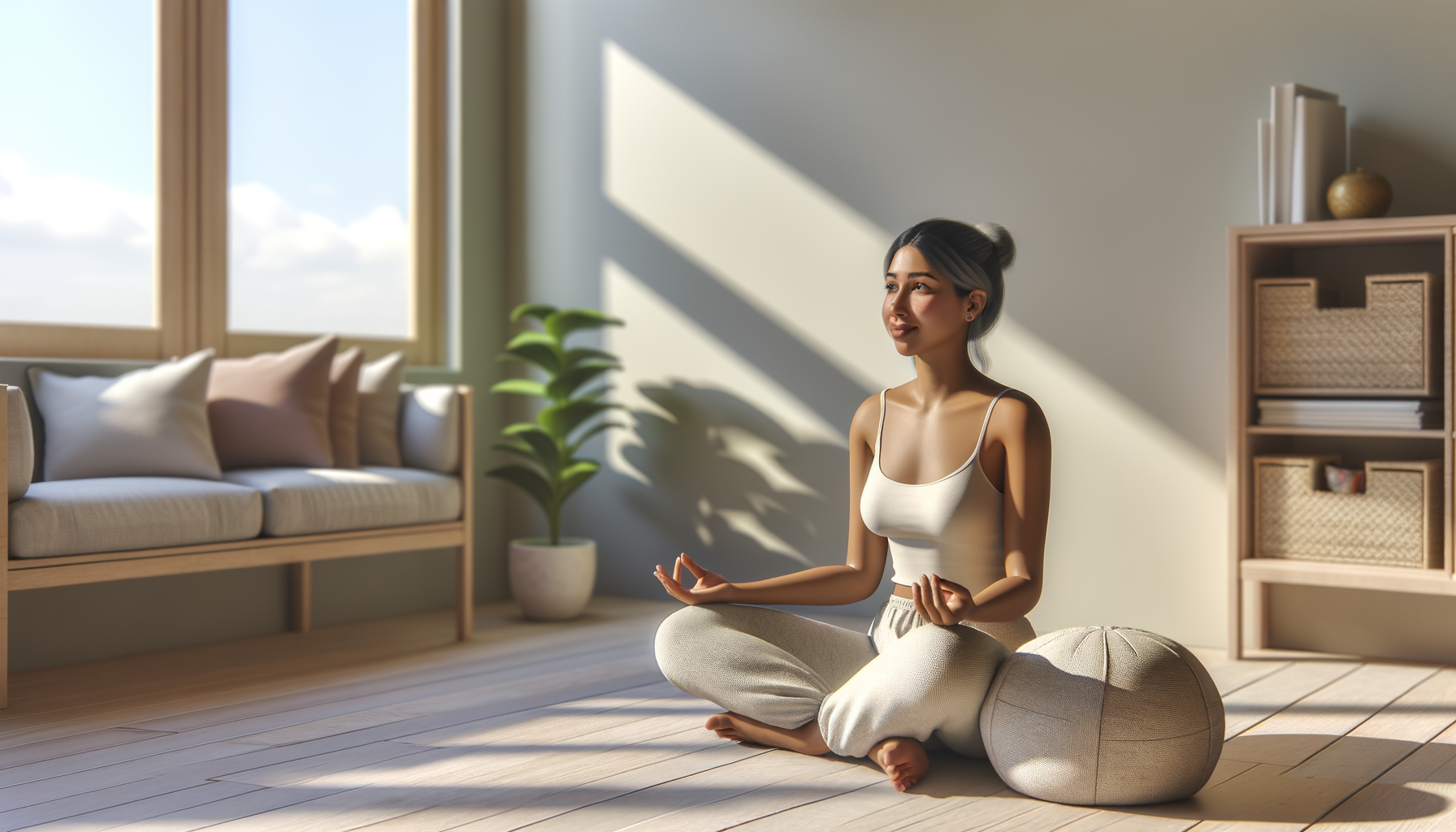
Filed Under: Features

Your Circle of Influence: How to Choose the Right Community for You

May 26, 2024 By

Introduction

Understanding the Concept of a Circle of Influence

The term Circle of Influence originates from social psychology and was popularized by Stephen Covey in his seminal work, “The 7 Habits of Highly Effective People.” It refers to the things in our lives that we can affect or change, such as our behavior, attitudes, and actions, as well as our relationships with others. This concept is divided into three distinct areas: the Circle of Control, the Circle of Influence, and the Circle of Concern. The Circle of Control encompasses the aspects of our lives we have direct power over, such as our personal decisions and actions. The Circle of Influence includes elements we can affect but not control outright, often involving other people or external events. Lastly, the Circle of Concern contains issues that impact us but are beyond our control, like global economic trends or natural disasters. Understanding and focusing on our Circle of Influence can lead to greater productivity, success, and personal satisfaction.

The Importance of Choosing the Right Community

Choosing the right community is pivotal because it significantly impacts our Circle of Influence. The people we surround ourselves with can either expand or shrink this circle. A supportive and aligned community can empower us, provide opportunities for growth, and positively influence our personal and professional lives. Conversely, a misaligned community can limit our potential and hinder our progress. Therefore, it is essential to be selective about the communities we engage with, ensuring they reflect our values, goals, and aspirations.

Overview of How Communities Shape Personal Growth

Communities play a crucial role in shaping our personal growth. They provide a platform for mentorship, learning, and networking, which are vital components of development. Within the right community, we find support systems that encourage us to take risks and pursue our goals. These groups also hold us accountable, helping us stay on track with our personal and professional objectives. Moreover, communities can be a source of inspiration and motivation, pushing us to strive for excellence and to continuously improve. By carefully evaluating and selecting communities that align with our values and goals, we can ensure that our Circle of Influence is both positive and expansive, fostering an environment conducive to personal growth and success.

Identifying Your Personal Values and Goals

Reflecting on What Matters Most to You

Before you can choose the right community for yourself, it’s essential to understand what truly matters to you. Reflecting on your core values is the first step in this process. These are the principles that guide your decisions, shape your behavior, and define what you stand for. To identify your values, consider the moments when you felt the happiest, proudest, and most fulfilled. Ask yourself why these moments were significant and what they reveal about your priorities. It’s also helpful to think about times when you were dissatisfied or upset, as these can indicate what you may want to avoid or change.

Setting Clear Personal and Professional Goals

With a firm grasp of your values, you can set clear personal and professional goals that align with them. Goals give direction to your life and provide a benchmark for measuring success. They should be Specific, Measurable, Achievable, Relevant, and Time-bound (SMART). Personal goals might include improving health, fostering relationships, or pursuing hobbies, while professional goals could focus on career advancement, skill development, or financial stability. Write down your goals and revisit them regularly to track your progress and make adjustments as needed.

Aligning Your Community with Your Life’s Purpose

Once you’ve identified your values and goals, it’s time to align your community with your life’s purpose. Your circle of influence should support and enhance your journey towards these objectives. Seek out communities that share your values and have members who are also working towards similar goals. This alignment creates a symbiotic relationship where you can both contribute to and benefit from the community. Whether it’s a professional network that offers career growth opportunities or a hobby group that encourages personal development, the right community will resonate with your life’s purpose and empower you to achieve your goals.

Assessing Different Types of Communities

Physical vs. Virtual Communities

When assessing communities, it’s essential to distinguish between physical and virtual communities. Physical communities are defined by geographic boundaries and include cities, neighborhoods, or schools. They possess tangible infrastructure such as buildings, roads, and public spaces. Understanding a physical community involves exploring its size, demographics, history, and culture. Virtual communities, on the other hand, exist online and are formed through social networks, forums, or other digital platforms. They are not limited by geography and often revolve around shared interests or goals. While virtual communities lack a physical presence, they can be just as influential as physical ones, offering support, knowledge, and networking opportunities.

Interest-Based Communities

Interest-based communities are formed around shared hobbies, passions, or causes. These can range from book clubs and sports teams to advocacy groups and online gaming communities. The key to their effectiveness is the shared enthusiasm and commitment of their members. When choosing an interest-based community, consider how the community’s focus aligns with your passions and how actively you can participate and contribute to its goals.

Support and Empowerment Groups

Support and empowerment groups provide a space for individuals facing similar challenges or life situations. These communities offer emotional support, practical advice, and a sense of belonging. They can be particularly beneficial for personal growth and overcoming obstacles. When evaluating such groups, look for those that foster a positive, encouraging environment and respect confidentiality.

Educational and Professional Networks

Educational and professional networks are invaluable for career development and lifelong learning. These communities connect you with mentors, peers, and industry leaders. They can take the form of alumni associations, professional organizations, or online learning groups. Assess these networks based on the quality of opportunities they provide for professional growth, such as workshops, seminars, job fairs, and networking events.

In conclusion, when assessing different types of communities, consider the nature of the community (physical or virtual), the shared interests or challenges that bind its members, and the opportunities for personal and professional development. By carefully choosing the right community, you can surround yourself with a supportive network that aligns with your values and goals, ultimately contributing to your growth and success.

The Role of Community in Personal Development

Mentorship and Learning Opportunities

Communities often serve as fertile grounds for mentorship and learning. Within a community, individuals can find mentors who provide guidance, share knowledge, and offer feedback that is crucial for personal growth. These relationships can be formal, such as a structured mentorship program, or informal, arising from regular interactions within the community. Learning opportunities also abound in communities, ranging from workshops and seminars to informal discussions and collaborative projects. By engaging with a community, individuals can acquire new skills, gain insights, and develop a deeper understanding of their field or interests.

Networking and Relationship Building

Networking is a key aspect of community involvement that facilitates the building of professional and personal relationships. These connections can lead to collaborations, job opportunities, and partnerships that enhance an individual’s career and personal life. Relationship building within a community is not just about professional gain; it is also about creating a support network of like-minded individuals who can offer encouragement, share experiences, and provide a sense of belonging.

Support Systems and Accountability

A strong community acts as a support system for its members, offering emotional support, advice, and assistance during challenging times. This support can be instrumental in helping individuals overcome obstacles and continue their personal development journey. Additionally, communities often foster accountability among members. By setting shared goals and expectations, individuals are more likely to follow through on commitments and strive for continuous improvement, knowing that their peers are there to hold them accountable.

Inspiration and Motivation

Being part of a community can be incredibly inspiring and motivating. Seeing the achievements and progress of others can ignite a person’s drive to pursue their own goals. Communities often celebrate successes, which can boost morale and motivate members to aim higher. Furthermore, the collective energy and passion found in a community can be contagious, encouraging individuals to take action and push beyond their perceived limits.

In conclusion, the role of community in personal development is multifaceted and profound. Through mentorship, individuals receive guidance and knowledge that propel their growth. Networking and relationship building open doors to new opportunities and create lasting bonds. Support systems and accountability ensure that members have the encouragement and structure needed to succeed. Lastly, the inspiration and motivation derived from being part of a community fuel the continuous journey of personal development, making the right community an invaluable asset in one’s life.

Evaluating Community Fit

Compatibility with Personal Values

When considering the right community for you, it’s essential to assess how well the community’s values align with your own. A community that shares your core beliefs and principles can be more supportive and empowering. Reflect on the community’s culture, norms, and unwritten rules. Do they resonate with your personal ethics and way of life? For instance, if environmental sustainability is important to you, a community that prioritizes green living and has active recycling programs would be more compatible with your values.

Opportunities for Engagement and Contribution

Look for communities that offer avenues for you to engage with others and contribute meaningfully. Whether through volunteer work, local governance, or social events, the right community should provide opportunities that excite you and allow you to make a difference. Consider the community’s openness to new ideas and members. A community that values diverse perspectives and encourages participation is one where you can thrive and grow.

Assessing the Level of Positivity and Support

The overall atmosphere of a community significantly impacts your experience. Evaluate the level of positivity, encouragement, and support present within the community. Are accomplishments celebrated? Is there a spirit of helping one another? Communities that foster positive relationships and offer support during challenging times can enhance your well-being and provide a strong sense of belonging.

Long-term Sustainability and Growth Potential

Finally, consider the community’s potential for long-term sustainability and growth. A community that is adaptive and forward-thinking can offer ongoing opportunities for personal and professional development. Look into the community’s history and its trajectory. Are there plans for future projects or initiatives that align with your goals? A community with a vision for the future and a commitment to continuous improvement can be a dynamic and enriching environment for you to be part of.

Building and Nurturing Your Chosen Community

Taking Initiative to Connect and Participate

Once you have chosen a community that aligns with your values and goals, the next step is to actively engage with it. Taking initiative is key; don’t wait for others to welcome you. Start by attending events, joining discussions, and volunteering for activities. Your presence and participation are the first steps in weaving yourself into the fabric of the community. Remember, the more you put in, the more you get out. Be proactive in seeking out opportunities to connect and offer your help where needed.

Contributing Your Skills and Knowledge

Every individual brings a unique set of skills and knowledge to a community. Identify what you can offer and don’t hesitate to share it. Whether it’s professional expertise, a passion for a particular hobby, or simply a willingness to lend a hand, your contributions can make a significant difference. By doing so, you not only enrich the community but also establish yourself as a valuable member. This can be as formal as leading a workshop or as informal as providing advice during a casual conversation.

Creating a Culture of Reciprocity and Respect

A thriving community is built on mutual respect and the principle of give-and-take. Strive to create a culture of reciprocity by acknowledging the contributions of others and returning the favor whenever possible. Celebrate successes together and provide support during challenges. Respect comes from listening to different perspectives, being open to new ideas, and treating everyone with dignity. This culture fosters trust and deepens connections, making the community more cohesive and resilient.

Maintaining Healthy Boundaries

While fully immersing yourself in a community is beneficial, it’s also important to maintain healthy boundaries. Recognize your limits and communicate them clearly to avoid burnout. It’s okay to say no when you need to and to take time for yourself. Boundaries ensure that your involvement is sustainable and that you can continue to contribute positively without compromising your well-being. A balanced approach to participation allows you to enjoy the benefits of the community while also taking care of your personal needs.

In conclusion, building and nurturing your chosen community involves a balance of engagement, contribution, cultural development, and personal boundaries. By taking these steps, you can create a fulfilling and supportive environment that not only benefits you but also enhances the lives of all its members.

Conclusion

Recap of Key Points on Choosing the Right Community

Throughout this article, we’ve explored the profound impact that our circle of influence—the community we choose to surround ourselves with—has on our personal and professional lives. We’ve discussed the importance of identifying our personal values and goals, and how aligning with a community that shares these can significantly shape our growth and success. We’ve assessed various types of communities, from physical to virtual, and from interest-based groups to professional networks, highlighting the unique benefits each can offer.

The Continuous Journey of Personal Growth within Your Community

Joining the right community is not a one-time decision but a continuous journey of engagement, contribution, and personal evolution. As we grow and our goals evolve, so too may our community needs change. It’s essential to remain proactive in seeking out mentorship, learning opportunities, and support systems that align with our current path. The relationships we build within our communities serve as both a mirror and a catalyst for our development, reflecting our values and propelling us towards our aspirations.

Encouragement to Seek and Cultivate Meaningful Connections

As we conclude, I encourage you to take the insights from this article and apply them to your life. Reflect on your circle of influence and actively seek out communities that not only support your current ambitions but also challenge you to expand your horizons. Remember, the quality of your life is significantly influenced by the company you keep. Choose communities that see greatness within you, even when you don’t see it yourself, and watch as your world transforms through the power of meaningful connections.

In the words of Jim Rohn, “You’re the average of the five people you spend the most time with.” Let this be a guiding principle as you choose your community. Embrace the journey, for it is within the right circle of influence that you will find the strength, inspiration, and mutual support necessary for a fulfilling and impactful life.

Filed Under: Features

Mindfulness Made Simple: An Easy Guide for Beginners

May 26, 2024 By

Introduction to Mindfulness

What is Mindfulness?

Mindfulness is the practice of being fully present and engaged in the moment, aware of your thoughts and feelings without judgment. It is a state of active, open attention to the present. This means observing your thoughts and feelings from a distance, without calling them good or bad. Instead of letting your life pass you by, mindfulness means living in the moment and awakening to your current experience, rather than dwelling on the past or anticipating the future.

The Benefits of Mindfulness

Practicing mindfulness has numerous benefits. It has been linked to improvements in both mental and physical health. Research suggests that mindfulness can help reduce stress, improve attention, decrease emotional reactivity, and promote a general sense of health and well-being. Additionally, mindfulness practices have been associated with reduced symptoms of anxiety and depression, improved sleep patterns, and better pain management.

Common Misconceptions

There are several misconceptions about mindfulness that can hinder people from trying the practice. Some believe that mindfulness is about stopping thoughts or emptying the mind, but it is actually about noticing thoughts and letting them pass without attachment. Others think that mindfulness is a religious practice, when in fact it is a secular technique for mental training. Additionally, mindfulness is not a quick fix or an escape from reality; it is a skill that requires regular practice and can lead to a deeper understanding of oneself and one’s experiences.

Mindfulness in Daily Life

Mindfulness can be integrated into daily life through simple practices. It doesn’t require special equipment or large amounts of time. Mindfulness can be practiced through mindful breathing, eating, walking, or listening. It’s about bringing a quality of attention to everyday activities, allowing you to be more fully engaged in the present moment. Whether it’s taking a moment to breathe deeply before answering a phone call or savoring each bite during a meal, mindfulness can transform routine experiences into opportunities for increased awareness and presence.

Getting Started with Mindfulness

Setting Intentions

Embarking on a mindfulness journey begins with setting intentions. Intentions act as a compass, guiding your practice and keeping you focused on why you’re incorporating mindfulness into your life. Whether it’s to reduce stress, enhance focus, or cultivate a deeper connection with yourself and others, your intentions will anchor your practice and help you return to the present moment, especially during challenging times.

Creating a Mindful Space

Creating a physical space that encourages mindfulness can significantly enhance your practice. This doesn’t require a complete home makeover; a small, quiet corner with a comfortable seat and minimal distractions will do. The key is consistency and association; over time, your mind will come to recognize this space as a sanctuary for mindfulness, making it easier to transition into a mindful state.

Simple Mindfulness Exercises

For beginners, simple exercises are the best way to start. Try these:

  • Conscious Breathing: Focus on your breath, noticing the sensation of air entering and leaving your nostrils, or the rise and fall of your chest.
  • Mindful Observation: Choose an object and observe it with all your senses. Notice its color, texture, and any sounds it makes.
  • Body Scan: Lie down and mentally scan your body from head to toe, observing any sensations or areas of tension.

Incorporating Mindfulness into Routine

Integrating mindfulness into your daily routine ensures it becomes a part of your life. Start with simple acts like being present while brushing your teeth, eating without distractions, or taking a moment to breathe deeply before starting your car. These small practices can have a profound impact on your overall mindfulness journey.

Mindfulness Techniques for Beginners

Breathing Exercises

One of the simplest ways to begin practicing mindfulness is through focused breathing exercises. Start by finding a quiet space where you can sit or lie down comfortably. Close your eyes and take a deep breath in through your nose, allowing your lungs to fully expand. Exhale slowly through your mouth. Concentrate on the sensation of the air moving in and out of your body. If your mind wanders, gently bring your attention back to your breath. This practice can be as short as a few minutes and is an excellent way to center yourself and calm the mind.

Body Scan Meditation

The Body Scan Meditation is a technique that promotes awareness of the body’s various regions and sensations. Begin in a comfortable position, closing your eyes, and start to focus your attention on your toes. Notice any sensations, such as warmth, tingling, or tension. Gradually move your awareness up through your feet, legs, torso, arms, and head. If you notice areas of tension, acknowledge them without judgment and imagine breathing into them to release tightness. This practice helps to connect the mind and body, fostering a state of relaxation and mindfulness.

Mindful Observation

Mindful Observation is about using your senses to fully engage with your environment. Choose an object around you—a flower, a candle flame, or even a piece of fruit. Focus all your attention on this object, observing every detail about its color, shape, texture, and movement. If your mind starts to drift, gently bring your focus back to the object. This exercise not only sharpens your focus but also encourages appreciation for the present moment and the simple beauty that surrounds you.

Mindful Listening

Mindful Listening involves fully immersing yourself in the sounds around you. Find a comfortable place to sit or stand, and close your eyes if it helps to concentrate. Pay attention to the various sounds that drift into your awareness, both near and far. Instead of labeling or judging the sounds, simply listen to them as they are. Notice the layers of noise, the rise and fall of different pitches, and the spaces between sounds. This practice can deepen your connection to the present and enhance your ability to listen in everyday life.

These mindfulness techniques for beginners are designed to be simple and accessible. Whether you have five minutes or an hour, incorporating these practices into your daily routine can lead to increased calm, focus, and presence. Remember, mindfulness is a skill that grows stronger with regular practice, so be patient and kind to yourself as you embark on this journey.

Overcoming Challenges

Dealing with Distractions

One of the most common hurdles in practicing mindfulness is dealing with distractions. Our environment is saturated with stimuli, from the ping of a new email to the hum of traffic outside. To navigate this, start by acknowledging distractions without judgment. Then, gently redirect your focus back to your mindfulness practice. It can be helpful to designate a specific, quiet space for meditation, or use noise-cancelling headphones with calming sounds to minimize external noise.

Managing Expectations

As beginners, it’s natural to have certain expectations about mindfulness and its benefits. However, holding onto these expectations too tightly can lead to frustration. Mindfulness is not about achieving a state of bliss or emptying the mind of thoughts; it’s about being present and aware. Embrace a mindset of curiosity and let go of the need for a specific outcome. Remember, mindfulness is a practice, and each experience is part of the learning process.

Staying Motivated

Maintaining motivation can be challenging, especially when progress seems slow. To stay motivated, set realistic, achievable goals and celebrate small victories. Whether it’s managing to focus for a few minutes longer than yesterday or simply returning to practice each day, acknowledge your efforts. Additionally, vary your mindfulness exercises to keep the practice fresh and engaging. Joining a community or finding a mindfulness buddy can also provide encouragement and accountability.

When to Practice Mindfulness

There’s a common misconception that mindfulness requires a perfect time and place. In reality, mindfulness can be practiced at any moment, whether you’re washing dishes, waiting in line, or taking a walk. Start by integrating short mindfulness exercises into your daily routine, such as taking three deep breaths before starting your car or observing the sensations of your feet touching the ground as you walk. As you become more comfortable, you can extend these practices or set aside dedicated times for longer meditation sessions.

Remember, the journey of mindfulness is unique for everyone. Be patient and kind to yourself as you navigate these challenges. With consistent practice and a compassionate approach, you’ll cultivate a deeper sense of presence and peace in your life.

Deepening Your Mindfulness Practice

Mindfulness with Movement: Yoga and Walking

Integrating mindfulness with movement, such as yoga and walking, can enhance your awareness and connection to the present moment. Yoga combines physical postures, breathing exercises, and meditation, creating a holistic approach to mindfulness. As you move through each pose, focus on your breath and the sensations in your body, allowing thoughts to pass without attachment. Similarly, mindful walking is about paying attention to the experience of walking, noticing the rhythm of your steps, the feel of the ground beneath your feet, and the sounds around you. This practice can be done anywhere, from a busy city street to a quiet forest trail.

Mindful Eating

Mindful eating is the practice of being fully present during meals, savoring each bite, and listening to your body’s hunger and fullness cues. Start by eliminating distractions like TV or smartphones during meals. Pay attention to the colors, textures, and flavors of your food, and chew slowly. This practice can transform your relationship with food and help you enjoy your meals more fully while also preventing overeating.

Gratitude and Loving-Kindness Meditation

Practicing gratitude can shift your focus from what’s lacking to the abundance that’s already present in your life. Take time each day to reflect on things you’re grateful for, big or small. Loving-kindness meditation (Metta) is another powerful practice that involves sending wishes of happiness, health, safety, and ease to yourself and others. Start with yourself, then gradually extend these wishes to loved ones, acquaintances, and even those with whom you have difficulties.

Journaling for Self-Reflection

Journaling is a reflective practice that can deepen your mindfulness by providing a space to explore your thoughts and feelings on paper. It can be a form of meditation in itself. Set aside a few minutes each day to write without censorship. This can help you identify patterns in your thoughts and behaviors, leading to greater self-awareness and insight.

By incorporating these practices into your life, you can deepen your mindfulness practice and enhance your overall well-being. Remember, the journey of mindfulness is one of continuous exploration and growth.

Integrating Mindfulness into Relationships

Mindful Communication

Communication is the cornerstone of any relationship. Mindful communication involves being fully present with your partner, listening deeply without judgment, and speaking your truth with kindness. It’s about creating a space where both individuals feel heard and respected. To practice mindful communication:

  • Focus on the present moment during conversations, setting aside distractions like phones or televisions.
  • Listen with the intent to understand, not to respond. This means giving your full attention to your partner without formulating your reply while they are speaking.
  • Use “I” statements to express your feelings and needs without blaming or criticizing the other person.
  • Practice active listening by reflecting back what you’ve heard to ensure you’ve understood correctly.

Setting Boundaries with Kindness

Setting boundaries is essential for healthy relationships, but it can be challenging. Mindfulness helps by making you more aware of your limits and more compassionate in communicating them. To set boundaries with kindness:

  • Be clear about your needs and limits. Know what you are comfortable with and what you are not.
  • Communicate your boundaries assertively but with compassion, recognizing that your needs are as important as your partner’s.
  • Be consistent in maintaining your boundaries, as this builds trust and respect.
  • Remember that setting boundaries is not selfish; it’s a form of self-care that benefits both you and your relationship.

Cultivating Empathy

Empathy is the ability to understand and share the feelings of another. In relationships, empathy fosters connection and closeness. To cultivate empathy:

  • Practice putting yourself in your partner’s shoes, especially during conflicts or when they are sharing something important.
  • Be curious about your partner’s experiences and feelings without judgment.
  • Validate your partner’s emotions by acknowledging them, even if you don’t fully understand or agree.
  • Use mindfulness to manage your reactions, allowing space for your partner’s emotions without becoming overwhelmed by them.

Shared Mindfulness Practices

Engaging in mindfulness practices together can strengthen your relationship by creating shared experiences and deepening your connection. Consider:

  • Attending a mindfulness class or retreat together to learn new skills and bond over the experience.
  • Practicing daily meditation together, even if it’s just for a few minutes.
  • Incorporating mindfulness into everyday activities, like eating a meal in silence and savoring the experience.
  • Supporting each other’s individual mindfulness practices by providing time and space for personal meditation.

Integrating mindfulness into your relationships can transform the way you interact with your partner, creating a foundation of openness, respect, and compassion. By practicing mindful communication, setting boundaries with kindness, cultivating empathy, and engaging in shared mindfulness practices, you can build a stronger, more connected relationship.

Maintaining a Mindful Lifestyle

Creating a Supportive Environment

To maintain a mindful lifestyle, it’s essential to create an environment that fosters mindfulness. This means organizing your living and working spaces to reduce clutter and distractions. A serene, tidy space can help calm the mind and make it easier to focus on the present moment. Consider incorporating elements of nature, such as plants or a small fountain, to bring a sense of tranquility to your environment. Additionally, having dedicated areas for relaxation and meditation can serve as a gentle reminder to engage in mindful practices regularly.

Continuous Learning and Growth

Mindfulness is a journey, not a destination. As such, continuous learning and personal growth are vital components of a mindful lifestyle. Engage with new materials, attend workshops, or join mindfulness groups to deepen your understanding and practice. Embrace the mindset of a lifelong learner, and be open to the lessons that each moment offers. Remember, mindfulness is about being present and aware, so approach each experience with curiosity and an eagerness to grow.

Mindfulness Resources

Fortunately, there are numerous resources available to support your mindfulness practice. Books, podcasts, apps, and websites offer guidance and tools for beginners and seasoned practitioners alike. Explore guided meditations, articles on the science of mindfulness, and stories from others on their mindfulness journeys. Utilize these resources to find inspiration, learn new techniques, and stay informed about the latest research in the field of mindfulness.

Embracing a Mindful Future

As you continue to integrate mindfulness into your life, envision a future where mindfulness is woven into the fabric of your daily routine. Imagine facing challenges with a calm and centered approach, communicating with others more thoughtfully, and experiencing a deeper connection to yourself and the world around you. By embracing a mindful future, you commit to a life of awareness, compassion, and intentionality. This commitment not only benefits you but also positively impacts those around you, contributing to a more mindful society.

Remember, maintaining a mindful lifestyle is about more than just occasional practice; it’s about making mindfulness a core part of who you are and how you live. It’s about creating a life where mindfulness is as natural as breathing. With dedication and a supportive environment, continuous learning, accessible resources, and a vision for a mindful future, you can cultivate a life that is rich with presence and peace.

Filed Under: Features

The Yoga Panorama: An Overview of Styles for the Curious Beginner

May 26, 2024 By

Introduction to Yoga

The Essence of Yoga

Yoga is an ancient practice that transcends its physical aspects of postures and breath control, reaching into the depths of human consciousness. At its core, yoga is a holistic discipline that harmonizes the body, mind, and spirit. It is a journey of self-discovery, allowing practitioners to connect with their inner selves and the universe at large.

Benefits of Yoga for Mind, Body, and Spirit

The benefits of yoga are manifold and impact every facet of a person’s being. Physically, it enhances flexibility, strength, and balance. Mentally, it fosters clarity, focus, and calmness. Spiritually, yoga can be a conduit for personal growth and enlightenment. Regular practice is known to reduce stress, alleviate anxiety, and promote a sense of overall well-being.

  • Physical Health: Improved flexibility, increased muscle strength, better posture, and enhanced respiratory functions.
  • Mental Wellness: Stress relief, mental clarity, improved concentration, and a boost in mood.
  • Spiritual Growth: A deeper sense of self-awareness, inner peace, and connection with a higher purpose.

Yoga as a Path to Self-Actualization

Yoga is more than a physical exercise; it is a tool for self-actualization. Through the practice of yoga, individuals embark on a transformative journey, exploring their potential and unlocking the layers of their consciousness. It encourages living with intention, mindfulness, and an open heart, guiding practitioners towards a life of fulfillment and purpose.

What to Expect as a Beginner

Embarking on the yoga journey can be both exciting and daunting for beginners. It’s important to approach yoga with an open mind and patience. As a beginner, expect to learn the basics of breathing techniques, postures (asanas), and meditation. It’s normal to feel awkward or uncertain at first, but with time, the movements will become more fluid, and the benefits more apparent. Remember, yoga is a personal practice, and progress is individual. Embrace the journey, and let go of comparisons and expectations.

Most importantly, listen to your body and move at your own pace. Yoga is not about perfection or performance; it’s about growth and self-exploration. With consistent practice, you will notice improvements in your physical abilities, mental focus, and a deeper connection with your inner self.

Understanding Different Styles of Yoga

The Spectrum of Yoga Styles

Yoga is a rich and diverse practice with a style to suit every preference and need. At one end of the spectrum, we have the gentle, restorative forms such as Yin Yoga, which focuses on deep tissue release and mindfulness. Moving along, there’s the foundational Hatha Yoga, which is often recommended for beginners due to its slower pace and emphasis on basic postures. In the middle, Vinyasa Yoga offers a dynamic flow that synchronizes breath with movement, appealing to those who enjoy a more physical workout.

For the more disciplined practitioner, Ashtanga Yoga presents a challenging series of sequences that are performed in the same order every time. Then there’s Kundalini Yoga, sometimes referred to as the “weird yoga,” which combines vigorous exercise sets with breathwork, meditation, and the chanting of mantras, aiming to awaken the spiritual energy at the base of the spine.

Finding Your Yoga Fit

Finding the right yoga style is akin to finding the perfect pair of jeans—it should fit comfortably and enhance your best features. Start by assessing your physical condition, mental state, and the goals you wish to achieve through yoga. Are you seeking relaxation, flexibility, strength, or spiritual growth? Attend different classes, experience various teaching styles, and notice how you feel during and after each session. Trust your intuition; your body will often signal which form of yoga resonates with you the most.

Common Misconceptions about Yoga Styles

There are several misconceptions that can mislead beginners on their yoga journey. One common myth is that all yoga is the same, which overlooks the unique qualities and benefits each style offers. Another is the belief that yoga is only for the flexible or fit; in reality, yoga is accessible to everyone, with modifications available for all body types and fitness levels. Additionally, some may view styles like Kundalini as too esoteric or challenging, not realizing that it can be adapted to suit a range of abilities and interests, and can profoundly impact one’s physical and spiritual well-being.

Understanding the diversity within yoga helps to appreciate its depth and breadth. Whether you’re drawn to the physicality of Vinyasa, the discipline of Ashtanga, or the holistic approach of Kundalini, there’s a yoga style that can nurture your mind, body, and spirit. Embrace the journey of exploration and find the yoga path that aligns with your personal aspirations.

Hatha Yoga: The Foundation

What is Hatha Yoga?

Hatha Yoga is often considered the foundation of all yoga styles. It is a traditional system that includes the practice of asanas (yoga postures) and pranayama (breathing exercises), which help bring peace to the mind and body, preparing the body for deeper spiritual practices such as meditation. The word “Hatha” can be broken down into “Ha,” meaning “sun,” and “Tha,” meaning “moon,” representing the balance of masculine aspects—active, hot, sun—and feminine aspects—receptive, cool, moon—within all of us. Hatha Yoga aims to balance these energies through physical and mental activities.

Benefits of Hatha Yoga

The benefits of Hatha Yoga are manifold and affect the practitioner on multiple levels: physical, emotional, and spiritual. Physically, it enhances flexibility, strength, and balance. It also improves posture and alignment, and can contribute to a better functioning of the respiratory, circulatory, digestive, and hormonal systems. Emotionally, regular practice can lead to improved mood, increased mindfulness, and a reduction in stress and anxiety. Spiritually, Hatha Yoga can pave the way for a deeper sense of inner peace and an enhanced connection with oneself.

Key Poses in Hatha Yoga

For beginners, there are several key poses that form the core of Hatha Yoga practice. These include:

  • Tadasana (Mountain Pose): The foundation of all standing poses, Tadasana improves posture and, when practiced regularly, can help reduce back pain.
  • Adho Mukha Svanasana (Downward-Facing Dog): A pivotal pose that strengthens the entire body while providing a stretch for the shoulders, hamstrings, calves, arches, and hands.
  • Balasana (Child’s Pose): A restful pose that can be revisited anytime during the practice to relax and refocus the mind.
  • Bhujangasana (Cobra Pose): This backbend strengthens the spine and buttocks while stretching the chest, shoulders, and abdomen.
  • Sukhasana (Easy Pose): A simple cross-legged position that opens the hips and lengthens the spine, promoting tranquility and calm.

These poses are just the beginning of a Hatha Yoga practice, but they provide a solid foundation for new practitioners to build upon. As one progresses, these poses can be held for longer periods, and the practice can be deepened to include more advanced asanas and variations.

Vinyasa Yoga: The Flow

What is Vinyasa Yoga?

Vinyasa Yoga, often referred to as “flow” yoga, is a dynamic and fluid style of practice that links movement with breath. The word “Vinyasa” can be translated from Sanskrit as “to place in a special way,” which in the context of yoga means the sequencing of poses in a purposeful order, creating a continuous flow. This style of yoga is characterized by a series of postures that smoothly transition from one to the next, using the breath as a guide. Unlike more static styles, Vinyasa is about the journey between the poses as much as the poses themselves.

Benefits of Vinyasa Yoga

The benefits of Vinyasa Yoga are manifold, impacting the practitioner on physical, mental, and emotional levels. Physically, the constant movement helps to build strength, flexibility, and endurance. The synchronization of breath with movement enhances respiratory function and increases blood circulation, promoting detoxification and improving overall cardiovascular health. Mentally, the flow of movements requires focus, which can lead to a meditative state, reducing stress and anxiety. Emotionally, the practice encourages self-expression and can lead to a sense of inner peace and balance.

  • Strengthens the entire body, particularly core muscles
  • Improves flexibility and balance
  • Enhances cardiovascular endurance
  • Reduces stress through meditative focus
  • Encourages mindfulness and present-moment awareness

Understanding the Vinyasa Sequence

The core of Vinyasa Yoga lies in the Vinyasa Sequence, which typically involves a series of poses that flow from one to the next. A common example is the transition from Chaturanga Dandasana (Four-Limbed Staff Pose) to Urdhva Mukha Svanasana (Upward-Facing Dog) and then to Adho Mukha Svanasana (Downward-Facing Dog), often referred to as a “Vinyasa Flow.” This sequence is frequently used as a link between other sequences or poses and is a staple in Vinyasa classes.

Understanding the Vinyasa Sequence is crucial for a smooth practice. It begins with an inhalation to extend or open the body, followed by an exhalation to fold or contract. This breath-synchronized movement is what creates the flowing nature of the practice. Beginners are encouraged to focus on their breath and to move at their own pace, ensuring that the practice is safe and comfortable for their level of fitness and flexibility.

As practitioners advance, they can explore more complex sequences and incorporate variations that challenge their strength, flexibility, and balance. However, the essence of Vinyasa Yoga remains the same: a seamless dance between breath and movement, cultivating a moving meditation that rejuvenates the body and calms the mind.

Yin Yoga: The Meditative Approach

What is Yin Yoga?

Yin Yoga is a contemplative practice that targets the deeper connective tissues of the body, such as the fascia, ligaments, and joints. Unlike the more dynamic styles of yoga that focus on muscle engagement, Yin Yoga requires practitioners to surrender into poses and hold them for extended periods, typically ranging from one to five minutes. This meditative approach to yoga emphasizes stillness and the cultivation of a deeper inward focus, allowing for a unique and profound exploration of body and mind.

Benefits of Yin Yoga

The slow and steady nature of Yin Yoga offers a myriad of benefits. By holding poses for longer durations, practitioners can:

  • Improve flexibility: Gently stretching connective tissues can help increase circulation in the joints and improve overall flexibility.
  • Encourage mindfulness: The stillness of the practice provides an excellent opportunity to cultivate moment-to-moment awareness.
  • Reduce stress: The calming effect of long-held poses can help reduce stress and anxiety, promoting relaxation and a sense of well-being.
  • Stimulate chi: According to traditional Chinese medicine, Yin Yoga can help improve the flow of chi (energy) through the body’s meridians.
  • Promote recovery: The gentle pressure applied to joints and connective tissues can help with the recovery of mobility and alleviate pain.

Yin Yoga Poses for Beginners

For those new to Yin Yoga, here are a few foundational poses to get started:

  • Butterfly Pose: Sitting with the soles of the feet together and knees wide apart, hinge forward from the hips, allowing the back to round gently. This pose targets the hips and lower back.
  • Dragonfly Pose: From a seated position, extend the legs wide to the sides and fold forward, promoting flexibility in the hamstrings and spine.
  • Banana Pose: Lying on the back, shift the hips to one side and the upper body and legs to the opposite side, creating a banana-like shape. This side stretch opens up the chest and obliques.
  • Sphinx Pose: Lying face down, prop the torso up on the elbows with forearms flat on the ground, stretching the abdominal muscles and the spine.
  • Child’s Pose: From a kneeling position, fold forward with arms extended or by the sides, offering a gentle stretch to the back and hips.

Props such as bolsters, blocks, and blankets are often used in Yin Yoga to support the body and encourage total relaxation. As beginners explore these poses, they should remember to approach each posture without force, respecting their body’s limits, and allowing time to gently coax the tissues into a state of relaxation and release.

Yin Yoga is a journey into the inner landscapes of the self, where the quiet and slow unfolding of the practice can lead to a profound sense of peace and rejuvenation. It is an invitation to explore the subtler energies of the body and to connect with the meditative aspects of yoga.

Ashtanga Yoga: The Intense Discipline

What is Ashtanga Yoga?

Ashtanga Yoga is a traditional and highly structured form of yoga that involves synchronizing the breath with a progressive series of postures—a process producing intense internal heat and a profuse, purifying sweat that detoxifies muscles and organs. The result is improved circulation, a light and strong body, and a calm mind. Ashtanga is often seen as a rigorous, physically demanding practice, which is part of its appeal for those looking to enhance their strength, stamina, and flexibility.

Benefits of Ashtanga Yoga

The benefits of Ashtanga Yoga are manifold. Physically, it builds core strength and tones the body, increases flexibility, and promotes cardiovascular health. Mentally, it helps to develop focus, concentration, and determination. As practitioners move through the series of poses with controlled breathing, they often experience an increase in energy levels and a sense of inner peace. The discipline required for Ashtanga also encourages personal growth and self-awareness, as it challenges individuals to push their limits and explore their potential.

The Six Series of Ashtanga Yoga

Ashtanga Yoga is divided into six series, each with its own set of poses and level of difficulty:

  • The Primary Series (Yoga Chikitsa) detoxifies and aligns the body.
  • The Intermediate Series (Nadi Shodhana) purifies the nervous system by opening and clearing the energy channels.
  • The Advanced Series A, B, C, and D (Sthira Bhaga) integrate the strength and grace of the practice, requiring higher levels of flexibility and humility. Each series builds upon the last, with Advanced A being the first of the advanced levels.

Each series begins with the same Sun Salutations and standing poses. This is followed by a unique set of poses for each series, and concludes with the same finishing sequence. The Mysore style of Ashtanga Yoga allows for individual practice within a group setting, with students moving through the series at their own pace, guided by the teacher.

Ashtanga’s structured approach is beneficial for beginners because it provides a clear path of progression. However, it is important to start with the guidance of an experienced teacher to ensure proper alignment and to avoid injury. As practitioners advance, they move on to the next series, deepening their practice and exploring new dimensions of their physical and mental capabilities.

In conclusion, Ashtanga Yoga is a dynamic and challenging form of yoga that offers a range of benefits and a structured path for development. Whether you are looking to improve your physical health, mental clarity, or spiritual well-being, Ashtanga Yoga can be a rewarding practice for those willing to commit to its disciplined approach.

Choosing the Right Yoga Style for You

Assessing Your Fitness and Flexibility Levels

Embarking on a yoga journey begins with understanding your current physical condition. Assessing your fitness and flexibility levels is crucial to selecting a yoga style that aligns with your capabilities and growth potential. If you’re new to physical activity or have limitations, consider starting with gentler forms such as Hatha Yoga, which focuses on foundational poses at a slower pace. For those with a moderate level of fitness seeking a dynamic and physically challenging experience, styles like Vinyasa or Ashtanga may be more suitable. Remember, yoga is about personal progress and not competition; choose a style that challenges you without risking injury.

Aligning Yoga with Your Personal Goals

Yoga is not a one-size-fits-all practice. Reflect on what you wish to achieve through yoga. Are you looking for stress relief, spiritual growth, physical fitness, or a combination of these? If mental and emotional well-being is your priority, the meditative and slower-paced Yin Yoga can be profoundly beneficial. Conversely, if building strength and endurance is your goal, the structured and intense Ashtanga series might resonate with you. Aligning your practice with your personal goals will help maintain motivation and ensure a fulfilling yoga experience.

Experimenting with Different Styles

Exploration is key in the vast landscape of yoga. Each style offers unique benefits and experiences. Don’t hesitate to experiment with different styles to discover what resonates with you. Attend beginner classes in various styles, or try online tutorials to get a feel for each practice. Some may enjoy the rigor of Ashtanga, while others may find solace in the rhythmic flow of Vinyasa or the introspective stillness of Yin. Remember, it’s not uncommon to combine elements from multiple styles to create a personalized practice that suits your evolving needs.

Incorporating Yoga into Your Daily Routine

Consistency is vital for reaping the full benefits of yoga. To make it a sustainable part of your life, consider how a yoga style fits into your daily routine. If you have a hectic schedule, a short but regular Vinyasa practice could offer the quick energy boost you need. For those with more time, longer sessions of Hatha or Yin may provide a deeper level of relaxation and rejuvenation. It’s important to choose a style that complements your lifestyle, ensuring that your yoga practice is not just another task, but a cherished part of your daily self-care.

Filed Under: Features

Incorporating Mindfulness into Your Self-Care Routine

May 25, 2024 By

Introduction to Mindfulness and Self-Care

Understanding Mindfulness

Mindfulness is the practice of being fully present and engaged in the moment, aware of your thoughts and feelings without distraction or judgment. It involves a conscious direction of our awareness. We sometimes refer to it as the art of conscious living. Mindfulness is not a task, but a way of being. It is the act of tuning into the present moment, deliberately and without judgement.

The Importance of Self-Care

Self-care is the practice of taking an active role in protecting one’s own well-being and happiness, particularly during periods of stress. It means asking yourself what you need and following through on the honest answer. Self-care can be as simple as getting more sleep or as complex as reevaluating your relationships and habits. It is a vital component of a balanced and healthy life.

The Connection Between Mindfulness and Self-Care

Mindfulness and self-care are deeply interconnected. Mindfulness supports self-care by bringing a greater awareness to our physical and emotional needs. When we are mindful, we are better able to recognize when our bodies and minds are in need of care and attention. Conversely, engaging in self-care activities can enhance our ability to be mindful by reducing stress and improving our mental clarity.

Benefits of Integrating Mindfulness into Self-Care

  • Enhanced Self-Awareness: Mindfulness fosters an increased awareness of our thoughts, feelings, and bodily sensations, which can inform our self-care needs.
  • Stress Reduction: Mindfulness techniques, such as deep breathing and meditation, can help reduce stress, which is a common obstacle to self-care.
  • Improved Emotional Regulation: By being mindful, we can observe our emotions without becoming overwhelmed by them, allowing for healthier coping strategies.
  • Better Focus and Concentration: Mindfulness can improve our ability to concentrate on self-care activities by reducing distractions.
  • Increased Resilience: Regular mindfulness practice can build resilience, making it easier to maintain self-care routines during challenging times.

Getting Started with Mindfulness

Mindfulness for Beginners

Embarking on the journey of mindfulness can be both simple and profound. Mindfulness is the art of being fully present and engaged in the moment, aware of your thoughts and feelings without judgment. For beginners, it’s important to understand that mindfulness is a natural ability that can be strengthened with practice. Start by setting aside a few minutes each day to sit quietly and focus on your breath or surroundings. Acknowledge any thoughts that arise, then gently return your focus to the present moment.

Creating a Mindful Space

To cultivate a consistent mindfulness practice, it’s helpful to create a space that encourages relaxation and concentration. Choose a quiet corner of your home that is free from distractions. You might add elements that soothe the senses, such as a comfortable cushion, soft lighting, or a plant. This space doesn’t need to be large or elaborate; it simply needs to signal to your brain that it’s time to slow down and be mindful.

Simple Mindfulness Exercises

  • Five Senses Exercise: Take a moment to notice something you can see, touch, hear, taste, and smell. This practice grounds you in the present.
  • Mindful Observation: Choose an object and focus on it intently. Notice its color, texture, and other qualities without attaching any judgment.
  • Mindful Eating: Take small bites and savor each one, paying attention to the flavors and textures of your food.

Incorporating Mindfulness into Daily Routines

Mindfulness can be integrated into your daily life with small adjustments. For instance, when brushing your teeth, focus on the sensation of the bristles against your gums. When walking, feel the contact of your feet with the ground. Turn routine activities into mindful moments, and soon mindfulness will become a seamless part of your day.

Remember, the key to mindfulness is consistency and patience. It’s not about perfection, but about returning to the present moment over and over again. With time, mindfulness will not only be a part of your self-care routine but will enhance the quality of your daily life.

Mindful Breathing Techniques

The Role of Breath in Mindfulness

Breath is often referred to as the anchor of mindfulness practice. It is a constant, natural process that can be harnessed to bring our attention to the present moment. By focusing on the breath, we can observe the mind’s tendency to wander and gently guide it back to the here and now. This simple act of returning to the breath can cultivate a sense of calm and stability amidst the chaos of daily life.

Basic Breathing Exercises

Starting with basic breathing exercises can lay the foundation for a deeper mindfulness practice. One such exercise is the Three-Part Breath, which involves deeply inhaling to fill the abdomen, ribcage, and chest, and then exhaling fully in reverse order. This technique helps to deepen the breath and focus the mind. Another foundational practice is Equal Breathing, where you inhale for a count of four, hold for a count of four, and exhale for the same count, creating a balanced rhythm that soothes the nervous system.

Breathing Techniques for Stress Reduction

For those moments when stress and anxiety creep in, specific breathing techniques can be particularly effective. The 4-7-8 Technique, also known as the “Relaxing Breath,” involves inhaling for a count of four, holding the breath for seven counts, and exhaling for eight counts. This method is believed to act as a natural tranquilizer for the nervous system. Another technique, Diaphragmatic Breathing, encourages full oxygen exchange and can slow the heartbeat and lower blood pressure, making it a powerful tool for stress reduction.

Integrating Breathing Exercises into Your Day

Incorporating mindful breathing into your daily routine doesn’t have to be time-consuming or complicated. It can be as simple as taking a few deep breaths before each meal, using breathwork as a transition between work tasks, or practicing a few minutes of mindful breathing before bed to promote restful sleep. The key is consistency and allowing these moments of mindfulness to become natural pauses in your day.

Remember, the beauty of mindful breathing lies in its simplicity and accessibility. Whether you’re seated at your desk, waiting in line, or lying in bed, your breath is a tool that’s always with you, ready to anchor you back to the present moment.

Mindful Movement and Physical Care

Yoga and Mindfulness

Yoga is a holistic practice that combines physical postures, breathing techniques, and meditation or relaxation. It serves as a powerful tool for cultivating mindfulness, as it requires practitioners to pay close attention to their body’s movements and alignment, as well as their breath. This focus on the present moment enhances body awareness and calms the mind. Integrating yoga into your self-care routine can lead to improved flexibility, strength, and stress reduction. Whether you choose a vigorous Vinyasa flow or a gentle Hatha session, the key is to stay mindful of each posture and breath, allowing the practice to become a moving meditation.

Walking Meditation

Walking meditation is a form of mindful movement that involves walking slowly and deliberately, paying close attention to the experience of walking. It’s an excellent way to incorporate mindfulness into your routine, especially if you find sitting still for traditional meditation challenging. Focus on the sensation of your feet touching the ground, the rhythm of your steps, and the movement of your body through space. You can practice walking meditation anywhere – in a park, along a beach, or even in your own backyard. It’s a simple yet effective way to connect with your body and the environment, fostering a sense of grounding and presence.

Body Scans for Tension Release

Body scanning is a mindfulness exercise that involves paying attention to different parts of the body in sequence, typically starting at the feet and moving upwards. This practice can help identify areas of tension and promote relaxation. As you focus on each body part, breathe into any discomfort or tightness, encouraging muscles to soften and release. Regular body scans can increase bodily awareness and serve as an early detection system for stress, allowing you to address tension before it escalates into pain or discomfort.

Scheduling Time for Mindful Movement

One of the challenges of maintaining a self-care routine is finding the time for it. To ensure that mindful movement becomes a consistent part of your life, schedule it just as you would any important appointment. Determine the time of day when you’re most likely to stick to your practice – perhaps a morning yoga session to start your day or a walking meditation during your lunch break. By making a commitment to your calendar, you’re more likely to prioritize this time for yourself, leading to a more balanced and mindful lifestyle.

Mindfulness in Daily Activities

Eating Mindfully

Eating is an activity that we often do on autopilot, but it presents a perfect opportunity to practice mindfulness. To eat mindfully, start by engaging all your senses when you choose, prepare, and consume your food. Notice the colors, textures, scents, and even the sounds of your food. When you take a bite, do so slowly, savoring the flavors and textures. Chew thoroughly and resist the urge to rush through your meal. Mindful eating can transform a mundane task into a moment of peace, appreciation, and a chance to nourish both your body and mind.

Mindful Listening and Communication

Communication is a two-way street, and mindful listening is an essential part of it. To practice this, focus fully on the speaker, setting aside your own thoughts and judgments. Notice their body language, tone, and emotions. When it’s your turn to speak, do so with intention and clarity, staying present to the conversation’s flow. This practice not only improves relationships but also enhances your ability to connect with others on a deeper level.

Mindfulness During Household Tasks

Household chores can be tedious, but they’re also ripe with opportunities for mindfulness. Whether you’re washing dishes, folding laundry, or cleaning, focus on the task at hand. Feel the water on your skin, the texture of the fabric, or the rhythm of your movements. By doing so, you transform these activities into meditative practices, reducing stress and bringing a sense of calm and accomplishment to your daily life.

Mindful Commuting

Commuting can be stressful, but it can also be a time to practice mindfulness. If you’re driving, notice the grip of your hands on the wheel, the sensation of the seat beneath you, and the scenery passing by. If you’re using public transport, take the time to observe your breath or the sounds around you. Use this time to ground yourself before the day begins or as a way to decompress on your way home.

Integrating mindfulness into your daily activities doesn’t require extra time, just a shift in attention. By bringing awareness to these everyday tasks, you can turn them into a form of self-care that nourishes your mind and spirit.

Overcoming Challenges in Mindfulness Practice

Common Obstacles to Mindfulness

Mindfulness, while beneficial, is not without its challenges. One of the most common obstacles is the perception of not having enough time. Busy schedules can make it seem impossible to carve out moments for mindfulness. Another hurdle is the frustration of not seeing immediate results, which can lead to disillusionment. Additionally, many individuals struggle with the misconception that mindfulness requires a completely clear mind, which is a difficult, if not impossible, standard to achieve.

Staying Motivated

To maintain motivation in your mindfulness practice, it’s essential to set achievable goals and celebrate small victories. Recognize that mindfulness is a skill that develops over time and that consistency is key. Remind yourself of the benefits you’re working towards, such as reduced stress and enhanced focus. It can also be helpful to join a community or find a mindfulness buddy to share experiences and encourage each other.

Dealing with Distractions

Distractions are inevitable, but they don’t have to derail your mindfulness practice. When you notice your mind wandering, gently guide it back to the present moment without judgment. Establishing a dedicated space for mindfulness can help minimize external distractions. If you find your environment too noisy, consider using earplugs or noise-cancelling headphones. Remember, the act of recognizing distractions and returning to the present is the practice of mindfulness itself.

Mindfulness and Self-Compassion

One of the most significant aspects of mindfulness is cultivating self-compassion. It’s important to approach your practice with kindness and understanding, especially when facing challenges. Instead of criticizing yourself for a lack of focus or progress, acknowledge your efforts and the courage it takes to engage in self-care. Embrace mindfulness as an ongoing journey, where each moment is an opportunity for growth and self-discovery.

By acknowledging these challenges and adopting strategies to overcome them, you can enhance your mindfulness practice and make it a sustainable part of your self-care routine.

Building a Sustainable Mindfulness Routine

Setting Realistic Goals

Embarking on a mindfulness journey begins with setting achievable goals. Start by identifying why you want to practice mindfulness and what you hope to gain from it. Whether it’s to reduce stress, improve concentration, or enhance emotional well-being, your goals should be clear and manageable. Begin with short, daily sessions and gradually increase the duration as you become more comfortable with the practice. Remember, the aim is consistency, not perfection.

Tracking Your Progress

Keeping a record of your mindfulness practice can be incredibly motivating. Use a journal or an app to note down your experiences, feelings, and any challenges you encounter. Reflecting on your progress helps you stay committed and can be a source of encouragement on days when motivation wanes. Celebrate small victories, such as completing a week of consistent practice, as these milestones are significant steps towards building a lasting routine.

Adapting Mindfulness to Life Changes

Life is dynamic, and your mindfulness routine should be flexible enough to accommodate changes. If you encounter a busy period or a life event that disrupts your practice, be kind to yourself and adjust accordingly. Shorten your sessions, try different forms of mindfulness, or find new times in the day to engage in your practice. The key is to maintain the habit, even if in a modified form, rather than abandoning it altogether.

Resources for Continued Learning

As you grow in your mindfulness practice, seek out resources to deepen your understanding and keep the routine fresh. Books, podcasts, workshops, and online courses can provide new insights and techniques. Connect with a community of mindfulness practitioners for support and inspiration. Remember, mindfulness is a lifelong journey, and there is always more to explore and learn.

In conclusion, building a sustainable mindfulness routine is about setting realistic goals, tracking your progress, adapting to life’s changes, and continually seeking resources for growth. With patience and persistence, mindfulness can become an integral part of your self-care regimen, offering a sanctuary of peace in the midst of life’s inevitable ebbs and flows.

Filed Under: Features

10 Steps to Crafting Your Ultimate Self-Care Routine

May 25, 2024 By

Introduction

Understanding Self-Care

Self-care is often misconstrued as indulgence or selfishness. In reality, it is a vital practice that encompasses activities supporting our mental, emotional, and physical health. It’s about asking ourselves, “How am I feeling right now?” and “What do I need?”—then addressing those needs in healthy ways. Self-care is not just about bubble baths and relaxation; it’s about taking proactive steps to maintain and enhance our well-being, allowing us to show up as our best selves for others and for our own lives.

The Importance of a Personalized Self-Care Routine

While the concept of self-care is universal, the practice is deeply personal. What constitutes self-care for one person may not resonate with another. It’s essential to craft a routine that aligns with your unique needs, preferences, and lifestyle. A personalized self-care routine is not a one-size-fits-all solution; it’s a tailored approach that balances activities bringing immediate joy with those that provide long-term satisfaction and health benefits. This balance ensures that self-care is not just another task on your to-do list, but a set of enjoyable and rejuvenating practices that support your overall well-being.

How This Guide Will Help You

This guide is designed to walk you through the process of creating your ultimate self-care routine. By following the steps outlined, you’ll learn to assess your current self-care practices, set intentions, and establish a routine that nurtures your body, mind, and spirit. We’ll provide practical tips and strategies to integrate self-care into your daily life, adjust your routine as needed, and celebrate your progress. Whether you’re new to self-care or looking to refine your existing practices, this guide will offer the support and encouragement you need to prioritize your well-being and thrive.

Step 1: Self-Assessment

Identifying Your Needs

Embarking on a self-care journey begins with understanding your unique needs. Self-care is not a one-size-fits-all approach; it’s deeply personal and should reflect what you value and require for your well-being. Start by considering the various domains of your life, such as physical, psychological, emotional, spiritual, and relational aspects. Identify what maintenance self-care—the regular activities that keep you functioning well—looks like for you, as well as emergency self-care strategies for particularly stressful times. Reflect on what helps you feel balanced and fulfilled, and be honest about areas that may be lacking attention.

Reflecting on Your Current Self-Care Practices

Take a moment to assess your current self-care habits. What are you already doing that serves your well-being? Use tools like the Self-Care Assessment to highlight the positive practices you have in place and to pinpoint any imbalances. Are there areas you’re neglecting? Perhaps you’re physically active but rarely take time for mindfulness or social connections. Recognizing these patterns is the first step toward creating a more holistic self-care routine. Also, consider any negative coping strategies you might be using and how you can replace them with more beneficial practices.

Setting Intentions for Your Self-Care Journey

With a clearer understanding of your needs and current practices, it’s time to set intentions. Intentions are not just goals; they are commitments to honoring your well-being. Think about what you want to achieve with your self-care routine. Is it to reduce stress, improve your health, or foster stronger relationships? Whatever your focus, ensure it aligns with your personal values and lifestyle. Write down these intentions and consider them a contract with yourself—a promise to prioritize your health and happiness. Remember, self-care is a continuous commitment, and setting clear intentions is a powerful step in making it a reality.

Step 2: Prioritizing Your Well-being

Establishing Self-Care Boundaries

One of the most crucial steps in crafting your ultimate self-care routine is establishing self-care boundaries. These are the limits you set for yourself and others that enable you to maintain your well-being. To do this, you must first recognize your limits and understand that it’s okay to protect your energy and time. Boundaries might include designated times when you are unavailable to others, limits on work hours, or deciding which social engagements to decline in favor of rest or solitude. Remember, setting boundaries is not selfish; it’s a necessary step to ensure you can be your best self for you and those around you.

Learning to Say No

Alongside setting boundaries comes the art of saying no. This can be challenging, especially if you’re accustomed to being a people-pleaser. However, learning to politely decline requests that do not align with your self-care goals is essential. It’s about honoring your needs and recognizing that you cannot pour from an empty cup. Start small by saying no to minor things, and gradually, you’ll build the confidence to decline larger requests that may lead to stress or burnout.

Making Time for Yourself

With the demands of daily life, making time for yourself can seem like a luxury, but it’s a fundamental aspect of self-care. To prioritize your well-being, you must carve out moments in your schedule for activities that rejuvenate you. This could be as simple as a 20-minute walk, reading a book, or practicing a hobby. It’s not about finding more time; it’s about allocating existing time differently. Consider waking up a bit earlier to enjoy a quiet morning, or use your lunch break to take a breather from work. The key is to make these moments a non-negotiable part of your day.

In conclusion, prioritizing your well-being is about taking proactive steps to ensure your self-care is not sidelined. By establishing boundaries, learning to say no, and making time for yourself, you create a solid foundation for a self-care routine that sustains and nourishes you. Remember, your well-being is the bedrock upon which all else is built, so give it the attention it deserves.

Step 3: Creating a Balanced Routine

Incorporating Physical Activities

Physical activity is a cornerstone of any self-care routine. It boosts endorphins, improves cardiovascular health, and can significantly enhance your mood. To craft a balanced routine, consider activities that you enjoy and can realistically fit into your schedule. This could range from a morning yoga session to an evening dance class, or even a brisk walk during your lunch break. The key is consistency, so aim for at least 30 minutes of moderate exercise most days of the week. Remember, the best exercise is the one you’ll actually do, so choose activities that bring you joy and invigorate your body.

Including Mindfulness and Meditation

Mindfulness and meditation are powerful tools for mental clarity and emotional balance. Integrating these practices into your self-care routine can help reduce stress and foster a sense of inner peace. Start with just five minutes a day of focused breathing or guided meditation and gradually increase the time as you become more comfortable with the practice. You can meditate first thing in the morning to set a calm tone for the day, or in the evening to unwind. The goal is to be present in the moment and to create a space where you can disconnect from the day’s chaos and reconnect with yourself.

Balancing Social and Solitary Activities

A balanced self-care routine includes a mix of social and solitary activities. While human connection is vital for our well-being, so is the time we spend alone. Evaluate your current lifestyle and consider if you need more time with friends and family or more time for solitude. Social activities could include joining a club, volunteering, or simply having coffee with a friend. Solitary activities might involve reading, journaling, or pursuing a hobby. Striking the right balance between socializing and solitude can help you recharge and maintain healthy relationships with others and yourself.

Remember, your self-care routine should evolve as your life does. Be open to trying new activities and adjusting your routine to fit your changing needs. The ultimate goal is to create a self-care practice that supports your overall well-being and helps you lead a fulfilling life.

Step 4: Nurturing Your Spirit

Exploring Spiritual Practices

Embarking on a journey of spiritual self-care can be transformative. It’s about connecting with something greater than ourselves, finding meaning, and cultivating inner peace. Exploring spiritual practices is a deeply personal endeavor, and there’s no one-size-fits-all approach. Whether it’s through meditation, prayer, or other forms of spiritual expression, the key is to find practices that resonate with you and make them a regular part of your routine. Consider setting aside a specific time each day for these activities, creating a sacred space in your home, or joining a community that shares your spiritual values.

Connecting with Nature

There’s something inherently soothing about being in nature. It’s a place where we can connect with the earth and feel a sense of belonging to the larger web of life. To incorporate nature into your self-care routine, try scheduling regular walks in a park, hikes in the wilderness, or simply spending time in your garden. Pay attention to the sights, sounds, and smells around you. Let the natural world rejuvenate your spirit and remind you of the beauty and simplicity of life.

Cultivating Positivity and Gratitude

Our mindset plays a crucial role in our overall well-being. By cultivating positivity and gratitude, we can shift our focus from what’s lacking to the abundance that’s already present in our lives. Start a gratitude journal and write down three things you’re thankful for each day. Practice positive affirmations that reinforce your self-worth and encourage a hopeful outlook. Remember, a grateful heart is a magnet for miracles, and by nurturing a positive spirit, you’re setting the stage for more joy and contentment to enter your life.

In conclusion, nurturing your spirit is an essential component of a holistic self-care routine. It’s about honoring your innermost needs and desires, connecting with the world around you, and maintaining a positive, grateful mindset. As you integrate these practices into your life, you’ll likely notice a profound impact on your overall sense of well-being.

Step 5: Cultivating Emotional Health

Understanding and Managing Stress

Stress is an inevitable part of life, but how we manage it can significantly impact our emotional health. To understand stress, we must recognize its sources, whether they stem from work, relationships, or personal expectations. Effective stress management begins with identifying what triggers our stress and developing strategies to address it. Techniques such as deep breathing, regular exercise, and time management can help mitigate stress levels. Additionally, incorporating relaxation practices like yoga or meditation into your daily routine can activate the parasympathetic nervous system, allowing your body to relax and recharge.

Building Emotional Resilience

Emotional resilience is the ability to adapt to stressful situations and bounce back from adversity. Building resilience involves fostering a positive mindset, practicing self-compassion, and viewing challenges as opportunities for growth. To enhance your resilience, start by setting realistic goals and celebrating small victories. Cultivate a support network of friends and family who can provide encouragement and perspective. Engaging in activities that promote a sense of achievement, such as learning a new skill or hobby, can also contribute to a more resilient self.

Seeking Support When Needed

While self-care is a personal journey, it’s important to recognize when to seek external support. This can come in many forms, such as confiding in trusted friends, joining a support group, or seeking professional help from a therapist or counselor. Remember, asking for help is not a sign of weakness but a courageous step towards taking care of your emotional well-being. It’s essential to create a safety net of resources that you can turn to during challenging times, ensuring that you’re not alone in your self-care journey.

Remember, cultivating emotional health is a critical component of your ultimate self-care routine. By understanding and managing stress, building emotional resilience, and seeking support when needed, you can create a strong foundation for lasting emotional well-being.

Step 6: Enhancing Relationships

Investing in Meaningful Connections

At the heart of a fulfilling life are the connections we foster with others. Investing in meaningful relationships is a cornerstone of self-care, as these bonds provide support, joy, and a sense of belonging. To nurture these connections, it’s essential to be intentional about the time and energy we dedicate to them. This might involve scheduling regular catch-ups with friends, participating in family traditions, or joining groups that align with your interests. Remember, quality trumps quantity; it’s about the depth of the connection, not the number of people in your social circle.

Setting Healthy Relationship Boundaries

While relationships are vital to our well-being, it’s equally important to establish healthy boundaries. Boundaries protect our energy and emotional health, allowing us to interact with others without depleting ourselves. Start by identifying your limits and communicating them clearly to those around you. This might mean saying no to additional commitments when you’re already stretched thin or asking for space when you need time to recharge. Respect your own boundaries, and you’ll find others will too, leading to more balanced and respectful relationships.

Practicing Effective Communication

Effective communication is the glue that holds relationships together. It involves not only speaking but also listening with empathy and without judgment. To enhance your relationships through communication, practice active listening, where you fully concentrate on what’s being said rather than planning your response. When it’s your turn to speak, express yourself honestly and kindly, ensuring your words align with your true feelings and needs. Remember, a crucial part of communication is also non-verbal cues, so be mindful of your body language and tone.

By investing in meaningful connections, setting healthy boundaries, and practicing effective communication, you can build a self-care routine that includes a rich and supportive social network. These relationships will not only enrich your life but also provide a foundation of support as you continue on your self-care journey.

Step 7: Personal Growth and Learning

Adopting a Growth Mindset

Personal growth begins with the adoption of a growth mindset. This concept, popularized by psychologist Carol Dweck, refers to the belief that our abilities and intelligence can be developed with time, effort, and persistence. Unlike a fixed mindset, which assumes that our capabilities are static and unchangeable, a growth mindset embraces challenges, perseveres through setbacks, and views effort as a path to mastery. To cultivate a growth mindset:

  • Embrace challenges as opportunities to learn and grow.
  • Learn from criticism and seek out feedback.
  • Celebrate the success of others as inspiration.
  • Understand that effort is a necessary part of the journey to achievement.

Pursuing New Interests and Hobbies

Exploring new interests and hobbies is a vital component of self-care that can lead to personal growth. Engaging in activities that are both enjoyable and challenging can improve mental health, boost creativity, and even lead to new social connections. To integrate new interests into your life:

  • Identify activities that pique your curiosity or passion.
  • Set aside regular time each week to explore these interests.
  • Join clubs or groups that share your new hobby to build community and accountability.
  • Be patient with yourself as you learn; remember that the journey is as important as the destination.

Embracing Lifelong Learning

Lifelong learning is the continuous pursuit of knowledge for both personal and professional development. It’s about keeping your mind active and engaged, staying current in your field, or exploring entirely new domains of knowledge. Lifelong learning can take many forms, from formal education to self-directed study. To embrace lifelong learning:

  • Read widely and diversely to expose yourself to new ideas and perspectives.
  • Take advantage of online courses, workshops, and webinars.
  • Attend talks, conferences, and networking events to learn from experts and peers.
  • Reflect on your learning experiences and consider how they can be applied to your life and work.

By integrating these practices into your self-care routine, you not only nurture your well-being but also empower yourself to reach your full potential. Personal growth and learning are not just about acquiring new skills or knowledge; they’re about becoming more adaptable, resilient, and open to the experiences life offers.

Step 8: Integrating Self-Care into Daily Life

Creating Self-Care Habits

Establishing self-care habits is akin to planting a garden; it requires patience, consistency, and the right conditions to flourish. Begin by identifying small, manageable self-care activities that resonate with you. These could range from a five-minute morning meditation to a weekly meal-prepping session. The key is to start with actions that feel rewarding and doable within your current lifestyle.

Consistency is the bedrock of habit formation. To make self-care a natural part of your day, link new self-care activities to existing routines. For instance, practice deep breathing exercises while your coffee brews or stretch for a few minutes before hopping into the shower. Over time, these small acts become woven into the fabric of your daily life, transforming into non-negotiable elements of your day.

Using Reminders and Scheduling

Life’s hectic pace can make it easy to sideline self-care, but reminders and scheduling can serve as your allies. Utilize technology to your advantage by setting alarms or calendar alerts for self-care appointments with yourself. Whether it’s a reminder to take a break and walk around the block or an alert for your bi-weekly yoga class, these prompts ensure self-care remains a priority.

Consider the power of visual cues as well. Place sticky notes with affirmations on your bathroom mirror or set your phone’s wallpaper to a quote that inspires self-care. These small nudges can help keep your self-care goals at the forefront of your mind.

Adjusting Routines as Life Changes

Flexibility is crucial when it comes to maintaining a self-care routine amidst life’s inevitable changes. As your circumstances evolve, so too should your self-care practices. Periodically assess your routine and ask yourself if it still serves your needs. Don’t hesitate to modify or replace activities that no longer fit.

When faced with major life transitions, such as a new job or a move, take the opportunity to re-evaluate your self-care routine. It might be the perfect time to introduce new practices or to let go of ones that are no longer practical. Remember, self-care is a personal and dynamic journey, one that should adapt to support you through all of life’s seasons.

Step 9: Monitoring and Adjusting Your Routine

Keeping a Self-Care Journal

One of the most effective ways to monitor your self-care routine is by keeping a self-care journal. This journal serves as a personal record where you can document your activities, feelings, and the outcomes of your self-care practices. Start by jotting down the self-care activities you engage in each day, how much time you spend on them, and any immediate or delayed feelings or results you notice. Over time, patterns will emerge, allowing you to see which practices yield the most benefits and which may require tweaking. Remember, the act of writing itself can be therapeutic, offering a moment of reflection and mindfulness.

Evaluating What Works and What Doesn’t

As you fill the pages of your self-care journal, take time periodically to evaluate the effectiveness of your self-care routine. Ask yourself questions like: “Do I feel more relaxed after my evening walk?” or “Does journaling before bed improve my sleep quality?” By assessing what works and what doesn’t, you can make informed decisions about which activities to continue, modify, or eliminate. It’s important to be honest with yourself during this process and recognize that not every self-care activity will suit your unique needs.

Being Flexible and Adaptable

Life is ever-changing, and so too should be your self-care routine. Embrace a mindset of flexibility and adaptability. If a new job or family commitment disrupts your routine, don’t be discouraged. Instead, view it as an opportunity to adjust and find new ways to incorporate self-care into your schedule. Perhaps you can’t make it to the gym in the mornings anymore, but a brisk lunchtime walk could be just as invigorating. Or maybe you’ve discovered a new hobby that brings you joy. Incorporate it into your routine and see how it enhances your well-being. The key is to remain open to change and willing to experiment with new self-care strategies as your life evolves.

In conclusion, monitoring and adjusting your self-care routine is a dynamic process that requires ongoing attention and intention. By keeping a self-care journal, evaluating the effectiveness of your practices, and being willing to adapt to life’s changes, you can ensure that your self-care routine remains a nurturing and supportive pillar in your life.

Step 10: Celebrating Your Progress

Recognizing and Rewarding Your Achievements

As you journey through your self-care routine, it’s essential to pause and acknowledge the milestones you’ve reached. Celebrating your progress is not about vanity; it’s about recognizing the commitment you’ve made to your well-being. Whether it’s sticking to your routine consistently, noticing improvements in your stress levels, or simply feeling more at peace, each achievement is worth celebrating.

Consider setting up a reward system for yourself. This could be as simple as treating yourself to a relaxing bath after a week of consistent self-care or buying a new book or item that contributes to your self-care goals. Rewards reinforce positive behavior and provide motivation to maintain your self-care routine.

Reflecting on Your Self-Care Journey

Reflection is a powerful tool in the self-care process. Take time to look back on where you started and how far you’ve come. Reflect on the changes you’ve made and how they’ve impacted your life. Have you noticed a difference in your energy levels, mood, or overall happiness? Use a journal to document your thoughts and feelings throughout your self-care journey. This not only serves as a record of your progress but also helps you to understand yourself better and make any necessary adjustments to your routine.

Inspiring Others with Your Commitment to Self-Care

Your self-care journey can be a beacon of inspiration for others. Share your experiences with friends, family, or on social media. You never know who might be motivated by your dedication to self-care. By being open about your journey, you encourage others to prioritize their well-being and start their own self-care routines.

Remember, self-care is a personal experience, and what works for you might not work for someone else. However, by sharing your story, you can show that it’s possible to make self-care a priority, regardless of life’s demands. Your journey can help to destigmatize the need for self-care and remind others that taking care of oneself is an act of strength, not selfishness.

Conclusion

As you continue to navigate the path of self-care, remember that it’s a continuous journey. There will be days when you feel like you’ve taken a step back, but it’s important to focus on the overall progress you’ve made. Celebrate every step forward, learn from the setbacks, and always strive to be kind to yourself. Your ultimate self-care routine is not just about the actions you take but also about cultivating a mindset that values and honors your well-being.

Conclusion

The Continuous Path of Self-Care

Self-care is not a destination but a continuous journey. It is an ongoing process of tuning into your needs, responding to the changes in your life, and nurturing yourself in the most wholesome way possible. As you evolve, so will your self-care routine. It’s important to remember that what works for you now may need to be adjusted in the future. Embrace this evolution as a natural and necessary part of your growth.

Staying Committed to Your Well-being

Commitment to your self-care routine is crucial. It’s easy to let life’s demands overshadow your personal needs, but the truth is, you can’t pour from an empty cup. Prioritize your well-being by scheduling regular self-care time and treating it with the same importance as your other responsibilities. Consistency is key. Whether it’s a five-minute breathing exercise or an hour-long walk in nature, make sure these activities are non-negotiable parts of your day.

Final Thoughts and Encouragement

As you embark on this self-care journey, be patient and kind to yourself. Celebrate the small victories and don’t be discouraged by setbacks. Remember, self-care is deeply personal, and there is no one-size-fits-all approach. Trust your instincts, and allow yourself the flexibility to explore what truly makes you feel replenished and alive.

Finally, let your self-care journey inspire others. Share your experiences and encourage those around you to invest in their well-being. Your commitment to self-care not only benefits you but also sets a powerful example for your community.

Take pride in the steps you’ve taken and look forward to the path ahead. You are worth every effort you make towards your health and happiness.

Filed Under: Features

Self-Care on a Shoestring: Affordable Ways to Pamper Yourself

May 25, 2024 By

Introduction

Understanding Self-Care

Self-care is the intentional practice of taking action to preserve or improve one’s own health, well-being, and happiness, particularly during periods of stress. It encompasses a broad spectrum of activities and practices that individuals may engage in to promote physical, emotional, and mental health. Self-care is not a one-time event but an ongoing process of maintaining balance and well-being in one’s life.

The Importance of Affordability in Self-Care

While self-care is essential, it is often perceived as a luxury due to the commercialization of wellness products and services. However, self-care should be accessible to everyone, regardless of financial status. Affordability in self-care ensures that individuals can engage in health-promoting activities without the added stress of financial burden. It is about finding cost-effective ways to nurture oneself and recognizing that the most impactful forms of self-care are often simple and inexpensive.

Setting the Tone for Self-Care on a Budget

Embarking on a self-care journey does not require an extravagant budget. It is possible to pamper oneself and cultivate a self-care routine that is both effective and affordable. Setting the tone for self-care on a budget involves creativity, resourcefulness, and a shift in perspective. It’s about valuing quality over quantity, utilizing free or low-cost resources, and embracing simple pleasures that contribute to overall well-being. By prioritizing self-care and recognizing its importance, one can find numerous ways to engage in self-care practices that are both beneficial and budget-friendly.

Self-care is a vital aspect of living a balanced and fulfilling life. It’s about taking the time to attend to your own needs, ensuring that you’re not only surviving but thriving. In today’s fast-paced world, self-care has become more important than ever. However, it’s also become increasingly commercialized, often portrayed as an indulgence that comes with a hefty price tag. But self-care doesn’t have to be expensive. In fact, some of the most effective self-care practices cost very little or nothing at all.

Affordability in self-care is crucial. It ensures that taking care of oneself is not an exclusive privilege but a universal possibility. When self-care is affordable, it becomes sustainable and integrated into daily life, rather than being an occasional splurge. This section of the article will explore various ways to practice self-care without spending a lot of money, emphasizing that self-care is a necessity, not a luxury.

Finally, setting the tone for self-care on a budget is about mindset. It’s about understanding that the most luxurious spa day or the most expensive wellness retreat cannot match the profound benefits of consistent, daily self-care practices that cost little to nothing. It’s about making self-care a priority and finding joy in the simple acts of kindness we show ourselves every day.

In the following sections, we will delve into specific areas of self-care, offering practical and affordable tips for incorporating self-care into every aspect of your life. From mindfulness and meditation to physical, emotional, and social self-care, we will provide you with a comprehensive guide to pampering yourself in a way that is both indulgent and fiscally responsible.

Mindfulness and Meditation

Free Meditation Apps and Online Resources

Embarking on a meditation journey doesn’t have to strain your wallet. There are numerous free meditation apps such as Insight Timer, MyLife Meditation, and UCLA Mindful that offer guided sessions for beginners and seasoned practitioners alike. Additionally, online platforms like YouTube host a plethora of meditation channels, providing access to calming music and guided practices at no cost. These resources make it easy to incorporate meditation into your daily routine, enhancing your mental clarity and stress management.

Creating a Personal Meditation Space

Your environment can significantly influence your meditation practice. Creating a personal meditation space in your home need not be expensive. Find a quiet corner and make it comfortable with cushions or a yoga mat. Add elements that soothe the senses, such as candles, plants, or soft lighting. This dedicated space doesn’t require lavish adornments; simplicity is key to fostering a tranquil atmosphere where you can retreat and focus inward.

DIY Mindfulness Exercises

Mindfulness can be practiced anywhere, at any time, without spending a dime. Engage in DIY mindfulness exercises by paying close attention to your daily activities. For instance, savor the flavors of your meal, feel the water on your skin during a shower, or simply observe your breath. These practices anchor you in the present moment, cultivating a sense of peace and awareness that benefits both mind and body.

The Power of Breathwork

One of the most potent tools in your self-care arsenal is the very breath you take. Breathwork exercises, such as deep belly breathing or the 4-7-8 technique, can be performed without any cost. These practices are powerful in regulating the body’s stress response and can be done in just a few minutes. By learning and incorporating breathwork into your daily routine, you can access a quick and effective method to calm your mind and reduce anxiety.

“`

Physical Self-Care

At-Home Yoga and Fitness Routines

Physical self-care is a cornerstone of overall well-being, and it doesn’t have to come with a hefty price tag. At-home yoga and fitness routines offer a cost-effective way to maintain your health. With a plethora of free online videos and apps, you can create a personalized workout regimen that suits your schedule and fitness level. Whether it’s a 30-minute yoga session to start your day or a high-intensity interval training (HIIT) workout, the key is consistency. Roll out a mat, find a comfortable space, and commit to regular exercise to reap the benefits of improved strength, flexibility, and stress relief.

Nature as a Healing Space

Embracing the outdoors is another affordable approach to physical self-care. Nature provides a serene backdrop for activities like walking, hiking, or simply sitting and soaking in the environment. Studies have shown that spending time in natural settings can lower blood pressure, reduce stress, and enhance mood. Find a local park or trail and schedule regular visits to connect with nature. This not only promotes physical activity but also offers a moment of tranquility in our often hectic lives.

Nutrition: Eating Well on a Budget

Nutrition is a vital component of physical self-care, and eating well doesn’t have to strain your wallet. Planning meals, shopping for seasonal produce, and cooking at home are all strategies to nourish your body economically. Focus on whole foods like fruits, vegetables, grains, and lean proteins. Be creative with leftovers and explore different cuisines to keep your meals interesting and healthy. Remember, mindful eating is about quality, not just quantity, so savor each bite and listen to your body’s hunger cues.

The Importance of Sleep and Tips for Better Rest

Quality sleep is essential for physical health, yet it’s often overlooked. To improve sleep, establish a consistent bedtime routine and create a restful environment. This might include dimming the lights, avoiding screens before bed, and ensuring your bedroom is a comfortable temperature. Consider relaxation techniques such as deep breathing or progressive muscle relaxation to help you unwind. If you’re struggling with sleep, avoid caffeine and heavy meals close to bedtime, and try natural sleep aids like chamomile tea or lavender essential oil.

Emotional Self-Care

Journaling for Emotional Release

Journaling is a powerful tool for emotional self-care that can be both therapeutic and affordable. It provides an outlet for expressing thoughts and feelings that may be difficult to articulate verbally. By putting pen to paper, you can explore your emotions in a safe and private space, which can lead to greater self-awareness and emotional clarity. To start journaling, all you need is a notebook and a few minutes each day to reflect on your experiences and emotions. Whether you prefer structured prompts or free writing, journaling can help you navigate complex feelings and foster a deeper connection with yourself.

Affordable or Free Counseling Options

Access to mental health support should not be limited by financial constraints. There are several affordable or free counseling options available for those seeking emotional self-care. Community centers, universities, and online platforms often offer low-cost or sliding scale services. Additionally, many therapists provide a certain number of pro bono sessions. Online resources, such as support groups and mental health forums, can also offer guidance and a sense of community without the cost associated with traditional therapy. Exploring these options can be a vital step in taking care of your emotional well-being.

Building a Supportive Community

Human connection is a cornerstone of emotional self-care. Building a supportive community involves cultivating relationships with people who understand and empathize with your experiences. This can be achieved through local clubs, interest-based groups, or online communities. Engaging in regular meet-ups, whether virtual or in-person, can provide a sense of belonging and a network of support. Remember, a supportive community is about quality, not quantity; a few meaningful connections can be just as beneficial as a large social circle.

Creative Outlets for Emotional Health

Creative expression is a cost-effective way to enhance emotional self-care. Activities like drawing, painting, writing, or playing music allow for the exploration and expression of emotions in a non-verbal way. These creative outlets can serve as a form of meditation, helping to focus the mind and release pent-up feelings. Moreover, the act of creating something can boost self-esteem and provide a sense of accomplishment. You don’t need expensive materials to get started; use whatever you have on hand to begin your creative journey towards emotional healing.

Emotional self-care is an integral part of maintaining a balanced and fulfilling life. By utilizing tools such as journaling, seeking affordable counseling, building a supportive community, and engaging in creative outlets, you can nurture your emotional health without spending a fortune. Remember, the goal of emotional self-care is to cultivate a compassionate relationship with yourself, allowing you to navigate life’s ups and downs with resilience and grace.

Social Self-Care

Cultivating Relationships Without Spending Money

Building and maintaining relationships is a cornerstone of social self-care, and it doesn’t have to come with a price tag. Quality time is the most valuable currency in any relationship. Engage in simple activities like taking a walk together, organizing a potluck dinner, or hosting a game night using board games you already own. The act of conversation—sharing stories, dreams, and concerns—can strengthen bonds without the need for monetary investment.

Volunteering: Giving Back as Self-Care

Volunteering offers a unique blend of social connection and the fulfillment of contributing to a cause greater than oneself. It’s a way to meet like-minded individuals while making a positive impact in your community. Whether it’s helping out at a local food bank, participating in a neighborhood clean-up, or lending your skills to a nonprofit, volunteering can provide a sense of purpose and belonging that is essential to social self-care.

Social Media Detoxing

In an era where social media often substitutes for genuine connection, taking a break can be a form of self-care. A social media detox allows you to step back and focus on in-person interactions, which can be more fulfilling and less stressful. This doesn’t mean you have to quit social media entirely; even short breaks can help reset your perspective and reduce the urge to compare your life to others’ highlight reels.

Affordable Ideas for Socializing

  • Community Events: Attend free or low-cost local events such as concerts in the park, art exhibits, or cultural festivals.
  • Outdoor Adventures: Organize a hike, a day at the beach, or a picnic in the park. Nature provides a beautiful backdrop for socializing.
  • Book Clubs or Interest Groups: Join or start a group based on shared interests. Libraries and community centers often have space available for meetings.
  • Home Entertainment: Invite friends over for a movie night or to watch a sports game. Sharing the experience can be just as exciting as going out.

Remember, the essence of social self-care is about connection, not consumption. By focusing on experiences and relationships, you can enrich your social life without spending excessively.

Spiritual Self-Care

Exploring Spirituality Through Free Online Content

Embarking on a spiritual journey doesn’t have to come with a price tag. The internet is a treasure trove of free resources that can guide you through various spiritual practices and philosophies. From podcasts and YouTube channels dedicated to meditation and mindfulness to blogs and online communities discussing metaphysical concepts, there’s a wealth of knowledge available at your fingertips. Take advantage of these resources to deepen your understanding of spirituality and find practices that resonate with you.

Creating Sacred Spaces at Home

Transforming a corner of your home into a sacred space can serve as a sanctuary for spiritual practice and reflection. This doesn’t require expensive items; instead, focus on creating an area that feels peaceful and conducive to introspection. Incorporate elements like candles, plants, or meaningful symbols that inspire a sense of tranquility. A simple altar with items that hold personal significance can also enhance the spiritual atmosphere of your space.

Practices for Connecting with Nature

Nature itself is a powerful source of spiritual nourishment. Engage in practices that help you attune to the natural world, such as mindful walks, gardening, or simply spending time in quiet contemplation outdoors. Observing the cycles of nature can be a profound spiritual exercise, reminding us of the interconnectedness of all life and the rhythms of the universe.

The Role of Gratitude and Positive Affirmations

Gratitude and positive affirmations are simple yet profound tools for spiritual self-care. Start or end your day by reflecting on things you’re grateful for, which can shift your focus from scarcity to abundance. Incorporating positive affirmations into your daily routine can also rewire thought patterns, leading to a more optimistic outlook and a deeper sense of spiritual well-being. Write down affirmations that resonate with you and place them where you’ll see them regularly.

Conclusion

Integrating Affordable Self-Care into Daily Life

As we’ve explored throughout this article, self-care is an indispensable part of a healthy and balanced life. It’s clear that self-care need not be synonymous with expensive spa days or luxury retreats; rather, it can be seamlessly woven into the fabric of our daily routines without imposing financial strain. By leveraging the wealth of free and low-cost resources at our disposal—from meditation apps to nature walks—we can cultivate a self-care practice that is both sustainable and enriching. The key is to identify activities that resonate with us personally and to make them a non-negotiable part of our day, much like brushing our teeth or eating our meals.

Maintaining Consistency and Commitment

Consistency is the cornerstone of any successful self-care regimen. It’s one thing to enjoy a moment of relaxation or to eat a healthy meal once in a while, but the true benefits of self-care are reaped through regular practice. Commitment to self-care often requires a shift in mindset, recognizing that taking care of ourselves is not an indulgence but a necessity. To maintain this consistency, it can be helpful to schedule self-care activities into our calendars, set reminders, or even enlist a friend or family member as a self-care accountability partner. Over time, these practices become ingrained habits, contributing to our overall well-being and happiness.

Final Thoughts on Self-Care as a Journey

Ultimately, self-care is a personal journey, one that is unique to each individual. It’s a continuous process of tuning in to our needs and responding with kindness and compassion. As we navigate the ebbs and flows of life, our self-care needs will inevitably change, and our practices will need to adapt accordingly. It’s important to remain flexible and forgiving, understanding that there will be days when our self-care routine is not perfect—and that’s okay. The goal is not to achieve self-care perfection but to strive for a balanced life where self-care is integrated into our daily existence. By embracing self-care on a shoestring, we empower ourselves to live our best lives, regardless of our financial circumstances.

Filed Under: Features

Maximizing Me-Time: Effective Time Management for Self-Care

May 24, 2024 By

Introduction

Understanding the Importance of Me-Time

Amidst the hustle and bustle of daily life, it’s easy to overlook the significance of me-time. This precious time is not just a luxury, but a crucial aspect of maintaining mental and emotional well-being. It’s the uninterrupted moments we dedicate to ourselves that allow us to recharge, reflect, and engage in activities that bring us joy and relaxation. Whether it’s reading a book, practicing yoga, or simply sipping coffee in silence, me-time is essential for personal growth and happiness.

The Link Between Self-Care and Time Management

Self-care is often misconstrued as a self-indulgent or selfish act. However, it is, in fact, a responsible approach to life. Effective time management plays a pivotal role in self-care; it’s about making conscious decisions with how we allocate our hours and minutes. By prioritizing tasks and eliminating time-wasters, we can carve out space in our schedules for activities that nourish our souls. This balance is not only beneficial for our own health but also enhances our interactions with others, as we’re better equipped to engage positively when we’ve taken care of ourselves.

Setting the Stage for a Balanced Life

Creating a balanced life is akin to an art form, one that requires attention and intention. It begins with a clear understanding of our values and goals. From there, we can structure our time in a way that aligns with these priorities. Incorporating me-time into our daily routine isn’t a sign of neglecting responsibilities; rather, it’s a strategic move towards a more fulfilled and balanced existence. By setting boundaries and respecting our need for personal time, we lay the groundwork for a life that accommodates both our duties and our desires.

Assessing Your Current Time Allocation

Conducting a Time Audit

To begin maximizing your “me-time,” it’s essential to understand how you currently spend your time. A time audit is a systematic review of your daily activities and their duration. For a week or two, record your tasks in 15-minute intervals. This will provide a clear picture of where your time goes, revealing patterns and areas for improvement. The goal is not to scrutinize every minute but to gain a broad understanding of your time allocation.

Identifying Time Wasters and Distractions

During your time audit, you’ll likely identify activities that do not contribute to your goals or well-being—these are your time wasters and distractions. Common culprits include excessive social media browsing, unproductive multitasking, or attending to non-urgent interruptions. Recognizing these allows you to take proactive steps to minimize or eliminate them, freeing up valuable time for self-care.

Recognizing Patterns and Habits

As you review your time audit, look for patterns and habits that dictate your time use. Are you most productive in the morning or evening? Do certain tasks always take longer than expected? Understanding these patterns can help you rearrange your schedule to align with your natural rhythms and make your time management more effective.

Evaluating Time Spent on Obligations vs. Self-Care

Finally, assess the balance between time spent on obligations and self-care. It’s common to prioritize work, family, and social commitments over personal time. However, for a balanced life, it’s crucial to ensure that self-care is not consistently sidelined. Evaluate the proportion of time dedicated to fulfilling responsibilities versus engaging in activities that rejuvenate and fulfill you. This evaluation will guide you in setting goals to integrate more “me-time” into your life.

By conducting a time audit, identifying time wasters, recognizing patterns, and evaluating your current time allocation, you can take the first steps toward reclaiming and maximizing your “me-time” for better self-care and overall well-being.

Setting Me-Time Goals

Defining What Me-Time Means to You

Before you can effectively manage your time for self-care, it’s essential to define what “me-time” means to you. This personal time should be dedicated to activities that rejuvenate and fulfill you, whether that’s reading, exercising, meditating, or simply doing nothing at all. Consider what activities leave you feeling refreshed and energized, and recognize that this time is not selfish but necessary for your well-being.

Creating SMART Goals for Self-Care

To ensure your me-time is productive and truly beneficial, set SMART goals for your self-care. SMART goals are Specific, Measurable, Attainable, Relevant, and Timely. For instance, instead of vaguely deciding to “exercise more,” a SMART goal would be “to attend yoga class twice per week for the next month.” This approach provides clarity and a way to track your progress.

Prioritizing Activities That Align with Your Values

It’s crucial to prioritize activities that resonate with your personal values and contribute to your overall happiness. Reflect on what matters most to you and ensure that your me-time activities align with these values. If family is a core value, for example, you might prioritize activities that can be shared or enjoyed in parallel with family time.

Incorporating Me-Time into Your Daily Routine

Integrating me-time into your daily life requires intention and planning. Use a personal planning tool, like a digital calendar or planner, to block out time for self-care activities. Start small, perhaps with a 15-minute walk each day or a weekly coffee date with yourself, and guard this time as you would any important appointment. By scheduling these moments, you’re more likely to stick to your self-care routine and make me-time a non-negotiable part of your day.

Remember, the goal of setting me-time goals is not to add another layer of stress to your life, but to ensure that you’re making space for rejuvenation and personal growth. By defining what me-time means to you, creating SMART goals, aligning activities with your values, and incorporating them into your routine, you’ll be on your way to a more balanced and fulfilling life.

Time Management Strategies for Self-Care

The Power of Saying ‘No’

One of the most effective strategies for managing your time and ensuring self-care is learning the power of saying ‘No.’ It’s essential to recognize that your time is finite, and every new commitment you take on means less time for existing obligations and personal rejuvenation. Saying ‘No’ allows you to set boundaries and prioritize activities that align with your self-care goals. It’s not about being selfish; it’s about being selective with the tasks you choose to engage in so that you can maintain your well-being.

Utilizing Time Blocking Techniques

Time blocking is a method of scheduling your day into segments where you focus on specific tasks or categories of tasks. By allocating blocks of time for self-care activities, such as exercise, meditation, or hobbies, you ensure that these activities are not overlooked. Treat these time blocks as non-negotiable appointments with yourself. This technique helps to create a routine and makes self-care a consistent part of your daily life.

Leveraging Technology for Efficient Scheduling

Technology can be a double-edged sword, but when used correctly, it can be a powerful ally in managing your time for self-care. Utilize calendar apps to schedule your self-care activities, set reminders, and even share your availability with others to avoid overcommitting. Apps can also help you track your habits and provide insights into how well you’re sticking to your self-care routine.

Embracing the Pomodoro Technique for Focused Me-Time

The Pomodoro Technique is a time management method that breaks work into intervals, traditionally 25 minutes in length, separated by short breaks. This technique can be adapted for self-care by dedicating a few ‘Pomodoros’ to self-care activities each day. It’s a way to ensure focused me-time, allowing for rest and preventing burnout. The built-in breaks can serve as a cue to check in with yourself and assess your well-being.

Delegating and Outsourcing to Free Up Personal Time

Delegating tasks at work and outsourcing chores at home can free up valuable time for self-care. Identify tasks that others can handle and let go of the need to do everything yourself. This might mean hiring help, using delivery services, or simply asking family members to take on more responsibilities. By freeing up this time, you can invest it back into activities that replenish and restore you.

In conclusion, managing your time effectively is crucial for self-care. By saying ‘No,’ using time blocking techniques, leveraging technology, embracing the Pomodoro Technique, and delegating tasks, you can carve out space in your busy schedule for the activities that nurture your mind, body, and soul. Remember, self-care is not a luxury; it’s a necessity for maintaining balance and well-being in your life.

Integrating Mindfulness into Your Routine

Mindfulness Practices for Busy Schedules

Amidst the whirlwind of daily tasks, integrating mindfulness into your routine can seem daunting. However, mindfulness doesn’t require hours of spare time; it can be woven into the fabric of a busy schedule. Start by dedicating a few minutes each morning to sit in silence, focusing on your breath. This simple act can set a calm tone for the day ahead. Additionally, practice being fully present during routine activities, such as showering or eating, by paying close attention to the sensations and experiences involved. These small, mindful moments can accumulate, leading to a more centered and peaceful state of mind throughout your day.

Short Meditation and Breathing Exercises

Short meditation and breathing exercises can be powerful tools for managing stress and enhancing focus. Even five minutes of deep, diaphragmatic breathing can help reset your stress levels. Try the 4-7-8 technique: inhale for four seconds, hold for seven, and exhale for eight. This exercise can be done anywhere, anytime you feel the need to center yourself. For meditation, apps like Headspace offer guided sessions that can be as brief as one minute, making them perfect for a quick mental reset during a busy day.

The Role of Mindful Eating and Exercise

Mindful eating involves paying full attention to the experience of eating and drinking, both inside and outside the body. Notice the colors, smells, textures, and flavors of your food, as well as the sensations of hunger and satiety. This practice can lead to a more enjoyable and satisfying eating experience and can help prevent overeating. Similarly, exercise can be made mindful by focusing on the physical sensations of movement and breath, which can transform a routine workout into a more enriching experience that connects the body and mind.

Creating a Mindful Living Space

Your environment plays a significant role in your ability to practice mindfulness. Create a living space that encourages peace and reflection. This might mean decluttering, adding plants or calming colors, or setting up a dedicated quiet corner for meditation and relaxation. The goal is to have a physical space that reminds you to slow down and be present. Even at work, simple changes like organizing your desk or using a Luxafor Flag busy light to signal to others when you need uninterrupted time can help maintain a mindful atmosphere.

By incorporating these practices into your daily life, you can create a routine that not only accommodates but enhances mindfulness, leading to improved mental clarity, reduced stress, and a greater sense of well-being.

Overcoming Obstacles to Me-Time

Addressing Guilt and Self-Imposed Pressures

One of the most significant barriers to prioritizing self-care is the guilt associated with taking time for oneself. This guilt often stems from self-imposed pressures to be constantly productive or to meet the unrealistic expectations we set for ourselves. To overcome this, it’s essential to recognize that me-time is not a luxury but a necessity for maintaining mental and physical health. Start by reframing your thinking: view self-care as a non-negotiable part of your routine, just like eating or sleeping. Remember, taking care of yourself enables you to take better care of others and fulfill your responsibilities more effectively.

Navigating Social Expectations and Commitments

Social expectations can also impede our ability to carve out me-time. Whether it’s attending events, responding to messages, or keeping up with social media, the pressure to be socially available can be overwhelming. To navigate this, set clear boundaries and communicate them to friends, family, and colleagues. It’s okay to decline invitations or delay responses when you need time for yourself. Prioritize engagements that are meaningful to you and don’t hesitate to schedule “appointments with yourself” that are just as important as any other commitment.

Finding Balance with Family and Work Responsibilities

Striking a balance between family, work, and personal time is a juggling act. To manage this, involve your family in your self-care journey. Explain the benefits of me-time not just for you, but for the entire household. Encourage family members to respect your self-care time, just as you respect theirs. At work, be proactive about managing your workload and use time management techniques such as delegation and setting realistic deadlines. Remember, it’s about finding a balance that works for you and those around you.

Maintaining Consistency in Your Self-Care Routine

Consistency is key to reaping the benefits of me-time. However, maintaining a routine can be challenging amidst life’s unpredictability. To stay consistent, make self-care a habit by scheduling it into your daily routine. Treat these moments as fixed appointments, and resist the urge to cancel on yourself. If unexpected events arise, be flexible and reschedule rather than skip your me-time entirely. Over time, these consistent self-care practices will become second nature, and you’ll find that they significantly contribute to your overall well-being.

In conclusion, overcoming obstacles to me-time requires a combination of self-compassion, boundary-setting, communication, and consistency. By addressing these challenges head-on, you can ensure that self-care remains an integral part of your life, leading to a more balanced, productive, and fulfilling existence.

Conclusion

Reflecting on the Journey to Self-Care

As we draw this discussion to a close, it’s essential to pause and reflect on the journey we’ve embarked upon towards embracing self-care through effective time management. The path to integrating ‘me-time’ into our lives is not just about carving out a few spare moments for relaxation; it’s about a profound recognition of our intrinsic worth and the value of nurturing ourselves. By conducting time audits, setting goals, and employing various time management strategies, we’ve taken significant steps towards honoring our needs and well-being.

Encouraging Continual Growth and Adaptation

Self-care is an evolving process, and our approach to managing time must be equally dynamic. Continual growth is about being open to change and willing to adapt our strategies as our lives evolve. It’s about staying attuned to our changing needs and the shifting demands of our environments. As we grow, our definition of ‘me-time’ might transform, and the ways we integrate it into our daily routines may need to be reimagined. Embrace this evolution as a natural and necessary part of your self-care journey.

Invitation to Embrace the Lifelong Practice of Self-Care

Finally, we extend an invitation to view self-care not as a luxury or a sporadic indulgence but as a lifelong practice. It’s a commitment to ourselves that deserves to be honored every day. By managing our time effectively, we don’t just enhance our productivity; we affirm our self-worth and cultivate a life of balance and fulfillment. Let us carry forward the insights and strategies we’ve explored, allowing them to guide us in nurturing a sustained and enriching relationship with ourselves.

In conclusion, maximizing ‘me-time’ through effective time management is a testament to the belief that taking care of oneself is the foundation upon which all else is built. As we continue to navigate the complexities of life, let us hold fast to the principles of self-care, making time for ourselves not just an item on our to-do list, but a non-negotiable aspect of our daily existence. Here’s to a balanced life, where every second counts not just in the ticking of the clock, but in the nurturing of our soul.

Filed Under: Features

The Empathy Advantage: Building Stronger Bonds at Work and Home

May 24, 2024 By

Introduction to Empathy

Defining Empathy

Empathy is the capacity to understand and share the feelings of another. It is a multi-dimensional concept that involves experiencing another person’s point of view, rather than just one’s own, and enables individuals to connect with others in a deeply human way. Empathy is not just about recognizing emotions; it is also about stepping into someone else’s shoes and experiencing their emotions as if they were your own.

The Importance of Empathy in Personal and Professional Life

Empathy plays a crucial role in both personal and professional spheres. It is the glue that binds relationships, fostering trust and deeper connections. In the workplace, empathy contributes to a more collaborative and positive environment, enhancing team dynamics and customer relations. It is a cornerstone of effective leadership and management, as it allows leaders to understand and address the needs of their teams. At home, empathy strengthens family bonds and is essential in parenting, helping to nurture compassionate and socially aware individuals.

Empathy vs. Sympathy: Understanding the Difference

While often used interchangeably, empathy and sympathy are distinct concepts. Sympathy involves acknowledging another person’s emotional hardships and providing comfort and assurance. It is a feeling of care and concern for someone, but from a distance. Empathy, on the other hand, goes a step further by actually feeling what the other person is going through. It is a more intimate recognition of the emotions the other person is experiencing.

The Science Behind Empathy: Cognitive and Emotional Components

Empathy is not just a social and emotional phenomenon but also a cognitive one. It encompasses two main components: cognitive empathy and emotional (affective) empathy. Cognitive empathy is the intellectual ability to perceive and understand another person’s emotions and perspective. Emotional empathy is the visceral feeling of another person’s emotions. These components rely on different neural networks within the brain, suggesting that one can have a high capacity for one type of empathy and less for the other. Research also indicates that empathy can vary between individuals, with some studies suggesting that women may experience emotional empathy more intensely than men, although cognitive empathy does not appear to differ significantly between sexes.

Understanding empathy’s multifaceted nature is essential for harnessing its power in our daily interactions and relationships. By recognizing and cultivating empathy, we can build stronger, more compassionate connections with those around us, both at work and at home.

The Empathy Advantage at Work

Fostering a Collaborative Work Environment

Empathy plays a pivotal role in creating a collaborative work environment. When team members feel understood and valued, they are more likely to contribute openly and support one another. Empathy encourages a culture of sharing ideas, constructive feedback, and mutual respect. This leads to a synergy where the collective output is greater than the sum of individual efforts. By recognizing and addressing the emotional and professional needs of employees, leaders can foster a sense of belonging and a shared purpose that drives collaboration.

Empathy in Leadership and Management

Leadership and management are no longer just about setting goals and driving results; they are about understanding and connecting with employees on a human level. Empathetic leaders are adept at sensing the feelings of others and responding appropriately. This emotional intelligence allows them to motivate and engage their teams effectively, leading to increased productivity and job satisfaction. Empathetic management involves active listening, openness to feedback, and the ability to inspire trust and loyalty.

Improving Customer Relations through Empathy

Empathy extends beyond internal operations to encompass customer relations. By empathizing with customers, businesses can better understand their needs, expectations, and pain points. This understanding can lead to improved customer service, product development, and marketing strategies. Companies that excel in empathetic customer relations often enjoy higher customer loyalty and positive word-of-mouth, which are invaluable in today’s competitive market.

Conflict Resolution and Empathy

Conflict is inevitable in any workplace, but empathy can be a powerful tool in resolving disputes. When conflicts arise, an empathetic approach can help de-escalate tensions and facilitate a solution that satisfies all parties. By acknowledging different perspectives and emotions, empathy allows for open communication and a focus on common ground rather than differences. This approach not only resolves the immediate conflict but also strengthens relationships and trust among team members.

Case Studies: Empathetic Companies and Their Success

Many successful companies have recognized the value of empathy and integrated it into their corporate culture. For instance, businesses that have embraced the Great Reset trends, such as the Great Resignation and the Great Relocation, have adapted by prioritizing employee well-being and flexibility. These companies have seen reduced turnover, higher employee engagement, and increased innovation. Empathetic companies often outperform their competitors because they attract and retain top talent, foster a positive brand image, and maintain strong customer relationships.

In conclusion, the empathy advantage at work is clear. It enhances collaboration, leadership, customer relations, and conflict resolution. By examining case studies of empathetic companies, we can see the tangible benefits of this approach. As the business landscape continues to evolve, empathy will remain an essential skill for organizations aiming to thrive in a post-pandemic world.

Cultivating Empathy at Home

Strengthening Family Bonds

Empathy is the cornerstone of strong and resilient family relationships. It allows family members to understand and connect with each other’s feelings, creating a nurturing environment where everyone feels valued and heard. To strengthen family bonds through empathy, it’s essential to practice active listening, where each person’s thoughts and emotions are met with genuine interest and concern. Encouraging family members to express themselves openly and without fear of judgment fosters a sense of security and trust, which is vital for deepening familial ties.

Empathy in Parenting

Empathy in parenting goes beyond providing for a child’s physical needs. It involves tuning into a child’s emotional world and understanding their experiences from their perspective. When parents respond to their children with empathy, they model emotional intelligence and teach their children how to navigate their feelings and the feelings of others. This approach not only helps in building a strong parent-child relationship but also equips children with the tools they need to develop healthy relationships outside the home.

Communication and Empathy with Partners

Empathy is a two-way street, especially in romantic partnerships. Effective communication with empathy involves sharing your own feelings openly and receiving your partner’s feelings with compassion. This mutual understanding can transform conflicts into opportunities for growth and deepen the emotional connection. Partners who practice empathy regularly are more likely to experience satisfaction and longevity in their relationships because they create a foundation of mutual respect and understanding.

The Role of Empathy in Personal Well-being

At its core, empathy contributes significantly to personal well-being. When individuals feel understood and connected to their loved ones, they experience lower levels of stress and higher levels of happiness. Empathy allows us to share our burdens and joys, making life’s challenges more manageable and its triumphs more enjoyable. Moreover, by practicing empathy at home, individuals can carry these positive effects into other areas of their lives, promoting a more compassionate and empathetic society.

Ultimately, cultivating empathy at home is about creating a space where every family member feels seen, heard, and valued. It’s about understanding that each person’s emotions and perspectives are important and deserve attention. By prioritizing empathy in our closest relationships, we not only enhance our personal lives but also contribute to a more empathetic and connected world.

Empathy and Social Connections

Building Empathetic Friendships

Empathy is the cornerstone of deep, meaningful friendships. It allows us to connect with friends on a level that transcends superficial interactions. By actively practicing empathy, we can foster friendships that are supportive, understanding, and resilient. Active listening is a key component of empathetic friendships, as it shows that we value our friends’ thoughts and feelings. Additionally, being present and showing genuine interest in their experiences strengthens the bond. Empathetic friendships are built on a foundation of mutual respect and a shared willingness to understand each other’s perspectives.

Empathy in Community Building

Communities thrive when empathy is at their core. Empathy encourages a sense of belonging and inclusivity, making every member feel valued and heard. In community building, empathy leads to cooperative efforts, shared goals, and collective problem-solving. It is particularly important in diverse communities, where understanding different backgrounds and experiences is crucial. Empathetic communities are characterized by compassionate action and a commitment to supporting one another, which in turn fosters a strong, unified social fabric.

Social Media: Empathy in the Digital Age

The digital landscape has transformed the way we connect, and with it comes the challenge of expressing and perceiving empathy online. Social media platforms can either be a conduit for empathy or a barrier to it. To promote empathy in the digital age, it’s important to practice mindful sharing and engagement. This means being considerate of the impact our words may have and striving to understand the context behind others’ posts. Digital empathy can lead to supportive online communities and a more compassionate social media environment.

The Impact of Empathy on Social Change

Empathy has the power to drive social change by fostering an understanding of the challenges and struggles faced by others. When we empathize with those who are marginalized or suffering, we are moved to take action. Empathy in social movements leads to solidarity and a collective desire to improve conditions for all. It is a catalyst for advocacy and altruism, inspiring individuals and groups to work towards a more equitable and just society. The role of empathy in social change cannot be overstated; it is the emotional force that propels us towards a better future for everyone.

Conclusion

Empathy is more than just a personal trait; it is a social tool that can build stronger friendships, more cohesive communities, and a more connected world. In the workplace, at home, and within our communities, empathy serves as a bridge that connects us to others, allowing us to understand and share in their experiences. Whether face-to-face or through the digital threads of social media, empathy has the potential to foster genuine connections and drive positive social change. By cultivating empathy, we can create a world where everyone feels understood, valued, and supported.

Practical Ways to Develop Empathy

Active Listening Skills

Empathy begins with the ability to truly listen to others. Active listening involves fully concentrating on what is being said rather than just passively ‘hearing’ the message of the speaker. It includes giving the speaker your undivided attention and acknowledging their message. Here are some key aspects of active listening:

  • Non-interruption: Allow the speaker to express themselves without interjecting or redirecting the conversation.
  • Non-judgment: Listen without forming premature judgments or evaluations.
  • Reflecting: Paraphrase or summarize what the speaker has said to ensure understanding.
  • Clarifying: Ask questions to clarify points and encourage deeper conversation.
  • Body language: Show engagement through nodding, eye contact, and appropriate facial expressions.

Mindfulness and Self-awareness

Mindfulness is the practice of being present and fully engaged with the current moment. It allows for greater self-awareness, which is crucial for recognizing and understanding your own emotions and how they influence your interactions with others. By becoming more aware of your internal state, you can better empathize with others. Techniques such as meditation, journaling, and deep-breathing exercises can enhance mindfulness and self-awareness.

Empathy Exercises and Training

Empathy can be strengthened through specific exercises and training. Role-playing activities, where individuals practice responding to others’ emotions, can be particularly effective. Additionally, empathy training programs often include components such as perspective-taking, emotional regulation, and communication skills, all of which contribute to a more empathetic approach in interactions.

Reading and the Role of Literature in Empathy Development

Engaging with literature is a powerful way to develop empathy. Reading fiction allows you to experience the world from different perspectives and understand the emotions and motivations of characters. This literary journey can translate into a deeper understanding of real people’s feelings and situations, fostering a greater capacity for empathy.

The Power of Vulnerability in Cultivating Empathy

Embracing vulnerability is essential for building empathy. When you allow yourself to be vulnerable, you open up to others’ experiences and emotions. Dr. Brené Brown’s research highlights the importance of vulnerability in creating genuine connections. By sharing your own emotions and challenges, you encourage others to do the same, creating a space where empathy can flourish.

In conclusion, developing empathy is a multifaceted process that involves active listening, mindfulness, targeted exercises, literary engagement, and the embrace of vulnerability. By incorporating these practices into your daily life, you can enhance your ability to connect with others and foster stronger, more empathetic relationships both at work and at home.

Challenges and Misconceptions about Empathy

The Empathy Burnout: Balancing Compassion and Self-care

Empathy is a powerful tool for connecting with others, but it can also lead to emotional exhaustion if not managed properly. This phenomenon, known as empathy burnout, occurs when individuals consistently prioritize the emotional needs of others over their own well-being. In professions such as healthcare or social work, where empathetic engagement is a daily requirement, burnout can lead to decreased job performance and personal distress. To combat this, it is essential to establish boundaries and practice self-care. This might include setting aside time for relaxation, engaging in hobbies, or seeking support from peers. Balancing compassion with self-care ensures that empathy remains a sustainable and positive force in one’s life.

Debunking Myths: Is There Too Much Empathy?

Some argue that excessive empathy can impair judgment, leading to decisions based on emotion rather than reason. However, this perspective often confuses empathy with sympathy or emotional contagion. Empathy, when properly understood and applied, involves a balance of cognitive and emotional components that can enhance decision-making. It allows for a deeper understanding of others’ perspectives without necessarily taking on their emotional burden. Therefore, the key is not to limit empathy but to cultivate it in a way that includes critical thinking and emotional regulation.

Empathy in Diverse Cultures and Societies

Empathy is not a one-size-fits-all concept; it manifests differently across cultures and societies. In some cultures, empathy is expressed through communal support and collective action, while in others, it may be more individualistic and focused on personal relationships. Misunderstandings can arise when empathy is expected to be shown in ways that align with one culture’s norms but not another’s. Recognizing and respecting these differences is crucial for fostering genuine empathetic connections in our increasingly globalized world.

Navigating Empathy in Competitive Environments

In competitive environments, such as business or sports, empathy may seem like a liability. The drive to win can overshadow the inclination to understand and share the feelings of competitors. However, empathy can be a strategic advantage, even in these settings. It can lead to better teamwork, improved negotiation outcomes, and a more positive organizational culture. The challenge lies in cultivating an environment where empathy is valued and seen as complementary to, rather than in conflict with, the goals of competition.

Conclusion

Empathy is a multifaceted skill that offers numerous benefits but also presents challenges that must be navigated thoughtfully. By understanding the potential for burnout, debunking myths about over-empathizing, appreciating cultural variations, and recognizing the value of empathy in competitive contexts, individuals can harness the true power of empathy. It is not about having too much or too little empathy, but rather about developing the right balance and application of empathetic understanding in various aspects of life.

Conclusion: Integrating Empathy into Daily Life

Summary of Empathy’s Benefits

Throughout this article, we have explored the multifaceted nature of empathy and its profound impact on both work and home environments. Empathy, encompassing cognitive, emotional, and compassionate dimensions, serves as a cornerstone for building stronger, more resilient relationships. In the workplace, empathy has been shown to foster collaboration, enhance leadership, improve customer relations, and facilitate conflict resolution. At home, it strengthens family bonds, enriches parenting, and deepens communication with partners, contributing significantly to personal well-being.

Long-term Effects of an Empathetic Lifestyle

Adopting an empathetic lifestyle yields long-term benefits that extend beyond immediate interactions. Over time, individuals who consistently practice empathy may experience improved mental health, as they cultivate a supportive network of relationships characterized by mutual understanding and care. This network acts as a buffer against stress and enhances one’s capacity to navigate life’s challenges. Furthermore, empathetic individuals often find themselves at the heart of thriving communities, contributing to social cohesion and fostering an environment where compassion and understanding are the norm.

Final Thoughts and Encouragement for the Empathy Journey

As we conclude, it is clear that empathy is not merely a soft skill but a powerful tool that can transform our personal and professional lives. The journey to becoming more empathetic is ongoing and requires conscious effort, self-awareness, and a willingness to step outside of our own perspectives. It is a path marked by growth, learning, and the rewarding experience of connecting with others on a deeper level.

To those embarking on or continuing this journey, remember that every act of empathy, no matter how small, contributes to a larger culture of understanding and kindness. Whether it’s through active listening, mindfulness, or simply being present for those around us, each step taken is a step towards a more empathetic and harmonious world. So, let us move forward with the knowledge that our capacity for empathy is boundless, and its advantages are immeasurable. Embrace the empathy advantage, and watch as the bonds you build become stronger and more meaningful with each passing day.

Filed Under: Features

Harmony in Diversity: Fostering Inclusivity in Community Initiatives

May 24, 2024 By

Introduction

Understanding Diversity and Inclusivity

Diversity encompasses the myriad characteristics that make individuals unique, ranging from race, ethnicity, gender, age, sexual orientation, to physical abilities and beyond. Inclusivity, however, is the practice of creating environments in which any individual or group can be and feel welcomed, respected, supported, and valued to fully participate. An inclusive and diverse community can harness a variety of perspectives and experiences, which are critical in fostering innovation and solving complex problems.

The Importance of Community Initiatives

Community initiatives play a pivotal role in bringing about social change and development. They are the grassroots efforts that can transform the fabric of society by addressing local needs, empowering individuals, and building collective capacity. These initiatives are particularly effective in promoting diversity and inclusivity as they are often tailored to the unique dynamics of the community they serve. By engaging a broad cross-section of the population, community initiatives can promote understanding, dismantle prejudices, and create opportunities for collaboration and growth.

Objectives of the Article

The primary objective of this article is to explore the concept of ‘Harmony in Diversity’ and how it can be fostered within community initiatives. We aim to:

  • Highlight the psychological benefits of inclusivity, emphasizing its impact on individual well-being and community health.
  • Outline practical strategies for fostering inclusivity, drawing from real-world examples and case studies.
  • Discuss the challenges to achieving inclusivity in diverse communities and propose solutions to overcome these barriers.
  • Provide tools and techniques for personal and community growth, with a focus on promoting diversity and cultural competence.

Through this exploration, we seek to empower individuals and communities to create more inclusive spaces where diversity is not just accepted but celebrated as a source of strength and harmony.

The Psychological Benefits of Inclusivity

Enhancing Life Satisfaction and Happiness

Inclusive communities are a fertile ground for enhancing life satisfaction and happiness among their members. When individuals feel accepted and valued for their unique identities, they experience a heightened sense of well-being. Studies have shown that when diversity is celebrated, and inclusivity is practiced, people report higher levels of happiness and contentment. This is partly because inclusivity allows for a richer, more varied social environment, which can lead to more fulfilling personal relationships and a greater sense of community.

Fostering a Sense of Belonging and Purpose

A sense of belonging is fundamental to our psychological health. Inclusive communities actively work to ensure that every individual feels a part of something greater than themselves, which can instill a sense of purpose. This is particularly important in a diverse community where individuals from different backgrounds may otherwise feel marginalized. By fostering inclusivity, communities can help members find their place and purpose within the social fabric, contributing to their overall sense of identity and self-worth.

Reducing Stress and Anxiety through Social Support

Social support is a critical buffer against stress and anxiety. Inclusive communities provide a network of support that can help individuals navigate life’s challenges. When people feel supported by their community, they are less likely to experience the detrimental effects of stress and anxiety. This support can come in many forms, including emotional support, informational support, and tangible assistance, all of which contribute to a more resilient individual within a supportive community framework.

Promoting Mental and Spiritual Well-being

The benefits of inclusivity extend to mental and spiritual well-being. In an environment where inclusivity is the norm, individuals are more likely to experience positive mental health outcomes. This is because inclusivity promotes acceptance and understanding, reducing the likelihood of mental health issues that can arise from discrimination and exclusion. Furthermore, many people find spiritual fulfillment in being part of a community that aligns with their values of acceptance and unity, which can be deeply nourishing for the soul.

In conclusion, the psychological benefits of inclusivity are profound and far-reaching. By creating communities that value each member, we not only enhance individual well-being but also contribute to the development of a more harmonious and thriving society.

Strategies for Fostering Inclusivity

Creating Safe and Welcoming Spaces

One of the foundational steps in fostering inclusivity within community initiatives is the creation of safe and welcoming spaces. This involves designing environments—both physical and social—that are accessible, respectful, and supportive of all individuals, regardless of their background or identity. To achieve this, organizations can:

  • Ensure physical spaces are ADA-compliant and accessible to individuals with disabilities.
  • Adopt a zero-tolerance policy for harassment and discrimination.
  • Provide clear signage and materials in multiple languages to accommodate non-English speakers.
  • Create quiet areas for individuals who may become overwhelmed in social settings.

Encouraging Open Dialogue and Active Listening

Open dialogue and active listening are key components of inclusivity. They allow for the sharing of diverse perspectives and foster an environment where everyone feels heard. Strategies to encourage this include:

  • Hosting regular community forums where members can voice their concerns and suggestions.
  • Training staff and volunteers in active listening techniques to ensure they fully understand and appreciate the contributions of all participants.
  • Implementing feedback systems, such as suggestion boxes or online surveys, to gather input from those who may be less comfortable speaking in public settings.

Implementing Inclusive Policies and Practices

Inclusive policies and practices are essential for creating an environment where diversity is not only accepted but celebrated. This can be achieved by:

  • Developing inclusive hiring practices that seek to diversify staff and leadership.
  • Providing reasonable accommodations for religious, cultural, and personal needs.
  • Ensuring all programming is affordable and accessible to individuals from various socioeconomic backgrounds.

Educating on Diversity and Cultural Competence

Education is a powerful tool in promoting inclusivity. By increasing awareness and understanding of diversity, community initiatives can become more inclusive. This involves:

  • Offering regular training sessions on cultural competence for staff, volunteers, and community members.
  • Incorporating diversity education into programming to help participants appreciate and understand the value of different cultures and perspectives.
  • Partnering with local organizations that specialize in diversity to provide expert-led workshops and discussions.

By implementing these strategies, community initiatives can create an atmosphere of harmony in diversity, where inclusivity is woven into the fabric of every activity, policy, and interaction.

Case Studies: Successful Inclusive Community Initiatives

Community-led Projects that Embrace Diversity

Community-led projects are the bedrock of fostering inclusivity and harnessing the power of diversity. These initiatives often start with a simple idea: to create a space where everyone, regardless of their background, can feel valued and heard. For example, cultural exchange events serve as platforms for community members to share their traditions and experiences, enriching the community’s cultural tapestry. Diversity workshops and book clubs focusing on diverse experiences encourage deeper understanding and empathy among community members. Moreover, guest speakers and panels discussing diversity-related topics provide education and inspire action towards inclusivity.

Impact of Inclusivity on Community Health

The impact of inclusivity on community health cannot be overstated. When communities embrace diversity, they see improvements in mental health, social cohesion, and overall well-being. Inclusive communities are characterized by lower levels of stress and anxiety, as social support networks are stronger and more accessible. Mental and spiritual well-being is promoted through a sense of belonging, which is crucial for individual happiness and life satisfaction. The implementation of anti-discrimination policies ensures that all members feel safe and respected, contributing to a healthier community environment.

Lessons Learned and Best Practices

From successful inclusive community initiatives, several key lessons have emerged. First, creating safe and welcoming spaces is essential. This involves not only physical spaces but also the social atmosphere where open dialogue and active listening are encouraged. Second, implementing inclusive policies and practices, such as anti-discrimination policies, sets a clear standard for behavior and treatment within the community. Third, educating on diversity and cultural competence is a continuous process that evolves as the community grows. Finally, promoting representation and equality ensures that all community members have the opportunity to participate and lead, reflecting the community’s diversity in its leadership and decision-making processes.

Best practices include involving all community members in decision-making, ensuring diverse leadership, and providing equal opportunities for participation. Tools like Instant Input facilitate democratic decision-making, allowing for a more inclusive approach. Regularly reviewing policies and adapting them to the community’s changing needs is also a best practice that keeps inclusivity efforts relevant and effective.

Challenges to Inclusivity in Communities

Identifying and Overcoming Barriers

Creating an inclusive community is an ideal that many strive for, yet it is often hindered by various barriers. These barriers can be structural, such as lack of accessibility for people with disabilities, or social, such as language differences and socioeconomic disparities. To overcome these obstacles, communities must first identify them through open forums, surveys, and by engaging with marginalized groups. Once identified, a strategic approach involving policy changes, infrastructure development, and community programs can be implemented to dismantle these barriers and pave the way for a more inclusive society.

Addressing Implicit Biases and Prejudices

Implicit biases and prejudices are among the most insidious challenges to inclusivity. These subconscious attitudes can influence behavior and decision-making, often leading to discrimination and exclusion. Communities must confront these biases through awareness training, workshops, and educational campaigns. Encouraging individuals to recognize and challenge their own biases, as well as holding institutions accountable for equitable practices, are critical steps in creating an environment where diversity is not just present but embraced.

Navigating Cultural Differences and Misunderstandings

Cultural differences can enrich a community, but they can also lead to misunderstandings and conflicts. To navigate these differences, communities should promote intercultural dialogue and understanding. This can be achieved by organizing cultural exchange events, providing language learning opportunities, and creating platforms for storytelling and shared experiences. By fostering empathy and open-mindedness, communities can transform cultural differences from potential sources of conflict into opportunities for growth and learning.

In conclusion, while the journey towards inclusivity is fraught with challenges, it is a necessary and rewarding endeavor. By identifying and overcoming barriers, addressing implicit biases and prejudices, and navigating cultural differences with empathy, communities can create a harmonious environment where all individuals feel valued and included. This not only strengthens the social fabric but also unlocks the potential for innovation and progress that lies in diversity.

Tools and Techniques for Personal and Community Growth

Mindfulness and Meditation for Inclusivity

Mindfulness and meditation are powerful tools for fostering inclusivity on both personal and community levels. By encouraging individuals to be present and aware, mindfulness helps to break down barriers of prejudice and unconscious bias. Meditation practices can be tailored to focus on compassion and empathy, cultivating an environment where diversity is not only accepted but celebrated. Communities can organize group meditation sessions that emphasize interconnectedness and the shared human experience.

Workshops and Retreats on Diversity and Inclusion

Workshops and retreats offer immersive experiences for individuals to explore diversity and inclusion in depth. These events can include activities such as role-playing, discussions, and educational seminars that highlight the importance of inclusivity. Facilitators can guide participants through exercises that reveal the value of diverse perspectives and the strength that comes from a united community. Retreats can also provide a safe space for sharing personal experiences and developing strategies for fostering inclusivity in various settings.

Online Resources and Communities for Support

The internet is a rich resource for those seeking to promote inclusivity. Online platforms can offer webinars, forums, and articles that provide education on diversity and cultural competence. Social media groups and online communities also serve as support systems where individuals can connect, share experiences, and find encouragement. These virtual spaces can be particularly valuable for those who may not have access to in-person initiatives or who are seeking a broader range of perspectives.

Books and Articles for Further Reading

  • So You Want to Talk About Race by Ijeoma Oluo
  • Between the World and Me by Ta-Nehisi Coates
  • The Inclusion Dividend: Why Investing in Diversity & Inclusion Pays Off by Mark Kaplan and Mason Donovan
  • Blindspot: Hidden Biases of Good People by Mahzarin R. Banaji and Anthony G. Greenwald

These books and articles offer insights into the complexities of race, identity, and systemic inequality. They provide readers with the knowledge to understand and challenge the structures that hinder inclusivity, as well as the inspiration to enact positive change within their communities.

Conclusion

Summarizing Key Takeaways

In this article, we have explored the multifaceted concept of diversity and inclusivity within community initiatives. We’ve delved into the psychological benefits, such as enhanced life satisfaction, a sense of belonging, and improved mental well-being. Strategies for fostering inclusivity have been discussed, including creating safe spaces, encouraging open dialogue, and implementing inclusive policies. We’ve also examined case studies that demonstrate the positive impact of inclusivity on community health and the challenges that communities face in achieving true inclusivity.

The Continuous Journey Towards Inclusivity

The journey towards inclusivity is ongoing and requires a steadfast commitment from individuals and communities alike. It is a path marked by learning, unlearning, and relearning as we navigate the complexities of human diversity. Inclusivity is not a destination but a process of growth and understanding that evolves with our societies. It demands vigilance against complacency and the courage to confront and dismantle barriers that prevent full participation.

Call to Action for Individuals and Communities

As we conclude, it is imperative to recognize that each one of us plays a pivotal role in fostering inclusivity. We must be proactive in our efforts to create environments where diversity is not just accepted but celebrated. Here are some actionable steps:

  • Engage in self-reflection: Challenge your own biases and assumptions to grow in cultural competence.
  • Advocate for inclusivity: Use your voice and platform to promote inclusive practices in your community.
  • Support inclusive initiatives: Participate in or donate to programs that advance diversity and inclusivity.
  • Educate others: Share the knowledge and insights you’ve gained about the importance of inclusivity.
  • Collaborate: Work with others to develop and implement strategies that address the unique needs of diverse groups within your community.

Let us each commit to being agents of change, fostering an environment where every individual can thrive. Together, we can build communities that stand as beacons of harmony in diversity.

Filed Under: Features

« Previous Page
Next Page »

Popular Posts

Tackling Mindfulness Setbacks: Tips for a Smooth Journey

Introduction to Mindfulness Setbacks Understanding … [Read More...]

Yoga for Every Body: Sequences to Boost Flexibility and Strength

Introduction to Yoga for Every Body Understanding the Universality of … [Read More...]

First Steps in Mindfulness: Understanding the Core Principles

Introduction to Mindfulness Defining Mindfulness Mindfulness is the basic … [Read More...]

About · Contact · Privacy Policy
Copyright © 2024 · ZENSELFCARE