ZenSelfCare Blog

  • Home

10 Steps to Cultivating Meaningful Connections in a Digital Age

June 2, 2024 By

Introduction

The Importance of Meaningful Connections

In an era where digital communication reigns supreme, the human craving for meaningful connections remains as strong as ever. These connections are the bedrock of our social existence, providing us with a sense of belonging, understanding, and mutual support. They enrich our lives, offering emotional sustenance and contributing to our overall well-being. Whether it’s a deep conversation with a friend, a supportive network of colleagues, or the unconditional love of family, these relationships shape our identities and guide us through life’s myriad challenges.

Challenges in the Digital Age

Despite the ease of connecting with others across the globe, the digital age presents unique challenges to cultivating genuine relationships. The sheer volume of interactions on social media can dilute the quality of our connections, turning them into superficial engagements that lack depth. The convenience of digital communication often replaces face-to-face interactions, leading to a deficit in the nuanced understanding that comes from non-verbal cues and physical presence. Moreover, the constant barrage of notifications and the pressure to maintain an online persona can lead to digital fatigue, making it harder to invest in meaningful relationships.

Overview of Steps to Cultivate Connections

To navigate these challenges and foster authentic connections, we must be intentional in our approach. This article outlines ten steps to help you cultivate meaningful relationships in the digital age:

  1. Self-Reflection and Personal Growth: Understand your own needs and engage in practices that foster personal development.
  2. Digital Detox and Mindful Technology Use: Assess and adjust your digital habits to create space for real-world interactions.
  3. Active Listening and Communication Skills: Enhance your ability to listen and communicate effectively to deepen connections.
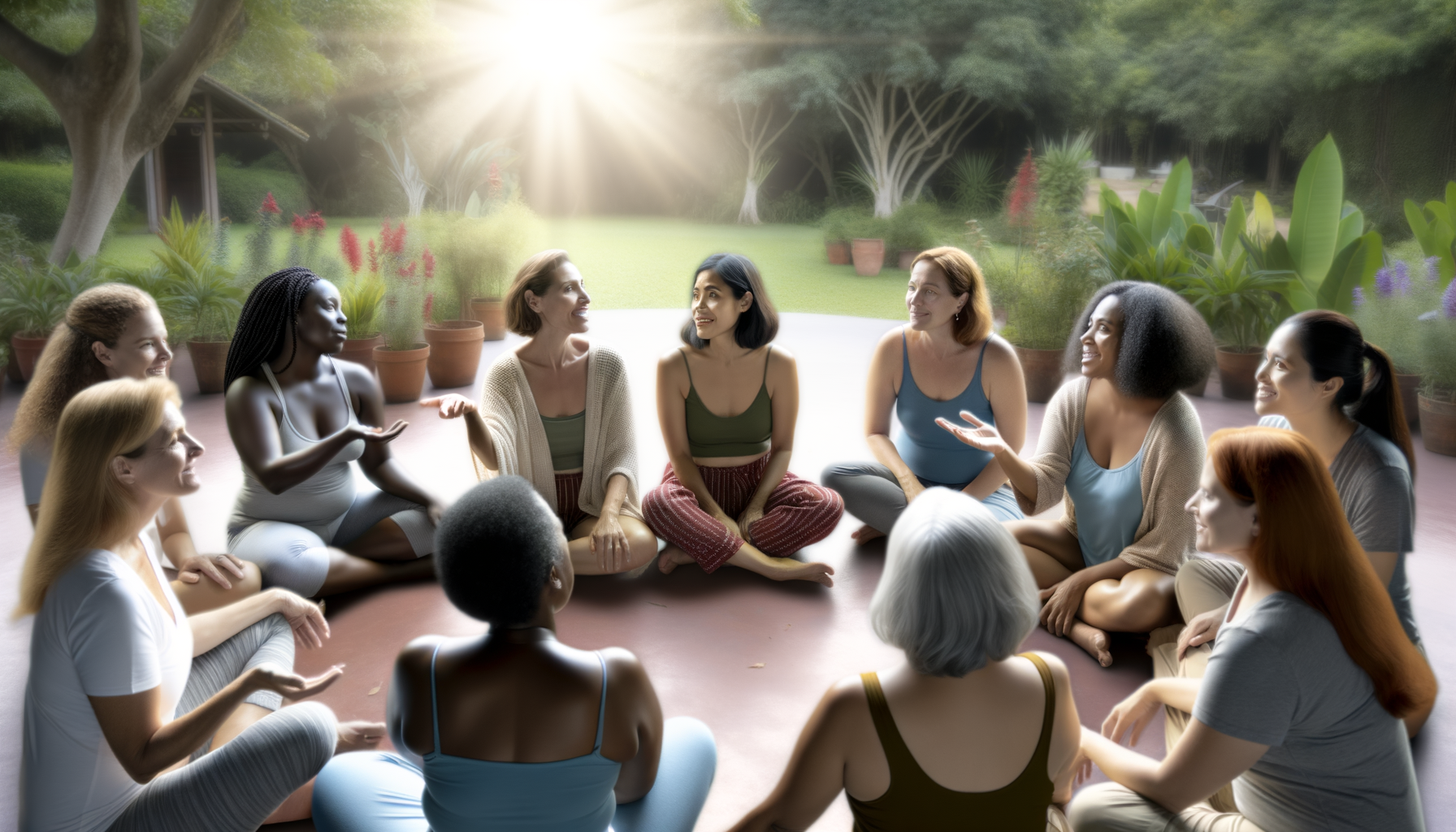
  4. Building Community and Finding Your Tribe: Seek out and engage with groups that share your interests and values.
  5. Nurturing Relationships and Showing Appreciation: Regularly check in with your connections and show gratitude.
  6. Embracing Vulnerability and Authenticity: Share your true self and build trust through empathy and openness.
  7. Continuous Learning and Adaptation: Stay curious about others and adapt to the evolving nature of relationships.
  8. Balancing Online and Offline Interactions: Find harmony between digital and in-person connections.
  9. Engaging in Collaborative Activities: Participate in activities that foster a sense of community and shared purpose.
  10. Reflecting and Celebrating Growth: Take time to reflect on the growth of your relationships and celebrate milestones together.

By following these steps, you can build a network of meaningful connections that will support and enrich your life, both online and off. Let’s embark on this journey together, learning how to connect more deeply in a world that often favors breadth over depth.

Step 1: Self-Reflection and Personal Growth

Understanding Your Own Needs

Before we can form meaningful connections with others, it is essential to understand our own needs. This self-awareness is the foundation upon which we build relationships that are both fulfilling and sustainable. Start by asking yourself what you seek in a relationship. Are you looking for companionship, support, intellectual stimulation, or perhaps a shared passion? Recognizing these needs helps us identify who we want to connect with and why. It’s also important to acknowledge the role technology plays in our lives. Reflect on how your digital habits may be fulfilling—or failing to fulfill—these needs. Are you reaching for your phone for genuine connection, or as a reflex to avoid deeper, unmet needs?

Engaging in Mindfulness Practices

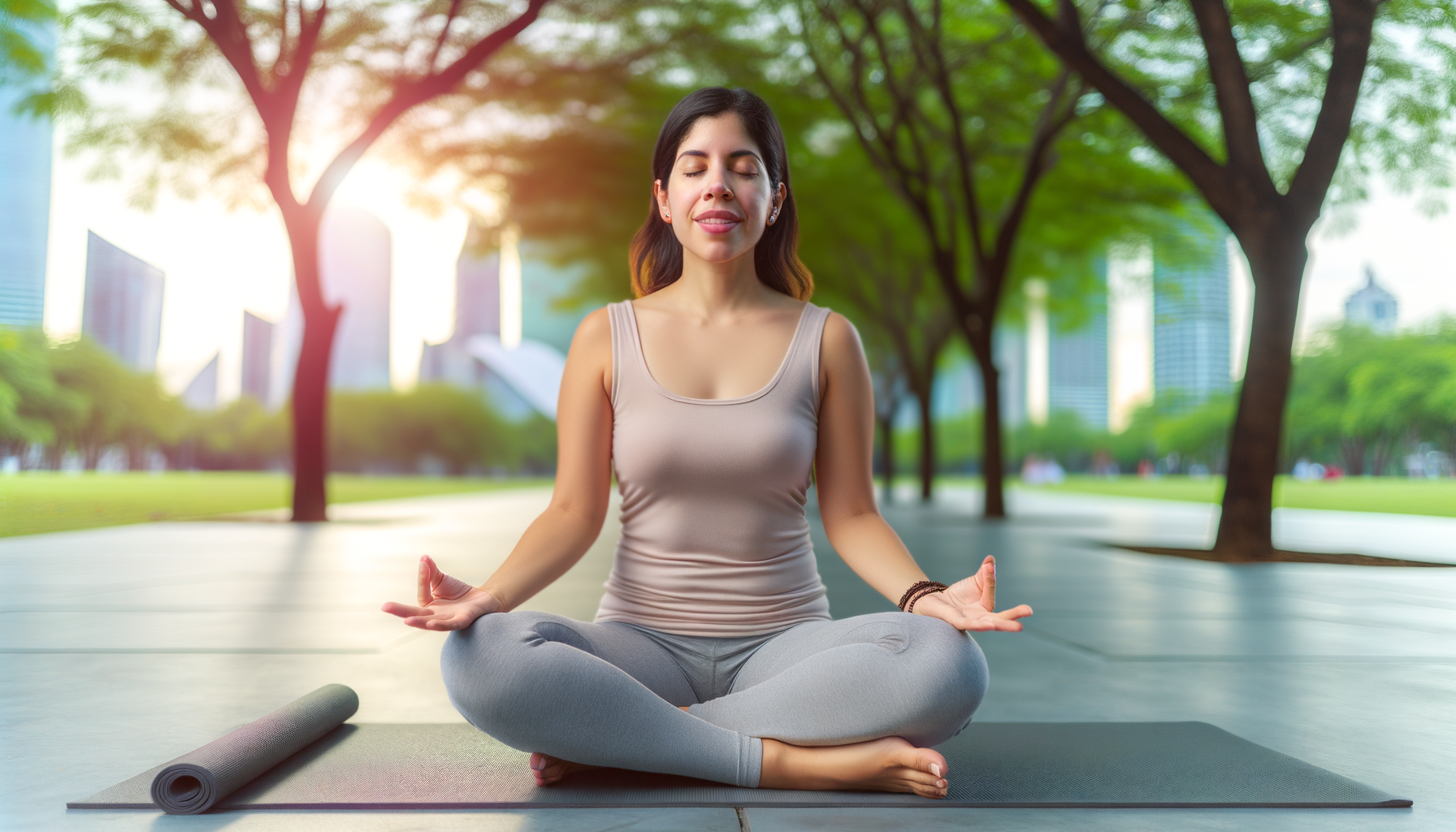
Mindfulness practices are a powerful way to enhance self-reflection. By engaging in activities such as meditation, deep breathing, or yoga, we can cultivate a state of presence that allows us to observe our thoughts and feelings without judgment. This heightened awareness can reveal the compulsions behind our digital interactions. Are we scrolling through social media out of habit, or are we genuinely seeking to engage with our community? Mindfulness can help us pause and make more intentional choices about how we use technology in our lives.

Setting Intentions for Relationships

With a clear understanding of our needs and a mindful approach to our digital habits, we can set intentions for our relationships. Intentions act as a compass, guiding our interactions and ensuring they align with our values and needs. For example, if we value deep, intellectual conversations, we might set an intention to join online forums or book clubs that foster such discussions. By setting intentions, we move from passive to active engagement in our relationships, both online and offline. This proactive stance empowers us to create the meaningful connections we desire.

In conclusion, cultivating meaningful connections in a digital age begins with a journey inward. By understanding our own needs, engaging in mindfulness practices, and setting clear intentions for our relationships, we lay the groundwork for connections that are rich, fulfilling, and aligned with our true selves. As we navigate the digital landscape, let us remember that technology is a tool that, when used mindfully, can enhance our connections rather than diminish them.

Step 2: Digital Detox and Mindful Technology Use

Assessing Your Digital Habits

Before you can begin to detox from digital overload, it’s essential to understand your current habits. Start by tracking how much time you spend on various devices and what you’re doing on them. Are you mindlessly scrolling through social media, or are you engaging in meaningful activities? Recognize patterns that may contribute to feelings of digital overwhelm, such as checking your phone first thing in the morning or using multiple devices simultaneously. This self-assessment is the first step towards intentional technology use.

Creating Boundaries with Technology

Once you’ve assessed your digital habits, it’s time to establish boundaries. Designate tech-free zones in your home, such as the bedroom or dining area, to encourage presence during rest or family time. Set specific times for checking emails and social media, and stick to them. Consider turning off non-essential notifications to minimize distractions. By creating these boundaries, you reclaim control over your digital life, allowing for more focused and meaningful interactions both online and offline.

  • Designated Device-Free Times: Choose certain hours of the day when you consciously avoid digital devices.
  • Notification Management: Customize your notification settings to only receive alerts that are truly important.
  • Conscious Content Consumption: Be selective about the media you consume, opting for quality over quantity.

Prioritizing Face-to-Face Interactions

In the digital age, it’s easy to forget the value of in-person connections. Prioritize face-to-face interactions by scheduling regular meetups with friends and family. Engage in activities that encourage direct communication, such as shared meals or group outings, without the interference of screens. These real-world connections are crucial for building strong, supportive relationships and can provide a sense of fulfillment that digital interactions often lack.

Remember, the goal of a digital detox isn’t to eliminate technology from your life but to use it in a way that supports your well-being and enriches your real-world experiences. By assessing your habits, setting boundaries, and prioritizing personal interactions, you can cultivate a balanced and mindful approach to technology use.

Step 3: Active Listening and Communication Skills

Practicing Active Listening

Active listening is the cornerstone of effective communication. It involves fully concentrating on the speaker, understanding their message, providing feedback, and withholding judgment. To practice active listening:

  • Face the speaker and maintain eye contact: This non-verbal cue indicates your full attention and interest.
  • Be attentive, yet relaxed: Give the speaker your undivided attention but avoid staring. A relaxed stance can make the interaction more comfortable.
  • Keep an open mind: Listen without prejudging the content. Avoid letting your personal biases color your understanding.
  • Listen to the words and try to picture what the speaker is saying: Engage your imagination to fully grasp the speaker’s message.
  • Don’t interrupt: Allow the speaker to finish their thoughts without interjecting your solutions or opinions.
  • Ask clarifying questions: If something is unclear, wait for a natural pause to seek clarification.
  • Summarize the speaker’s comments: Reflect back what you have heard to confirm your understanding.

Expressing Yourself Authentically

Authentic expression is about being true to yourself while communicating with others. To express yourself authentically:

  • Know your values and beliefs: Understand what is important to you and let this guide your communication.
  • Be honest: Speak your truth, but do so with respect for the listener.
  • Use “I” statements: Take ownership of your feelings and opinions without placing blame.
  • Be clear and direct: Ambiguity can lead to misunderstandings; clarity promotes better connections.
  • Share your thoughts and feelings: Open up about what you think and feel in response to the situation.

Understanding Non-Verbal Cues

Non-verbal communication can often tell us more than words. To understand non-verbal cues:

  • Pay attention to body language: Observe the speaker’s posture, gestures, and movements for additional context.
  • Notice facial expressions: The face can convey a wealth of emotions that may affirm or contradict verbal messages.
  • Interpret tone of voice: Listen for changes in pitch, pace, and volume to gauge the speaker’s true feelings.
  • Consider the context: Non-verbal signals should be interpreted in the context of the situation and the individual’s communication style.
  • Be aware of your own non-verbal communication: Ensure that your body language aligns with the message you want to convey.

By mastering active listening, expressing yourself authentically, and understanding non-verbal cues, you can significantly enhance the quality of your interactions and build stronger, more meaningful connections in the digital age.

Step 4: Building Community and Finding Your Tribe

Joining Groups with Shared Interests

One of the most effective ways to cultivate meaningful connections is to immerse yourself in communities that reflect your passions and interests. Joining groups with shared interests allows you to interact with individuals who are on the same wavelength as you. This could be a book club, a hiking group, or an online forum dedicated to a particular hobby or cause. To find these groups, you can start by exploring local event listings, social media platforms, or websites like Meetup.com. Once you’ve found a group that resonates with you, take the plunge and attend a meeting or event. Remember, the goal is not just to attend, but to actively participate and contribute to the group’s activities and discussions.

Participating in Community Events

Community events are a treasure trove for making connections that matter. Whether it’s a charity fundraiser, a local fair, or a professional networking event, these gatherings provide a space for people to come together and share experiences. Participating in community events not only allows you to meet new people but also gives you the chance to deepen relationships with acquaintances. When attending these events, be open to striking up conversations with strangers and be genuinely interested in what they have to say. It’s these organic interactions that often lead to the most meaningful connections.

Supporting Others’ Endeavors

Building a community isn’t just about finding your tribe; it’s also about being an active and supportive member. When you support others’ endeavors, you’re investing in the community and nurturing the connections within it. This could mean attending a friend’s art exhibit, sharing a colleague’s project on social media, or volunteering for a community initiative. By showing up for others, you demonstrate your commitment to the community’s success and well-being, which, in turn, encourages others to support your endeavors as well.

In conclusion, building community and finding your tribe in the digital age involves a blend of online engagement and real-world interactions. By joining groups with shared interests, participating in community events, and supporting others, you create a dynamic network of connections that enrich your life both personally and professionally. Remember, the strength of your community lies in the quality of the connections you cultivate and the mutual support that flows from them.

Step 5: Nurturing Relationships and Showing Appreciation

Regular Check-Ins and Updates

One of the most vital aspects of nurturing relationships is maintaining regular communication. It’s not enough to connect with someone once and then let the relationship fade into the background. To cultivate a meaningful connection, it’s important to check in with each other periodically. This could be as simple as sending a text message, an email, or making a phone call to catch up. Regular updates allow both parties to stay informed about each other’s lives, share successes and challenges, and provide support when needed. It’s the consistent, thoughtful engagement over time that deepens the bond and shows that you genuinely care about the relationship.

Showing Gratitude and Appreciation

Expressing gratitude is a powerful way to strengthen relationships. A simple “thank you” can go a long way in showing appreciation for someone’s time, advice, or assistance. Take the time to acknowledge the role others play in your life and be specific about what you’re grateful for. Whether it’s a handwritten note, a small gift, or a public acknowledgment on social media or in a team meeting, showing appreciation not only makes the other person feel valued but also reinforces the positive aspects of your connection. Remember, appreciation should be heartfelt and genuine to truly resonate.

Being Present in Interactions

In a world where multitasking has become the norm, being fully present during interactions has become a rare commodity—and therefore, even more valuable. When you’re with someone, give them your full attention. Put away digital devices, mute notifications, and focus on the conversation at hand. Active engagement shows that you value the person and the moment you are sharing together. This level of presence fosters a deeper connection and builds trust, as it demonstrates that you are truly interested in the person and what they have to say. Being present also means being attuned to the other person’s non-verbal cues and responding with empathy and understanding.

In conclusion, nurturing relationships in the digital age requires intentional effort and a commitment to regular communication, expressing gratitude, and being fully present. By incorporating these practices into your interactions, you can cultivate deeper, more meaningful connections that enrich both your personal and professional life.

Step 6: Embracing Vulnerability and Authenticity

Sharing Personal Stories and Experiences

One of the most profound ways to cultivate meaningful connections is through the sharing of personal stories and experiences. When we open up about our journeys, we not only reveal our humanity but also create opportunities for others to see themselves in our narratives. This act of sharing can be both liberating and daunting, as it often involves delving into sensitive or private aspects of our lives. However, the authenticity that comes from such vulnerability is what forges deep, empathetic bonds between individuals. It’s important to share with intention and discernment, ensuring that the stories we tell serve to build understanding and trust.

Accepting and Offering Help

Another key aspect of vulnerability is the willingness to both offer and accept help. In a society that often values self-sufficiency, admitting that we need assistance can feel like an admission of failure. Yet, it is precisely in these moments of openness that connections are strengthened. Offering help is equally important; it demonstrates care and investment in the relationship. Whether it’s providing emotional support during tough times or assisting with practical tasks, these exchanges of aid are the building blocks of a supportive community.

The Power of Empathy in Connection

Empathy is the heartbeat of connection. It allows us to understand and share the feelings of another, creating a bridge between separate experiences. Embracing vulnerability and authenticity enhances our capacity for empathy, as we are more likely to recognize and resonate with the vulnerabilities in others when we are in touch with our own. Empathy does not require us to have lived the exact experiences of another person; rather, it calls for an open heart and mind, ready to listen deeply and respond with compassion. In doing so, we validate each other’s feelings and experiences, fostering a sense of belonging and mutual respect.

In conclusion, embracing vulnerability and authenticity is not about oversharing or seeking attention; it’s about creating a space where genuine expression is valued and emotional bonds can flourish. By sharing our true selves, accepting help, and practicing empathy, we lay the groundwork for relationships that are rich in trust, understanding, and mutual support.

Step 7: Continuous Learning and Adaptation

Staying Curious About Others

In the realm of cultivating meaningful connections, curiosity is a powerful tool. It drives us to understand the lives, experiences, and perspectives of others, fostering deeper empathy and stronger relationships. To stay curious, one must actively seek to learn about the people in their network. This can be achieved through asking open-ended questions, actively listening to their stories, and showing genuine interest in their answers. By doing so, we not only gain insight into their world but also signal that we value them as individuals.

Adapting to Changing Relationship Dynamics

Relationships are not static; they evolve as people grow and circumstances change. In a digital age, where life transitions can be broadcasted instantly, it’s crucial to be adaptable to these shifts. This means being open to renegotiating the terms of a relationship, whether it involves communication frequency, the platforms used, or the types of activities shared. It’s important to recognize when a relationship might be transitioning from professional to personal, or vice versa, and to adjust one’s approach accordingly. Embracing change rather than resisting it can lead to more resilient and dynamic connections.

Embracing New Ways to Connect

The digital age continuously presents new platforms and tools for connection. While it can be tempting to stick with familiar methods, embracing innovation can lead to enriched interactions. This might involve using video calls to maintain long-distance friendships, joining online communities with shared interests, or utilizing social media to stay in touch with colleagues. It’s also about recognizing the potential in emerging technologies, such as virtual reality or AI-driven communication platforms, to create new experiences and opportunities for connection. By being open to these new ways, we can build and maintain connections that are both meaningful and contemporary.

In conclusion, continuous learning and adaptation are essential for cultivating meaningful connections in a digital age. By staying curious about others, adapting to changing relationship dynamics, and embracing new ways to connect, we can ensure that our relationships remain relevant, fulfilling, and deeply human.

Step 8: Balancing Online and Offline Interactions

Finding Harmony Between Digital and Real-World Relationships

In the tapestry of modern relationships, the threads of digital and real-world interactions are intricately woven together. To cultivate meaningful connections, it’s essential to find a balance between these two realms. The digital world offers convenience and a breadth of networking opportunities, but it often lacks the depth and warmth of face-to-face encounters. Conversely, offline interactions provide a richness of experience that virtual connections struggle to replicate. Striking a harmonious balance involves integrating the strengths of both worlds, ensuring that our digital habits complement rather than replace the irreplaceable value of in-person connections.

Leveraging Online Tools to Enhance Offline Relationships

  • Coordinate Meetups: Use social media and messaging apps to organize gatherings, from casual coffee dates to group activities that align with shared interests.
  • Stay Informed: Keep abreast of events and milestones in your friends’ lives through their online profiles, and use this knowledge to foster deeper conversations when you meet in person.
  • Bridge Gaps: For long-distance relationships, video calls can maintain a sense of closeness until the next in-person visit, keeping the emotional bond strong.

Creating Meaningful Online Experiences

While face-to-face interactions are invaluable, there are ways to make online experiences more meaningful. It starts with intentionality—being present even when the interaction is through a screen. Engage in activities that mirror offline experiences, such as watching a movie together while on a video call or playing an online game that encourages teamwork and communication. Share moments of your day through photos or short videos to create a sense of shared experience. When online, be mindful of the quality of your interactions—prioritize depth over breadth, choosing to cultivate fewer, more significant connections rather than amassing a large number of superficial ones.

Ultimately, the key to balancing online and offline interactions is to be mindful of the value each brings to your life. Use digital tools to facilitate and enrich real-world relationships, but never let them become a substitute for the profound connection that only comes from being physically present with someone. By consciously navigating the digital landscape, we can build and maintain relationships that are both broad in reach and deep in meaning.

Step 9: Engaging in Collaborative Activities

Participating in Group Projects or Hobbies

Engaging in group projects or shared hobbies is a powerful way to forge strong connections with others. When individuals come together to work towards a common goal, whether it’s building a community garden, starting a book club, or collaborating on a creative endeavor, they create a sense of camaraderie and mutual purpose. To start, identify activities that align with your interests and reach out to existing groups or invite others to join you in a new project. Remember, the focus should be on the joy of collaboration rather than just the end result.

Volunteering for Causes You Care About

Volunteering offers a dual benefit: making a positive impact in the community and connecting with people who share your values. Look for local organizations that address issues close to your heart and commit your time and skills. Not only does this provide an opportunity to meet others passionate about the same causes, but it also fosters a deep sense of fulfillment and shared achievement. Highlight the importance of regular involvement, as this consistency strengthens bonds and ensures a lasting contribution to the chosen cause.

Organizing Events that Foster Connection

Creating events that bring people together can be a catalyst for building meaningful relationships. Whether it’s a neighborhood potluck, a charity fundraiser, or an online workshop, events provide a platform for individuals to interact and share experiences. As an organizer, focus on activities that encourage participation and interaction. For example, ice-breaker games, group discussions, and collaborative tasks can break down barriers and encourage open communication. Emphasize inclusivity and create a welcoming atmosphere where everyone feels valued and heard.

In conclusion, engaging in collaborative activities is a vital step towards cultivating meaningful connections. By participating in group projects, volunteering for causes, and organizing events, you create opportunities for shared experiences that can lead to lasting relationships. Embrace the spirit of cooperation, and you’ll find that the connections you make are not only meaningful but also enriching to your personal and communal growth.

Step 10: Reflecting and Celebrating Growth

Reflecting on Relationship Milestones

As we journey through the digital landscape, it’s essential to pause and reflect on the milestones achieved in our relationships. These milestones serve as markers of progress and growth, reminding us of the path we’ve traversed in cultivating meaningful connections. Whether it’s the anniversary of a significant collaboration, the successful completion of a joint project, or the moment we reached a pivotal number of connections, each milestone deserves recognition. Reflecting on these achievements allows us to appreciate the efforts invested and the strides made in strengthening our bonds.

Celebrating Achievements Together

Celebration is a powerful act that not only acknowledges success but also reinforces the bonds we share. When we celebrate our achievements together, we create shared memories that become the fabric of our relationships. It’s important to take the time to rejoice in our collective victories, be it through a virtual gathering, a thoughtful message of gratitude, or a token of appreciation. These celebrations foster a sense of community and belonging, making every individual feel valued and part of a larger, interconnected network.

Continuing the Journey of Connection

The journey of connection is an ongoing process, one that doesn’t end with a single achievement or celebration. It’s about continuously nurturing the relationships we’ve built and seeking new ways to engage and connect. As we move forward, we must remain open to learning, adapting, and embracing the evolving nature of digital interactions. By doing so, we ensure that our connections remain vibrant and meaningful, ready to withstand the test of time and technology.

Final Thoughts on Connection in the Digital Age

In conclusion, the digital age presents both challenges and opportunities for cultivating meaningful connections. By reflecting on our milestones, celebrating our achievements together, and committing to the ongoing journey of connection, we can navigate the complexities of digital interactions and build a network that is both resilient and rewarding. Let us carry these lessons forward, cherishing the connections we’ve made and anticipating the new ones that await us on the horizon.

Conclusion

Recap of the Steps to Cultivating Meaningful Connections

In our journey through the “10 Steps to Cultivating Meaningful Connections in a Digital Age,” we’ve explored a variety of strategies to enhance our relationships in a world saturated with technology. From the initial step of self-reflection and personal growth to the final step of reflecting and celebrating growth, each stage has been crucial in understanding and improving how we connect with others. We’ve discussed the importance of mindful technology use, the art of active listening, the joy of finding your tribe, and the power of vulnerability, among others. Each step is a building block in the foundation of meaningful digital and real-world relationships.

Encouragement for the Journey Ahead

As we continue to navigate the complexities of digital communication and connection, remember that this is a journey, not a destination. The landscape of how we interact is ever-changing, and so too will be our approaches to maintaining and cultivating connections. Embrace each step with patience and persistence, knowing that the efforts you put into building meaningful relationships will enrich your life and the lives of those around you. Stay open to learning and adapting, and don’t be afraid to reach out for support or offer it when needed.

Final Thoughts on Connection in the Digital Age

In conclusion, the digital age presents both challenges and opportunities for connection. While technology can sometimes feel like it’s pulling us apart, it also has the power to bring us together in ways that were never before possible. By employing the steps we’ve outlined—prioritizing face-to-face interactions, engaging in collaborative activities, and balancing our online and offline lives—we can use digital tools to enhance, rather than hinder, our human connections. Let’s move forward with intention, leveraging the digital world to foster genuine, empathetic, and lasting relationships.

As we close this chapter, let’s carry with us the understanding that meaningful connections are not just about the quantity of our interactions, but the quality. Whether through a screen or in person, each connection has the potential to add value to our lives. So, let’s continue to cultivate these connections with care, and watch as they grow into a thriving network of support, friendship, and community in the digital age and beyond.


Filed Under: Features

Clearing the Clutter: How Detox Rituals Can Transform Your Health

June 2, 2024 By

Introduction to Detox Rituals

Understanding Detoxification

Detoxification is a natural process by which the body eliminates toxins and waste. This intricate system involves organs such as the liver, kidneys, digestive system, skin, and lungs. The goal of detoxification is to support these organs in their efforts to cleanse the body, enhance their performance, and promote overall health. In the context of detox rituals, detoxification extends beyond physical health, encompassing mental, emotional, and spiritual cleansing as well.

The Connection Between Clutter and Health

Clutter, whether physical, mental, or emotional, can significantly impact one’s health. A cluttered environment can lead to stress, anxiety, and an inability to focus, while mental clutter can result in a lack of clarity and an overwhelmed state of mind. Emotional clutter, such as unresolved feelings or stress, can manifest as physical symptoms. The act of decluttering can therefore be therapeutic, creating space for healing and rejuvenation.

The Rise of Detox Rituals

In recent years, there has been a surge in the popularity of detox rituals. This rise can be attributed to a growing awareness of the importance of holistic health and the desire to find balance in an increasingly hectic world. Detox rituals offer a way to reset and restore, providing a respite from the constant barrage of stimuli and demands of modern life. They serve as a tool to combat the accumulation of toxins and clutter that can otherwise go unchecked.

Purpose of Detox Rituals in Modern Life

Detox rituals serve a multifaceted purpose in modern life. They are designed to reduce the toxic load on our bodies, clear the mind of incessant chatter, soothe emotions, and reconnect with the spiritual self. These practices range from dietary changes and exercise to mindfulness and meditation. By incorporating detox rituals into our daily routines, we can enhance our ability to cope with stress, improve our concentration and productivity, and foster a sense of inner peace. Ultimately, detox rituals are about creating a sustainable lifestyle that supports our well-being in a comprehensive manner.

Physical Detoxification

Dietary Changes and Clean Eating

Embarking on a journey of physical detoxification often begins with what we put into our bodies. Clean eating is a cornerstone of detox rituals, emphasizing the consumption of whole, unprocessed foods that are free from additives and rich in nutrients. This approach involves incorporating more fruits, vegetables, lean proteins, and whole grains into your diet while reducing the intake of sugar, alcohol, and processed foods. By doing so, you support your body’s natural detoxification systems, allowing for more efficient elimination of toxins and improved digestion.

Exercise and Physical Activity

Regular exercise is another vital component of physical detoxification. Physical activity increases blood circulation and promotes sweating, which helps to flush out toxins through the skin. Moreover, exercise stimulates the lymphatic system, which plays a crucial role in transporting waste products away from the tissues. Incorporating a mix of cardiovascular exercises, strength training, and flexibility workouts can enhance your body’s ability to detoxify and can also boost your overall health and energy levels.

Sleep and Restorative Practices

Detoxification isn’t just about being active; it’s also about giving your body the chance to rest and repair. Sleep is a restorative practice that allows the body to heal and rejuvenate. During sleep, the brain’s glymphatic system becomes more active, clearing out waste from the central nervous system. Ensuring you get adequate, high-quality sleep is essential for maintaining the body’s natural detoxification processes and for overall health.

Hydration and its Importance

Hydration plays a critical role in detoxification. Water is the medium through which our cells exchange nutrients and waste. It aids in digestion, helps regulate body temperature, and serves as a vehicle for transporting nutrients and oxygen to cells. Drinking sufficient water throughout the day can help to flush toxins from the body through the kidneys and maintain a healthy balance of bodily fluids.

Natural Detoxification Aids

Alongside diet, exercise, sleep, and hydration, there are natural detoxification aids that can support the body’s efforts to cleanse itself. These include herbal teas, such as dandelion or milk thistle, which are known for their liver-supporting properties. Probiotics, either in supplement form or from fermented foods like yogurt and kimchi, can help maintain a healthy gut microbiome, which is crucial for digestion and toxin elimination. Dry brushing and sauna sessions are also popular for their purported benefits in stimulating the lymphatic system and promoting sweat-induced detoxification.

In conclusion, physical detoxification is a multifaceted approach that involves making mindful choices about what we consume, how we move, the importance of rest, and staying hydrated. By incorporating these practices into our daily routines, we can enhance our body’s natural ability to detoxify and pave the way for improved health and vitality.

Mental and Emotional Detox

Mindfulness and Meditation

Mindfulness and meditation are cornerstones of mental and emotional detox. These practices encourage us to be present in the moment, acknowledging our thoughts and feelings without judgment. Mindfulness involves a heightened awareness of the self and one’s environment, which can lead to reduced stress and improved emotional regulation. Meditation, on the other hand, often involves focusing the mind on a particular object, thought, or activity to train attention and awareness, and achieve a mentally clear and emotionally calm state.

Engaging in daily meditation can help clear mental clutter, leading to enhanced clarity, focus, and joy. It’s a powerful tool for breaking the cycle of anxiety and rumination, setting the foundation for a clearer and more grounded mind.

Digital Detox and Social Media Fasting

In our hyper-connected world, constant digital stimulation can lead to mental overload. A digital detox or social media fasting involves taking a break from electronic devices and platforms to reduce stress and improve focus. This can range from short daily breaks to longer periods of disconnection. The benefits include better sleep, improved relationships, and increased presence in the real world. It’s a way to reclaim our time and attention, allowing for deeper connections with ourselves and others.

Journaling and Reflective Practices

Journaling is a reflective practice that can serve as a mental detox by providing an outlet for expressing thoughts and emotions. It’s a method to process experiences, reduce stress, and gain self-awareness. Reflective practices like journaling can lead to a deeper understanding of personal goals and challenges, and can be a therapeutic tool for emotional release and clarity.

By regularly writing down thoughts and feelings, individuals can track their emotional patterns and triggers, leading to greater emotional intelligence and well-being.

Art and Creative Outlets

Art and other creative outlets offer a unique form of mental and emotional detox. Engaging in creative activities such as painting, drawing, music, or writing can be incredibly therapeutic. These activities allow for self-expression and can be a non-verbal way to process complex emotions. Creativity also promotes neuroplasticity, helping the brain to form new connections and pathways.

Whether it’s through structured art therapy or personal creative projects, these outlets can lead to a sense of accomplishment and joy, contributing to overall mental health and emotional balance.

In conclusion, mental and emotional detox is a multifaceted approach to clearing the clutter from our minds and hearts. By incorporating mindfulness, taking breaks from digital devices, engaging in reflective writing, and embracing creativity, we can foster a healthier, more balanced mental and emotional state. These practices are not only beneficial for immediate relief but also contribute to long-term well-being and resilience.

Spiritual Detoxification

Understanding Spiritual Health

Spiritual health is an often overlooked aspect of well-being, yet it is as crucial as physical and mental health. It involves a sense of connection to something greater than oneself, which can provide a sense of purpose and meaning in life. Spiritual health is about aligning your values and actions, finding your path, and feeling a sense of peace and contentment. A spiritually healthy person is typically more resilient to life’s challenges and possesses a deep sense of inner harmony.

Practices for Spiritual Cleansing

Spiritual cleansing is the process of removing negative energies and stressors that obstruct our spiritual growth. It can be achieved through various practices, such as:

  • Smudging: Burning sacred herbs like sage or palo santo to clear negative energy.
  • Sound Healing: Using bells, gongs, or singing bowls to create vibrations that cleanse the spiritual aura.
  • Visualization: Imagining a white light enveloping and purifying the body and spirit.
  • Meditation and Prayer: Focusing the mind and connecting with the divine to seek spiritual renewal.
  • Physical Cleansing: Taking baths with salts or essential oils to wash away negative energies.

The Role of Nature in Spiritual Detox

Nature plays a pivotal role in spiritual detoxification. It is a natural sanctuary that can help us reconnect with our true selves and the universe. Spending time outdoors, whether it’s a walk in the park, a hike in the mountains, or simply sitting by a body of water, can facilitate a deep spiritual cleanse. The natural elements—earth, water, air, and fire—serve as powerful tools to recharge our spiritual energy and restore balance.

Incorporating Rituals and Traditions

Incorporating rituals and traditions into our daily lives can significantly enhance our spiritual health. Rituals such as lighting candles, creating altars, or practicing yoga can create a sacred space for spiritual reflection and connection. Traditions, whether they are cultural, religious, or personal, provide a framework for understanding our place in the world and can be a source of comfort and strength. Embracing these practices helps to cultivate a disciplined approach to spiritual wellness and can lead to profound personal transformation.

Creating a Personalized Detox Plan

Assessing Individual Needs

Embarking on a detox journey begins with a thorough assessment of your individual needs. This involves taking stock of your current health status, lifestyle, dietary habits, and any specific health challenges you may be facing. It’s essential to listen to your body and recognize the signs it’s sending you, as these will guide you in tailoring a detox plan that addresses your unique situation. Consider factors such as energy levels, digestive health, stress, and sleep patterns, as these can all indicate areas that may benefit from detoxification.

Setting Realistic Goals

Once you’ve assessed your needs, it’s time to set realistic and achievable goals for your detox plan. Goals should be specific, measurable, attainable, relevant, and time-bound (SMART). Whether it’s improving digestion, boosting energy, reducing stress, or simply cultivating healthier eating habits, your goals should reflect your personal health aspirations and motivate you to stay on track. Celebrate small victories along the way to maintain motivation and recognize your progress.

Choosing the Right Detox Rituals

With a clear understanding of your needs and goals, you can now select detox rituals that align with your objectives. This might include dietary changes such as incorporating more whole foods and eliminating processed items, engaging in regular physical activity, or adopting mindfulness practices. It’s important to choose rituals that you enjoy and can realistically integrate into your routine. For instance, if you love being outdoors, consider nature walks as part of your physical detox, or if you find peace in solitude, meditation could be a key component of your mental detox.

Integrating Detox into Daily Life

For a detox plan to be effective, it must be integrated seamlessly into your daily life. This means making gradual changes that can be sustained over the long term rather than drastic alterations that are difficult to maintain. Start by introducing one or two detox rituals and gradually build upon them. Create a supportive environment by preparing your living space and work area to facilitate your detox journey—this could mean decluttering your home, setting up a meditation corner, or stocking your kitchen with healthy foods. Remember, consistency is key, so aim to incorporate your detox rituals into your daily routine in a way that feels natural and manageable.

In conclusion, creating a personalized detox plan is a thoughtful process that requires self-reflection, goal setting, and careful selection of detox rituals that resonate with your lifestyle. By integrating these practices into your daily life and remaining mindful of your progress, you can embark on a transformative journey towards improved health and well-being.

Challenges and Considerations

Common Pitfalls and How to Avoid Them

Embarking on a detox journey can be invigorating, but it’s not without its challenges. One common pitfall is the “all or nothing” approach, where individuals attempt to overhaul their lifestyle overnight. This can lead to burnout and a quick return to old habits. To avoid this, start with small, manageable changes and gradually build upon them. Another pitfall is neglecting to plan, which can result in a lack of necessary resources or support. Combat this by preparing a detailed plan that includes meal prep, scheduling time for exercise, and identifying potential stressors that may derail your efforts.

Listening to Your Body and Mind

Detox rituals should be rejuvenating, not depleting. It’s crucial to listen to your body and mind throughout the process. If you’re feeling fatigued or irritable, it may be a sign to slow down or adjust your approach. Pay attention to how different foods, activities, and practices affect your energy levels and mood. Remember, detoxification is not just about removing toxins but also about nurturing your well-being.

When to Seek Professional Guidance

While many detox rituals can be safely practiced independently, there are times when professional guidance is necessary. If you have pre-existing health conditions, are taking medication, or if any part of your detox plan causes discomfort or illness, it’s important to consult with a healthcare provider. Additionally, a professional can offer personalized advice and support to ensure your detox plan is both safe and effective.

Maintaining Balance and Avoiding Extremes

Detox rituals are most beneficial when they are part of a balanced lifestyle. Avoid extremes, such as overly restrictive diets or excessive exercise, which can be harmful to your health. Instead, aim for a balanced approach that includes a variety of nutrients, sufficient rest, and activities that promote both physical and mental health. It’s also important to recognize that detoxification is not a one-time event but a continuous process that involves making mindful choices every day.

In conclusion, while detox rituals can significantly enhance your health, it’s important to approach them with mindfulness and care. By being aware of common pitfalls, listening to your body, seeking professional guidance when necessary, and maintaining balance, you can ensure that your detox experience is both positive and transformative.

Conclusion: The Transformative Power of Detox Rituals

Summarizing the Benefits

Throughout this exploration of detox rituals, we’ve uncovered a multitude of benefits that extend far beyond the superficial. Physical detoxification, through dietary changes and exercise, revitalizes the body, while mental and emotional detox, including mindfulness and digital fasting, clears the mind. Spiritual detoxification reconnects us with our inner selves and the world around us. These practices, when integrated into our lives, can lead to profound improvements in our overall health and well-being.

Long-Term Impact on Health and Well-being

The long-term impact of incorporating detox rituals into our daily routine is immeasurable. By consistently engaging in these practices, we not only enhance our immediate state of health but also set the foundation for sustained well-being. The cumulative effect of ongoing detox rituals can lead to a stronger immune system, improved mental clarity, and a more balanced emotional state. Moreover, the spiritual connection fostered through these rituals can provide a sense of purpose and fulfillment that permeates all aspects of life.

Encouragement to Begin the Journey

If you have yet to embark on your detox journey, let this be your gentle nudge to start. Begin with small, manageable steps that resonate with your lifestyle and gradually build upon them. Remember, the path to transformation does not require drastic changes overnight but rather a commitment to consistent, mindful actions. Embrace the process, and be patient with yourself as you discover the detox rituals that work best for you.

Final Thoughts and Reflections

In closing, the journey of detoxification is a deeply personal one, filled with discovery and growth. As we clear the clutter from our bodies, minds, and spirits, we open ourselves up to a world of renewed energy, clarity, and peace. The transformative power of detox rituals lies in their ability to not just cleanse but to also enrich our lives in ways we may have never anticipated. So, take that first step, and let the rituals you adopt guide you toward a healthier, more harmonious existence. Your future self will thank you for the clarity and vitality that come from living a detoxified life.

Filed Under: Features

Active Stillness: Blending Dynamic Exercise with Mindful Rest

June 2, 2024 By

Introduction to Active Stillness

Defining Active Stillness

Active Stillness is a holistic approach to well-being that marries the vigor of dynamic exercise with the tranquility of mindful rest. It is a practice that encourages us to engage in physical activity while maintaining a conscious awareness of our body and mind. This concept is rooted in the principles of mindful movement, which involves bringing full attention to the present moment, focusing on our breath, and tuning into the sensations of our body as it moves.

The Importance of Balancing Activity with Rest

Our modern lifestyle often tips the scales towards constant activity, leaving little room for rest. However, balancing these two elements is crucial for our health. Just as a car cannot run without periodic stops to refuel, our bodies and minds need rest to rejuvenate. Active Stillness recognizes the importance of this balance, promoting a synergy between exertion and relaxation that can lead to improved physical health, mental clarity, and emotional resilience.

Overview of Benefits

The benefits of Active Stillness are multifaceted. Physically, it combines the cardiovascular and muscular advantages of exercise with the restorative effects of rest. Mentally, it helps reduce stress and anxiety by activating the parasympathetic nervous system, which is responsible for the body’s rest and digest functions. Emotionally, engaging in mindful rest can elevate mood and foster a sense of inner peace. Collectively, these benefits contribute to a more harmonious and resilient state of being.

  • Physical Health: Improved strength, flexibility, and cardiovascular health.
  • Mental Clarity: Reduced stress levels and enhanced focus.
  • Emotional Well-being: Increased self-awareness and emotional regulation.

The Science of Stress and Relaxation

Understanding the Stress Response

The human body’s stress response, often referred to as the “fight or flight” reaction, is a complex system designed to handle threats and ensure survival. When we encounter a stressor, the hypothalamus signals the adrenal glands to release a surge of hormones, including adrenaline and cortisol. Adrenaline increases heart rate, elevates blood pressure, and boosts energy supplies, while cortisol, the primary stress hormone, increases sugars in the bloodstream and enhances the brain’s use of glucose. This response, while beneficial in short bursts, can become detrimental if activated too frequently or for prolonged periods.

The Role of the Parasympathetic Nervous System

The parasympathetic nervous system (PNS) serves as a counterbalance to the stress response. Often called the “rest and digest” system, it conserves energy as it slows the heart rate, increases intestinal and gland activity, and relaxes sphincter muscles in the gastrointestinal tract. Activation of the PNS through various relaxation techniques can help mitigate the effects of stress and bring the body back to a state of equilibrium.

How Exercise and Rest Affect Well-being

Regular physical activity is a powerful stress reliever. It can improve mood, enhance self-esteem, and increase endorphins, which are the body’s natural painkillers and mood elevators. Exercise also serves as a meditation in motion; after a fast-paced game or several laps in the pool, you’ll often find that you’ve forgotten the day’s irritations and concentrated only on your body’s movements.

Conversely, rest is equally vital for well-being. Adequate sleep and periods of relaxation are essential for recovery from stress. They allow the body to repair and restore itself, leading to improved concentration, regulation of mood, and better overall health. Techniques such as deep breathing, progressive muscle relaxation, and mindfulness meditation can activate the PNS and promote a state of calmness and tranquility.

Understanding the interplay between stress, relaxation, and the body’s physiological responses is crucial for maintaining a balanced lifestyle. By incorporating both dynamic exercise and mindful rest into our routines, we can harness the benefits of an active lifestyle while ensuring that our bodies and minds have the opportunity to recover and thrive.

Dynamic Exercise for Physical Health

Types of Dynamic Exercises

Dynamic exercises are movements that increase your heart rate, challenge your muscles, and boost your stamina. These exercises are essential for maintaining physical health and can be categorized into several types:

  • Aerobic Exercises: Activities like running, cycling, and swimming that improve cardiovascular endurance.
  • Strength Training: Using resistance to challenge your muscles, such as weightlifting or bodyweight exercises.
  • High-Intensity Interval Training (HIIT): Short bursts of intense activity followed by rest or low-intensity exercise.
  • Flexibility Movements: Stretching exercises that improve the range of motion, such as yoga or Pilates.
  • Balance and Coordination: Activities that enhance stability, like tai chi or balance-focused workouts.

Integrating Exercise into Daily Life

Regular physical activity should be a staple in everyone’s daily routine. Here are some strategies to seamlessly integrate exercise into your life:

  • Set Clear Goals: Determine what you want to achieve with your exercise routine, whether it’s weight loss, improved strength, or better overall health.
  • Create a Schedule: Carve out specific times in your day dedicated to exercise, and treat these as non-negotiable appointments.
  • Incorporate Activity into Daily Tasks: Take the stairs instead of the elevator, walk or cycle to work, or do squats while watching TV.
  • Variety is Key: Mix different types of exercises to keep your routine interesting and work on various aspects of fitness.
  • Stay Accountable: Find a workout buddy, join a fitness group, or use a fitness tracker to keep yourself accountable.

Listening to Your Body’s Signals

While exercising, it’s crucial to listen to your body’s signals to prevent injury and ensure optimal performance:

  • Warm-Up and Cool-Down: Always start with a warm-up to prepare your body for exercise and finish with a cool-down to help your body recover.
  • Hydration: Drink water before, during, and after exercise to stay hydrated and maintain performance.
  • Rest and Recovery: Allow your body time to rest and recover, especially after intense workouts.
  • Recognize Pain: Understand the difference between good pain, like muscle soreness, and bad pain, which could indicate injury.
  • Adapt and Modify: If something doesn’t feel right, don’t hesitate to modify the exercise to suit your current fitness level and comfort.

By blending dynamic exercise with mindful rest, you can achieve a balanced approach to physical health that energizes your body and calms your mind.

Mindful Rest and Recovery

Principles of Mindful Rest

Mindful rest is an essential component of a balanced lifestyle, particularly in our fast-paced world. It is not synonymous with inactivity or laziness, but rather a conscious, deliberate process of turning inward and allowing the body and mind to renew and rejuvenate. Mindful rest is grounded in the principle of sattva, which in yogic philosophy represents clarity, harmony, and balance. It involves being fully present and aware during periods of rest, acknowledging and accepting one’s thoughts and feelings without judgment.

Techniques for Effective Rest

To achieve effective rest, one can employ various techniques that promote relaxation and recovery. Breathing exercises are a powerful tool to calm the mind and reduce stress. Simple practices such as deep abdominal breathing can be done anytime and anywhere. Restorative and Yin yoga are styles that focus on passive stretching and long holds, encouraging the body to release tension. Meditation is another method that fosters stillness in both body and mind. It can be as straightforward as focusing on one’s breath or using guided meditations to assist in the process. The key is to approach these practices with an attitude of surrender, allowing oneself to be guided by the body’s natural rhythms.

The Role of Sleep in Recovery

Sleep is a critical aspect of mindful rest and recovery. It is during sleep that the body undergoes repair and the brain consolidates memories and processes information. Quality sleep contributes to better cognitive function, emotional regulation, and overall health. To enhance sleep quality, one should establish a regular sleep routine, create a restful environment, and avoid stimulants before bedtime. Mindfulness practices can also prepare the mind for a restful night, reducing the time it takes to fall asleep and improving sleep quality.

In conclusion, mindful rest is not merely a pause in activity but an active process of engagement with one’s inner state. By incorporating mindful rest techniques and prioritizing sleep, individuals can support their physical and mental recovery, ultimately leading to improved well-being and performance in their dynamic lives.

Blending Exercise with Mindfulness

Creating a Balanced Routine

Embarking on a journey of wellness requires a harmonious blend of physical exertion and mental tranquility. Active Stillness is the art of integrating dynamic exercise with the serenity of mindful rest. To create a balanced routine, one must weave together the vigor of dynamic exercises with the calming practice of mindfulness. This balance is not just about alternating between high-energy workouts and periods of relaxation; it’s about infusing mindfulness into the very fabric of your exercise routine.

Consider the rhythm of your week—designate time for cardiovascular training, strength conditioning, and flexibility exercises. Within each session, incorporate moments of mindfulness, such as deep breathing or body scans, to enhance focus and body awareness. This approach ensures that your routine nurtures not only the body but also the mind, leading to a holistic sense of well-being.

Mindfulness Practices for Pre and Post Exercise

Before commencing your workout, engage in a brief mindfulness meditation to center your thoughts and bring awareness to the present moment. This could involve focusing on your breath or performing a body scan to connect with each part of your body. Post-exercise, don’t rush to the next activity. Instead, take time to cool down with mindful stretching, allowing your body to unwind and your mind to reflect on the workout’s achievements.

  • Pre-Exercise: Set intentions for your workout, engage in mindful breathing, and visualize the movements to come.
  • Post-Exercise: Reflect on your performance, acknowledge your body’s work, and practice gratitude for your strength and endurance.

The Concept of Flow in Exercise

The concept of flow, often described as being “in the zone,” is a state of complete immersion and focused motivation in an activity. Achieving flow during exercise can transform a routine workout into a deeply engaging and rewarding experience. To cultivate flow, one must challenge themselves with goals that are attainable yet require effort, ensuring that the activity is neither too easy nor too difficult.

Integrating mindfulness into your exercise can heighten the sense of flow. By maintaining a present-focused awareness and minimizing distractions, you allow yourself to become fully absorbed in the movement, enhancing both the enjoyment and effectiveness of your workout. The result is a powerful synergy between body and mind, where each rep or stride becomes a meditative act, leading to a profound sense of fulfillment and tranquility.

Practical Tips for Active Stillness

To truly embrace the concept of Active Stillness, consider these practical tips:

  • Setting Realistic Goals: Establish achievable objectives that balance physical challenges with mental growth.
  • Incorporating Active Stillness into a Busy Schedule: Integrate short bursts of mindfulness throughout your day, such as during a walk or even while performing household tasks.
  • Adapting Practices for Different Life Stages: Tailor your routine to suit your evolving physical and mental needs, ensuring that Active Stillness remains a constant, adaptable companion.

Conclusion: Embracing a Holistic Approach to Well-being

In conclusion, blending dynamic exercise with mindfulness creates a holistic approach to well-being that transcends the physical realm. By fostering a balanced routine, practicing mindfulness before and after exercise, and embracing the concept of flow, we unlock a path to Active Stillness—a state where movement and tranquility coexist, leading to a richer, more centered life experience.

Practical Tips for Active Stillness

Setting Realistic Goals

Embarking on a journey of active stillness begins with setting achievable goals. Start by assessing your current fitness level and mental well-being to establish a baseline. Create short-term objectives that are specific, measurable, attainable, relevant, and time-bound (SMART). For instance, aim to incorporate a 10-minute mindful walk into your routine three times a week, gradually increasing the duration and frequency. Remember, the goal is not to overwhelm yourself but to build a sustainable practice that balances dynamic exercise with mindful rest.

Incorporating Active Stillness into a Busy Schedule

Finding time for active stillness in a hectic schedule can be challenging, but it’s essential for maintaining balance. Consider integrating activity into daily tasks; for example, practice deep breathing exercises during your commute or opt for the stairs instead of the elevator. Allocate specific times in your day for short bursts of dynamic exercise, such as a brisk walk during lunch breaks or stretching exercises while waiting for your coffee to brew. Prioritize mindful rest by setting a reminder to take brief pauses to refocus and recharge throughout the day.

Adapting Practices for Different Life Stages

Active stillness should evolve with you as you progress through different stages of life. For younger individuals, more vigorous dynamic exercises may be appropriate, while older adults might benefit from gentler, low-impact activities like tai chi or swimming. Mindful rest practices such as guided meditations or progressive muscle relaxation can be tailored to suit anyone’s needs, regardless of age or fitness level. Listen to your body and adjust your active stillness routine to accommodate changes in your life, ensuring that it remains beneficial and enjoyable.

Conclusion: Embracing a Holistic Approach to Well-being

Summarizing the Key Takeaways

The journey through the realms of Active Stillness has illuminated the profound significance of harmonizing dynamic exercise with mindful rest. We’ve explored the intricate dance between the energy of movement and the tranquility of stillness, understanding that both are essential for a balanced and healthy life. The science of stress and relaxation has revealed the importance of the parasympathetic nervous system in recovery and well-being, while dynamic exercise has been recognized for its role in bolstering physical health. Mindful rest, including the principles of sleep and recovery, has been highlighted as a cornerstone of rejuvenation. The blending of exercise with mindfulness practices, such as pre and post-exercise routines and the concept of flow, has been shown to enhance the overall exercise experience. Practical tips for integrating Active Stillness into our lives, regardless of our schedules or life stages, have been provided to help us embark on this transformative path.

Encouragement for Continued Practice

As we conclude this exploration, it is essential to recognize that the path to well-being is a continuous journey. The practices of Active Stillness are not one-time events but habits to be cultivated and nurtured over time. I encourage you to embrace the process, celebrate small victories, and remain patient with yourself as you integrate these practices into your daily life. Remember, the benefits of Active Stillness compound with consistency and dedication. Whether you are taking your first steps towards a more mindful approach to exercise or seeking to deepen an existing practice, know that each moment of stillness and every movement you make is a step towards a healthier, more harmonious life.

Further Resources and Next Steps

To support your ongoing journey, a wealth of resources is available. Consider exploring books, online courses, and workshops on mindfulness, meditation, and dynamic exercise techniques. Joining communities, whether online or in-person, can provide support and motivation. For those seeking personalized guidance, wellness coaches and fitness trainers can offer tailored advice and routines. As your next steps, set realistic goals, create a balanced routine that includes both dynamic exercise and mindful rest, and be open to adjusting your practices as your needs and circumstances evolve. The path of Active Stillness is a personal and evolving one, and it is yours to shape in the way that best supports your well-being.

In embracing a holistic approach to well-being, we acknowledge the interconnectedness of our physical, mental, and emotional health. By weaving together the threads of Active Stillness into the fabric of our daily lives, we create a tapestry of wellness that not only enhances our own lives but also inspires those around us. Let us move forward with intention, mindfulness, and the knowledge that our well-being is a precious gift to be nurtured and cherished.

Filed Under: Features

Cross-Cultural Spirituality: Embracing Global Paths to Enlightenment

June 1, 2024 By

Introduction to Cross-Cultural Spirituality

Defining Spirituality Across Cultures

Spirituality is a multifaceted concept that transcends the boundaries of any single culture or religious tradition. At its core, spirituality represents a broad spectrum of beliefs and practices aimed at understanding the essence of being and the interconnectedness of all life. Across cultures, spirituality often involves the search for meaning, a sense of connection with something greater than oneself, and the pursuit of personal or collective transcendence. While the expressions of spirituality can vary widely—from the meditation practices of Buddhism to the prayer rituals of Christianity—each tradition provides a unique pathway to enlightenment that reflects the diverse tapestry of human experience.

The Universal Quest for Enlightenment

The quest for enlightenment is a universal phenomenon, manifesting in myriad forms across the globe. Whether it is called moksha in Hinduism, satori in Zen Buddhism, or salvation in Christianity, the underlying aspiration is a transformative experience that leads to a profound understanding of life’s mysteries. This universal quest is not just about personal fulfillment; it is also about the elevation of human consciousness and the fostering of a more compassionate and conscious society. The recognition of our shared human journey towards enlightenment can serve as a bridge, connecting individuals across cultural and religious divides.

Importance of an Open Mind in Spiritual Exploration

An open mind is crucial when engaging in cross-cultural spiritual exploration. It allows individuals to learn from the rich diversity of spiritual expressions without prejudice or preconceived notions. Embracing an open-minded approach encourages a respectful exchange of ideas and practices, fostering a climate of mutual understanding and growth. It is through this lens of curiosity and non-judgment that one can truly appreciate the wisdom embedded in various spiritual traditions and discern common threads that weave through the human spiritual experience.

Objective of the Article

The objective of this article is to delve into the rich landscape of cross-cultural spirituality, examining the various paths that different cultures and traditions offer on the journey to enlightenment. By exploring historical perspectives, diverse practices, common themes, and contemporary challenges, this article aims to illuminate the ways in which spirituality transcends cultural boundaries and to encourage readers to integrate these insights into their own spiritual quests. Ultimately, this exploration seeks to promote a global spiritual perspective that honors unity in diversity, fostering a deeper understanding and respect for the myriad ways humanity seeks connection, meaning, and transcendence.

Historical Perspectives on Spirituality

Ancient Spiritual Traditions

The quest for spiritual understanding and enlightenment is as old as humanity itself, with ancient civilizations across the globe developing rich spiritual traditions. These traditions often centered around the natural world, celestial bodies, and the concept of a life force or divine presence permeating all things. In ancient Egypt, for instance, spirituality was deeply intertwined with daily life, governance, and the afterlife, leading to elaborate rituals and the construction of monumental architecture like the pyramids. Similarly, the indigenous cultures of the Americas, Africa, and Australia developed complex spiritual systems that guided their communities and connected them with the land and the cosmos.

Convergence and Divergence in Spiritual Practices

As civilizations interacted through trade, conquest, and migration, there was both a convergence and divergence of spiritual practices. The Silk Road, for example, became a conduit not only for goods but also for religious ideas, leading to the spread of Buddhism from India to East Asia. Conversely, the establishment of distinct religious identities, such as the Abrahamic faiths in the Middle East, led to divergence and the development of unique spiritual practices and beliefs within these traditions.

Impact of Colonialism and Globalization

The era of colonialism marked a significant shift in the global spiritual landscape. European powers often imposed their own religious beliefs on colonized peoples, leading to the suppression of indigenous practices. However, this period also saw the global spread of religions like Christianity and Islam. The advent of globalization in the modern era further accelerated the exchange of spiritual ideas, but also raised concerns about the homogenization of diverse spiritual traditions and the loss of unique cultural identities.

Revival and Preservation of Indigenous Practices

In recent times, there has been a growing movement to revive and preserve indigenous spiritual practices. This resurgence is often driven by a desire to reclaim cultural heritage and to find spiritual meaning that resonates with one’s ancestral roots. Efforts to document, teach, and practice these traditions are seen as vital to maintaining the diversity of global spirituality and ensuring that ancient wisdom is not lost to the homogenizing forces of modernity.

Diverse Paths to Spiritual Fulfillment

Meditation and Mindfulness

Meditation and mindfulness are foundational practices in many spiritual traditions, serving as gateways to inner peace and heightened awareness. These practices involve focusing the mind and being present in the moment, often leading to a profound sense of connection with oneself and the universe. Meditation can take various forms, from seated Zen practices to the moving meditations of Tai Chi, each with the goal of silencing the chatter of the mind to reveal deeper truths. Mindfulness, on the other hand, is the art of maintaining a moment-by-moment awareness of our thoughts, feelings, bodily sensations, and the surrounding environment with openness and curiosity.

Rituals and Ceremonies

Rituals and ceremonies are vital expressions of spiritual beliefs, providing structure and meaning to the spiritual journey. They range from the intricate rites of Hindu puja to the solemnity of Catholic Mass, each imbued with symbolic actions that connect participants to their faith. These practices often mark significant life events or seasonal transitions, reinforcing the cyclical nature of life and the interconnectedness of all beings. Rituals serve not only as a bridge to the divine but also as a means to sanctify the mundane, turning everyday actions into sacred acts.

Sacred Texts and Teachings

The wisdom of sacred texts like the Bhagavad Gita, the Bible, the Quran, and the Tao Te Ching has guided seekers for centuries. These texts offer teachings and stories that illuminate the path to enlightenment and ethical living. Coupled with the insights of spiritual leaders and teachers, these writings form a body of knowledge that supports individuals in their quest for spiritual growth and understanding.

Pilgrimages and Sacred Sites

Pilgrimages are journeys undertaken to sacred sites that hold spiritual significance, such as Jerusalem, Mecca, and Varanasi. These physical journeys mirror the inner quest for enlightenment, as pilgrims travel outwardly to reflect inwardly. The act of pilgrimage is a demonstration of devotion and a testament to the power of place in the spiritual realm. Sacred sites are often believed to be imbued with divine energy, offering a space for transformation and renewal.

The Role of Community and Shared Experience

The spiritual journey, while personal, is often bolstered by the support of a community. Shared experiences in worship, study, and service strengthen the bonds between individuals and affirm their collective pursuit of enlightenment. Communities provide a framework for moral support, shared learning, and the transmission of traditions. The sense of belonging and mutual understanding within a spiritual community can be a powerful force in an individual’s path to fulfillment.

In conclusion, the paths to spiritual fulfillment are as diverse as the cultures and individuals who walk them. Whether through quiet meditation, joyous celebration, or communal worship, these practices offer a rich tapestry of ways to connect with the divine and seek a deeper understanding of life’s mysteries. Embracing this diversity can enrich our own spiritual journeys, opening our hearts and minds to the myriad ways in which humanity seeks connection and meaning.

Common Themes in Global Spirituality

The Search for Inner Peace

The quest for inner tranquility is a universal pursuit that transcends cultural boundaries. Across the globe, individuals engage in practices such as meditation, prayer, and contemplation to cultivate a state of serenity and balance within themselves. This inner harmony is often seen as a prerequisite for external peace, with many spiritual traditions emphasizing the importance of resolving internal conflicts to foster harmony in the world around us.

Connection with the Divine or Higher Power

In the tapestry of global spirituality, a common thread is the yearning for a connection with a divine or higher power. This relationship may be expressed through various forms, including devotional worship, ritualistic practices, and personal experiences of transcendence. The nature of this connection varies among cultures, but the underlying desire to tap into a greater, universal force is a shared human experience.

Compassion and Service to Others

Compassion is a cornerstone of spiritual life across different faiths. The principle of selfless service, or seva, is evident in acts of charity, community support, and efforts to alleviate suffering. This theme of altruism not only enriches the giver’s spiritual journey but also strengthens the social fabric by fostering empathy and understanding among diverse populations.

Understanding of Life and Death

Global spirituality often grapples with the profound mysteries of life and death. Many traditions offer narratives that provide meaning to our existence and shape our understanding of the afterlife. Whether it is the concept of reincarnation, heaven and hell, or spiritual liberation, these beliefs influence how individuals live their lives and face their mortality.

Harmony with Nature and the Universe

A respect for the natural world and a sense of unity with the cosmos are prevalent in spiritual traditions worldwide. Practices that promote environmental stewardship and ecological awareness reflect the belief in the interconnectedness of all life. By recognizing the sacredness of nature, individuals cultivate a sense of responsibility to protect and preserve the Earth for future generations.

In conclusion, these common themes in global spirituality highlight the universal aspects of the human quest for meaning, connection, and harmony. By embracing these shared values, we can foster a more compassionate and peaceful world, united in our diversity.

Challenges and Controversies

Cultural Appropriation vs. Cultural Exchange

In the realm of cross-cultural spirituality, the line between cultural appropriation and cultural exchange is often blurred. Cultural appropriation occurs when elements of a minority culture are taken out of context and used by members of a dominant culture, often without understanding or respect for their original meaning and significance. This can lead to the commodification of sacred practices and symbols, stripping them of their spiritual essence. On the other hand, cultural exchange is a mutual sharing of cultural elements with the intent of learning and honoring the traditions of another culture. It is characterized by respect, consent, and acknowledgement of the source culture.

Spiritual Materialism and Commercialization

The commercialization of spirituality, often termed as spiritual materialism, presents a significant challenge. This occurs when spiritual practices and symbols are commodified, turning them into marketable products or services. The essence of spirituality, which is inherently non-material, risks being overshadowed by a consumerist approach that equates spiritual progress with the acquisition of material goods or experiences. This trend can dilute the profound nature of spiritual practices and create barriers for those seeking authentic spiritual growth.

Religious Tolerance and Intolerance

As we embrace cross-cultural spirituality, issues of religious tolerance come to the fore. While many find enrichment in exploring diverse spiritual paths, others may view such practices as a threat to their own religious identity and traditions. This can lead to intolerance and even conflict. It is crucial to foster an environment where different spiritual beliefs and practices are respected and where dialogue and understanding can flourish, rather than allowing fear and misunderstanding to create division.

Authenticity and the Guru Phenomenon

The rise of the guru phenomenon in cross-cultural spirituality has raised questions about authenticity. Self-proclaimed spiritual leaders may offer guidance and wisdom, but there is a risk of exploitation if these gurus lack genuine insight or use their influence for personal gain. Discernment is essential for spiritual seekers to avoid falling prey to false teachers and to ensure that their spiritual journey is guided by authentic wisdom and ethical practices.

In conclusion, while cross-cultural spirituality offers a rich tapestry of paths towards enlightenment, it is not without its challenges and controversies. It is imperative that we navigate these issues with sensitivity and integrity, ensuring that our spiritual explorations contribute to a more understanding and harmonious world.

Integrating Cross-Cultural Practices into Daily Life

Adapting Ancient Wisdom to Modern Lifestyles

In the fast-paced modern world, integrating ancient spiritual wisdom into daily routines can seem challenging. Yet, the timeless insights of various traditions can offer profound benefits when adapted to contemporary life. For instance, the practice of mindfulness, drawn from Buddhist teachings, can be incorporated into daily activities such as eating or commuting, transforming mundane moments into opportunities for presence and reflection. Similarly, the Hindu concept of seva, or selfless service, can be lived out through volunteer work or acts of kindness, embedding a sense of purpose and connection in everyday interactions.

Creating Personalized Spiritual Routines

Personalized spiritual routines are essential for maintaining a connection to one’s inner self amidst the demands of modern life. This might involve setting aside time for meditation, prayer, or yoga, tailored to individual beliefs and schedules. The key is consistency and intentionality, whether it’s a few minutes of deep breathing before starting the day or a weekly commitment to attend a religious service or spiritual gathering.

The Role of Technology in Spiritual Practice

Technology, often seen as a distraction, can also be a powerful tool in spiritual practice. Mobile apps for meditation, online religious study groups, and virtual sacred site tours can facilitate spiritual growth. Podcasts and audiobooks on spiritual topics make wisdom accessible even during a busy day. However, it’s crucial to use technology mindfully, ensuring it supports rather than hinders one’s spiritual journey.

Building a Supportive Community

A supportive community is invaluable for sustaining spiritual practices. Engaging with like-minded individuals through local or online groups can provide encouragement, diverse perspectives, and a sense of belonging. Shared experiences, whether in study, worship, or service, deepen the communal bond and reinforce commitment to spiritual growth.

Maintaining Respect for Origins and Traditions

As we integrate cross-cultural spiritual practices, it is vital to approach them with respect and sensitivity to their origins and traditions. This means acknowledging the cultural context from which these practices emerge and avoiding superficial or commodified approaches. Learning about the history and significance of these practices can enrich one’s understanding and ensure they are honored authentically.

Conclusion: Embracing a Global Spiritual Perspective

Benefits of a Cross-Cultural Spiritual Approach

The exploration of cross-cultural spirituality offers a myriad of benefits that enrich both the individual and collective human experience. By engaging with diverse spiritual practices, we gain a broader understanding of the world and its myriad belief systems. This approach fosters empathy and respect for differences, while also highlighting the universal human quest for meaning and connection. A cross-cultural perspective can also lead to personal growth and transformation, as individuals incorporate a variety of wisdom traditions into their own spiritual journey, leading to a more holistic and integrated approach to life.

Continuing the Journey with Openness and Respect

As we continue to navigate the rich landscape of global spirituality, it is essential to approach each tradition with openness and respect. This means honoring the origins and contexts of practices we adopt, and recognizing the deep cultural significance they hold. It is about engaging in a genuine exchange of ideas, rather than superficially skimming the surface of exotic beliefs. By doing so, we not only enrich our own spiritual lives but also contribute to a more inclusive and understanding world.

Encouragement for Personal Exploration

Personal exploration is at the heart of a cross-cultural spiritual approach. Each individual’s path is unique, and there is immense value in discovering the spiritual practices that resonate deeply with one’s own being. Whether it is through meditation, prayer, study, or service, finding one’s own way is a journey worth taking. We encourage readers to explore fearlessly, with a spirit of curiosity and a willingness to learn from the vast spiritual wisdom that our world has to offer.

Final Thoughts on Unity in Diversity

In a world often divided by cultural, religious, and ideological boundaries, cross-cultural spirituality stands as a testament to the possibility of unity in diversity. It reminds us that beneath our differences lies a common human spirit seeking understanding, peace, and transcendence. By embracing a global spiritual perspective, we can transcend the barriers that separate us and discover a shared humanity. This unity does not erase our differences but rather celebrates them as expressions of the infinite facets of the divine. As we move forward, let us carry the vision of a world united by spiritual diversity, where every path to enlightenment is valued as part of the beautiful mosaic of human experience.

Filed Under: Features

Beginner’s Bliss: Creating a Yoga Practice That Lasts

June 1, 2024 By

Introduction to Yoga and Its Lasting Benefits

Understanding Yoga Beyond the Physical

Yoga, an ancient practice with its roots in Indian philosophy, extends far beyond the physical postures or asanas that are often emphasized in the West. It is a comprehensive system that encompasses mental, spiritual, and physical practices. At its core, yoga means “union”, symbolizing the connection of body, mind, and spirit. This holistic approach encourages practitioners to engage in meditation, breath control (pranayama), and ethical living, alongside the physical exercises. By embracing yoga in its entirety, individuals can embark on a transformative journey that transcends the limitations of mere physical fitness.

The Holistic Impact of Yoga on Well-being

The benefits of yoga are manifold and affect every aspect of an individual’s well-being. Physically, it enhances flexibility, strength, and balance. Mentally, it fosters clarity, concentration, and calmness. Emotionally, yoga can be a sanctuary for relaxation and stress relief, as evidenced by its inclusion in treatments for anxiety and depression. The practice of mindful eating and the development of a positive body image are also linked to regular yoga practice. Moreover, cardiovascular health can see improvements through consistent yoga, as it may lower blood pressure and improve lipid profiles. The holistic impact of yoga is thus a powerful testament to its role as a nurturing and healing discipline for the entire self.

Setting Realistic Expectations for Beginners

For those new to yoga, it is crucial to set realistic expectations. Yoga is a personal journey, and progress is not measured by the ability to perform complex poses but by the deepening connection with oneself. Beginners should approach yoga with patience and an open mind, understanding that discomfort and challenges are part of the learning process. It’s important to listen to your body and respect its limits, gradually building strength and flexibility over time. With consistent practice, the benefits of yoga will unfold, leading to a more balanced and harmonious life. Remember, yoga is not a competition; it is a path to self-discovery and well-being that is accessible to all, regardless of age or fitness level.

Laying the Foundation: Starting Your Yoga Journey

Choosing the Right Style of Yoga for You

Embarking on a yoga journey begins with selecting a style that resonates with your personal goals and current physical condition. From the gentle flow of Hatha, which is excellent for beginners, to the more physically demanding Ashtanga or Power Yoga, there is a style for everyone. Consider Vinyasa for a dynamic movement synchronized with breath or Yin Yoga for a meditative, deep stretch experience. It’s important to start with a style that aligns with your comfort level and to be open to exploring other styles as you progress.

Creating a Comfortable and Inviting Space

Your environment plays a crucial role in your practice. Find a quiet, clutter-free area where you can lay out your mat and move freely. This space should be a sanctuary, free from distractions and conducive to relaxation and focus. Natural light, fresh air, and perhaps a plant or two can enhance the serenity of your space. Remember, the ambiance of your practice area can significantly impact the quality of your yoga experience.

Essential Gear for Beginners

While yoga requires minimal equipment, a few key items can support and enhance your practice. A high-quality, non-slip yoga mat is essential for safety and comfort. Consider investing in yoga blocks and a strap to assist with alignment and to make certain poses more accessible. Comfortable, breathable clothing will allow you to move without restriction. As you progress, you may want to explore additional props like bolsters and blankets.

Finding Guidance: Classes vs. Self-Led Practice

As a beginner, guidance from experienced instructors can be invaluable. Attending classes, whether in-person or online, provides structure and ensures you’re practicing safely. Instructors can offer modifications and adjustments to suit your level. However, self-led practice allows for flexibility and personalization. It can be empowering to explore and listen to your body’s needs. Many beginners find a blended approach—combining classes for instruction and self-practice for personal exploration—to be effective. As you grow more confident, you can gradually shift the balance to what feels right for you.

Starting your yoga journey is an exciting step towards greater well-being. By carefully considering these foundational aspects, you’ll set yourself up for a rewarding and sustainable practice. Remember, the path of yoga is personal and ever-evolving; embrace the journey with an open heart and mind.

Developing a Personal Yoga Routine

Establishing a Consistent Schedule

One of the cornerstones of a lasting yoga practice is consistency. To reap the full benefits of yoga, it’s essential to make it a regular part of your life. Start by choosing a time of day that aligns with your natural rhythms and commitments. Whether it’s an energizing morning session to kickstart your day or a calming evening practice to unwind, the key is to stick to this schedule as closely as possible. Aim for at least three sessions a week, gradually increasing frequency as your body adapts. Remember, consistency is more important than duration; even a short 15-minute practice can be incredibly beneficial if done regularly.

Incorporating Variety and Challenge

While routine is important, so is variety. Mixing up your practice prevents boredom and ensures that you are challenging different muscle groups. Try alternating between different styles of yoga, such as Vinyasa for fluidity and movement, Hatha for a slower pace focusing on alignment, or Yin for deep tissue and fascia release. Incorporating new poses and sequences keeps the practice fresh and engaging. As you progress, gradually introduce more challenging asanas to continue your growth and keep your practice invigorating.

Listening to Your Body’s Needs

Yoga is an individual journey, and what works for one person may not work for another. It’s crucial to listen to your body and respect its limits. If you feel pain or discomfort, modify the pose or use props like blocks and straps to assist you. On days when you feel energetic, you might push yourself a little further, while on days when you’re tired or sore, a gentler, restorative practice might be more appropriate. This self-awareness not only prevents injury but also deepens the connection between your mind and body.

Setting Intentions and Mindfulness Practices

Integrating intentions and mindfulness into your yoga routine elevates it from a mere physical exercise to a holistic mind-body practice. Begin each session by setting an intention, such as cultivating gratitude, patience, or strength. This intention can serve as a focal point throughout your practice, guiding your movements and breath. Additionally, incorporate mindfulness by staying present with each pose, observing the sensations in your body, and maintaining a steady, conscious breath. This mindful approach to yoga fosters a meditative state, leading to greater mental clarity and emotional balance.

By establishing a consistent schedule, embracing variety, listening to your body, and practicing with intention and mindfulness, you create a yoga routine that not only lasts but also evolves with you. This personalized approach ensures that your yoga journey is not only sustainable but also deeply rewarding.

Overcoming Common Challenges for Beginners

Navigating Initial Discomfort and Frustration

Embarking on a new yoga practice can be both exciting and daunting. Beginners often face the challenge of initial discomfort and frustration. It’s important to remember that yoga is a journey, not a destination. Start with gentle stretches and be patient with your progress. Discomfort is a natural part of the body’s adaptation process, but it should not lead to pain. If you experience pain, it’s a signal to stop and reassess your approach. Focus on your breath and use it to guide you through challenging poses. Remember, every yogi started as a beginner, and persistence is key to overcoming these early hurdles.

Dealing with Plateaus in Progress

As you continue your practice, you may encounter plateaus where progress seems to stall. This is a common experience and can be addressed by mixing up your routine. Try different styles of yoga, attend workshops, or incorporate new poses to challenge your body in new ways. Plateaus can also be a sign to deepen your mental and spiritual focus within your practice, rather than seeking only physical advancement.

Staying Motivated and Accountable

Maintaining motivation can be challenging, especially when life gets busy. To stay accountable, set specific, achievable goals for your practice. Whether it’s mastering a new pose or committing to a certain number of practices per week, having clear objectives can keep you on track. Consider finding a yoga buddy or joining an online community for support. Celebrate small victories along the way to keep your spirits high and your motivation intact.

Integrating Yoga with Other Life Commitments

Finding the time and energy for yoga amidst other life commitments can be a balancing act. To integrate yoga into your busy schedule, plan your sessions as you would any important appointment. Short, daily practices can be more beneficial than occasional longer sessions. Remember that yoga is not just about the time spent on the mat; it’s also about carrying the principles of mindfulness and balance into your daily life. Embrace the concept of “yoga off the mat” by applying the patience, focus, and calm you cultivate during practice to other areas of your life.

Deepening Your Practice: Advanced Techniques and Philosophies

Exploring Advanced Asanas and Sequences

As you progress in your yoga journey, exploring advanced asanas and sequences can be both exhilarating and challenging. Advanced postures often require a combination of strength, flexibility, and balance, as well as a deep understanding of alignment. To safely approach these asanas, it is essential to build a solid foundation through consistent practice and to be patient with your body’s learning curve. GHY Level 3 from the Garnet Heart Yoga Teacher Training, for instance, is designed to help seasoned practitioners develop a successful advanced practice, introducing innovative postures that can deepen your physical practice and enhance your teaching skills.

When incorporating advanced sequences into your routine, focus on logical and safe sequencing that maximizes the benefits of each pose. This includes understanding the placement of poses to prepare the body adequately for peak postures. Remember, advanced practice is not just about achieving the most complex pose but about deepening the connection between mind, body, and breath.

Understanding Yoga Philosophy and Ethics

Yoga is more than a physical practice; it is a rich tradition with deep philosophical roots. Understanding yoga philosophy and ethics is crucial for a holistic approach to your practice. Classic texts such as the Yoga Sutras of Patanjali, the Bhagavad Gita, and the Hatha Yoga Pradipika offer invaluable insights into the ethical and philosophical aspects of yoga. These texts cover a wide range of topics, from moral precepts (the yamas and niyamas) to the nature of reality and the path to enlightenment.

Studying these texts can transform your practice from a purely physical exercise to a journey of personal growth and self-discovery. As you delve into these teachings, you may find that the principles of non-harm, truthfulness, and self-discipline begin to permeate your daily life, leading to a more mindful and compassionate existence.

The Role of Breathing and Meditation in Yoga

Breathing (pranayama) and meditation are central to deepening your yoga practice. Pranayama techniques are designed to control the life force (prana) within the body, which can help to calm the mind and prepare it for meditation. Advanced pranayama practices can be profoundly transformative, creating subtle energy that is felt not only by the practitioner but also by those around them.

Meditation, on the other hand, brings the mind to a state of stillness, allowing practitioners to experience deeper levels of awareness and inner peace. The practice of inner fire (tummo), as taught by Lama Yeshe, is an example of an advanced meditation technique that can lead to the experience of clear light, a powerful state of mind that directly realizes ultimate reality. Mastery of such practices requires guidance, dedication, and a sincere commitment to the yogic path.

Integrating advanced breathing techniques and meditation into your practice not only enhances your physical asanas but also enriches your spiritual journey. These practices can lead to a state of inexhaustible bliss, transcending the ordinary experiences of the mind and body.

In conclusion, deepening your yoga practice through advanced asanas, yoga philosophy, and the integration of breathing and meditation can lead to a profound transformation. It is a path that requires patience, dedication, and a willingness to explore the depths of your own being. As you embark on this journey, remember to honor your body’s limits, seek the guidance of experienced teachers, and stay true to the ethical principles that underpin the practice of yoga.

The Role of Community in Sustaining a Yoga Practice

Finding Support and Inspiration in Yoga Communities

Embarking on a yoga journey can be transformative, but it’s not without its challenges. One of the most significant sources of support and inspiration comes from being part of a yoga community. Whether it’s a local studio, an online forum, or a group of yoga enthusiasts, these communities provide a sense of belonging and encouragement. The shared experiences of triumphs and struggles, the collective energy of a class, and the wisdom of more experienced practitioners can be incredibly motivating. As highlighted by The Yoga Journal, communities can also offer specialized programs, such as those for immigrants and refugees, fostering inclusivity and support for those who may feel marginalized.

Sharing Experiences and Learning from Others

Yoga is a personal practice, but it thrives in a communal setting. Sharing experiences with fellow yogis can lead to deeper insights and a broader understanding of the practice. It’s not uncommon to find that someone else’s breakthrough can unlock a new perspective in your own practice. Instructors like Diana Domingo, with their rich backgrounds and diverse experiences, can guide students through shared practices that resonate on a personal level. Learning from others’ journeys, such as the transition from student to teacher or the integration of yoga into daily life, can provide invaluable lessons that extend beyond the mat.

The Benefits of Group Practice and Workshops

While personal practice is the cornerstone of yoga, group practice and workshops offer unique benefits. The collective energy of a group can elevate an individual’s practice, providing a boost of motivation and a sense of shared purpose. Workshops, often led by seasoned instructors, can introduce new techniques, philosophies, and advanced asanas that might be intimidating to approach alone. They also offer a space for intensive learning and personal growth. Group practices, such as those sponsored by organizations or health care providers, can also make yoga more accessible, encouraging regular attendance and fostering a supportive network.

In conclusion, the role of community in sustaining a yoga practice is multifaceted and deeply enriching. It provides a nurturing environment where support, inspiration, shared experiences, and collective learning all contribute to a lasting and fulfilling yoga journey. Whether through local classes, workshops, or global online communities, the connections made with fellow yogis can become a treasured aspect of one’s practice, helping to maintain motivation and commitment over a lifetime.

Maintaining a Lifelong Yoga Practice

Adapting Your Practice as You Age

As the body and mind evolve through the years, so too should your yoga practice. Embracing the concept of sthira and sukha—steadiness and ease—becomes essential. In your youth, you may have gravitated towards vigorous Vinyasa flows or challenging asanas. As time progresses, the focus might shift to gentler forms, such as Hatha or restorative yoga, which can provide the same depth of practice with a kinder approach to the body. It’s important to honor the changing needs of your physique by selecting poses and sequences that support joint health, flexibility, and balance. Remember, yoga is not about the complexity of the pose but the awareness and intention you bring to your practice.

Yoga for Mental and Emotional Resilience

Yoga’s benefits extend far beyond the physical. It is a powerful tool for cultivating mental and emotional resilience. Through consistent practice, you learn to observe your thoughts and emotions without attachment, a skill that can be invaluable during life’s inevitable ups and downs. Techniques such as meditation and pranayama (breath control) are particularly effective for managing stress, anxiety, and fostering a sense of inner peace. By integrating these practices into your daily routine, you build a strong foundation of mental and emotional well-being that can support you through all stages of life.

Celebrating Milestones and Reflecting on Growth

Every step in your yoga journey is a milestone worth celebrating. Whether it’s mastering a new pose, deepening your meditation practice, or simply maintaining consistency, acknowledging your progress reinforces positive habits and self-appreciation. Take time to reflect on how far you’ve come, not just in your physical capabilities, but in your personal growth. Yoga is a mirror for self-discovery, revealing strengths and areas for improvement. Celebrate the small victories and learn from the challenges—they are all part of the beautiful tapestry of your evolving practice.

Continuing Education and Evolving with Yoga

The learning never stops in the world of yoga. There is always a new layer to uncover, a fresh perspective to consider, or a different philosophy to explore. Continuing education can take many forms: workshops, retreats, reading, or even online courses. Engaging with the broader yoga community can also provide new insights and inspiration. As you delve deeper into yoga’s rich history and philosophies, you may find that your practice becomes more meaningful. Stay curious and open-minded, allowing your practice to evolve with you as you journey through life.

In conclusion, maintaining a lifelong yoga practice is about embracing change, fostering resilience, celebrating growth, and continually seeking knowledge. As you adapt and evolve with your practice, you’ll find that yoga is not just something you do—it’s a way of living, thinking, and being that can enrich every aspect of your life.

Filed Under: Features

Mindfulness in Action: Techniques for Active Lifestyles

June 1, 2024 By

Introduction to Mindfulness and Active Lifestyles

Defining Mindfulness in the Context of Activity

Mindfulness, a term that has its roots in ancient contemplative practices, is often described as the awareness that arises through paying attention, on purpose, in the present moment, and nonjudgmentally. In the context of activity, mindfulness involves maintaining a moment-by-moment awareness of our thoughts, feelings, bodily sensations, and the surrounding environment. It is about engaging fully with the task at hand, whether that’s a physical workout, a busy day at the office, or a leisurely walk in the park.

The Importance of Mindfulness for Women with Active Lifestyles

For women leading active lifestyles, mindfulness can be a powerful tool to enhance performance, reduce stress, and improve overall well-being. It helps in cultivating a balanced approach to life’s demands, ensuring that busyness does not lead to burnout. Mindfulness can also aid in better decision-making, improve focus and concentration, and foster resilience in the face of challenges.

Challenges of Practicing Mindfulness During Busy Schedules

Integrating mindfulness into a hectic schedule can be challenging. The constant demands of work, family, and social commitments can make it difficult to find time for stillness and reflection. Additionally, the fast-paced nature of modern life can lead to a disconnection from the present moment, with multitasking and digital distractions pulling attention in multiple directions.

Overview of Techniques to be Discussed

In this article, we will explore a variety of techniques designed to weave mindfulness into the fabric of an active life. These will include mindful morning rituals to start the day with intention, strategies for mindfulness during commute and work, the practice of mindful eating to nourish both body and mind, and short mindfulness exercises that can be incorporated into break times. We will also delve into mindfulness techniques for physical activity, harnessing the power of technology to support mindfulness practice, and ways to cultivate mindfulness in relationships and social interactions. Finally, we will address overcoming obstacles to mindfulness in an active life, ensuring that the practice is both sustainable and enriching.

Integrating Mindfulness into Daily Routines

Mindful Morning Rituals

Starting the day with intention can set a positive tone for the hours to come. Mindful morning rituals can include waking up a few minutes earlier to sit in silence, practicing deep breathing, or setting intentions for the day. Engaging in a short meditation or gentle stretching can awaken the body and mind, preparing you for the day with clarity and calmness. Even the act of savoring a morning beverage without the distraction of technology can be a form of mindfulness, allowing you to be present with your senses and the moment.

Mindfulness During Commute and Work

The daily commute and work environment often become sources of stress and autopilot behavior. To incorporate mindfulness during commute and work, focus on your breath or the sensations of your body while traveling. If you’re driving, notice the grip on the steering wheel, the texture of the seat, or the scenery passing by. If you’re using public transportation, observe the sounds and sights around you without judgment. At work, take moments to ground yourself with deep breaths before meetings or tasks, and practice mindful listening during conversations with colleagues.

Mindful Eating for the Active Woman

Amidst a busy schedule, meals often become rushed or secondary. Mindful eating is about slowing down and paying attention to the experience of eating. It involves noticing the colors, textures, flavors, and aromas of your food, as well as recognizing hunger and fullness cues. By eating mindfully, you can improve digestion and gain more enjoyment from your meals. Try to eat without distractions, chew thoroughly, and appreciate the nourishment your food provides.

Short Mindfulness Exercises for Break Times

Break times are perfect opportunities for short mindfulness exercises. These can be as simple as taking a few conscious breaths, enjoying a moment of stretching, or stepping outside for a quick walk to reconnect with nature. You can also practice a brief body scan, starting from the top of your head and moving down to your toes, noticing any sensations or areas of tension. These brief pauses to focus inward can refresh your mind and reduce stress, enhancing your productivity and well-being for the rest of the day.

Integrating mindfulness into your daily routines doesn’t require drastic changes to your schedule. It’s about finding moments within your existing patterns to pause, breathe, and connect with the present. By doing so, you can cultivate a sense of peace and focus that benefits every aspect of your active lifestyle.

Mindfulness Techniques for Physical Activity

Mindful Walking and Running

Integrating mindfulness into walking and running transforms these everyday activities into a form of moving meditation. Begin by focusing on your breath, feeling the air entering and leaving your lungs. As you move, pay attention to the sensation of your feet making contact with the ground, the rhythm of your steps, and the way your arms swing in tandem with your legs. If your mind wanders, gently guide it back to the physical sensations of walking or running. This practice not only enhances the experience but can also improve your form and reduce the risk of injury.

Breath Awareness During Exercise

Conscious breathing is a cornerstone of mindfulness and can be particularly beneficial during physical exercise. Whether you’re lifting weights, cycling, or engaging in HIIT, focus on synchronizing your breath with your movements. Inhale as you exert force and exhale during release. This technique not only helps maintain a mindful state but also maximizes oxygen flow and energy efficiency, leading to a more effective workout.

Yoga and Mindful Movement

Yoga is inherently a mindful practice, emphasizing the connection between breath, body, and mind. To enhance mindfulness during yoga, perform each pose with intention and awareness, noticing the stretch and strength in your muscles. Mindful movement can also be applied to other forms of exercise, such as Pilates or Tai Chi, where the focus is on precision and flow.

Integrating Mindfulness into Sports and Recreation

Team sports and recreational activities offer unique opportunities for mindfulness. During a game of basketball or a dance class, for example, stay present by immersing yourself in the experience. Notice the teamwork, the strategy, the joy of movement, and the competitive spirit without judgment. This approach can lead to improved performance, enjoyment, and a deeper connection with your activity of choice.

By incorporating these mindfulness techniques into your active lifestyle, you can enhance not only your physical fitness but also your mental and emotional well-being. Remember, mindfulness is not about perfection; it’s about being present and engaged in the moment, whatever activity you choose.

Mindfulness and Technology: Harnessing Digital Tools

Mindfulness Apps and Their Benefits

Mindfulness apps have emerged as a cornerstone in the digital wellness landscape, offering a plethora of guided meditations, breathing exercises, and relaxation techniques. Apps like Headspace and Calm have become household names, providing structured programs that cater to a variety of needs, from stress reduction to sleep improvement. The benefits of these apps are manifold; they make mindfulness practice accessible, convenient, and customizable, allowing users to engage in mindfulness exercises at any time and place. Moreover, features like progress tracking and personalized recommendations help users stay motivated and tailor their practice to their individual goals.

Setting Boundaries with Technology for Mindfulness

While technology can be a valuable ally in promoting mindfulness, it is crucial to set boundaries to prevent it from becoming a source of distraction. One effective strategy is to designate ‘tech-free zones’ and times, such as during meals or before bedtime, to encourage presence and attentiveness. Additionally, turning off non-essential notifications can minimize interruptions during mindfulness sessions. Users should also be mindful of their digital consumption patterns and take regular breaks from screens to avoid digital fatigue.

Digital Detoxes and Their Role in Mindfulness

Digital detoxes involve taking intentional breaks from electronic devices to reconnect with the physical world and one’s inner self. These detoxes can range from short periods, like an evening or a weekend, to longer spans, depending on individual needs. The role of digital detoxes in mindfulness is to create space for reflection, reduce stress, and improve focus. By temporarily disengaging from the digital world, individuals can break the cycle of constant connectivity and foster a deeper sense of mindfulness in their daily lives.

Online Mindfulness Communities and Support

The rise of online mindfulness communities has provided a platform for like-minded individuals to connect, share experiences, and offer support. Platforms such as Insight Timer not only offer guided meditations but also facilitate group meditations and discussions, creating a sense of belonging and shared purpose. These communities can be particularly beneficial for those who may not have access to in-person mindfulness groups, allowing them to engage with a global network of practitioners and find encouragement in their mindfulness journey.

Mindfulness in Relationships and Social Interactions

Active Listening and Mindful Communication

Active listening is a cornerstone of effective communication and is particularly significant in the context of relationships and social interactions. Mindful communication involves being fully present in conversations, paying close attention to the speaker without judgment, and responding with thoughtfulness. Techniques for active listening include:

  • Maintaining eye contact to show engagement.
  • Using nonverbal cues such as nodding to indicate understanding.
  • Avoiding interruptions and allowing the speaker to finish their thoughts.
  • Reflecting back what has been said to confirm comprehension.
  • Asking open-ended questions to encourage deeper dialogue.

By integrating mindfulness into our listening habits, we foster connections that are rooted in empathy and respect, enhancing our relationships and social interactions.

Mindfulness in Family Dynamics

Mindfulness can play a pivotal role in family dynamics, where emotions and stakes are often high. Practicing mindfulness within the family setting involves:

  • Recognizing and accepting each family member’s unique perspective.
  • Approaching conflicts with a calm and open mind.
  • Setting aside time for family activities that encourage mindfulness, such as shared meals without digital distractions.
  • Using mindful breathing or pauses to respond rather than react during tense moments.

These practices help create a harmonious family environment where communication is clear, and relationships are nurtured.

Cultivating Mindful Relationships at Work

The workplace is a hub of activity where mindfulness can significantly improve interpersonal relationships. To cultivate mindful relationships at work, one can:

  • Engage in mindful listening during meetings and one-on-one conversations.
  • Practice empathy by considering colleagues’ viewpoints and challenges.
  • Take short mindfulness breaks to refocus and reduce stress.
  • Approach tasks and collaborations with a nonjudgmental attitude.

These techniques not only enhance individual well-being but also contribute to a more supportive and productive work environment.

Mindfulness in Social Settings and Group Activities

In social settings and group activities, mindfulness encourages a sense of community and shared experience. To be mindful in these contexts:

  • Be fully present, engaging with the group activity without distraction.
  • Observe the group’s dynamics and energy, contributing positively.
  • Encourage inclusive conversations that allow all voices to be heard.
  • Practice gratitude for the opportunity to connect with others.

These mindful approaches to social interactions can lead to more meaningful and enjoyable experiences for everyone involved.

By incorporating mindfulness into our daily interactions, we can transform the quality of our relationships, creating a ripple effect that enhances our social well-being and the well-being of those around us.

Overcoming Obstacles to Mindfulness in Active Life

Identifying and Managing Distractions

Distractions are an inevitable part of an active lifestyle. The key to managing them lies in the identification of what pulls your attention away from the present moment. Whether it’s the ping of a new email or thoughts of the next task, recognizing these distractions is the first step. Once identified, you can employ strategies such as setting specific times to check emails or using a notepad to jot down intrusive thoughts for later, allowing you to return your focus to the present activity.

Dealing with Stress and Overwhelm Mindfully

Stress and overwhelm can cloud the mind and hinder mindfulness. To address this, start by acknowledging your feelings without judgment. Breathing exercises can serve as an anchor to bring you back to the present, while mindful pauses throughout the day can help in decompressing and refocusing. Remember, mindfulness is not about eradicating stress but about changing your relationship with it.

Adapting Mindfulness to High-Energy Environments

High-energy environments, such as a bustling workplace or a noisy home, can make mindfulness seem unattainable. However, you can adapt mindfulness techniques to fit these settings. For instance, mindful listening can transform background noise into a focus point rather than a distraction. Similarly, engaging in short, focused breathing exercises amidst chaos can help maintain a sense of inner calm.

Maintaining Consistency in Mindfulness Practice

Consistency is crucial for embedding mindfulness into an active life. To achieve this, integrate short mindfulness practices into your daily routine, such as during a morning shower or while waiting in line. Use reminders or apps to prompt mindfulness sessions and consider mindfulness as a non-negotiable part of your day, akin to brushing your teeth. Over time, these moments of mindfulness will weave into the fabric of your daily life, creating a sustainable practice.

Conclusion: Cultivating a Mindful Life

Summarizing Key Techniques and Their Benefits

Mindfulness in action is about integrating awareness into our daily lives. It’s a transformative practice that can lead to significant changes in how we experience the world. The techniques discussed in this article, such as mindful breathing, walking meditation, and eating with attention, are designed to anchor us in the present moment. These practices help reduce stress, enhance focus, and promote a sense of peace. By engaging in mindful morning rituals, we set a positive tone for the day. Mindfulness during work and commute can turn routine tasks into opportunities for presence. Short exercises for break times serve as quick resets, bringing us back to a state of equilibrium.

Encouragement for Continued Practice

Like any skill, mindfulness grows stronger with regular practice. It’s important to approach this journey with patience and self-compassion, understanding that it’s a gradual process. Each moment of mindfulness is a step towards a more centered and balanced life. Encouragement comes from within and from the community we build around us. Remember, the path of mindfulness is unique for each individual, and there’s no ‘right’ way to practice. What matters most is the intention and dedication to remain present.

Resources for Further Learning

For those seeking to deepen their understanding and practice of mindfulness, numerous resources are available. Books, apps, online courses, and community groups offer guidance and support. Mindfulness-based stress reduction (MBSR) programs and retreats can provide immersive experiences for growth. Additionally, connecting with a mindfulness coach or joining a meditation group can offer personalized support and camaraderie.

Final Thoughts on Mindfulness as a Journey

Mindfulness is more than a practice—it’s a journey of self-discovery and growth. It’s about learning to live with intention, embracing each moment with acceptance and gratitude. As we continue to weave mindfulness into the fabric of our daily lives, we not only enhance our own well-being but also contribute to a more conscious and compassionate world. Let us carry the essence of mindfulness with us, allowing it to inform our actions and interactions, creating ripples of positive change.

Filed Under: Features

The Empathy Equation: How to Add Understanding to Every Interaction

May 31, 2024 By

Introduction to Empathy

Defining Empathy

Empathy is often described as the ability to understand and share the feelings of another. It is a multi-dimensional concept that involves experiencing another person’s point of view, rather than just one’s own, and enables individuals to connect with others in a meaningful way. Empathy is not just a single attribute but a spectrum that includes affective empathy—the capacity to respond with an appropriate emotion to another’s mental states—and cognitive empathy—the ability to intellectually identify and understand those emotional states.

The Importance of Empathy in Daily Life

Empathy plays a crucial role in the fabric of our social lives. It allows us to form and maintain relationships, communicate effectively, and navigate the complex web of human interactions. Empathy contributes to an array of social outcomes, such as conflict resolution, caregiving, and teamwork. It is also a key component of emotional intelligence, a predictor of success in personal and professional domains.

Empathy vs. Sympathy: Understanding the Difference

While empathy involves a shared emotional experience, sympathy does not. Sympathy is the feeling of compassion or concern for another, the wish to see them better off or happier, but without necessarily sharing their emotional state. Understanding the distinction between empathy and sympathy is important because it affects how we support others in times of need.

The Science of Empathy: Neurological and Psychological Perspectives

From a neurological perspective, certain brain regions, such as the mirror neuron system, are thought to be involved in empathic responses. Psychologically, empathy is considered a construct that can be improved and enhanced through various practices and exercises. It is also a subject of interest in various fields, including psychology, neuroscience, and even philosophy, each contributing to a more comprehensive understanding of empathy and its impact on human behavior.

The Empathy Equation: Components and Variables

Cognitive Empathy: The Thinking Component

Cognitive empathy, often referred to as perspective-taking, is the intellectual ability to perceive and understand the emotions and thoughts of others. It involves stepping outside of one’s own experiences to consider someone else’s viewpoint or situation. This component of empathy is crucial for effective communication and problem-solving in interpersonal relationships. It allows individuals to predict how others might feel or react in certain situations, which can lead to more thoughtful and considerate interactions.

Emotional Empathy: The Feeling Component

Emotional empathy is the visceral or emotional response to the feelings of another person. It’s the capacity to share in the emotional experience of others, whether it’s joy, sadness, anger, or fear. This type of empathy enables individuals to connect with others on a deeper emotional level, fostering compassion and support. Emotional empathy can be both a gift and a challenge; while it allows for profound connections, it can also lead to emotional burnout if not managed properly.

Compassionate Empathy: The Action Component

Compassionate empathy, or empathic concern, goes beyond simply understanding or feeling the emotions of others—it involves taking action. This component motivates individuals to help, whether through kind words, support, or direct intervention. Compassionate empathy is the drive that compels someone to make a change or offer assistance, based on the cognitive and emotional understanding of another’s situation. It’s the embodiment of the saying, “Don’t just stand there, do something!”

The Role of Active Listening in Empathy

Active listening is a skill that underpins all components of empathy. It involves fully concentrating, understanding, responding, and then remembering what is being said. This is not a passive process; active listening requires the listener to be fully engaged and present with the speaker. It’s a critical tool for building empathy, as it ensures that the listener is truly attuned to the speaker’s message and emotions. By practicing active listening, individuals can enhance their cognitive empathy by better understanding the perspective of others, strengthen their emotional empathy by more deeply sharing in others’ feelings, and bolster their compassionate empathy by identifying when and how to offer help.

Barriers to Empathy

Personal Biases and Prejudices

One of the most significant barriers to empathy is the presence of personal biases and prejudices. These are the preconceived notions and judgments we hold about others, often based on stereotypes or limited information. Biases can be conscious or unconscious, but either way, they distort our perception of others and hinder our ability to connect with them on a deeper level. To truly empathize, we must actively work to recognize and overcome these biases, striving to see the individual rather than the label we might have assigned to them.

Emotional Burnout and Compassion Fatigue

Emotional burnout and compassion fatigue occur when individuals are exposed to high levels of emotional stress without adequate recovery time. This is particularly common among caregivers and professionals in emotionally demanding roles. When we are emotionally exhausted, our capacity to empathize diminishes, and we may become detached or indifferent to the suffering of others. It’s crucial to manage our emotional resources and practice self-care to prevent burnout and maintain our ability to empathize.

Lack of Self-Awareness

Without self-awareness, it’s challenging to understand and regulate our own emotions, let alone empathize with someone else’s. A lack of self-awareness can lead to misinterpretation of others’ feelings and a failure to recognize the impact of our behavior on them. Developing self-awareness through reflection and mindfulness can enhance our empathetic abilities by helping us understand our emotional responses and how they relate to our interactions with others.

Overcoming the Barriers: Strategies for Improvement

  • Education and Training: Engaging in educational programs that focus on empathy can help individuals understand its importance and learn practical ways to implement empathetic behaviors in everyday interactions.
  • Self-Reflection: Regular self-reflection can increase self-awareness and help identify personal biases that may be blocking empathy.
  • Active Listening: Practicing active listening can improve our ability to hear and understand the perspectives of others, fostering a more empathetic approach.
  • Self-Care: Prioritizing self-care is essential for preventing emotional burnout and compassion fatigue. This includes setting boundaries, taking breaks, and engaging in activities that replenish emotional energy.

Empathy in Relationships

Building Stronger Connections with Empathy

Empathy, the ability to understand and share the feelings of another, is the cornerstone of strong, healthy relationships. It allows us to bridge the gap between our own experiences and those of the people around us. In relationships, practicing empathy can lead to deeper connections and a greater sense of closeness. By actively striving to perceive the world from our partner’s perspective, we foster an environment of mutual respect and understanding. This doesn’t mean we will always agree, but it ensures that each person feels heard and valued.

Empathy in Romantic Relationships

In romantic partnerships, empathy plays a pivotal role in nurturing the bond between individuals. It’s about more than just understanding your partner’s feelings; it’s about being fully present and engaged during moments of vulnerability. Active listening is a key component, where one not only hears but also comprehends and reflects on what the other person is saying. This can be particularly important during conflicts, where the “magic ratio” of five positive interactions to every one negative interaction can make the difference between a lasting and a failing relationship. Empathy in these moments can transform an argument into a dialogue and an obstacle into an opportunity for growth.

Empathy in Family Dynamics

Within the family unit, empathy contributes to a supportive and nurturing environment. It’s essential for parents to model empathetic behavior, as this teaches children the importance of understanding and considering the feelings of others. Empathy can also smooth over sibling rivalries and help in resolving disputes by encouraging family members to appreciate each other’s perspectives. When family members feel empathized with, they are more likely to reciprocate the feeling, creating a cycle of positive, supportive interactions.

Empathy with Friends and Colleagues

Empathy extends beyond our immediate family and romantic relationships to include friends and colleagues. In the workplace, empathetic communication can lead to better teamwork, increased morale, and improved conflict resolution. With friends, empathy strengthens bonds and provides a foundation for trust. It’s about being there for one another during both the highs and the lows, celebrating successes, and offering support during challenges. By showing empathy, we signal to our friends and colleagues that their experiences matter to us, which can foster a sense of belonging and community.

In conclusion, empathy is a powerful tool that, when wielded with care and intention, can enrich every interaction we have. Whether with a partner, family member, friend, or colleague, adding understanding and genuine concern for the other person’s experience can transform our relationships and lead to deeper, more meaningful connections.

Cultivating Empathy: Practical Exercises and Techniques

Mindfulness and Meditation for Empathy

Mindfulness and meditation are powerful tools for developing empathy. These practices help us slow down and become more aware of our own thoughts and feelings, as well as those of others. By focusing on the present moment and observing our reactions without judgment, we can better understand the emotions that drive us and how they may affect our interactions. Meditative exercises that encourage us to visualize ourselves in someone else’s situation can enhance our ability to empathize. For instance, loving-kindness meditation, where we mentally send goodwill and kindness to others, can expand our circle of empathy and compassion.

Active Listening Exercises

Active listening is a critical component of empathy. It involves fully concentrating on the speaker, understanding their message, responding thoughtfully, and remembering the conversation. To practice active listening, engage in exercises with a partner where one person shares a story while the other listens intently, then repeats back what they heard without interjecting their own perspective. This not only shows respect for the speaker’s experience but also builds a deeper understanding of their emotions and viewpoints.

Empathy Mapping

Empathy mapping is a visual tool that helps us articulate our understanding of another person’s experience. To create an empathy map, draw four sections on a paper labeled ‘Thinking’, ‘Feeling’, ‘Seeing’, and ‘Doing’. As you interact with someone, note down what you believe they are thinking, feeling, seeing, and doing. This exercise encourages us to consider the other person’s perspective in a structured way and can be particularly useful in professional settings to better understand clients or colleagues.

Journaling for Empathetic Reflection

Journaling is a reflective practice that can foster empathy by encouraging us to explore our feelings and those of others. Start by writing about a recent interaction from your own perspective, then rewrite it from the other person’s point of view. Reflect on how their feelings and reactions may have differed from yours. This exercise can reveal biases and blind spots in our understanding of others and help us to become more empathetic in our future interactions.

By incorporating these exercises into our daily routines, we can enhance our empathetic skills and add understanding to every interaction. Whether through mindfulness, active listening, empathy mapping, or journaling, the journey towards greater empathy is a rewarding one that can lead to more meaningful and connected relationships.

The Role of Empathy in Society

Empathy in Leadership and Management

Empathy in leadership and management is not just a soft skill; it’s a critical asset that can transform workplace dynamics and outcomes. Leaders who exhibit empathy are better equipped to understand the needs, motivations, and concerns of their employees, leading to a more engaged and productive workforce. Empathetic leaders foster an environment of trust and open communication, where team members feel valued and understood. This, in turn, encourages loyalty, reduces conflict, and drives innovation as employees feel safe to share ideas and feedback.

Empathy in Education and Learning

In the realm of education, empathy plays a pivotal role in creating inclusive and supportive learning environments. Teachers who practice empathy have the ability to connect with students on a deeper level, recognizing their individual challenges and strengths. This connection can significantly enhance the learning experience, as students feel seen and supported, which can lead to improved academic performance and personal growth. Moreover, incorporating empathy into the curriculum helps students develop social-emotional skills that are essential for their future success in a diverse and interconnected world.

The Impact of Empathy on Social Issues

Empathy has the power to bridge divides and foster understanding on pressing social issues. When individuals approach societal challenges with empathy, they are more likely to listen to different perspectives and work collaboratively towards solutions. Empathy can drive social change by motivating people to take action against injustices and support policies that benefit the greater good. It encourages a shift from a self-centered viewpoint to a more community-oriented perspective, essential for addressing complex issues like poverty, inequality, and discrimination.

Fostering Empathy in Communities

Building empathetic communities is crucial for creating a sense of belonging and mutual support among residents. Community initiatives that promote empathy, such as dialogue groups, volunteer programs, and cultural exchanges, can help break down barriers and build connections between diverse groups. Empathy encourages community members to look out for one another, share resources, and collaborate on local projects. By fostering empathy, communities can become more resilient, cohesive, and capable of facing challenges together.

Empathy is not just a personal trait but a societal cornerstone that can enhance leadership, education, social justice, and community well-being. By nurturing empathy at all levels of society, we can create a more compassionate, understanding, and collaborative world.

Conclusion: Integrating Empathy into Everyday Life

The Benefits of Living Empathetically

Living empathetically offers a myriad of benefits that enhance personal and social well-being. Empathetic individuals tend to experience deeper connections with others, leading to stronger relationships and a greater sense of community. By understanding and sharing the feelings of others, empathetic people often enjoy increased happiness and life satisfaction. Moreover, empathy can foster a more inclusive society, where understanding and compassion are the norms rather than the exceptions.

Challenges and Rewards of Practicing Empathy

While the practice of empathy can be rewarding, it is not without its challenges. Empathy requires effort and can sometimes lead to emotional fatigue, especially for those who work in professions that demand high levels of compassion. However, the rewards of practicing empathy are significant. It can lead to personal growth, improved relationships, and the ability to navigate social situations more effectively. Empathy also empowers individuals to contribute positively to their communities, promoting social harmony and understanding.

Continuing the Journey of Empathetic Growth

Empathy is not a static trait but a skill that can be developed and refined over time. To continue the journey of empathetic growth, individuals can engage in reflective practices, seek diverse experiences, and consciously apply empathetic understanding in daily interactions. By committing to lifelong learning and openness to the perspectives of others, one can expand their capacity for empathy and its application in various aspects of life.

Final Thoughts on the Empathy Equation

The “Empathy Equation” is a reminder that every interaction is an opportunity to practice understanding and compassion. By adding empathy to our daily exchanges, we not only enrich our own lives but also contribute to a more caring and connected world. The equation suggests that empathy, when multiplied by genuine intention and consistent practice, equals a life lived with depth, meaning, and connection. As we navigate the complexities of human relationships, let us remember that empathy is the variable that can transform the ordinary into the extraordinary.

Filed Under: Features

Healing Together: Overcoming Obstacles in Your Relationship Journey

May 31, 2024 By

Introduction to Relationship Healing

Understanding the Journey of Relationship Healing

Embarking on the journey of relationship healing is akin to navigating a complex labyrinth; it requires patience, commitment, and a deep understanding of the intricate pathways that lead to reconciliation and growth. This process is not a linear progression but rather a series of ebbs and flows, where couples encounter various challenges that test their resilience and willingness to adapt. Healing within a relationship is about more than just mending a current issue; it involves a holistic approach to addressing underlying patterns, fostering emotional intelligence, and cultivating a nurturing environment where both partners can thrive.

The Importance of Addressing Obstacles Together

When faced with obstacles, it is crucial for partners to tackle them as a united front. The act of addressing challenges together not only strengthens the bond but also reinforces the notion that the relationship is a shared responsibility. Collaboration in overcoming hurdles ensures that neither partner feels isolated or overburdened, fostering a sense of mutual support and understanding. This collective approach to problem-solving can transform obstacles into opportunities for deeper connection and intimacy.

Setting the Tone for a Collaborative Healing Process

Setting the tone for a collaborative healing process begins with establishing a foundation of trust and open communication. It is essential for both individuals to feel safe in expressing their vulnerabilities without fear of judgment or reprisal. This safe space is cultivated through consistent and empathetic dialogue, active listening, and a commitment to validating each other’s experiences. By agreeing to embark on this healing journey together, couples can create a shared vision of their relationship’s future, one that is built on the pillars of respect, compassion, and unwavering support.

In conclusion, the introduction to relationship healing is a critical first step in the transformative journey of overcoming relational obstacles. It sets the stage for the work that lies ahead and provides a framework for the collaborative efforts required to foster a healthy, loving partnership. As couples navigate this path, they learn that healing is not just about fixing what is broken but about nurturing what is already whole, allowing their relationship to flourish in ways they may have never imagined.

Communication: The Heart of Healing

Active Listening and Empathetic Speaking

At the core of any strong relationship is the ability to communicate effectively. Active listening is not just about hearing words, but about understanding the emotions and intentions behind them. It involves giving your full attention to your partner, acknowledging their feelings, and responding with empathy. Empathetic speaking, on the other hand, is about expressing oneself in a way that is sensitive to the partner’s feelings. It’s about being honest yet kind, ensuring that your words do not inflict harm but promote understanding and closeness.

Navigating Difficult Conversations

Difficult conversations are inevitable in relationships, but they don’t have to lead to conflict. The key is to approach them with a mindset of resolution and care. Start by setting a mutually agreeable time and place to talk, free from distractions. Use “I” statements to express your feelings without blaming or criticizing your partner. Be open to compromise and remember that the goal is not to win an argument, but to find a solution that strengthens your bond.

The Role of Nonverbal Communication

Words are powerful, but nonverbal cues often speak louder. Body language, eye contact, facial expressions, and even silence can convey volumes about one’s true feelings. Positive nonverbal communication, such as a gentle touch or a warm smile, can reinforce the love and respect you have for each other. Conversely, negative cues like crossing arms or avoiding eye contact can create barriers. Being mindful of these signals can enhance the healing power of your interactions.

Establishing a Safe Space for Expression

For communication to be truly healing, both partners must feel safe to express their thoughts and feelings without fear of judgment or retaliation. Creating this safe space involves mutual respect, patience, and the assurance that vulnerabilities will be met with support. It’s about building an environment where both individuals can share openly, knowing that their partner is their ally in the journey of healing.

In conclusion, communication is the lifeblood of relationship healing. By practicing active listening and empathetic speaking, navigating difficult conversations with care, understanding the impact of nonverbal cues, and establishing a safe space for expression, couples can overcome obstacles and grow stronger together. Remember, it’s not about being perfect communicators, but about being perfect partners in the art of understanding and being understood.

Identifying and Overcoming Common Obstacles

Trust Issues and Insecurities

Trust is the cornerstone of any healthy relationship, yet it is often the most fragile. When trust is broken, through infidelity or consistent unreliability, it can create deep-seated insecurities and doubts. Overcoming these issues requires a commitment to transparency and consistency. Couples must engage in open and honest communication, where both parties can express their feelings without fear of judgment. Rebuilding trust is a gradual process that involves setting boundaries, making and keeping promises, and showing up for one another in both big and small ways.

Differing Values and Beliefs

As individuals, we bring our unique values and beliefs into relationships, which can sometimes clash. It’s essential to recognize and respect these differences as a part of the person you love. Overcoming this obstacle involves a willingness to engage in dialogues that seek to understand rather than to convince. Couples can find common ground by focusing on shared values and goals, and where differences exist, they can agree to disagree respectfully. In some cases, couples therapy can provide a neutral space to navigate these complex discussions.

External Pressures and Stressors

External pressures such as financial strain, work stress, or family expectations can take a toll on a relationship. To overcome these stressors, couples need to present a united front. This means prioritizing the relationship over external demands, setting clear boundaries, and supporting each other through challenges. Regular check-ins can help partners stay aligned and address issues before they escalate. Additionally, developing healthy coping strategies, both individually and as a couple, can mitigate the impact of these pressures.

Past Traumas and Emotional Baggage

Our past experiences shape who we are, but they can also bring emotional baggage into our relationships. Past traumas, if left unaddressed, can manifest as triggers or harmful patterns in a relationship. Overcoming this requires a compassionate approach, where both partners are willing to listen and provide support. Seeking professional help through therapy can be instrumental in processing past traumas and learning how to separate past experiences from the present relationship. It’s crucial to remember that healing is not linear, and patience and understanding from both partners are vital.

In conclusion, while obstacles in relationships are inevitable, they can be overcome through mutual effort, understanding, and a willingness to grow together. By addressing these common challenges proactively, couples can strengthen their bond and continue on their journey of healing together.

The Role of Self-Care in Relationship Health

Individual Self-Care Practices

Self-care is the cornerstone of a healthy individual, and by extension, a healthy relationship. It involves taking intentional actions to care for your emotional, mental, and physical well-being. Individual self-care practices might include activities such as meditation, exercise, pursuing hobbies, or simply ensuring adequate rest. These practices are crucial because they help maintain one’s own health and happiness, which is essential for contributing positively to a relationship. When individuals neglect their self-care, they may become drained, less emotionally available, and more prone to conflict within the relationship.

Supporting Each Other’s Self-Care

While personal self-care is vital, supporting each other’s self-care is equally important in a relationship. This support can manifest in various ways, such as respecting your partner’s need for space, encouraging their personal growth, or even participating in self-care activities together. It’s about understanding and honoring that each person has unique needs and that tending to these needs can strengthen the bond between partners. For instance, one partner might need a quiet evening to decompress, while the other might find solace in a creative outlet. Recognizing and supporting these needs can lead to a more harmonious and empathetic relationship.

Balancing Self-Care with Relationship Commitments

One of the challenges couples may face is balancing self-care with relationship commitments. It’s essential to find a harmony between nurturing oneself and nurturing the relationship. This balance ensures that neither aspect is neglected. It requires open communication to express needs and boundaries, as well as the flexibility to adjust as those needs change. Couples can schedule regular check-ins to discuss how they can better support each other’s self-care while also making time for shared activities that foster connection. It’s a delicate dance of give-and-take, where both partners feel valued and cared for.

In conclusion, self-care in a relationship is not a solitary act but a mutual endeavor. It’s about filling your own cup so that you can be present and engaged with your partner, and it’s about helping your partner do the same. By prioritizing self-care and supporting each other in this journey, couples can build a stronger, more resilient foundation for their relationship.

Cultivating Intimacy and Connection

Building Emotional Intimacy

Emotional intimacy is the cornerstone of a deep and meaningful relationship. It involves sharing your innermost feelings, thoughts, and experiences with your partner in a way that fosters understanding and closeness. To build emotional intimacy, it’s essential to create a space where both partners feel safe to be vulnerable. This can be achieved through regular, open communication and actively showing interest in each other’s lives. It’s also important to express appreciation and gratitude towards one another, as these positive affirmations can strengthen the emotional bond.

Maintaining Physical Closeness

Physical closeness is not just about sexual intimacy; it encompasses all forms of physical touch that convey love and affection. Holding hands, hugging, and cuddling are all ways to maintain a physical connection with your partner. These simple gestures can release oxytocin, the “love hormone,” which promotes bonding and reduces stress. It’s crucial to understand each other’s needs for physical closeness and to respect boundaries, ensuring that both partners feel comfortable and connected.

Shared Experiences and Activities

Engaging in shared experiences and activities can significantly enhance intimacy and connection. Whether it’s trying a new hobby, traveling together, or simply cooking a meal as a team, these shared moments create memories and a sense of partnership. It’s important to find activities that both partners enjoy and to make time for these experiences amidst the busyness of life. Shared activities not only bring joy but also provide opportunities for growth and learning about each other.

The Power of Vulnerability

Vulnerability is a powerful tool in deepening intimacy. It involves the courage to show your true self, including your fears, hopes, and dreams. When both partners are willing to be vulnerable, it creates a profound level of trust and understanding. It’s essential to respond to vulnerability with empathy and support, rather than judgment or criticism. Embracing vulnerability can lead to a stronger, more resilient relationship where both partners feel seen and valued for who they truly are.

In conclusion, cultivating intimacy and connection is a dynamic process that requires effort from both partners. By focusing on building emotional intimacy, maintaining physical closeness, sharing experiences, and embracing vulnerability, couples can overcome obstacles and strengthen their bond. Remember, the journey of relationship healing is ongoing, and every step taken towards intimacy is a step towards a more fulfilling partnership.

Growth and Development Together

Setting and Achieving Goals as a Couple

Embarking on a journey together, couples often find strength in setting and achieving shared goals. These objectives, whether they pertain to financial stability, personal development, or lifestyle changes, serve as a testament to the couple’s commitment to mutual growth. Creating a roadmap for these goals involves open discussions, realistic planning, and periodic reassessments to ensure alignment with both partners’ aspirations. Celebrating small victories along the way not only reinforces motivation but also deepens the bond between partners, as they witness the tangible results of their collaborative efforts.

Embracing Change and Adaptability

Change is an inevitable part of life, and the ability to adapt is crucial for a relationship’s longevity. Couples who embrace change rather than resist it are more likely to thrive. This adaptability can manifest in various forms, such as relocating for a job opportunity, adjusting to a new family dynamic, or simply adopting healthier habits. By maintaining a flexible mindset and supporting each other through transitions, partners can navigate the ebb and flow of life’s uncertainties together, emerging stronger and more united.

Learning from Each Other

Every individual brings a unique set of skills, experiences, and perspectives to a relationship. By valuing these differences, partners can learn from one another and grow in ways they may not have independently. This learning process can be as simple as acquiring a new hobby or as profound as adopting a different outlook on life. The key is to approach each other with curiosity and respect, recognizing that personal growth often comes from the insights and inspiration we find in our significant other.

Celebrating Milestones and Progress

Throughout the relationship journey, it’s important to pause and acknowledge milestones. Whether it’s an anniversary, the completion of a shared project, or overcoming a particularly challenging period, taking the time to celebrate these moments can reinforce the sense of teamwork and accomplishment. These celebrations act as reminders of the progress made and the resilience of the partnership. They also serve as an opportunity to express gratitude for each other’s support and dedication, further solidifying the foundation for future growth.

In conclusion, growth and development in a relationship are not just about the destination but also about the journey. By setting and achieving goals, embracing change, learning from each other, and celebrating milestones, couples can foster a dynamic and fulfilling partnership that stands the test of time. It’s a continuous process that requires patience, effort, and an unwavering commitment to each other’s happiness and well-being.

Conclusion: The Continuous Journey of Healing and Growth

Reaffirming Commitment to the Healing Process

As we approach the end of our exploration into the intricacies of relationship healing, it is vital to reaffirm our commitment to the ongoing process of growth and recovery. Healing is not a destination but a journey—one that requires continuous effort, dedication, and mutual support. Couples must regularly renew their pledge to work through difficulties, communicate openly, and nurture their bond. This commitment acts as the bedrock upon which a resilient and loving relationship is built.

Resources and Support for Ongoing Development

Access to resources and support systems plays a crucial role in the journey of relationship healing. Whether it’s seeking guidance from relationship counselors, engaging in couples’ workshops, or simply finding solace in the wisdom of books and articles, external support can provide invaluable insights and strategies for overcoming challenges. Additionally, leaning on a trusted network of friends and family can offer emotional support and perspective during trying times. It’s important to remember that seeking help is a sign of strength, not weakness, and is a proactive step towards a healthier relationship.

The Importance of Patience and Perseverance

Patience and perseverance are indispensable virtues on the path to healing. The process is often slow and nonlinear, with progress sometimes seeming imperceptible. It’s essential to exercise patience with oneself, one’s partner, and the relationship as a whole. Perseverance, on the other hand, is the steadfast determination to continue striving for improvement, even when faced with setbacks or when the initial fervor of reconciliation has waned. Together, patience and perseverance ensure that couples can weather the storms of discord and emerge stronger on the other side.

In conclusion, the journey of healing and growth in a relationship is a continuous one, marked by a series of small steps and victories. By reaffirming our commitment, utilizing available resources and support, and embodying patience and perseverance, we can foster a relationship that not only survives but thrives in the face of obstacles. Let us move forward with hope, knowing that the work we put into our relationships today lays the foundation for a more loving and fulfilling partnership tomorrow.

Filed Under: Features

A Guide to Finding Your Support System in Unexpected Places

May 31, 2024 By

Introduction

Understanding the Importance of a Support System

Resilience is often likened to the strength and flexibility of bamboo; it is the ability to withstand life’s storms and emerge unbroken. A support system is the soil that nourishes this resilience, providing the nutrients of emotional sustenance, practical assistance, and unwavering encouragement. Dr. Amit Sood, a renowned expert on resilience, describes it as “the core strength you use to lift the load of life.” This metaphor underscores the vital role that a support system plays in our ability to navigate life’s challenges. Whether it’s the loss of a loved one, the stress of a job, or the upheaval of a global crisis, a robust support system can be the difference between succumbing to the pressure and rising above it.

Challenges in Finding Traditional Support

Despite the clear benefits of having a support system, many individuals face obstacles in cultivating these essential connections. Traditional sources of support, such as family and long-standing friendships, may be inaccessible due to geographic distance, strained relationships, or the evolving nature of modern life. Additionally, societal changes and the increasing reliance on digital communication have altered the way we interact, often leading to a sense of isolation. The quest for support is further complicated by internal barriers, such as the fear of vulnerability or the belief that seeking help is a sign of weakness.

The Journey to Discovering Unconventional Support

As traditional pathways to support become less available or desirable, many are embarking on a journey to discover unconventional sources of support. This exploration requires an open mind, a willingness to step outside one’s comfort zone, and the recognition that support can manifest in myriad forms. It is a journey of redefining what it means to be supported, recognizing the value in shared experiences and interests, and embracing the diversity of connections that can enrich our lives. The stories of those who have found solace in unexpected places serve as a testament to the power of community, kindness, and the human spirit.

In the following sections, we will delve into the various landscapes where one can unearth these hidden treasures of support, from community groups to digital spaces, and provide guidance on how to cultivate and maintain these vital connections. The journey may be unconventional, but the destination—a life buoyed by a network of support—is universally sought after and cherished.

Redefining Support Systems

Expanding the Definition of Support

Traditionally, support systems have been viewed as networks of family, friends, and professionals who provide assistance during times of need. However, this conventional understanding can be limiting, as it overlooks the myriad of ways in which support can manifest. To truly harness the power of a support system, we must expand our definition to include any relationship or interaction that contributes positively to our well-being. This broader perspective recognizes that support can come from unexpected sources, such as a casual acquaintance who offers a listening ear, a co-worker who shares valuable advice, or even a pet that provides comfort without judgment.

Qualities of an Effective Support System

An effective support system is characterized by several key qualities:

  • Accessibility: Support should be readily available when needed, whether it’s a shoulder to cry on or assistance with practical tasks.
  • Reciprocity: Healthy support systems are built on give-and-take relationships, where support flows both ways.
  • Empathy: Members of a support system should strive to understand and share the feelings of others.
  • Non-judgmental: Supportive interactions should be free from criticism, allowing individuals to express themselves openly.
  • Encouragement: A support system should inspire confidence and motivate individuals to overcome challenges.

These qualities ensure that the support provided is not only effective but also fosters a sense of security and belonging.

The Role of Shared Interests and Values

Shared interests and values play a crucial role in the formation and sustainability of support systems. When individuals share common passions or beliefs, it creates a foundation for meaningful connections. These shared elements can be the glue that holds a support system together, providing a sense of unity and purpose. For instance, a group of artists may find support among each other as they navigate the challenges of the creative industry, or environmental activists may band together to support each other’s efforts in advocating for change.

Moreover, shared interests and values can lead to the discovery of support in unexpected places. Engaging in community service, joining clubs, or participating in online forums can connect individuals with like-minded people who can offer support in unique and fulfilling ways. These connections can be particularly empowering, as they not only provide emotional or practical support but also reinforce one’s identity and convictions.

In conclusion, redefining support systems to encompass a wider range of sources, recognizing the essential qualities that make them effective, and understanding the role of shared interests and values can significantly enhance our ability to find and maintain the support we need. By doing so, we open ourselves up to a world of potential allies and confidants who can help us thrive in both expected and unexpected ways.

Community and Social Groups

Local Community Organizations

Local community organizations often serve as a bedrock for support, providing a sense of belonging and practical assistance to individuals in need. These organizations can range from neighborhood associations to non-profits focused on specific causes such as homelessness, education, or cultural preservation. Engaging with these groups can offer a network of individuals who are invested in the well-being of their community members. Participation in local events, meetings, or initiatives not only fosters a sense of unity but also allows individuals to form connections that may evolve into a robust support system.

Interest-Based Clubs and Groups

Shared interests and passions can be a powerful catalyst for forming strong bonds. Interest-based clubs and groups bring together people from diverse backgrounds who are united by a common activity or hobby. Whether it’s a book club, a gardening society, or a sports team, these groups provide a platform for individuals to connect on a deeper level, beyond surface-level interactions. The camaraderie and mutual encouragement found in these groups often lead to lasting friendships and a reliable source of emotional support.

Volunteer Opportunities

Volunteering not only contributes to the greater good but also opens doors to meeting compassionate and like-minded individuals. By offering time and skills to a cause, volunteers inherently share a sense of purpose and commitment. This shared experience can forge strong connections and provide a sense of accomplishment and belonging. Moreover, volunteering can help individuals build a network of contacts who are inherently inclined to support each other in times of need.

Online Communities and Forums

In the digital age, support systems are not limited to physical spaces. Online communities and forums have emerged as vital sources of support for many. These platforms allow individuals to seek advice, share experiences, and find solidarity with others facing similar challenges, regardless of geographical boundaries. From social media groups to specialized forums, the internet hosts a plethora of virtual spaces where support and guidance are readily available. It is important, however, to approach online interactions with discernment, ensuring that the communities align with one’s values and needs.

When seeking a support system within community and social groups, it is essential to engage authentically, contribute positively, and be open to the connections that may form. These unexpected places can offer a wealth of emotional and practical support, enriching one’s life in profound ways.

Workplace and Educational Settings

Colleagues and Study Groups

Our professional lives and academic pursuits can be a rich source of support, often in ways we might not initially recognize. Colleagues and peers can provide a network of individuals who understand the specific challenges and stresses related to our work or studies. Forming or joining study groups and work teams can foster a sense of camaraderie and shared purpose, offering both emotional and practical support. For instance, colleagues may offer insights into navigating workplace dynamics or managing project deadlines, while study groups can provide diverse perspectives and resources that enhance learning and reduce the sense of isolation.

Professional Networks

Professional networks extend beyond our immediate workplace and can include industry associations, LinkedIn groups, and professional development seminars. These networks can be invaluable in providing support through mentorship, advice, and opportunities for collaboration. Engaging with professional networks allows individuals to exchange knowledge, seek guidance during career transitions, and gain access to a broader community of professionals who can offer support in unexpected ways, such as job referrals or recommendations for managing work-life balance.

Alumni Associations

Alumni associations are often underutilized as a support system. These groups not only facilitate connections with former classmates but also provide access to a wide array of alumni across different graduating years and disciplines. Alumni events, newsletters, and social media groups can serve as platforms for networking, mentorship, and even friendship. Many alumni are eager to give back by supporting recent graduates or offering industry-specific advice. Additionally, alumni associations often host events and workshops that can contribute to personal and professional growth.

In conclusion, workplace and educational settings offer a multitude of avenues for finding support. By actively engaging with colleagues, participating in study groups, tapping into professional networks, and connecting with alumni associations, individuals can cultivate a robust support system that enriches both their personal and professional lives. It’s important to remember that support can come in many forms, and sometimes the most valuable assistance comes from where we least expect it.

Spiritual and Holistic Circles

Yoga Classes and Meditation Groups

Yoga and meditation have long been recognized for their profound impact on mental and physical well-being. These practices offer more than just a means to exercise or relax; they can also serve as powerful sources of support. Yoga classes often foster a sense of community among participants, as individuals come together to practice mindfulness and improve their health. The shared experience of moving through asanas and breathing exercises can create a bond that extends beyond the studio walls.

Meditation groups, similarly, provide a space where individuals can explore their inner landscape in the presence of others. These gatherings can be particularly supportive for those seeking to deepen their practice or find solace in the collective energy of focused silence. Whether it’s through guided sessions or silent sits, meditation groups can offer a sense of belonging and understanding that is both grounding and uplifting.

Spiritual Retreats and Workshops

For those looking to immerse themselves in a transformative experience, spiritual retreats and workshops can be a profound source of support. These events often take place in serene settings that encourage introspection and growth. Participants may engage in a variety of activities designed to foster spiritual awakening, such as group discussions, healing ceremonies, and personal reflection time. The temporary community that forms during these retreats can provide a powerful sense of validation and camaraderie.

Workshops, on the other hand, tend to focus on specific aspects of spiritual development, such as learning new meditation techniques, exploring energy healing, or understanding the principles of mindfulness. These educational experiences not only equip individuals with new tools for personal growth but also connect them with like-minded peers who share similar aspirations and challenges.

Holistic Health Centers

Holistic health centers are hubs of support for those seeking alternative or complementary approaches to wellness. These centers often offer a range of services, including acupuncture, massage therapy, nutrition counseling, and more. The practitioners at these centers typically take a whole-person approach to health, considering the physical, mental, emotional, and spiritual aspects of well-being.

By engaging with holistic health centers, individuals can find support in a community that values integrative care and natural healing methods. The relationships formed with practitioners and fellow clients can be deeply supportive, as everyone involved is often committed to a path of holistic health and balance.

In conclusion, spiritual and holistic circles provide unique and powerful forms of support that can complement traditional systems. Whether through the physical practice of yoga, the shared silence of meditation, the immersive experience of retreats, or the integrative approach of holistic health centers, these spaces offer unexpected yet profound sources of connection and growth. By engaging with these communities, individuals can discover a support system that resonates with their personal journey towards well-being.

Leveraging Technology for Support

Mobile Apps for Mental and Spiritual Well-being

Mobile applications have become pivotal in supporting mental and spiritual well-being, offering users a range of tools from meditation guides to mood tracking. These apps provide personalized experiences, allowing individuals to engage in self-care practices conveniently. For instance, mindfulness apps like Headspace and Calm offer guided meditation sessions that can help reduce stress and improve focus. Mood tracking apps, such as Moodpath, enable users to monitor their emotional states, providing insights and patterns that can be useful for mental health professionals.

Virtual Support Groups

Virtual support groups have emerged as a critical resource for individuals seeking emotional support and community. These groups offer a platform for sharing experiences and advice, often moderated by professionals. They can be particularly beneficial for those dealing with chronic conditions, providing a sense of belonging and reducing feelings of isolation. Platforms like 7 Cups and SupportGroups.com facilitate anonymous peer support, while others may focus on specific issues such as addiction, grief, or mental health challenges.

Social Media as a Tool for Connection

Social media platforms have evolved into a tool for fostering connections and support networks. They offer spaces where individuals can join groups, participate in discussions, and share personal stories. The use of hashtags can also help users discover communities and resources relevant to their needs. However, it’s important to navigate social media mindfully, as it can also be a source of stress. Encouraging positive interactions and setting boundaries are essential for leveraging social media as a supportive tool.

Cultivating and Maintaining Your Support System

Nurturing relationships in unexpected places, such as online forums or virtual events, can lead to the development of a robust support system. It’s crucial to set clear boundaries and expectations to ensure these relationships remain healthy and supportive. Engaging regularly and reciprocating support can strengthen these connections. As your needs evolve, regularly evaluating and adapting your support network is important to ensure it continues to serve your well-being.

Cultivating and Maintaining Your Support System

Nurturing Relationships in Unexpected Places

Building a support system often starts with the people closest to us, but sometimes the most valuable support comes from unexpected places. To nurture these relationships, be open to connecting with individuals outside your usual social circle. This could include neighbors, acquaintances from community events, or even online connections with similar interests. The key is to be proactive in your interactions, showing genuine interest in others and being willing to share your own experiences. Remember, a support system is a two-way street; it requires give and take.

Setting Boundaries and Expectations

While it’s important to be open to new relationships, it’s equally crucial to establish healthy boundaries. Clearly communicate your needs and limits to avoid over-dependence on any one person or group. This ensures that your support system remains a source of strength rather than a potential stressor. Additionally, set realistic expectations for what support you can offer and receive. This clarity will foster mutual respect and understanding within your support network.

Regular Engagement and Reciprocity

For a support system to thrive, it must be nurtured with regular engagement. This means reaching out, checking in, and being present in each other’s lives. It’s not just about seeking support during challenging times; it’s also about celebrating successes and sharing everyday experiences. Reciprocity is essential; always look for ways to give back and support others. Whether it’s offering a listening ear, providing advice, or helping with practical tasks, your contributions will strengthen the bonds of your support network.

Evaluating and Evolving Your Support Network

As you grow and your circumstances change, so too should your support system. Periodically take time to evaluate the effectiveness of your support network. Are your current relationships fulfilling and reciprocal? Do they align with your values and goals? Don’t be afraid to make changes if necessary. This might mean seeking out new groups or individuals that better match your evolving needs. Remember, a support system is not static; it’s a dynamic part of your life that should adapt and grow with you.

Filed Under: Features

The Circle of Friends: Creating and Maintaining a Supportive Social Network

May 30, 2024 By

Introduction

The Importance of a Supportive Social Network

Humans are inherently social creatures, and the quality of our social relationships can significantly impact our mental and emotional well-being. A supportive social network provides a safety net during times of stress, a source of joy and companionship during moments of celebration, and a framework for personal growth and development. The presence of caring, understanding, and cooperative individuals in one’s life is not just a luxury but a fundamental component of a healthy and fulfilling existence.

Understanding the Circle of Friends Concept

The Circle of Friends concept is rooted in the understanding that everyone needs a sense of belonging and acceptance within their peer group. This approach, which originated in Canada and was introduced to the UK in the 1990s, is designed to foster inclusion and support, particularly for those who may feel marginalized or isolated. It involves the creation of a proactive support network that can suggest strategies and set targets to address jointly identified difficulties. The circle is not about altering behavior through rewards or punishments but about providing peer support that can be more motivating and effective than adult intervention alone.

Benefits of Having a Strong Social Circle

  • Emotional Support: A strong social circle offers emotional support, which can be crucial during challenging times, providing comfort and reassurance.
  • Improved Mental Health: Studies have shown that individuals with robust social networks tend to have better mental health and are less prone to depression and anxiety.
  • Physical Health: Surprisingly, social connections can also influence physical health, with some research suggesting that strong social ties may help to increase longevity and improve overall health.
  • Personal Growth: Friends often challenge us to be our best selves, providing the encouragement and feedback necessary for personal development.
  • Shared Joy: Life’s achievements and happy moments are amplified when shared with friends, making good times even better.

In conclusion, the circle of friends is not just a social circle but a lifeline that nurtures our need for connection, belonging, and mutual support. As we navigate the complexities of life, the strength of our social bonds can make all the difference in our journey towards happiness and well-being.

Identifying Your Social Needs

Self-Reflection and Social Goals

Understanding your social needs begins with self-reflection. It’s essential to ask yourself what you hope to gain from your relationships. Are you looking for companionship, emotional support, or perhaps intellectual stimulation? Setting clear social goals can guide you in forming connections that are truly fulfilling. Reflect on past interactions and consider what aspects of those relationships brought you joy and which parts were lacking. This introspection will help you identify the types of people who complement your personality and contribute positively to your life.

Quality vs. Quantity in Social Relationships

When it comes to social networks, the adage “less is more” often holds true. A multitude of acquaintances may lead to a bustling social life, but it’s the quality of these connections that determines their value. Deep, meaningful relationships provide a stronger support system than numerous superficial ones. Focus on nurturing a few close friendships where mutual understanding, respect, and trust are at the core. These high-quality relationships are more likely to offer the support and intimacy that everyone needs.

Diverse Friendships for a Balanced Life

While it’s comforting to have friends who share your interests and viewpoints, diversity in your social circle can enrich your life in unexpected ways. Different perspectives can challenge your thoughts and encourage personal growth. Strive to build friendships with individuals from various backgrounds, ages, and life experiences. This diversity not only broadens your worldview but also provides a well-rounded support system. Each friend can offer unique advice and support, helping you navigate through life’s multifaceted challenges.

By understanding your social needs, prioritizing quality over quantity, and embracing diversity within your friendships, you can create a supportive and balanced social network. Remember, the goal is not to have the most friends, but to have meaningful connections that contribute to your well-being and personal development.

Creating Your Circle

Reaching Out and Making New Connections

Building a supportive social network begins with the initiative to reach out and form new connections. Venturing into community events, joining clubs, or participating in group activities can serve as fertile ground for meeting potential friends. It’s important to push past the comfort zone of solitude and engage with others, even when it feels challenging. Making the first move can be as simple as striking up a conversation over a shared interest or extending an invitation for coffee. Remember, every friendship starts with that initial interaction.

Cultivating Common Interests

Common interests are the glue that often holds friendships together. Whether it’s a love for books, a passion for sports, or a shared commitment to a cause, these interests provide a platform for regular interaction and deepening bonds. To cultivate these connections, actively participate in activities that resonate with your passions. Joining a book club, enrolling in a class, or volunteering for a cause you care about can lead to meeting others who share your enthusiasm, paving the way for friendships to flourish.

Building Trust and Intimacy

Trust and intimacy are the cornerstones of any meaningful relationship. Building these takes time and involves sharing experiences, offering support during challenging times, and being a reliable confidant. To foster trust, be consistent in your actions and words, and show up when you say you will. Intimacy grows when you share personal stories and listen attentively to others, creating a safe space for vulnerability. Remember, trust and intimacy cannot be rushed; they develop organically through shared experiences and mutual respect.

Inclusivity and Openness in Friendships

A truly supportive social circle celebrates diversity and is inclusive of all members. It’s essential to be open to friendships with people from different backgrounds, cultures, and life experiences. This openness enriches your circle by bringing in a range of perspectives and wisdom. Practice active listening and show genuine interest in the lives of others. By embracing inclusivity, you not only expand your social network but also foster an environment where everyone feels valued and understood.

In conclusion, creating your circle of friends is an intentional process that involves reaching out, sharing interests, building trust, and embracing inclusivity. By investing time and energy into these areas, you lay the foundation for a supportive and enduring social network.

Maintaining Your Social Circle

Communication: The Key to Lasting Relationships

At the heart of every enduring friendship lies effective communication. It’s the bridge that connects individuals, allowing them to share experiences, express emotions, and offer support. To maintain a vibrant social circle, it’s essential to reach out regularly, whether through a simple text message, a phone call, or a heartfelt email. This consistent communication fosters a sense of belonging and shows your friends that they are valued. Remember, it’s not just about the frequency of interactions but also the quality of your conversations that fortifies the bonds of friendship.

Navigating Conflicts and Misunderstandings

Conflicts and misunderstandings are inevitable in any relationship. The key to overcoming these challenges is to approach them with empathy and openness. When issues arise, address them directly and calmly, seeking to understand the other person’s perspective. It’s important to practice active listening and to express your own feelings without assigning blame. By resolving conflicts constructively, you can turn potential stumbling blocks into stepping stones for stronger connections.

The Role of Reciprocity and Mutual Support

A balanced social circle thrives on the principle of give and take. Reciprocity isn’t about keeping score but rather about ensuring that support flows both ways. Be there for your friends in their times of need, and don’t hesitate to lean on them when you require assistance. This mutual support creates a safety net that can carry you all through life’s ups and downs. Celebrate each other’s successes and provide comfort during failures, knowing that this shared journey is what truly enriches your lives.

Regular Check-ins and Shared Experiences

Life can get busy, but it’s crucial to make time for regular check-ins with your friends. These moments can be as simple as a weekly coffee date or as elaborate as a yearly group vacation. Shared experiences, whether they’re everyday outings or special occasions, serve as the glue that holds your social circle together. They create memories and stories that you’ll cherish and recount for years to come. So, carve out time in your schedule for these gatherings, and you’ll find that your friendships will continue to grow and flourish.

In conclusion, maintaining a social circle requires intentionality and effort. By prioritizing communication, navigating conflicts with care, fostering reciprocity, and creating shared experiences, you can cultivate a network of friends that not only survives but thrives. This circle of friends will not only enhance your mental and emotional well-being but also become an integral part of your life’s journey.

Leveraging Technology for Connection

Social Media and Online Communities

The advent of social media has revolutionized the way we connect with others. Platforms like Facebook, Twitter, and LinkedIn have expanded our social circles beyond geographical boundaries, enabling us to maintain relationships with friends, family, and colleagues from anywhere in the world. Online communities, such as forums and interest-based groups, provide spaces for individuals to find and interact with others who share similar passions and interests. These digital spaces not only facilitate the sharing of information and ideas but also foster a sense of belonging and support among members.

Virtual Gatherings and Events

Virtual gatherings and events have become increasingly popular, especially in light of global events that limit physical interactions. Tools like Zoom, Skype, and Google Meet allow us to host and participate in meetings, webinars, and social events without leaving our homes. These platforms have features that mimic in-person experiences, such as breakout rooms for small group discussions and screen-sharing for presentations. Virtual events can range from professional conferences to casual hangouts, making them versatile tools for maintaining and strengthening social connections.

Maintaining Long-Distance Friendships

Technology has made it easier than ever to maintain long-distance friendships. Instant messaging apps like WhatsApp and Messenger provide real-time communication, while video calls enable face-to-face interactions despite the miles. Social media platforms allow us to celebrate important milestones and everyday moments with our distant friends by sharing photos, videos, and updates. Additionally, collaborative tools such as Google Docs and online gaming platforms offer opportunities for shared activities that keep the friendship dynamic and engaging.

In conclusion, technology offers a myriad of ways to create and sustain a supportive social network. By leveraging the power of social media, virtual gatherings, and digital communication tools, we can overcome physical distances and time constraints to build meaningful connections that enrich our social lives.

Overcoming Challenges in Social Networks

Dealing with Toxic Relationships

One of the most significant challenges in maintaining a supportive social network is dealing with toxic relationships. These are relationships that drain your energy, undermine your self-esteem, or cause unnecessary drama. It’s essential to recognize the signs of a toxic relationship, which can include a lack of support, constant negativity, and disrespect. To deal with toxic individuals, it’s often necessary to set firm boundaries or, in some cases, to cut ties completely. Remember, preserving your well-being is paramount, and it’s okay to distance yourself from those who consistently bring you down.

Friendship and Life Transitions

Life transitions, such as moving to a new city, starting a new job, or going through significant personal changes, can test the strength of your friendships. During these times, it’s crucial to communicate openly with your friends about your evolving needs and circumstances. Some friendships may naturally fade, while others will strengthen as you navigate these changes together. Embrace the fluid nature of relationships and be open to forming new connections that align with your current path.

Staying Connected During Busy Times

Our lives can become incredibly busy, making it challenging to maintain close connections with friends. To overcome this, prioritize your relationships by scheduling regular check-ins or meet-ups. Utilize technology to stay in touch through messages, calls, or video chats. Remember, quality trumps quantity; even brief, meaningful interactions can sustain a friendship during busy periods. It’s also important to be understanding when friends are less available, recognizing that everyone has their own set of responsibilities and stressors.

In conclusion, while social networks are vital for our well-being, they require effort to navigate and maintain. By addressing toxic relationships, adapting to life transitions, and finding ways to stay connected, you can cultivate a circle of friends that supports and enriches your life.

Conclusion

The Lifelong Journey of Friendship

Friendship is not a static entity but a dynamic journey that evolves throughout our lives. From the sandbox to the retirement home, the bonds we forge with others shape our experiences and provide a tapestry of support. As we navigate the ebbs and flows of life, our social circles expand and contract, reflecting the changing tides of our personal and professional landscapes. The circle of friends we create is a living, breathing organism that requires nurturing, patience, and understanding. It is a journey that, while sometimes challenging, is infinitely rewarding and essential to our well-being.

Encouragement for Continuous Growth

As we reflect on the nature of our social networks, it is important to recognize the need for continuous growth and adaptation. The quality of our friendships often dictates the quality of our lives, making it imperative to invest time and energy into these relationships. We must strive to be present in our interactions, to listen actively, and to provide the support that we ourselves would hope to receive. It is through this mutual exchange that our friendships deepen and our social networks become more resilient. We encourage you to embrace the journey of friendship with an open heart and a willingness to grow alongside your companions.

Invitation to Reflect and Act

  • Take a moment to consider the current state of your social circle. Are there relationships that need more attention or perhaps some that require healthy boundaries?
  • Reflect on the role you play within your network. Are you the listener, the organizer, the peacemaker, or something else entirely? How can you leverage your strengths to enhance your circle?
  • Act by reaching out to someone you haven’t spoken to in a while, or by offering help to a friend in need. Small gestures can have a profound impact on the strength and longevity of your friendships.

In closing, remember that the circle of friends you cultivate is a reflection of your journey through life. It is a source of joy, a bastion of support, and a mirror to your own self. Cherish it, nurture it, and watch it grow, for it is one of the most significant investments you will ever make.

Filed Under: Features

« Previous Page
Next Page »

Popular Posts

Limitless Mindset: Overcoming Mental Boundaries for Growth

Introduction Defining a Limitless Mindset The concept of a limitless … [Read More...]

Embracing the Present: Your Guide to Mindfulness Basics

Introduction to Mindfulness Defining Mindfulness Mindfulness is the … [Read More...]

Personal Space in Love: How to Grow Together While Apart

Introduction Understanding Personal Space in Relationships Personal space … [Read More...]

About · Contact · Privacy Policy
Copyright © 2024 · ZENSELFCARE