ZenSelfCare Blog

  • Home

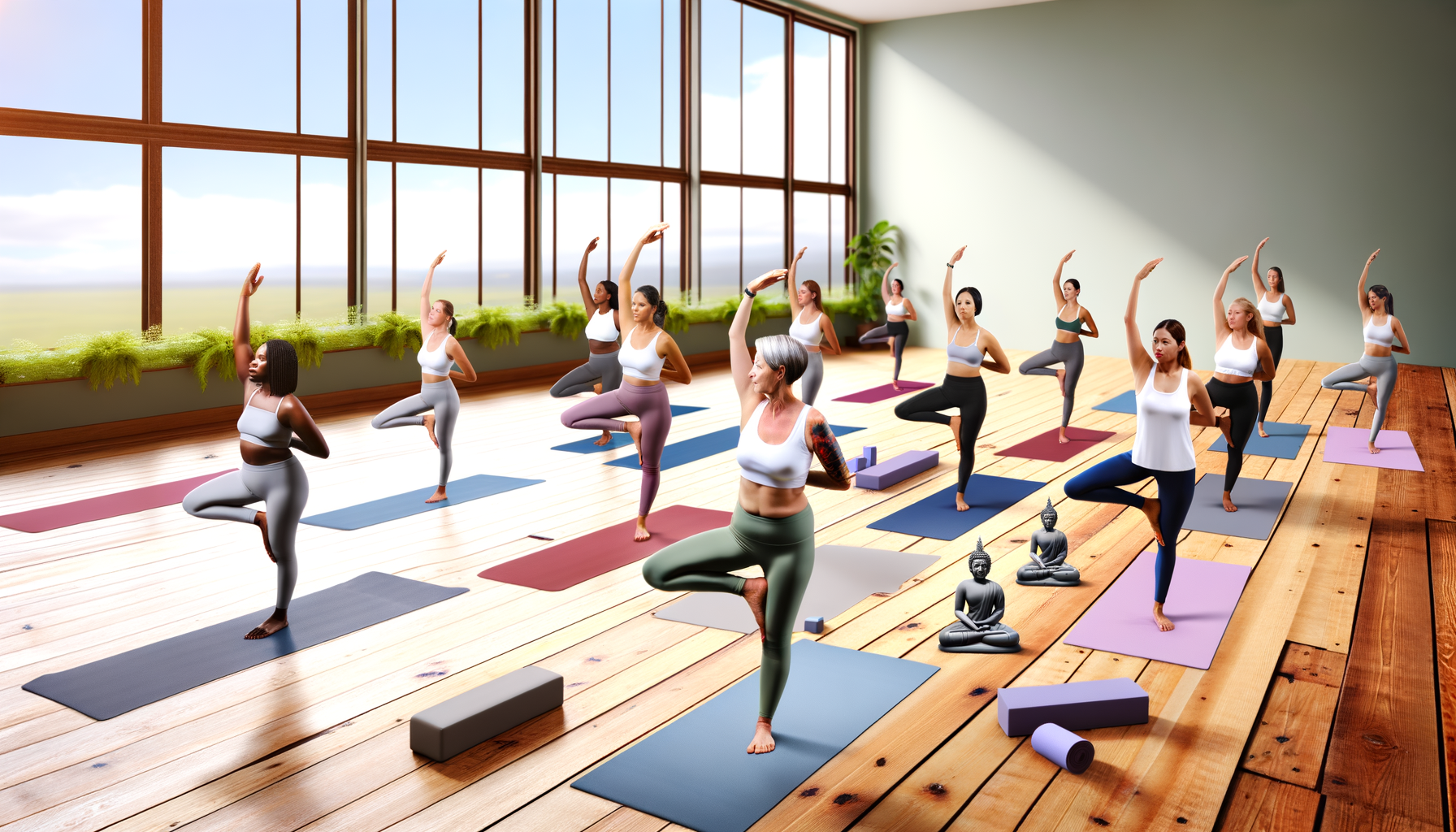
Embrace Your Yoga Journey: A Beginner’s Guide to Getting Started

June 6, 2024 By

Introduction to Yoga

Understanding Yoga and Its Origins

Yoga is an ancient practice with roots stretching back over 5,000 years in India. Derived from the Sanskrit word “yuj,” which means to yoke or unite, yoga is about the union of the mind, body, and spirit. The Vedas, ancient texts of immense wisdom, are the earliest known writings that mention yoga. Over time, yoga has evolved into various forms, but the essence remains the same: to achieve a harmonious, peaceful state of being.

Benefits of Yoga for Mind, Body, and Spirit

Yoga offers a multitude of benefits that encompass physical, mental, and emotional well-being. Physically, it enhances flexibility, strength, and posture. Mentally, it helps to relieve stress, improve focus, and promote a sense of peace. Spiritually, yoga encourages mindfulness and a deeper connection with oneself. Regular practice can lead to better sleep, reduced inflammation, and even pain relief. The holistic impact of yoga is what makes it a unique and enduring practice.

Dispelling Common Yoga Myths

Many misconceptions about yoga can deter beginners. One common myth is that you need to be flexible to do yoga. In reality, yoga is for everyone, and flexibility is an outcome, not a prerequisite. Another myth is that yoga is only for women or certain age groups. Yoga transcends gender, age, and fitness levels, adapting to the needs of each individual. Lastly, some believe yoga is purely physical, when in fact, the breathwork and meditative aspects are just as integral to the practice.

Yoga as a Journey, Not a Destination

It’s important to approach yoga as a journey rather than a destination. There is no “end goal” in yoga; it’s a continuous path of self-discovery and growth. Each practice can bring new insights and a deeper understanding of your body and mind. Embracing yoga as a lifelong journey allows for a more fulfilling and enriching experience, free from the pressure of perfection.

As you embark on your yoga journey, remember that it is a personal and evolving practice. Be patient with yourself, stay consistent, and enjoy the myriad of benefits that yoga has to offer.

Preparing for Your Yoga Practice

Creating a Comfortable Space

Embarking on your yoga journey begins with carving out a space where you can practice with ease and tranquility. This doesn’t require an elaborate setup; a quiet corner in your home where you can unroll your yoga mat is sufficient. Ensure the area is clean and free from distractions, and consider enhancing the ambiance with elements that promote relaxation, such as soft lighting, candles, or calming music. The goal is to create an environment that signals to your mind and body that it’s time for yoga.

Essential Yoga Gear for Beginners

  • Yoga Mat: A non-slip yoga mat is foundational, providing cushioning and stability.
  • Yoga Blocks: Useful for support and alignment in various poses, especially if flexibility is limited.
  • Yoga Strap: A strap can help you reach limbs in poses that are just a bit too far away, aiding in stretches.
  • Comfortable Clothing: Wear attire that allows for a full range of motion and is breathable.

Remember, while gear can enhance your practice, the most important element is your presence and commitment.

Setting Intentions and Goals

Before stepping onto your mat, take a moment to reflect on what you wish to achieve through your yoga practice. Setting intentions can range from seeking relaxation, improving flexibility, or cultivating a deeper mind-body connection. Goals should be personal, achievable, and kind, allowing for growth without rigid expectations. As you progress, these intentions and goals may evolve, guiding your journey and keeping your practice focused.

Understanding Your Body’s Limitations

As a beginner, it’s crucial to approach yoga with self-compassion and awareness of your body’s current capabilities. Respect your body’s limits and recognize that flexibility and strength will increase over time with consistent practice. Avoid comparing yourself to others and honor where you are at this moment. If a pose feels painful or uncomfortable, modify it or use props for support. Listening to your body is a profound act of self-care on the path of yoga.

With your space set, gear gathered, intentions clear, and an understanding of your body’s needs, you’re ready to embark on your yoga practice. Embrace this new beginning with an open heart and mind, ready to explore the transformative power of yoga.

Yoga Fundamentals

Basic Yoga Poses for Beginners

Embarking on a yoga journey begins with learning a few foundational poses that are essential for beginners. These poses lay the groundwork for a solid practice and help build strength, flexibility, and balance. Downward-Facing Dog stretches the hamstrings, calves, and back, while Warrior I focuses on leg strength and balance. Child’s Pose offers a gentle stretch for the back and hips, providing a moment of calm. Mountain Pose is the cornerstone of good posture and balance, and Cobra Pose strengthens the back muscles and increases spinal flexibility. Remember to approach these poses with patience and to listen to your body, modifying as needed.

The Importance of Breath in Yoga

Breath, or pranayama, is a vital element of yoga, serving as the bridge between the body and mind. Controlled breathing not only supports the physical execution of poses but also enhances mental focus and inner calm. In yoga, the breath is used to deepen your practice, guide your movements, and anchor you in the present moment. As you flow through poses, synchronize your movements with your breath, inhaling and exhaling smoothly and evenly.

Alignment and Posture Basics

Proper alignment in yoga is crucial to maximize the benefits of each pose and to avoid injury. As a beginner, it’s important to learn the basics of posture and alignment to ensure a safe and effective practice. This includes understanding how to position your feet, align your spine, and engage your core. Using props such as blocks and straps can help you achieve and maintain correct alignment as you build strength and flexibility. Always be mindful of your body’s alignment, and don’t hesitate to ask a teacher for help or clarification.

The Role of Meditation in Yoga

Meditation is an integral part of yoga that complements the physical practice. It involves focusing the mind and finding stillness, which can lead to increased awareness, concentration, and a sense of peace. As a beginner, incorporating short periods of meditation before or after your yoga practice can enhance your overall experience. Start with just a few minutes of seated meditation, focusing on your breath or a mantra. Over time, as your practice deepens, so will your meditative experiences.

Understanding these fundamentals of yoga will set the stage for a fulfilling and sustainable practice. As you continue on your yoga journey, these principles will serve as your guide, helping you to grow and evolve both on and off the mat.

Starting Your Practice

Choosing the Right Yoga Style for You

Embarking on your yoga journey begins with selecting a style that aligns with your personal goals and preferences. With a variety of yoga types available, from the gentle flow of Hatha Yoga to the vigorous sequences of Vinyasa or the heat of Bikram Yoga, there’s a style to suit every individual. Consider what you hope to achieve through yoga—be it increased flexibility, strength, stress relief, or spiritual growth. Experiment with different classes to find the one that resonates with you, and remember that your preference may evolve as you progress in your practice.

Finding Guidance: Classes vs. Self-Led Practice

As a beginner, guidance from experienced instructors can be invaluable. They provide structure, ensure proper alignment, and offer modifications. Look for beginner or foundational classes at local studios, gyms, or online platforms. If you prefer a more personal touch, consider one-on-one sessions with a yoga teacher. Alternatively, a self-led practice at home using online resources can offer flexibility and comfort. Weigh the benefits of each to determine the best fit for your lifestyle and learning style.

The Importance of Consistency and Patience

Consistency is the cornerstone of a successful yoga practice. Aim to incorporate yoga into your daily routine, even if it’s just a few minutes each day. This regularity helps to build a habit and allows the benefits of yoga to manifest more fully. Alongside consistency, patience is crucial. Progress in yoga is not linear, and each day can bring a different experience. Embrace this, knowing that with time, your body and mind will open and strengthen in ways you may not expect.

Listening to Your Body and Modifying Poses

One of the most important aspects of yoga is listening to your body. It’s essential to recognize your body’s limitations and work within them. Pushing too hard can lead to injury, so it’s important to modify poses as needed. Use props like blocks, straps, and blankets to support your practice. Remember, yoga is not about achieving the perfect pose but about finding the balance between effort and ease. Honor where you are in your journey and allow your practice to be a reflection of self-care and self-awareness.

As you start your yoga practice, keep these guiding principles in mind. Choose a style that feels right, seek guidance to build a strong foundation, practice consistently with patience, and always listen to your body. With these pillars, you’ll be well on your way to a fulfilling and transformative yoga journey.

Deepening Your Yoga Practice

Incorporating Mindfulness and Awareness

Mindfulness and awareness are the cornerstones of a deepened yoga practice. As you progress, it’s essential to cultivate a heightened sense of presence during each session. This means attentively observing your breath, the sensations in your body, and the thoughts that arise without judgment. By doing so, you transform your practice from a series of physical movements into a meditative experience that nurtures the mind and spirit. To enhance mindfulness, begin your practice with a few minutes of seated meditation, focusing on your breath to set a tone of awareness.

Exploring Different Yoga Philosophies

Yoga is more than just asanas; it’s a rich tradition with diverse philosophies. As you delve deeper, explore texts like the Yoga Sutras of Patanjali or the Bhagavad Gita to understand the ethical and spiritual dimensions of yoga. Learning about the yamas and niyamas, which are moral guidelines, can provide a framework for living a life aligned with yogic principles. Engaging with these teachings can inspire your practice and offer insights into the purpose behind the poses.

The Power of Yoga Communities

Joining a yoga community can significantly enrich your practice. Whether it’s a local studio, an online forum, or a yoga retreat, connecting with fellow yogis can offer support, motivation, and friendship. Sharing experiences and challenges with others who are on a similar path can help you overcome obstacles and maintain enthusiasm. Furthermore, communities often host workshops and events that can introduce you to new styles, techniques, and philosophies.

Challenges and Plateaus in Your Yoga Journey

It’s natural to encounter challenges and plateaus as you progress in your yoga journey. When you feel like you’re not advancing, it’s crucial to stay patient and persistent. Remember that growth often happens in subtle ways and may not always be immediately visible. To overcome these periods, try setting new goals, varying your routine, or working with a teacher who can provide personalized guidance. Embrace these challenges as opportunities to learn more about yourself and your practice.

Remember, deepening your yoga practice is a continuous process that involves exploring the subtleties of your mind and body. Stay curious, open, and committed, and you’ll discover the profound depth that yoga has to offer.

Yoga Beyond the Mat

Applying Yoga Principles in Daily Life

Yoga is more than just a series of poses; it’s a way of living. The principles of yoga, such as mindfulness, non-harm (ahimsa), and self-discipline (tapas), can be woven into the fabric of our daily lives. By practicing mindfulness, we become more present in each moment, whether we’re eating, working, or interacting with others. Embracing non-harm leads us to make more compassionate choices that benefit not only ourselves but also those around us. Self-discipline helps us to maintain healthy habits and make decisions that align with our long-term well-being.

Yoga for Emotional Balance and Stress Relief

Regular yoga practice has been shown to reduce stress and promote emotional balance. Techniques such as deep breathing (pranayama), meditation, and the physical postures (asanas) work together to calm the nervous system and alleviate the physical manifestations of stress. By incorporating these practices into your routine, you can cultivate a sense of inner peace that helps you navigate life’s challenges with greater ease.

Nutrition and Lifestyle Choices for Yogis

Yoga encourages us to be mindful of our bodies, and this extends to our nutrition and lifestyle choices. Many yogis find that a diet rich in whole, plant-based foods not only supports their physical practice but also aligns with the principle of non-harm. Additionally, lifestyle choices such as getting adequate rest, spending time in nature, and engaging in self-care practices are all part of a holistic approach to wellness that complements the physical aspects of yoga.

Continuing Your Education in Yoga

The journey of yoga is one of continuous learning and growth. As you deepen your practice, you may wish to explore different styles of yoga, attend workshops, or even pursue teacher training. Resources such as books, online courses, and community classes can provide valuable knowledge and inspiration. Remember, the path of yoga is unique for each individual, and there is no end to the wisdom and personal insight that can be gained through dedicated practice and study.

Yoga is not confined to the mat—it’s a living practice that extends into every aspect of our lives. By applying the principles of yoga to our daily routines, seeking emotional balance through its techniques, making conscious choices about our health, and continually seeking knowledge, we can truly embrace the transformative power of yoga in all its forms.

Conclusion: Embracing the Lifelong Journey

Celebrating Personal Growth and Milestones

As you continue on your yoga journey, it’s important to pause and acknowledge the progress you’ve made. Whether it’s mastering a new pose, deepening your meditation practice, or simply feeling more at peace, each milestone is a testament to your dedication and growth. Celebrate these moments, no matter how small they may seem, for they are the building blocks of your personal transformation.

Staying Motivated and Inspired

Maintaining motivation can be challenging, but it’s essential for a sustained practice. Keep your yoga journey fresh and inspiring by setting new intentions, trying different styles of yoga, or incorporating yoga philosophy into your daily life. Remember, inspiration can come from many sources: a supportive community, uplifting stories from fellow yogis, or even the serene feeling after a practice. Find what resonates with you and let it fuel your passion for yoga.

Resources for Further Learning

Your yoga education doesn’t end when you roll up your mat. There are countless resources available to deepen your understanding and practice. Books, online courses, workshops, and retreats can all provide valuable insights and new perspectives. Don’t hesitate to reach out to teachers or join yoga communities for shared learning experiences. Embrace the wealth of knowledge that the yoga tradition offers.

Parting Words of Encouragement

As you embark on this lifelong journey, remember that yoga is not about perfection; it’s about progress and presence. There will be days when your practice feels effortless and others where it seems like a struggle. Embrace both with compassion and patience. Trust in the process, and know that each step forward, no matter how small, is a step towards a more balanced and fulfilled you. Keep your heart open, your mind curious, and your spirit adventurous. Namaste.

Filed Under: Features

Luxury for Less: Indulgent Self-Care Ideas on a Budget

June 5, 2024 By

Introduction

Understanding Self-Care

Self-care is often misconstrued as a luxury, reserved for those with ample time and financial resources. However, at its core, self-care is about maintaining one’s overall well-being through practices that nurture the mind, body, and soul. It’s the conscious act of engaging in activities that promote health and personal satisfaction, not just indulgences but also the everyday habits that keep us functioning optimally. Whether it’s ensuring adequate sleep, eating nutritious foods, or finding moments of joy, self-care is a fundamental aspect of living a balanced and fulfilling life.

The Myth of Expensive Self-Care

The notion that self-care necessitates a lavish expenditure is a pervasive myth. Advertisements and social media often portray self-care as synonymous with high-end spa days, luxury travel, or expensive products. This portrayal can be misleading, suggesting that without spending excessively, one cannot truly experience the benefits of self-care. However, indulgence doesn’t have to come with a hefty price tag. The essence of self-care lies in the value it brings to your life, not the amount spent. It’s about finding simple pleasures and moments of peace that enrich your daily experience without draining your wallet.

Setting the Stage for Affordable Luxury

Creating a sense of luxury in your self-care routine doesn’t require a complete disregard for your budget. It’s about redefining what luxury means to you and discovering how to incorporate those elements into your life in a way that’s both sustainable and financially responsible. Affordable luxury might mean curating a home spa experience with homemade remedies, finding tranquility in nature, or savoring a home-cooked meal that nourishes both the body and the palate. By being creative and mindful about your choices, you can design a self-care practice that feels indulgent and luxurious, yet aligns with your financial means.

As we delve deeper into the realms of mindful practices, pampering your body, and nourishing the soul with creativity, remember that luxury for less is not only attainable but can also be incredibly rewarding. It’s about embracing the richness of life’s simple pleasures and recognizing that the most indulgent self-care is often found in the moments we create for ourselves, without the need for extravagance.

Mindful Practices for Inner Peace

Meditation and Mindfulness Techniques

Meditation and mindfulness are cornerstones of self-care that can be practiced without spending a penny. These techniques are about cultivating a sense of calm and clarity within your own mind. Meditation is the act of focusing our attention and quieting our thoughts, which can be done sitting, standing, or walking. Mindfulness, on the other hand, involves bringing our awareness to the present moment and fully experiencing it without judgment. To start, try dedicating a few minutes each day to simply observe your breath or the sensations in your body. This practice can help you learn to quiet the constant chatter of your mind and find a sense of stillness within yourself.

Journaling for Self-Discovery

Journaling is a powerful tool for self-discovery and reflection that costs nothing more than the price of a notebook and pen. It’s a way to externalize your thoughts and feelings, helping you to understand them more clearly. Start by writing down your thoughts and feelings each day, or explore specific prompts that challenge you to think about your experiences and beliefs. Through regular journaling, you can gain insights into your patterns of thinking and behavior, leading to greater self-awareness and personal growth.

Gratitude as a Daily Ritual

Practicing gratitude is a simple yet profound way to shift your focus from what may be lacking in your life to the abundance that is already present. It’s about recognizing and appreciating the good in our lives, which can often be overlooked. Begin by listing three things you are grateful for each day. These can be as simple as the warmth of the sun or the comfort of a friend’s support. By making gratitude a daily ritual, you can train your brain to naturally seek out and focus on the positive, enhancing your overall well-being and contributing to a more peaceful state of mind.

Pampering Your Body

DIY Spa Experiences at Home

Transforming your home into a sanctuary of relaxation doesn’t have to come with a hefty price tag. Begin by setting the mood: dim the lights, light some candles, and play soft, soothing music. A DIY bath soak can be as simple as adding Epsom salts and a few drops of essential oils like lavender or eucalyptus to your bathwater. For a facial steam, pour boiling water into a bowl with herbs like chamomile or rosemary, drape a towel over your head, and let the steam open your pores. Follow up with a homemade face mask using ingredients like honey, yogurt, and oatmeal for a nourishing treat. Don’t forget to give your hands and feet some love with a self-manicure and pedicure, using a homemade scrub made from sugar and olive oil to exfoliate and soften the skin.

Natural Skincare Remedies

Nature offers a plethora of ingredients that can enhance your skin’s health without the need for expensive products. For a gentle exfoliator, mix coffee grounds with coconut oil for a stimulating scrub that leaves your skin feeling refreshed. A soothing mask can be made from mashed avocado, known for its hydrating properties, mixed with honey for its antibacterial benefits. For a natural toner, apply apple cider vinegar diluted with water to help balance the skin’s pH. And for daily moisturizing, look no further than aloe vera or shea butter, which provide deep hydration and are rich in vitamins.

Restorative Yoga Poses

Yoga is a powerful tool for both physical and mental wellness, and it doesn’t cost a thing. Incorporate restorative yoga poses into your routine to release tension and promote relaxation. Start with Child’s Pose (Balasana) to help calm the mind and gently stretch the back. Move into Legs-Up-The-Wall Pose (Viparita Karani) to relieve tired legs and feet and improve circulation. The Supported Bridge Pose (Setu Bandhasana) can alleviate stress and mild depression. Finish with Corpse Pose (Savasana), taking the time to breathe deeply and allow your body to absorb the benefits of your practice. Remember, the goal is to feel rejuvenated, not to achieve perfect form.

By embracing these self-care practices, you can indulge in luxury for less, proving that pampering your body doesn’t have to be an expensive endeavor. It’s about taking the time to nurture yourself with the resources you have, creating moments of peace and relaxation that benefit your overall well-being.

Nourishing the Soul with Creativity

Art and Craft Without Breaking the Bank

Creativity is not a luxury; it’s a gateway to personal fulfillment and mental well-being. Engaging in art and craft activities can be a therapeutic and joyful experience that doesn’t require a hefty investment. Start with materials you already have at home, like old magazines for a collage or a simple pencil for sketching. Explore local thrift stores for affordable supplies, or join community art groups that often share resources. Remember, the focus is on the process, not perfection. Let your imagination run wild and enjoy the freedom of creating something uniquely yours.

Cultivating a Reading Habit

Reading is a form of escapism that allows you to explore different worlds and perspectives without leaving your home. It’s a luxurious indulgence that can be enjoyed for free with resources like public libraries or book swaps with friends. Dedicate a cozy corner in your home as a reading nook, and make a date with yourself to dive into a good book. Whether it’s fiction, non-fiction, or poetry, reading stimulates the mind, reduces stress, and enhances empathy. So, pick up that book you’ve been meaning to read and let the stories nourish your soul.

Music and Dance for Emotional Release

Music and dance are powerful tools for emotional expression and release. Create a playlist of songs that resonate with your mood, and let the music envelop you. Whether you’re in the mood for an upbeat dance party or a soothing melody to unwind, music has the power to alter your emotional landscape. And when it comes to dance, you don’t need a fancy studio. Push aside the furniture, and give yourself permission to move freely in your own space. Dance like nobody’s watching and let the rhythm guide you to a place of joy and release.

By incorporating these creative self-care practices into your routine, you can indulge in the luxury of nurturing your soul without spending a fortune. Embrace the arts, lose yourself in a good book, and let music and dance be your emotional outlets. These activities are not only enjoyable but also contribute to a richer, more balanced life.

Cultivating Connections

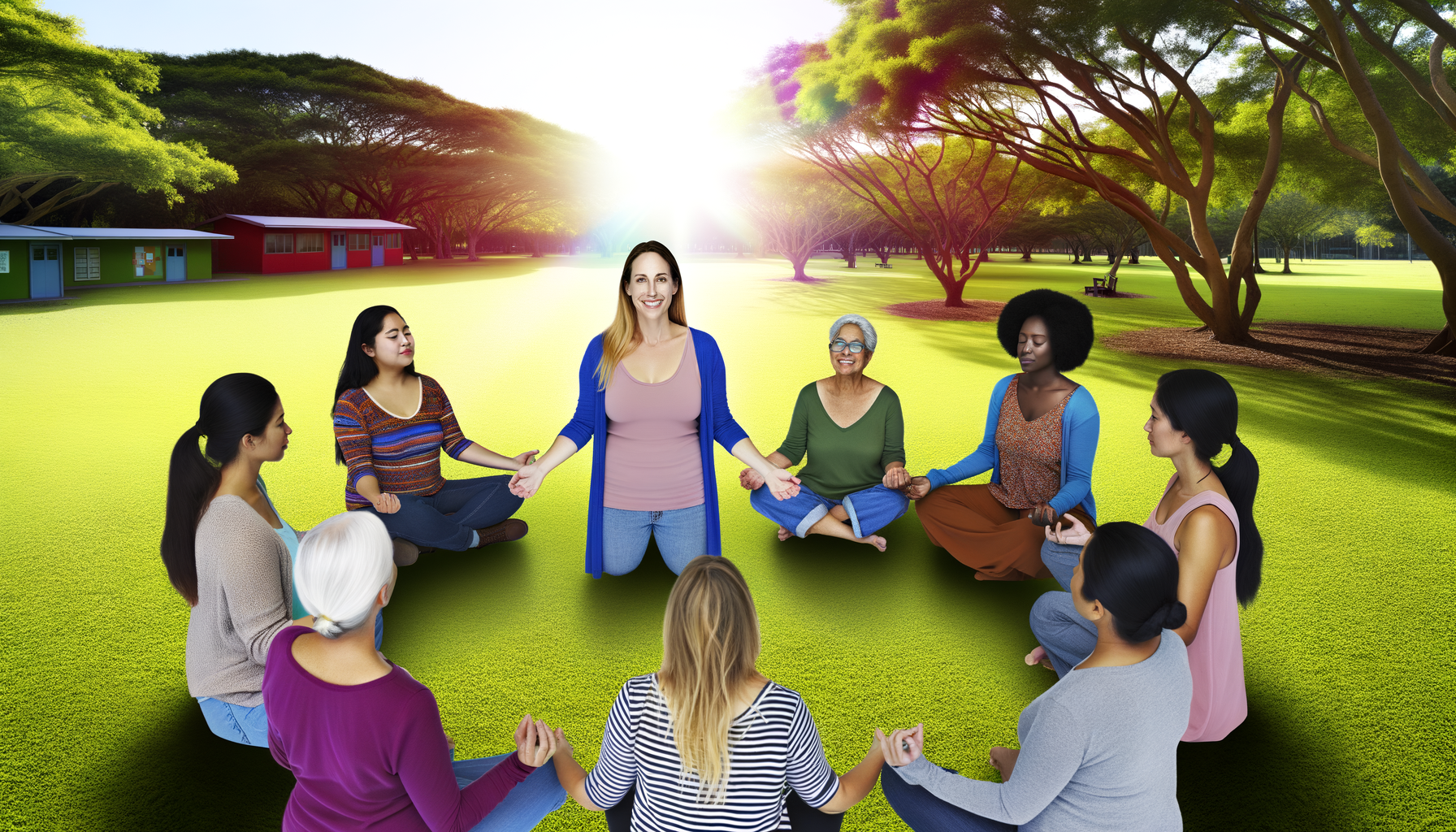
Building a Supportive Community

Human beings are inherently social creatures, and a sense of community is essential for our mental and emotional well-being. Building a supportive community doesn’t have to be expensive; it’s about finding like-minded individuals who share similar values or interests. Start by engaging in local events or groups that align with your passions. This could be a book club, a gardening group, or a local sports team. Utilize social media platforms to join groups or forums that are focused on your interests. Remember, the goal is to create meaningful connections, not to increase your friend count. A supportive community can provide encouragement, advice, and a sense of belonging, all of which are invaluable aspects of self-care.

Affordable Ways to Nurture Relationships

Nurturing relationships is a cornerstone of self-care, and it doesn’t have to involve grand gestures or expensive outings. Simple acts like cooking a meal together, going for a walk, or having a heart-to-heart conversation can strengthen bonds without straining your wallet. Consider organizing a potluck dinner where everyone brings a dish, or host a game night with homemade snacks. The act of sharing and collaboration can deepen connections and create lasting memories. Additionally, writing letters or sending personalized messages can show someone you care without costing much at all. The key is to be present and authentic in your interactions.

Volunteering: Giving Back as Self-Care

Volunteering is a powerful form of self-care that enriches your life by giving back to others. It’s a way to step outside of your own world and contribute to a greater cause. Look for volunteer opportunities in your community that resonate with you, whether it’s helping at a local shelter, tutoring students, or participating in environmental clean-ups. Volunteering can provide a sense of purpose and fulfillment that often comes with a high price tag in other areas of life. Moreover, it’s an opportunity to meet people who share your altruistic interests, potentially leading to new friendships and a supportive network. Remember, when you give your time and energy to help others, you also nurture your own soul.

Embracing Nature’s Bounty

Gardening for the Soul

Gardening is not just about cultivating plants; it’s a therapeutic journey that nurtures the soul. Engaging with the earth has a grounding effect, offering a sense of peace and accomplishment. Starting a herb garden or a small vegetable patch can be done on any budget and in any space, even on a windowsill or balcony. Seeds are inexpensive, and the joy of watching something grow from your own efforts is priceless. Gardening encourages mindfulness and patience, as you learn to work in harmony with nature’s rhythms.

Outdoor Activities for Well-being

Embracing the great outdoors is a luxurious experience that doesn’t cost a dime. Activities like hiking, biking, or simply taking a leisurely walk in a local park can significantly boost your mental and physical health. The fresh air, the sounds of nature, and the vitamin D from sunlight are all natural mood enhancers. Organize a picnic with friends or family, fly a kite on a windy day, or take a book to read under a tree. These simple pleasures allow you to disconnect from the digital world and reconnect with the world around you.

Harnessing the Healing Power of Plants

Plants are not only for viewing or eating; they have healing properties that have been recognized for centuries. Incorporating aromatic herbs like lavender, rosemary, and mint into your living space can improve air quality and provide a calming effect. Indoor plants like snake plants and peace lilies can also purify the air and add a touch of green serenity to your home. For those without a green thumb, visiting a local botanical garden or community garden can be a way to enjoy the benefits of plants without the responsibility of care.

In conclusion, nature offers an abundance of opportunities for self-care that are both indulgent and affordable. Whether through gardening, enjoying outdoor activities, or surrounding yourself with plants, you can embrace luxury for less by tapping into the healing power of nature’s bounty.

Conclusion

Integrating Self-Care into Daily Life

Self-care is not an occasional indulgence; it’s a daily practice that should be woven into the fabric of our lives. Integrating self-care into your routine doesn’t have to be costly or time-consuming. It can be as simple as taking a few moments to breathe deeply, enjoying a homemade cup of coffee, or taking a brisk walk in nature. The key is to make self-care a non-negotiable part of your day, just like brushing your teeth or eating meals. By doing so, you ensure that your well-being is always a priority, regardless of your budget.

Maintaining a Luxury Mindset on a Budget

Luxury is often associated with opulence and expense, but it’s truly a state of mind. Maintaining a luxury mindset on a budget means finding joy and richness in the experiences that don’t come with a hefty price tag. It’s about appreciating the small pleasures, like the scent of fresh flowers or the softness of a cozy blanket. By redefining what luxury means to you, you can enjoy a lavish lifestyle that aligns with your financial goals. Remember, the most indulgent self-care practices are often the ones that cost the least but resonate the most with your personal values and desires.

Final Thoughts and Encouragement

As we conclude, remember that self-care is an essential, not a luxury. It’s about taking care of your mind, body, and soul without breaking the bank. You don’t need to spend extravagantly to feel pampered and rejuvenated. With creativity and intention, you can craft a self-care routine that feels indulgent and aligns with your budget. So, embrace the practices that bring you peace and happiness, and encourage yourself to find luxury in the everyday. Your well-being is priceless, and with these budget-friendly self-care ideas, it’s also incredibly attainable.

Filed Under: Features

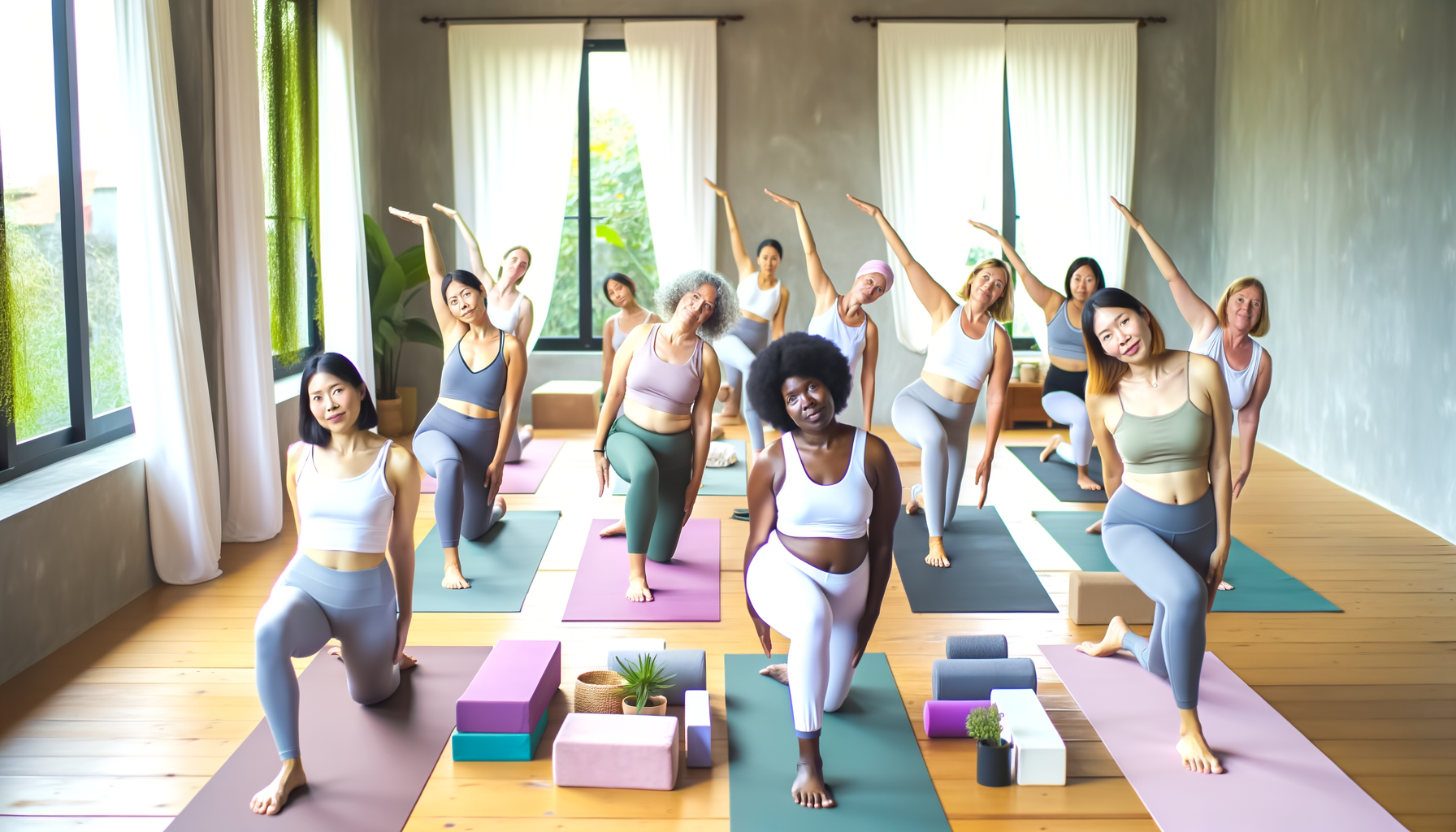
Creating Spaces for All: The Importance of Diversity in Community Groups

June 5, 2024 By

Introduction

Defining Diversity in Community Groups

Diversity within community groups refers to the inclusion of individuals from a variety of backgrounds, encompassing race, ethnicity, gender, age, sexual orientation, socioeconomic status, and physical abilities, among others. It is the mosaic of people who bring a range of experiences, perspectives, and values to the collective table. In the context of community groups, diversity means more than just acknowledging differences; it involves actively engaging with and valuing these differences to enrich the group’s dynamics and outcomes.

Overview of the Importance of Inclusive Spaces

Inclusive spaces are environments where individuals feel welcomed, respected, and valued for who they are. The importance of creating such spaces within community groups cannot be overstated. Inclusive spaces allow for the full participation and contribution of all members, leading to a more vibrant, dynamic, and effective group. They foster a sense of belonging and empowerment, which is essential for collaborative success. Moreover, inclusive spaces are a reflection of a just and equitable society, where every voice has the opportunity to be heard and every person has the chance to thrive.

Objectives of the Article

The objectives of this article are manifold. Firstly, it aims to elucidate the concept of diversity within community groups and underscore the significance of fostering inclusive environments. Secondly, the article seeks to highlight the multifaceted benefits that diversity brings to community groups, from enhancing creativity and problem-solving to promoting empathy and resilience. Thirdly, it will address the challenges that impede diversity and offer strategies for overcoming these obstacles. Through case studies and practical tools, the article intends to provide a roadmap for individuals and leaders to create and sustain diverse community groups. Ultimately, the goal is to inspire action towards embracing diversity, thereby crafting spaces that are truly for all.

The Multifaceted Benefits of Diversity

Cultural Enrichment and Broader Perspectives

Diversity within community groups offers a tapestry of cultural enrichment that benefits all members. When individuals from various backgrounds come together, they bring with them a wealth of cultural experiences, traditions, and knowledge. This exchange leads to a broader understanding of the world and fosters a more inclusive perspective. Members are exposed to different ways of life, which can challenge preconceived notions and inspire a deeper appreciation for the richness of human experience. Cultural events, shared stories, and traditional practices become opportunities for learning and connection, creating a vibrant and dynamic community fabric.

Enhanced Creativity and Problem-Solving

The presence of diverse voices and minds in a group setting is a catalyst for creativity and innovation. When faced with challenges, a group that is rich in diversity can draw upon a wider array of experiences and viewpoints, leading to more inventive and effective solutions. Diverse teams challenge the status quo, think outside the box, and are not afraid to experiment with new ideas. This diversity of thought is not only beneficial for problem-solving but also for the overall growth and adaptability of the community group.

Increased Empathy and Understanding

Interacting with people from different backgrounds can significantly increase empathy and understanding among community group members. As individuals share their experiences and perspectives, others gain insights into lives that may be quite different from their own. This fosters a sense of empathy, as members begin to understand the challenges and triumphs of their peers. Such interactions can break down barriers, dispel stereotypes, and build a foundation of mutual respect and compassion, which is essential for a harmonious community.

Strengthening Community Resilience

A diverse community group is often a resilient one. The variety of perspectives and skills within the group means that it is better equipped to face adversity and change. Members can draw on a broader set of resources, be it knowledge, networks, or different approaches to problem-solving. This resilience is crucial in times of crisis or when navigating the complexities of societal change. Moreover, a community that values diversity is likely to be more inclusive and supportive, providing a safety net for its members during difficult times.

In conclusion, the benefits of diversity within community groups are profound and far-reaching. From enriching cultural experiences to fostering innovation, and from building empathy to strengthening resilience, diversity is a powerful asset that can transform communities into thriving, inclusive, and dynamic spaces for all.

Challenges to Achieving Diversity

Unconscious Bias and Prejudice

Despite the best intentions, unconscious biases and prejudices often impede the progress of diversity in community groups. These biases are internalized attitudes that individuals hold without conscious awareness, affecting decisions and interactions within the group. Unconscious bias can manifest in various ways, such as favoring certain individuals for opportunities or dismissing ideas from those who do not fit the perceived norm. To combat these biases, it is essential for community groups to engage in self-reflection, provide bias training, and implement fair practices that promote equality.

Lack of Representation and Accessibility

True diversity cannot be achieved without representation from all segments of society. A common challenge is the underrepresentation of certain groups, which can be due to a lack of outreach or barriers to participation. Accessibility issues, whether physical, financial, or social, also prevent diverse members from joining and contributing to community groups. Ensuring that spaces are physically accessible, offering financial assistance, and creating inclusive policies are steps towards overcoming these hurdles.

Overcoming Language and Cultural Barriers

Language and cultural differences can create significant barriers to diversity. When community groups do not provide multilingual resources or fail to respect cultural practices, they inadvertently exclude those who could otherwise enrich the group’s dynamics. Overcoming these barriers requires a commitment to cultural sensitivity, such as offering translation services, celebrating cultural events, and fostering an environment where all cultural expressions are valued.

Economic and Social Disparities

Economic and social disparities pose a substantial challenge to achieving diversity. Individuals from lower socioeconomic backgrounds may lack the resources or time to participate in community groups. Additionally, social disparities, such as discrimination or lack of social mobility, can further alienate marginalized groups. Addressing these disparities involves creating scholarship opportunities, flexible participation options, and actively working to dismantle systemic barriers that perpetuate inequality.

In conclusion, while the benefits of diversity in community groups are manifold, the challenges are significant and multifaceted. It requires a concerted effort to recognize and address unconscious biases, ensure representation and accessibility, bridge language and cultural divides, and confront economic and social disparities. By doing so, community groups can create truly inclusive spaces that reflect and celebrate the diversity of the wider society.

Strategies for Fostering Inclusive Community Groups

Active Recruitment and Outreach Efforts

To build truly diverse community groups, active efforts must be made to reach out to underrepresented populations. This involves identifying gaps in representation and creating targeted recruitment strategies. Outreach can take many forms, from community events and partnerships with local organizations to social media campaigns and word-of-mouth. It’s important to communicate the value of diversity within the group and to ensure that the invitation to participate is clear, compelling, and accessible to all.

Creating Safe and Welcoming Environments

Creating a safe and welcoming environment is essential for an inclusive community group. This means establishing a space where all members feel respected and valued, regardless of their background or identity. Clear guidelines should be set for respectful communication and behavior, and these should be actively enforced. Accessibility is also a key factor, ensuring that physical spaces are accessible to individuals with disabilities and that materials are available in multiple formats. Additionally, fostering a culture of active listening and open-mindedness can go a long way in making all members feel included.

Providing Education and Training on Diversity

Education and training can play a significant role in enhancing the inclusivity of community groups. Workshops and seminars on topics such as cultural competence, unconscious bias, and inclusive communication can equip members with the skills and knowledge needed to interact respectfully and effectively with diverse populations. It’s also beneficial to provide resources and learning materials that members can access on their own time to further their understanding of diversity and inclusion.

Encouraging Dialogue and Shared Experiences

Encouraging open dialogue and the sharing of experiences helps to build empathy and understanding within the group. Facilitated discussions, storytelling sessions, and group activities can provide opportunities for members to learn about each other’s backgrounds and perspectives. It’s important to create an atmosphere where all voices are heard and where differing opinions can be expressed in a constructive manner. Shared experiences, such as community service projects or cultural celebrations, can also help to foster a sense of unity and common purpose.

In conclusion, fostering inclusive community groups requires intentional and ongoing effort. By actively recruiting diverse members, creating safe and welcoming environments, providing education on diversity, and encouraging dialogue and shared experiences, community groups can become vibrant spaces that reflect the rich tapestry of our society. These strategies not only benefit the individuals involved but also strengthen the fabric of the community as a whole.

Case Studies: Successful Diverse Community Groups

Community Groups as Agents of Change

Community groups have long been recognized as powerful agents of change, particularly when they embody a diverse range of voices and experiences. Diversity within these groups ensures that a multitude of perspectives are considered, leading to more innovative and inclusive solutions. For instance, the ForwardDallas Land Use update exemplifies how inclusive community engagement can lead to equitable city planning. By inviting input from a wide array of community members, Dallas City Hall was able to address spatial inequity and create policies that consider the needs of all citizens, not just the majority.

Impact on Members’ Well-being and Personal Growth

The benefits of participating in diverse community groups extend beyond societal impact; they also foster personal growth and well-being. Xiaoqi Feng and Thomas Astell-Burt’s review on green spaces and loneliness underscores the importance of inclusive planning. When diverse groups are consulted, the resulting green spaces can cater to the needs of all, including those with disabilities, thereby reducing loneliness and promoting social connection. This inclusive approach not only enhances the well-being of individual members but also strengthens the social fabric of the entire community.

Lessons Learned and Best Practices

Successful diverse community groups teach us valuable lessons about inclusion and representation. Best practices include:

  • Intentional Outreach: Actively seeking participation from underrepresented groups ensures that all voices are heard.
  • Educational Content: Providing information that explains how decisions affect community members can empower them to engage meaningfully in the process.
  • Inclusive Planning: Recognizing the unique challenges faced by different groups, such as people with disabilities or low-income communities, leads to more equitable solutions.
  • Continuous Feedback: Creating mechanisms for ongoing dialogue ensures that community groups remain responsive to the needs of their diverse members.

By implementing these practices, community groups can become exemplars of diversity and inclusion, leading to positive change and enhanced well-being for all members.

Tools and Resources for Individuals and Leaders

Assessment Tools for Diversity and Inclusion

For organizations and leaders aiming to create more inclusive community groups, assessment tools are invaluable. These tools help measure the current state of diversity and inclusion within a group, providing a baseline from which to grow. Examples include diversity climate surveys, inclusion indexes, and cultural audits. These instruments can highlight areas of strength and pinpoint where improvements are needed, ensuring that efforts to enhance diversity are data-driven and targeted.

Educational Materials and Workshops

Education is a cornerstone of fostering an inclusive environment. Leaders should provide access to a range of educational materials, such as articles, books, and multimedia resources that cover topics like unconscious bias, cross-cultural communication, and the benefits of diversity. Workshops and training sessions, led by experienced facilitators, can offer interactive opportunities for group members to learn and practice new skills, engage in dialogue, and explore different perspectives in a safe setting.

Online Platforms for Connection and Support

In today’s digital age, online platforms play a crucial role in connecting individuals and supporting diverse community groups. Social media groups, forums, and networking sites can facilitate the sharing of experiences and resources, while virtual meeting tools enable remote participation, ensuring that physical barriers do not hinder inclusivity. Additionally, online platforms can serve as repositories for diversity-related materials and host virtual events that celebrate and educate about diversity.

Grants and Funding for Diverse Initiatives

Financial support is often necessary to implement diversity initiatives effectively. Grants and funding can be sourced from governmental bodies, private foundations, and corporate sponsors committed to social responsibility. These funds can be used to support a range of activities, from community-building events to training programs and research projects. Leaders should be proactive in seeking out these opportunities and be prepared to articulate the value and impact of their diversity initiatives in grant applications.

In conclusion, the creation of inclusive community groups requires a multifaceted approach, underpinned by a commitment to continuous learning and improvement. By utilizing assessment tools, educational materials, online platforms, and securing necessary funding, individuals and leaders can lay the groundwork for spaces that truly embrace and celebrate diversity.

Conclusion

Recap of Diversity’s Value in Community Groups

In this article, we have explored the profound significance of diversity within community groups. Diversity, as we’ve defined it, encompasses a wide range of human differences, including but not limited to race, ethnicity, gender, age, social class, physical ability, and religious beliefs. The value of such diversity is immeasurable, offering cultural enrichment, broader perspectives, enhanced creativity, and improved problem-solving. It fosters empathy and understanding, and ultimately strengthens the resilience of communities.

Through various case studies and theoretical frameworks, we’ve seen how diverse community groups act as agents of change, impacting members’ well-being and personal growth. We’ve learned that embracing diversity is not just a moral imperative but a practical one, leading to more vibrant, innovative, and inclusive communities.

Call to Action for Embracing Diversity

It is clear that the journey towards creating truly inclusive spaces is ongoing and requires commitment from each one of us. We must actively challenge unconscious biases, work to dismantle barriers to representation and accessibility, and strive to overcome language, cultural, and economic disparities. Community leaders and members alike are called upon to:

  • Engage in active recruitment and outreach to underrepresented groups.
  • Create environments that are safe, welcoming, and conducive to the needs of diverse populations.
  • Provide education and training on diversity and inclusion to foster a deeper understanding and appreciation of our differences.
  • Encourage open dialogue and shared experiences that celebrate diversity and promote unity.

Final Thoughts on Creating Spaces for All

As we conclude, let us reflect on the essence of our shared humanity and the common threads that bind us. Creating spaces for all is not merely about physical spaces but about cultivating an ethos of inclusivity, respect, and mutual support. It is about building communities where every individual feels valued, heard, and empowered to contribute to the collective good.

Let us take inspiration from the public markets, playgrounds, and boardwalks that serve as multicultural melting pots, bringing people together in a celebration of life’s rich tapestry. Let us remember that diversity is not just a statistic to be achieved but a dynamic force that enriches our lives in countless ways.

In the spirit of unity and progress, we must continue to push the boundaries of what it means to be a community. We must be bold in our vision, collaborative in our efforts, and unwavering in our commitment to creating spaces for all. The future of our communities depends on it.

Filed Under: Features

Heartfelt Conversations: How to Deepen Your Emotional Connections

June 5, 2024 By

Introduction to Emotional Connections

Understanding Emotional Connections

At the core of our social fabric lies the innate human need for emotional connections. These connections are the invisible threads that bind us, allowing us to feel seen, understood, and valued. Emotional connections are not just about surface-level interactions; they are the profound ties we establish when we share our innermost thoughts, feelings, and experiences with another person. In the realm of these connections, we find solace in being vulnerable and authentic, knowing that we are in a space where our emotions are not only acknowledged but also reciprocated with empathy and understanding.

The Importance of Deep Relationships

Deep relationships are the bedrock of our emotional well-being. They provide a sense of belonging and purpose, enriching our lives in countless ways. David Brooks, a New York Times columnist, highlights the significance of these relationships, especially during challenging times such as the pandemic. Trauma expert Bonnie Badenoch and Columbia professor Martha Welch emphasize the healing power of vulnerable, deep conversations. These interactions are not confined to romantic partnerships; they are equally vital in platonic friendships, familial bonds, and professional relationships. They offer a sanctuary where we can express our true selves and find comfort in the shared human experience.

Challenges in Achieving Heartfelt Conversations

Despite their importance, heartfelt conversations are not always easy to come by. Various barriers can impede the depth of our interactions. For some, depression or personality disorders may strain the ability to form close emotional bonds. Others might struggle with a learned tendency to hide emotions, making openness and vulnerability feel like a daunting task. Moreover, logistical challenges such as finding the right time and setting the appropriate tone for a deep conversation can also be obstacles. It requires intentionality and effort to navigate these challenges and cultivate the kind of emotional intimacy that leads to truly heartfelt conversations.

In summary, emotional connections are essential for our psychological health and the quality of our relationships. Understanding, valuing, and working towards deepening these connections can lead to a more fulfilling and compassionate life. As we proceed, we will explore the art of listening, expressing ourselves authentically, and other facets that contribute to enriching our emotional connections with others.

The Art of Listening

Active Listening Techniques

Active listening is the foundation of any meaningful conversation. It involves more than just hearing the words spoken; it requires full engagement with the speaker. Here are some techniques to practice active listening:

  • Maintain eye contact: This conveys your focus and interest in the conversation.
  • Adopt an open posture: Signal your receptiveness by avoiding crossed arms or legs.
  • Remember key points: This allows for thoughtful follow-up questions that demonstrate your engagement.
  • Summarize the speaker’s words: Paraphrase their message to show understanding and invite clarification.

By incorporating these techniques, you create an environment where the speaker feels genuinely heard, paving the way for a deeper connection.

Avoiding Common Listening Pitfalls

Effective listening can be hindered by common pitfalls. To avoid these, be mindful of the following:

  • Resist the urge to interrupt: Allow the speaker to finish their thoughts without interjecting.
  • Minimize distractions: Put away devices and focus solely on the conversation.
  • Don’t jump to conclusions: Keep an open mind and avoid making assumptions about the speaker’s message.
  • Hold back immediate solutions: Sometimes, the speaker is looking for empathy, not answers.

By being aware of these pitfalls, you can maintain the integrity of the conversation and ensure that the speaker feels valued and understood.

Listening with Empathy

Empathy is the heart of heartfelt conversations. Listening with empathy means:

  • Putting yourself in the speaker’s shoes: Try to understand their perspective and feelings.
  • Validating emotions: Acknowledge the speaker’s feelings, whether or not you agree with their viewpoint.
  • Using empathetic language: Phrases like “I understand why you’d feel that way” can affirm the speaker’s emotions.
  • Being patient: Give the speaker time to articulate their thoughts without rushing them.

Empathetic listening fosters a deep sense of trust and connection, making it a powerful tool in deepening emotional bonds.

Mastering the art of listening is a journey of continuous growth. By practicing active listening, avoiding common pitfalls, and listening with empathy, you can transform everyday conversations into opportunities for meaningful emotional connections.

Expressing Yourself Authentically

Identifying Your Emotions

Before you can share your emotions with others, you must first understand what you are feeling. Identifying your emotions is a critical step in authentic self-expression. It involves tuning into your internal state and recognizing the nuances of your emotional landscape. This self-awareness allows you to articulate your feelings more clearly and accurately. To identify your emotions, consider keeping a journal, practicing mindfulness, or simply taking a moment to reflect on what’s stirring inside you. Recognizing whether you’re feeling sad, anxious, joyful, or frustrated is the foundation upon which authentic communication is built.

Sharing Your Feelings Without Fear

Once you’ve identified your emotions, the next step is to share them openly and without fear. This can be daunting, as it requires a level of trust and courage. However, expressing your feelings honestly is essential for deepening emotional connections. Use “I” statements to take ownership of your emotions and communicate them in a way that is direct yet non-confrontational. For example, saying “I feel overwhelmed when…” instead of “You make me feel overwhelmed…” can help prevent the listener from becoming defensive and encourage a more empathetic response.

The Role of Vulnerability

Vulnerability is the cornerstone of heartfelt communication. It involves opening up and allowing yourself to be seen in your truest form, imperfections and all. When you are vulnerable, you signal to others that it’s safe for them to let their guard down too. This mutual exchange of openness fosters a deeper, more genuine connection. Embracing vulnerability can be challenging, but it’s also empowering. It demonstrates strength and builds trust. Remember, vulnerability is not about oversharing or exposing yourself to harm; it’s about sharing your truth and connecting with others on a profound level.

Authentic expression is not just about the words you choose; it’s about the intention behind them. It’s about aligning your words with your true feelings and desires. When you express yourself authentically, you create opportunities for more meaningful and resonant connections with others. It’s a practice that requires ongoing attention and intention, but the rewards—stronger, more connected relationships—are well worth the effort.

The Role of Body Language and Non-Verbal Cues

Understanding Non-Verbal Communication

Non-verbal communication is a silent orchestra that plays a significant role in our interactions. It encompasses all the unspoken elements of communication that convey our true feelings and intentions. This includes facial expressions, posture, gestures, eye contact, and even the distance we maintain from others. According to research, a substantial portion of our communication is non-verbal, with some studies suggesting that body language accounts for 55% of the message conveyed during an interaction.

Understanding non-verbal communication is crucial because it often reveals more than our words can express. It can affirm or contradict the messages we deliver verbally. For instance, a nod can reinforce a spoken agreement, while averted eyes might suggest discomfort or evasion. Recognizing these cues in ourselves and others allows for a more profound connection and understanding.

Aligning Verbal and Non-Verbal Messages

Consistency between what we say and how we say it is key to effective communication. When our words match our body language, we convey clarity and authenticity. Conversely, a mismatch can lead to confusion and mistrust. For example, saying “I’m fine” with a frown and crossed arms sends a mixed message that can perplex the listener.

To align verbal and non-verbal messages:

  • Maintain eye contact to show engagement and sincerity.
  • Use gestures that complement your words, like spreading your hands when discussing something expansive.
  • Adopt a posture that reflects your message, such as leaning forward to show interest or standing tall to express confidence.

Being mindful of our non-verbal cues and ensuring they match our spoken words can significantly enhance the effectiveness of our communication.

Reading Others’ Non-Verbal Signals

Interpreting the non-verbal cues of others is an art that requires attention and empathy. It’s about noticing the subtle signs that indicate how someone truly feels. A quick glance at someone’s body language can give us insights into their emotional state, often before a single word is spoken.

To read non-verbal signals effectively:

  • Observe facial expressions for emotions like happiness, sadness, or anger.
  • Notice the posture to gauge openness or defensiveness.
  • Pay attention to gestures, such as crossed arms or fidgeting, which can indicate discomfort or disagreement.
  • Be aware of the tone of voice, which can convey certainty, doubt, or sarcasm.

By actively interpreting these signals, we can respond more appropriately and empathetically in our interactions. This not only deepens our emotional connections but also helps us navigate social dynamics with greater nuance and understanding.

In conclusion, body language and non-verbal cues are integral to heartfelt conversations. They enrich our ability to connect on an emotional level and provide a fuller picture of our communicative intent. By mastering the interpretation and alignment of these silent signals, we can foster deeper, more meaningful relationships.

Navigating Difficult Conversations

Approaching Sensitive Topics

Initiating a conversation about a sensitive subject requires both courage and tact. Begin by ensuring that the timing is appropriate and that both parties are in a suitable mental and emotional state to engage in the discussion. Set the tone by expressing your intention to have an open, honest, and respectful dialogue. Use “I” statements to convey your feelings and avoid placing blame. For example, instead of saying, “You make me feel ignored,” try “I feel ignored when I don’t get a response.” This approach can help prevent the other person from becoming defensive and encourage a more productive conversation.

Maintaining Composure Under Stress

Difficult conversations often evoke strong emotions. It’s important to manage your stress and remain composed to maintain clarity and empathy. Techniques such as deep breathing, pausing before responding, and actively reminding yourself of the conversation’s purpose can help keep emotions in check. Remember, the goal is to understand and to be understood, not to win an argument. If the conversation becomes too heated, it’s okay to suggest taking a break and reconvening when both parties are calmer.

Resolving Conflicts with Compassion

When conflicts arise, addressing them with compassion can lead to more effective resolutions. Strive to understand the other person’s perspective by practicing active listening and asking open-ended questions. Acknowledge their feelings and validate their experiences, even if you don’t agree with their viewpoint. This can build trust and open the door to finding common ground. When proposing solutions, focus on the issue, not the person, and work together to find a mutually acceptable outcome. Remember, the relationship is more important than the conflict.

In conclusion, navigating difficult conversations is a delicate process that requires empathy, patience, and a willingness to understand. By approaching sensitive topics with care, maintaining composure under stress, and resolving conflicts with compassion, you can deepen your emotional connections and foster a more meaningful dialogue.

Cultivating Emotional Intelligence

Self-Awareness and Self-Regulation

At the core of emotional intelligence lies self-awareness, the ability to recognize and understand your own emotions and how they affect your thoughts and behavior. This awareness allows you to identify your emotional triggers and understand the nuances of your emotional reactions. With self-awareness, you can also anticipate how your actions and emotions may impact others, leading to more thoughtful and intentional interactions.

Self-regulation is the natural progression from self-awareness. It involves managing your emotions, especially in stressful situations, to maintain control and respond rather than react impulsively. Techniques such as deep breathing, mindfulness, and pausing before responding can help in regulating emotions. By practicing self-regulation, you can make decisions from a place of calm and clarity, contributing to more effective and heartfelt conversations.

Empathy and Relationship Management

Empathy is the ability to understand and share the feelings of another. It is a critical component of emotional intelligence that allows for deeper connections and more meaningful relationships. Empathy involves actively listening to others, validating their feelings, and responding with compassion. When you empathize, you create a supportive environment that fosters trust and openness, essential for heartfelt conversations.

Relationship management is the skill of maintaining and nurturing relationships through effective communication, conflict resolution, and the ability to influence others positively. It requires an understanding of social dynamics and the emotional landscape of those around you. By managing relationships with emotional intelligence, you can navigate the complexities of human interactions and build stronger, more resilient bonds.

Continuous Emotional Growth

Emotional intelligence is not a static trait; it is a skill that can be developed and enhanced over time. Continuous emotional growth involves a commitment to self-improvement and learning from every interaction. It means seeking feedback, reflecting on your emotional responses, and being open to change. By embracing growth, you can adapt to new emotional challenges and deepen your connections with others.

Regularly engaging in practices that promote emotional intelligence, such as journaling, meditation, or therapy, can facilitate this growth. Additionally, setting personal goals for improving aspects of emotional intelligence, such as practicing empathy or working on communication skills, can lead to greater emotional agility and more profound connections in your relationships.

In conclusion, cultivating emotional intelligence is a journey that enhances your ability to connect with others on a deeper emotional level. By developing self-awareness, self-regulation, empathy, and relationship management skills, and committing to continuous emotional growth, you can foster heartfelt conversations that deepen your emotional connections and enrich your relationships.

Practical Tips for Heartfelt Conversations

Creating a Safe Space for Sharing

To foster deep emotional connections, it’s essential to create an environment where both parties feel comfortable being open and vulnerable. This means choosing a quiet, relaxed setting free from distractions like phones or televisions. Establish trust by being present and attentive, showing that you value the conversation and the person you’re with. Use phrases like, “I’m here for you,” or “Take all the time you need,” to encourage openness and signal that the space is a judgment-free zone.

Conversation Starters and Deepening Questions

Initiating a heartfelt conversation can be as simple as asking the right questions. Open-ended inquiries such as, “What’s been on your mind lately?” or “How have you been feeling about what’s going on in your life?” invite detailed responses and show genuine interest. To delve deeper, you can use prompts like, “What’s something you’ve always wanted to do, and why haven’t you done it yet?” or “What’s a challenge you’ve overcome that you’re proud of?” These questions can lead to more profound discussions about values, experiences, and emotions.

Maintaining and Strengthening Emotional Bonds

Heartfelt conversations shouldn’t be one-off events but part of a continuous effort to maintain and strengthen bonds. Regular check-ins, expressing appreciation, and showing consistent support are all ways to nurture emotional connections. When someone shares something significant, acknowledge their feelings and offer validation. Remember, it’s not always about finding solutions; sometimes, it’s about being a compassionate listener.

Resources and Exercises for Practice

Improving the quality of your conversations is a skill that can be honed with practice. Resources like the Gottman Institute’s Card Deck App provide prompts for deeper discussions. Exercises such as role-playing can help you prepare for sensitive topics, while books and workshops on communication skills can offer new insights and techniques. Additionally, consider keeping a journal to reflect on your conversations and track your emotional growth.

By incorporating these practical tips into your interactions, you can transform casual exchanges into heartfelt conversations that deepen your emotional connections with others.

Filed Under: Features

Balancing Act: Self-Care for a Healthy Mind in a Busy Life

June 4, 2024 By

Introduction

Understanding the Importance of Self-Care

Self-care has emerged as a pivotal aspect of maintaining a healthy mind amidst the whirlwind of our daily lives. It is the intentional practice of nurturing our mental, emotional, and physical well-being. Self-care is deeply personal and can manifest in various forms, from the simplicity of a mindful shower to the joy of a creative hobby. It is not merely about indulgence but about finding activities that provide sustained joy and fulfillment. Whether it’s making your bed to start the day with a sense of accomplishment or engaging in a meditation session, self-care is about creating moments that anchor us in the present and contribute to our overall wellness.

The Challenges of Maintaining Mental Health in a Busy World

In today’s fast-paced environment, maintaining mental health can be a daunting task. The demands of work, social obligations, and the constant connectivity facilitated by technology often leave little room for introspection and relaxation. The challenge lies in recognizing that mental health is as critical as physical health, and neglecting it can lead to a host of issues, including burnout, anxiety, and decreased productivity. The mind and body are inextricably linked, and fostering a healthy relationship between the two is essential for a balanced life. As we navigate through the complexities of modern living, it is crucial to prioritize practices that support our mental well-being.

Overview of Strategies for a Balanced Life

To achieve a balanced life, it is essential to incorporate strategies that cater to the various dimensions of self-care. Mindfulness and meditation offer a foundation for mental clarity and stress reduction. Physical self-care, including exercise, diet, and sleep, directly impacts our mood and energy levels. Emotional and social well-being are nurtured through positive relationships and setting boundaries. Effective time management and prioritization enable us to allocate time for self-care activities without compromising our responsibilities. By integrating these strategies into our daily routines, we can create a sustainable self-care practice that supports a healthy mind and a fulfilling life.

Recognizing the Signs of Imbalance

Physical and Emotional Symptoms

When life’s demands exceed our capacity to cope, our bodies and minds often signal that an imbalance has occurred. Physical symptoms may include persistent fatigue, insomnia, frequent headaches, muscle tension, and changes in appetite. These are the body’s ways of indicating that it is under too much pressure. On the emotional front, feelings of anxiety, irritability, and depression can surface. You might experience mood swings or feel emotionally drained. The presence of these symptoms suggests that self-care has taken a backseat, and it’s time to reassess your lifestyle and priorities.

Impact on Productivity and Relationships

Ignoring the signs of imbalance can lead to a decline in productivity. Tasks that once seemed routine can become overwhelming, and concentration may falter. Procrastination can set in, and the quality of work may suffer. In personal relationships, stress can manifest as short tempers, withdrawal, or a lack of patience. When we’re not at our best, our interactions with family, friends, and colleagues can become strained, leading to a cycle of guilt and increased stress.

The Long-Term Consequences of Neglect

Continued neglect of self-care can have serious long-term consequences. Chronic stress can contribute to a host of health issues, such as hypertension, diabetes, and heart disease. Mental health can deteriorate, potentially leading to anxiety disorders or depression. Relationships may suffer irreparable damage, and job performance might reach a point where it affects professional reputation or leads to job loss. It’s crucial to recognize these signs early and take proactive steps to restore balance, thereby preventing the long-term repercussions of neglect.

Mindfulness and Meditation

Basics of Mindfulness Practice

Mindfulness is the practice of being fully present and engaged in the moment, aware of your thoughts and feelings without distraction or judgment. It involves a conscious direction of our awareness. There are various ways to practice mindfulness, such as focusing on your breath, doing a body scan, or engaging in mindful observation. The goal is not to quiet the mind, but to pay attention to the present moment without attachment to any particular outcome.

Simple Meditation Techniques for Beginners

For those new to meditation, the practice can seem daunting. However, simple techniques can ease the process:

  • Breath Awareness: Sit comfortably, close your eyes, and focus on your natural breathing pattern. Notice the air entering and leaving your nostrils, and the rise and fall of your chest.
  • Guided Meditation: Use a recorded voice to guide you through a meditative experience, often available through apps or online platforms.
  • Mantra Meditation: Repeat a calming word or phrase, such as “peace” or “let go,” to help focus the mind.
  • Walking Meditation: Walk slowly and deliberately, fully aware of each step and the sensations of your feet touching the ground.

Integrating Mindfulness into Daily Routines

Integrating mindfulness into your daily life can be done with small, simple actions:

  • Start your day with a few minutes of deep breathing.
  • Take short mindfulness breaks to focus on your breath or senses.
  • Eat meals mindfully, savoring each bite.
  • Use routine activities, like showering or commuting, as opportunities to practice present-moment awareness.

The Role of Meditation in Stress Reduction

Meditation is a powerful tool for reducing stress. It allows you to take a break from the constant chatter of the mind and provides a sense of calm and balance that benefits both your emotional well-being and your overall health. Regular meditation can lead to a decrease in stress hormones, such as cortisol, and promote a state of relaxation that counteracts the effects of chronic stress. By cultivating a regular meditation practice, you can develop resilience to stress and improve your capacity to manage life’s challenges with greater ease.

Physical Self-Care

Exercise as a Tool for Mental Health

Regular physical activity is a cornerstone of self-care, offering a plethora of mental health benefits. Exercise releases endorphins, often referred to as the body’s natural antidepressants, which can elevate mood and reduce feelings of stress and anxiety. Clinical psychologist Sabrina Romanoff, PsyD, emphasizes the confidence and resilience that can be built through pushing past mental limitations during physical activity. To incorporate exercise into your routine, aim for at least 150 minutes of moderate aerobic activity or 75 minutes of vigorous activity each week, and remember, consistency is key.

The Connection Between Diet and Mood

What we eat significantly affects our mental well-being. A diet rich in nutrients provides the energy and substances necessary for the brain to function at its best. Foods high in omega-3 fatty acids, for example, are known to reduce inflammation and promote better brain health, potentially lowering the risk of mood disorders. Conversely, a diet high in processed and sugary foods can exacerbate feelings of depression and anxiety. Strive to fuel your body with a variety of fruits, vegetables, whole grains, lean proteins, and healthy fats to support both your physical and mental health.

Importance of Sleep and Rest

Adequate sleep is a critical component of physical self-care. Lack of sleep can lead to a compromised immune system, reduced cognitive function, and poor emotional regulation. Adults should aim for seven to nine hours of quality sleep per night. Establish a consistent sleep schedule and create a calming bedtime routine to enhance sleep quality. Avoid screens before bedtime, as the blue light emitted can disrupt the body’s natural sleep-wake cycle.

Creating a Self-Care Routine

Developing a self-care routine is about identifying what replenishes you physically and integrating those practices into your daily life. Start small by incorporating activities that you enjoy and that make you feel good. This could be a morning walk, a nutritious breakfast, or a stretching session before bed. Remember, self-care is not a luxury, but a priority. By setting aside time for physical self-care, you are investing in your overall well-being and equipping yourself to handle the demands of a busy life.

Emotional and Social Well-being

Cultivating Positive Relationships

Our social connections are a cornerstone of emotional well-being. To cultivate positive relationships, it’s essential to invest time and energy into nurturing bonds with friends and family. This means actively listening, showing empathy, and being present during interactions. It’s not about the quantity of social interactions but the quality. Prioritize relationships that bring joy and growth, and don’t be afraid to step back from those that drain your energy. Remember, a few meaningful connections can be more beneficial than numerous superficial ones.

Setting Boundaries for Personal Space

Boundaries are vital for maintaining a healthy balance between being there for others and taking care of yourself. Setting boundaries involves communicating your needs and limits to others. It’s okay to say no to requests that overextend your time or energy. Establishing clear boundaries helps prevent resentment and burnout, allowing you to engage more fully and authentically in your relationships.

The Power of Saying No

Learning to say no is a powerful tool for self-care. It’s not about being negative or unhelpful but about recognizing your limits and honoring your well-being. Saying no can free up time for activities that align with your values and contribute to your mental health. It can also reduce stress and prevent overcommitment. Practice saying no with kindness and assertiveness, and remember that it’s a sign of strength, not weakness.

Finding Community and Support

Finding a community that shares your interests or values can provide a sense of belonging and support. Whether it’s a local club, online group, or regular meetup, communities can offer encouragement, understanding, and a space to share experiences. If you’re struggling to find support, consider volunteering, attending workshops, or joining social events related to your interests. A supportive community can be a lifeline during tough times and a source of joy and enrichment in everyday life.

In conclusion, emotional and social well-being are critical components of a balanced life. By cultivating positive relationships, setting boundaries, harnessing the power of saying no, and finding community support, you can build a foundation for a healthy mind and a fulfilling life, even amidst the busiest of schedules.

Time Management and Prioritization

Effective Planning Strategies

Effective planning is the cornerstone of balancing a busy life with self-care. It begins with understanding your priorities and aligning your tasks accordingly. Time blocking is a powerful method where you allocate specific chunks of time to different activities, treating them as non-negotiable appointments. Start with small, dedicated time slots for self-care and gradually increase them as you recognize their positive impact on your well-being. Remember, the goal is not to fill every minute with activity but to ensure that your most important tasks—including self-care—are given the space they need.

The Art of Delegation

Delegation is not just a business skill; it’s a self-care strategy. By entrusting tasks to others, you free up your own time and energy. This could mean asking family members to share household chores or empowering colleagues to take on more responsibility. The key is to let go of the need for perfection and trust that others can handle tasks effectively. This not only lightens your load but also helps build a supportive network that values self-care.

Balancing Work, Life, and Self-Care

Finding equilibrium between work, life, and self-care is a dynamic process. It requires setting clear boundaries to protect your personal time and making conscious choices that align with your well-being. Learn to say “no” to requests that overextend your capabilities or infringe on your self-care time. Prioritize tasks that align with your values and goals, and don’t hesitate to renegotiate deadlines or ask for help when necessary. Remember, a balanced life is not about doing more; it’s about doing what’s right for you.

Tools and Apps to Aid in Time Management

In the digital age, numerous tools and apps can assist with time management. From calendar apps that help with scheduling to productivity apps that block distractions, technology can be a valuable ally in your self-care journey. Consider apps like Todoist for task management or Headspace for guided meditation breaks. Use technology mindfully, ensuring that it serves your goals of self-care and balance rather than creating additional noise.

Ultimately, time management and prioritization are about making intentional choices that support your mental, emotional, and physical health. By employing these strategies, you can create a life that not only accommodates your busy schedule but also nurtures your well-being.

Conclusion

Committing to Continuous Self-Care

As we draw this discussion to a close, it’s imperative to recognize that self-care is not a one-time event but a continuous journey. Committing to self-care means making a conscious decision every day to prioritize your well-being. It’s about understanding that self-care is the fuel that powers all other aspects of your life, and without it, everything else may falter. Embrace self-care as a daily practice, whether it’s through mindful moments, physical activity, or simply saying no to overcommitment. Remember, self-care is not selfish; it’s a necessary act of survival and thriving.

Encouragement for the Journey Ahead

The path to maintaining a healthy mind in a busy life is not without its challenges, but it’s a rewarding journey. Be gentle with yourself as you navigate this balance and know that it’s okay to have days when self-care seems like a distant possibility. On those days, lean on the micro self-care practices that can be sprinkled throughout your day. Celebrate the small victories, and don’t underestimate the power of incremental changes. Your mental health is worth every effort, and the benefits will ripple out into every area of your life.

Resources for Further Exploration

To support you on your self-care journey, a wealth of resources is available at your fingertips. Consider exploring books on time management, mindfulness, and emotional well-being. Look for apps that can help you track your habits, meditate, or manage your time more effectively. Join online communities or local groups dedicated to self-care and well-being. And never hesitate to seek professional guidance if you feel overwhelmed. Remember, investing in your mental health is the most profound investment you can make, and you don’t have to do it alone.

In conclusion, balancing a healthy mind with a busy life is an art form that requires practice, patience, and persistence. By committing to self-care, seeking encouragement, and utilizing available resources, you can navigate the complexities of modern life with resilience and grace. Take the first step today, and let each step forward be a testament to your commitment to a healthier, happier you.

Filed Under: Features

Time for Self-Care: Prioritizing Your Well-being in the Daily Grind

June 4, 2024 By

Introduction

Understanding Self-Care

At its core, self-care is the intentional practice of activities that nurture our physical, mental, and emotional health. It’s about making choices that foster our overall well-being and happiness. Far from being a selfish act, self-care is a vital discipline that equips us to thrive in every facet of life. Whether it’s through regular exercise, balanced nutrition, adequate sleep, or engaging in hobbies, self-care is the foundation upon which we build a resilient and joyful existence.

The Importance of Prioritizing Well-being

In today’s relentless pace of life, it’s all too easy to sideline our own needs. Yet, the importance of prioritizing well-being cannot be overstated. Self-care is the antidote to burnout—a state of emotional, physical, and mental exhaustion caused by excessive and prolonged stress. By integrating self-care practices into our daily routines, we not only recharge our batteries but also enhance our productivity and creativity. It’s a paradoxical truth: by taking time for ourselves, we become more effective and fulfilled in our professional and personal lives.

Recognizing the Daily Grind

The daily grind can be insidious, often creeping up on us as we juggle the demands of work, family, and social obligations. Recognizing the signs of overcommitment and stress is the first step towards change. It’s about acknowledging that the constant hustle can lead to diminished health and well-being if left unchecked. By identifying the stressors in our lives and understanding their impact, we can begin to formulate strategies to mitigate their effects and reclaim our sense of balance.

Setting the Stage for Self-Care Strategies

Embarking on a self-care journey requires us to set the stage for effective strategies. This means assessing our current state of well-being, acknowledging the various aspects of self-care, and crafting a personalized plan that resonates with our unique needs. It involves setting boundaries to protect our time and energy, finding restorative practices that help us unwind, and cultivating a mindset that values rest and relaxation as much as productivity. With a thoughtful approach, we can transform self-care from a concept into a practical, everyday reality.

As we delve deeper into the nuances of self-care, remember that it is not a one-size-fits-all prescription. It’s a personal journey that requires us to listen to our bodies, respect our limits, and be proactive in seeking balance. Let’s explore how we can prioritize our well-being amidst the hustle and bustle of daily life, and set ourselves up for a healthier, more vibrant existence.

Identifying Your Self-Care Needs

Assessing Your Current Well-being

Before you can effectively prioritize self-care, it’s essential to take an honest look at your current state of well-being. Reflect on your physical, mental, and emotional health. Are you feeling fatigued? Overwhelmed? Anxious? Recognize the signs your body and mind are sending you, such as muscle tension, headaches, or a persistent sense of unease. These symptoms can be indicators that your well-being needs more attention. Consider keeping a journal to track your mood, energy levels, and overall health to identify patterns and areas that require change.

Acknowledging Different Aspects of Self-Care

Self-care encompasses various dimensions, including physical, mental, emotional, social, and spiritual well-being. It’s important to acknowledge that self-care is not a one-time event but a continuous practice that involves nurturing all aspects of yourself. Physical self-care might involve regular exercise and proper nutrition, while mental self-care could include mindfulness practices or engaging in stimulating intellectual activities. Emotional self-care is about allowing yourself to feel and express emotions in a healthy way, and social self-care involves nurturing relationships and seeking support when needed. Spiritual self-care might mean connecting with your values and finding purpose. Recognize that each aspect is interconnected and equally important.

Creating a Personalized Self-Care Plan

Once you’ve assessed your well-being and acknowledged the different aspects of self-care, it’s time to create a personalized plan. Start by setting realistic and achievable goals that address your specific needs. If you’ve identified stress as a major factor, incorporate stress-reduction techniques such as deep breathing exercises or yoga into your routine. If you’re seeking more emotional balance, schedule regular check-ins with yourself to process feelings or consider therapy. For social well-being, make time for friends and family or explore new ways to connect with your community. Remember, your self-care plan should be flexible and adaptable to your changing needs. Celebrate small victories along the way and be gentle with yourself as you embark on this journey of self-improvement.

Physical Self-Care

Incorporating Physical Activity into Your Routine

Physical activity is a cornerstone of self-care, offering benefits that extend beyond the body to the mind and spirit. To weave exercise into the fabric of your daily life, consider activities that fit your interests and schedule. Whether it’s a morning jog, a lunchtime yoga session, or an evening dance class, the key is consistency. Aim for at least 30 minutes of moderate activity most days of the week, but remember that even short bursts of movement can have a positive impact. If time is scarce, integrate physical activity into your day by taking the stairs, walking during phone calls, or doing bodyweight exercises during short breaks.

Nutrition and Hydration for Energy and Health

Nourishing your body with the right foods and staying hydrated are vital components of physical self-care. A balanced diet rich in fruits, vegetables, lean proteins, whole grains, and healthy fats provides the energy and nutrients necessary for optimal health. Hydration is equally important; aim to drink at least eight glasses of water a day to maintain energy levels and cognitive function. Consider meal prepping to ensure you have healthy options on hand, and choose snacks that offer nutritional value, like nuts or fruit, to sustain you throughout the day.

The Role of Sleep in Self-Care

Quality sleep is the unsung hero of self-care. It’s essential for repairing the body, consolidating memories, and regulating emotions. Adults typically need 7-9 hours of sleep per night. Create a restful environment by investing in a comfortable mattress and minimizing light and noise. Establish a pre-sleep routine to signal to your body that it’s time to wind down, and maintain a consistent sleep schedule to regulate your internal clock. Remember, sleep isn’t a luxury—it’s a fundamental need.

Listening to Your Body’s Signals

Your body communicates with you through signals such as fatigue, pain, and stress. It’s crucial to listen to these cues and respond appropriately. If you’re tired, rest. If you’re experiencing discomfort, address it—whether that means taking a break, adjusting your posture, or seeking medical attention. Regular check-ins with your body can help you identify what it needs, whether that’s more movement, better nutrition, or simply a moment of relaxation. By tuning into your body’s signals, you can take proactive steps to maintain your physical well-being.

Mental and Emotional Self-Care

Mindfulness and Meditation Practices

Amidst the hustle and bustle of daily life, it’s essential to carve out moments for stillness and introspection. Mindfulness and meditation are cornerstones of mental and emotional self-care, offering a sanctuary for the mind to rest and rejuvenate. By dedicating time each day to these practices, you can enhance your mental clarity and cultivate a sense of inner peace. Whether through guided sessions, deep breathing exercises, or simply being present in the moment, mindfulness can help you navigate the complexities of life with greater ease and resilience.

Managing Stress and Anxiety

Stress and anxiety are common byproducts of our fast-paced world, but they don’t have to dictate your life. Managing stress begins with recognizing its triggers and implementing strategies to mitigate its effects. This might include scheduling regular breaks throughout your day, engaging in physical activity, or practicing relaxation techniques. Remember, taking short pauses to decompress can significantly improve your productivity and well-being, preventing the downward spiral into burnout.

Cultivating Positive Thoughts and Emotions

The power of positivity cannot be overstated when it comes to mental and emotional health. Cultivating positive thoughts and emotions is a proactive approach to self-care that can transform your outlook on life. Engage in activities that bring you joy, practice gratitude, and surround yourself with uplifting influences. By nurturing a positive mindset, you’ll find that challenges become more manageable, and life’s pleasures more profound.

Setting Boundaries for Mental Health

Boundaries are the invisible lines that protect your mental and emotional space. Setting boundaries is a critical aspect of self-care, allowing you to say “no” to demands that deplete your energy and “yes” to those that enrich your life. It’s about understanding your limits and communicating them effectively to others. By establishing clear boundaries, you safeguard your well-being and foster healthier, more fulfilling relationships.

In conclusion, mental and emotional self-care is not a luxury but a necessity for a balanced and fulfilling life. By integrating mindfulness, managing stress, fostering positivity, and setting healthy boundaries, you lay the foundation for a resilient and joyful existence. Remember, self-care is an ongoing journey, and it’s never too late to start prioritizing your mental and emotional well-being.

Spiritual Self-Care

Exploring Personal Beliefs and Values

At the core of spiritual self-care is the exploration of one’s personal beliefs and values. This introspective journey is about identifying what truly matters to you, beyond the materialistic and superficial aspects of life. It involves asking deep questions about your existence, your purpose, and the principles that guide your actions. To begin this exploration, consider setting aside time for reflection, perhaps through journaling or quiet contemplation. You might also engage with texts, teachings, or discussions that challenge and inspire you to think about your place in the world and the legacy you wish to leave behind.

Finding Purpose and Meaning in Everyday Life

Finding purpose and meaning is not reserved for grand achievements or life-altering events; it can be discovered in the simplicity of everyday life. Start by noticing moments that bring you joy, fulfillment, or a sense of accomplishment. These can be as simple as helping a neighbor, nurturing a garden, or completing a project. By recognizing and cherishing these instances, you can weave a tapestry of purpose that blankets your daily existence. Additionally, setting goals aligned with your values can provide direction and motivation, turning routine tasks into opportunities for personal growth and contribution.

Practices for Spiritual Growth

To nurture your spiritual well-being, consider incorporating practices that resonate with your beliefs and contribute to your growth. This could include:

  • Meditation and Mindfulness: Dedicate time to silence and stillness, allowing yourself to connect with your inner self and the present moment.
  • Prayer or Religious Rituals: If you follow a particular faith, engage in prayer or rituals that strengthen your connection to your beliefs.
  • Nature Immersion: Spend time in natural settings to feel a sense of oneness with the environment and the universe.
  • Reading and Learning: Delve into spiritual texts or teachings that challenge and expand your understanding of the world.
  • Community Service: Volunteer your time and skills to causes that align with your values, fostering a sense of purpose and interconnectedness.

Remember, spiritual self-care is deeply personal, and what works for one may not work for another. It’s important to be patient and open-minded as you explore various practices, and to be gentle with yourself as you grow and evolve on your spiritual journey.

Social Self-Care

Nurturing Relationships and Building Community

Humans are inherently social creatures, and our well-being is significantly influenced by the quality of our relationships. Nurturing relationships with family, friends, and colleagues is a cornerstone of social self-care. It involves actively engaging in meaningful interactions, offering support, and showing appreciation for others. Building a community, whether it’s through joining clubs, attending local events, or participating in group activities, provides a sense of belonging and a network of support that can be invaluable during stressful times.

The Importance of Communication and Connection

Effective communication is the lifeblood of any healthy relationship. It’s not just about talking, but also about listening and being present. Connection goes beyond mere physical presence; it’s about emotional availability and empathy. In the digital age, it’s easy to mistake constant connectivity for genuine connection. Prioritize face-to-face interactions or voice calls over text messages and emails when possible. These forms of communication are more personal and help to strengthen bonds.

Setting Time Aside for Loved Ones

Life’s demands often leave us struggling to find time for those we care about, but setting aside dedicated time for loved ones is a critical aspect of social self-care. This could be as simple as a weekly dinner date with a partner, a regular family game night, or coffee with a friend. It’s important to be intentional about this time, ensuring that it’s free from the distractions of work or other obligations. Remember, it’s the quality of time spent together, not the quantity, that nurtures relationships.

Learning to Ask for and Accept Help

Part of social self-care is recognizing that we don’t have to face life’s challenges alone. Asking for help is not a sign of weakness; it’s an acknowledgment of our shared humanity and an opportunity to deepen trust within our relationships. Equally important is the ability to accept help when offered. It allows others to feel valued and strengthens mutual support. Whether it’s seeking advice, delegating tasks, or simply sharing concerns, reaching out can lighten our load and provide comfort.

In conclusion, social self-care is about investing in the relationships that enrich our lives and contribute to our sense of community. It’s about clear communication, dedicated time, and mutual support. By nurturing these aspects, we not only enhance our own well-being but also contribute positively to the lives of those around us.

Integrating Self-Care into Your Daily Life

Small Steps for Big Changes

Integrating self-care into your daily routine doesn’t have to be overwhelming. Start with small, manageable steps that can lead to significant improvements in your well-being. For instance, begin your day with a five-minute meditation or end it with a gratitude journal entry. These small practices can help set a positive tone for your day and allow you to unwind at night.

Overcoming Obstacles to Self-Care

It’s common to encounter barriers to self-care, such as time constraints or feelings of guilt. To overcome these obstacles, identify what’s hindering your self-care and address it head-on. If time is an issue, schedule self-care activities as you would any important appointment. If guilt is the problem, remind yourself that self-care is a necessity, not a luxury, and that taking care of yourself enables you to care for others more effectively.

Maintaining Consistency and Motivation

Consistency is key to making self-care a lasting part of your life. To stay motivated, set realistic goals and celebrate small victories along the way. Find a self-care buddy to keep you accountable or create a self-care ritual that you look forward to each day. Remember, self-care should be something you enjoy, not another chore on your to-do list.

Evaluating and Adjusting Your Self-Care Routine

As your life changes, so too should your self-care routine. Regularly evaluate what’s working and what isn’t. Don’t be afraid to try new self-care activities or to let go of practices that no longer serve you. Adjusting your self-care routine ensures that it remains relevant and beneficial to your current life circumstances.

Remember, integrating self-care into your daily life is a journey, not a destination. Be patient with yourself and recognize that even the smallest act of self-care is a step in the right direction towards a healthier, happier you.

Filed Under: Features

Yoga Diversity: An Exploration of Ashtanga, Vinyasa, and More

June 4, 2024 By

Introduction to Yoga Diversity

The Evolution of Yoga

The journey of yoga is as ancient as it is diverse. Originating in India over 5,000 years ago, yoga has evolved from a meditative and spiritual practice into a variety of forms that are practiced worldwide today. Initially, yoga was a means of spiritual development, with the goal of understanding the mind and transcending the physical realm. However, as yoga crossed borders and cultures, it transformed into a multifaceted practice that not only includes the spiritual aspect but also emphasizes physical health and mental well-being.

Understanding Different Yoga Practices

As yoga has spread globally, it has branched into numerous styles, each with its own unique characteristics and philosophies. Hatha Yoga is often the gateway for beginners, focusing on physical postures and breath control. Vinyasa Yoga is characterized by its fluid movements and breath synchronization, offering a more dynamic experience. Ashtanga Yoga, with its six series of increasing difficulty, provides a more structured and physically demanding practice. Other styles like Iyengar Yoga emphasize alignment and the use of props, while Bikram Yoga is performed in a heated room to aid in flexibility and detoxification. Each style has its own approach, catering to different preferences and goals.

Benefits of Exploring Various Yoga Styles

  • Physical Health: Different yoga styles offer various levels of physical intensity, from gentle stretching to rigorous sequences, catering to individual fitness levels and promoting overall health.
  • Mental Clarity: The meditative aspects of yoga, present in all styles, help in reducing stress and enhancing mental focus.
  • Spiritual Growth: Many find that exploring different yoga practices deepens their spiritual journey, offering new perspectives and insights.
  • Adaptability: Trying different styles allows practitioners to adapt their yoga practice to their changing needs, such as switching from a high-intensity practice to a restorative one when needed.
  • Community: Each yoga style often comes with its own community, providing opportunities to connect with like-minded individuals.

Ultimately, the diversity of yoga is a testament to its adaptability and universal appeal. Whether seeking physical improvement, mental clarity, or spiritual depth, there is a yoga style that resonates with every individual. Embracing this diversity can lead to a more balanced and fulfilling practice.

Ashtanga Yoga: A Traditional Practice

Origins and Philosophy

Ashtanga Yoga, a traditional form of yoga, has its roots deeply embedded in the ancient Indian philosophy and the teachings of the sage Patanjali. The word “Ashtanga” is derived from Sanskrit, meaning “eight limbs,” which refer to the eightfold path of yoga outlined in Patanjali’s Yoga Sutras. This practice is not just a physical exercise but a holistic approach to purifying the body and mind, leading to spiritual growth and self-realization.

Key Characteristics of Ashtanga Yoga

Ashtanga Yoga is known for its structured sequence of poses (asanas), synchronized with a specific breathing technique called Ujjayi breath. This method emphasizes the importance of the breath-movement connection, known as vinyasa, to create a continuous flow of energy and heat throughout the body. The practice also incorporates the use of bandhas (energy locks) and drishti (gaze points), which further enhance concentration and internal focus.

The Six Series of Ashtanga

  • Primary Series (Yoga Chikitsa): Detoxifies the body and aligns the spine.
  • Intermediate Series (Nadi Shodhana): Purifies the nervous system by opening and clearing the energy channels.
  • Advanced Series A, B, C, and D (Sthira Bhaga): Integrate the strength and grace of the practice, requiring higher levels of flexibility and humility.

Who Can Benefit from Ashtanga Yoga?

Ashtanga Yoga can be beneficial for a wide range of individuals, from beginners to advanced practitioners. It is particularly advantageous for those seeking a disciplined and meditative practice that challenges both the body and the mind. While it is physically demanding, modifications can be made to accommodate different levels of ability, making the practice accessible to many. Regular practice of Ashtanga Yoga can lead to improved strength, flexibility, and mental clarity, as well as a deeper understanding of one’s self and the surrounding world.

Vinyasa Yoga: The Flow of Movement and Breath

Defining Vinyasa Yoga

Vinyasa Yoga, commonly referred to as “Flow Yoga,” is a dynamic and fluid style that intertwines various poses through seamless transitions, all synchronized with the breath. Unlike styles with fixed sequences, Vinyasa is characterized by its creativity and variability, with each class offering a unique experience. The term “vinyasa” can also denote a specific sequence of movements used to transition between sustained postures, particularly the sequence of plank, chaturanga, upward-facing dog, and downward-facing dog.

The Importance of Breath-Synchronized Movement

The essence of Vinyasa lies in the harmonious connection between movement and breath. Each motion in Vinyasa Yoga is linked to an inhalation or exhalation, creating a rhythm that brings a meditative quality to the practice. This synchronization not only enhances the physical benefits of the asanas by increasing blood flow and energy circulation but also promotes a deeper level of mental focus and inner stillness. The breath acts as an anchor, guiding the flow of the practice and keeping the mind engaged and present.

Variations and Styles within Vinyasa

Vinyasa Yoga is celebrated for its diversity, with numerous variations and styles that cater to different preferences and intentions. Some classes may focus on strength and endurance, building to a challenging peak pose, while others might emphasize alignment and the subtle energetics of the postures. Music often accompanies Vinyasa classes, adding an additional layer of atmosphere and inspiration. The fluid nature of Vinyasa allows for a personalized practice, as instructors bring their unique interpretations and influences to their sequences.

Vinyasa for Different Skill Levels

One of the most appealing aspects of Vinyasa Yoga is its accessibility to practitioners of all skill levels. Beginners can find classes that break down the basics and introduce the fundamental principles of flow, while more advanced yogis can explore complex sequences and advanced postures. Instructors typically offer modifications and variations to accommodate different bodies and abilities, ensuring that everyone can participate safely and effectively. Whether you are just starting your yoga journey or looking to deepen an established practice, Vinyasa Yoga provides a versatile and adaptable path for personal growth and exploration.

Exploring Other Popular Yoga Styles

Hatha Yoga: The Foundation of Physical Practices

Hatha Yoga is often considered the bedrock of modern yoga practices. It emphasizes the basics: postures (asanas) and breath control (pranayama). With a typically gentle pace, Hatha Yoga is accessible to beginners and serves as a solid foundation for all other styles. It’s excellent for improving flexibility, strength, and balance, offering a serene and grounding experience that encourages mental clarity and inner peace.

Iyengar Yoga: Precision and Alignment

Developed by B.K.S. Iyengar, Iyengar Yoga is synonymous with precision and alignment. This style utilizes props such as blocks, straps, and blankets to help practitioners achieve the correct form in each pose. The slower pace of Iyengar classes allows for a deeper exploration of poses, making it particularly beneficial for those with injuries or who are seeking a therapeutic approach to yoga. It’s a practice that emphasizes stability and body awareness, making it accessible and beneficial for all ages and fitness levels.

Bikram and Hot Yoga: The Heat Intensifies

Bikram Yoga, also known as Hot Yoga, is characterized by a sequence of 26 poses and two breathing exercises performed in a room heated to about 105 degrees Fahrenheit. The heat promotes flexibility and detoxification, offering a physically demanding practice that also aims to enhance mental clarity and focus. While the intense environment may not be for everyone, those who partake often speak of profound physical and emotional benefits.

Restorative Yoga: The Art of Relaxation

As the name suggests, Restorative Yoga is about slowing down and opening the body through passive stretching. With the aid of props, poses are held for longer periods, allowing the practitioner to experience deep relaxation and stress relief. This style is perfect for those looking to unwind and rejuvenate, as it promotes healing and a sense of well-being without the strain of more active yoga practices.

Yin Yoga: Deep Stretching and Meditation

Yin Yoga is a meditative approach that targets the body’s deeper connective tissues. Poses are held for extended periods, often up to several minutes, to allow a deeper release and to encourage a state of mental stillness. Yin Yoga complements more active practices by promoting flexibility and joint health. It’s particularly suited for those seeking to balance an active lifestyle with deep, introspective relaxation.

Choosing the Right Yoga Practice for You

Assessing Your Fitness and Flexibility Levels

Before diving into the world of yoga, it’s important to take stock of your current physical condition. Assessing your fitness and flexibility levels can help you determine which style of yoga might be the most appropriate starting point. For those new to physical activity or with limited flexibility, gentler forms of yoga such as Hatha or Restorative Yoga may be beneficial. These styles focus on foundational postures and slow, mindful movements that can help build strength and flexibility over time. Conversely, if you’re already physically active and looking for a more intense workout, styles like Ashtanga or Vinyasa may offer the challenge you’re seeking.

Aligning Yoga with Your Personal Goals

Understanding your personal goals for practicing yoga is crucial in selecting the right style. Are you looking to reduce stress and find inner peace? Consider Yin Yoga or Restorative Yoga, which emphasize deep relaxation and meditation. If improving physical strength and endurance is your aim, Ashtanga or Power Yoga might be more aligned with your objectives. For those interested in the spiritual and philosophical aspects of yoga, styles that incorporate chanting, breath work, and meditation, such as Kundalini Yoga, could be a perfect fit.

Experimenting with Different Yoga Styles

Exploring a variety of yoga styles can be an enlightening experience. Many yoga studios offer introductory classes or passes that allow you to try out different types of classes. Take advantage of these opportunities to experience firsthand how each practice feels in your body and mind. You may be surprised to find that a style you hadn’t considered is the one that resonates with you the most. Remember, there’s no one-size-fits-all in yoga, and what works for one person may not work for another.

Listening to Your Body and Mind

As you embark on your yoga journey, it’s essential to listen to your body and mind. Pay attention to how you feel during and after each practice. Notice any signs of discomfort or strain, and don’t hesitate to modify poses or use props to support your practice. Yoga is not about pushing yourself to the point of pain but rather about finding a balance between effort and ease. Your mental and emotional responses are just as important. If a particular style of yoga leaves you feeling more stressed or agitated, it may not be the right fit for you. Trust your intuition and let your personal experience guide you toward the practice that brings you harmony and well-being.

The Role of Yoga in Mental and Spiritual Well-being

Yoga as a Tool for Stress Relief

Yoga has long been recognized as an effective tool for managing stress. The practice of yoga incorporates various techniques such as deep breathing, meditation, and physical postures, which can help calm the mind and reduce the physiological effects of stress. By focusing on the present moment and one’s breath, yoga encourages a state of mindfulness, which has been shown to lower cortisol levels, the hormone associated with stress. Regular yoga practice can lead to a more relaxed state of being, improved mood, and a reduction in symptoms associated with stress-related conditions.

Enhancing Mindfulness and Self-Awareness

Mindfulness is a core component of yoga that involves paying full attention to the present moment with an attitude of openness and curiosity. Through consistent practice, yoga can enhance one’s mindfulness and self-awareness, allowing individuals to become more attuned to their body’s needs and emotions. This heightened awareness can lead to better emotional regulation, increased patience, and a deeper understanding of the self. As practitioners learn to observe their thoughts without judgment, they often experience a greater sense of inner peace and clarity.

The Connection Between Yoga and Spirituality

Yoga is inherently spiritual, with its roots in ancient philosophies that view the practice as a means to unite the individual soul with the universal consciousness. The spiritual aspect of yoga is expressed through the cultivation of virtues such as compassion, truthfulness, and contentment. As individuals engage in yoga, they often find that it supports their spiritual growth by providing a space for introspection and connection to something greater than themselves. Whether through chanting, meditation, or the physical practice, yoga can be a pathway to exploring one’s spirituality and finding meaning and purpose in life.

Building a Supportive Yoga Community

The practice of yoga often extends beyond the individual to include the wider community. Yoga studios and classes provide a space for like-minded individuals to come together, share experiences, and support one another on their wellness journeys. This sense of community can be incredibly beneficial for mental well-being, offering a feeling of belonging and connectedness. Furthermore, the collective energy of a group practice can enhance the individual experience, creating a powerful environment for personal and communal growth.

Conclusion: Embracing the Diversity of Yoga

The Journey of Personal Growth through Yoga

Yoga is more than just a physical practice; it is a journey of personal growth and self-discovery. Each style, from the disciplined Ashtanga to the fluid Vinyasa, offers unique lessons that go beyond the mat. As practitioners, we learn to navigate the challenges of each pose, which in turn teaches us to handle life’s obstacles with grace and resilience. The diversity of yoga styles ensures that everyone can find a path that resonates with their personal growth journey, whether it’s seeking strength, flexibility, serenity, or spiritual awakening.

Continuing Your Exploration of Yoga Practices

The exploration of yoga is an ongoing process. As we evolve, so do our needs and interests. It’s important to stay curious and open-minded, allowing yourself to experience different styles and teachers. This exploration can deepen your practice and understanding of yoga’s multifaceted nature. Whether you’re drawn to the meditative aspects of Yin Yoga or the precision of Iyengar, each practice has something valuable to offer. Keep experimenting and learning, and let your yoga journey be a reflection of your personal evolution.

Encouraging Diversity and Inclusivity in Yoga

As the yoga community grows, it’s crucial to foster an environment of diversity and inclusivity. Yoga is for everyone, regardless of age, gender, race, or physical ability. By embracing the various styles of yoga, we celebrate the richness of the practice and the people who bring it to life. Studios and teachers can play a pivotal role by offering classes that cater to different populations and promoting a culture of acceptance and respect. When we encourage diversity in yoga, we not only enrich our own practice but also contribute to a more inclusive and compassionate world.

In conclusion, the diversity of yoga is a testament to its adaptability and universal appeal. The journey through the different styles of yoga is one of continuous learning and growth. By embracing this diversity, we open ourselves to a world of possibilities, both on and off the mat. Let us continue to explore, learn, and grow, and in doing so, encourage a yoga practice that is inclusive, respectful, and enriching for all. Namaste.

Filed Under: Features

The Art of Listening: Communication Skills for Deeper Relationships

June 3, 2024 By

Introduction to the Art of Listening

Defining Listening in Communication

Listening is an integral part of communication, but it is often the most overlooked. Unlike hearing, which is a passive physiological process, listening is an active psychological act that requires focus and intentionality. It involves not only the reception of sound but also the understanding and interpretation of the message being conveyed. Effective listening is about fully engaging with the speaker, processing the information, and responding appropriately.

The Importance of Listening for Relationship Building

Listening is the cornerstone of all successful relationships. It allows us to connect with others on a deeper level, build trust, and foster mutual understanding. When we listen attentively, we signal to others that we value their thoughts and feelings, which can strengthen the bonds between us. In both personal and professional contexts, listening is a powerful tool for building rapport and creating a foundation for long-lasting relationships.

Overview of Listening Types and Styles

Listening can take many forms, each with its own purpose and application. Active listening involves fully concentrating on the speaker, understanding their message, providing feedback, and withholding judgment. Reflective listening goes a step further by mirroring the speaker’s thoughts and feelings, promoting empathy and validation. Critical listening is employed when the goal is to evaluate or scrutinize the information being presented. Lastly, empathetic listening is about connecting with the speaker’s emotions and creating a safe space for them to express themselves. Understanding these different types and styles of listening can greatly enhance our ability to communicate effectively and deepen our relationships.

Barriers to Effective Listening

Common Listening Misconceptions

One of the primary barriers to effective listening is the prevalence of misconceptions about what listening entails. Many people equate listening with silence, assuming that if they are not speaking, they are listening. However, true listening is active, not passive. It involves engaging with the speaker, processing the information, and providing feedback. Another common misconception is that good listeners can multitask while listening. In reality, effective listening requires full concentration and cannot be done properly alongside other cognitive tasks.

Psychological Barriers and Biases

Psychological barriers, such as preconceived notions and biases, can significantly impede our ability to listen effectively. When we enter a conversation with strong preconceptions, we tend to hear what we expect rather than what is actually being said. Biases can also lead us to dismiss or undervalue the speaker’s message. Confirmation bias, for example, leads us to favor information that confirms our existing beliefs, while the fundamental attribution error can cause us to misinterpret the speaker’s intentions based on our assumptions about their character.

Environmental and Social Distractions

Environmental distractions, such as noise, interruptions, and an uncomfortable setting, can make it difficult to maintain focus on the speaker. Social distractions, including the presence of other people or the anticipation of a social event, can also divert our attention. To listen effectively, it is important to minimize these distractions as much as possible, creating a quiet and comfortable environment conducive to attentive listening.

Overcoming Personal Barriers

Overcoming personal barriers to listening involves self-awareness and a willingness to change. It requires recognizing when we are not fully engaged and taking steps to refocus our attention on the speaker. This might involve acknowledging and setting aside our biases, asking clarifying questions to ensure understanding, and consciously redirecting our thoughts back to the conversation when they wander. By actively working to overcome these personal barriers, we can improve our listening skills and deepen our relationships.

Active Listening: A Skill to Cultivate

Principles of Active Listening

Active listening is a conscious effort to hear not only the words that another person is saying but, more importantly, to understand the complete message being conveyed. To be an active listener, you must pay attention to the other person very carefully and with purpose. It’s not just about the verbal message but also the non-verbal cues such as tone of voice, facial expressions, and body language. Active listening involves listening with all of your senses and giving the speaker your full and undivided attention.

Techniques for Active Engagement

  • Maintain eye contact: This shows the speaker that you are focused on them and their message.
  • Provide feedback: Our personal biases and interpretations can distort what we hear. As a listener, your role is to understand what is being said. This may require you to reflect on what is being said and to ask questions.
  • Don’t interrupt: Allow the speaker to finish each point before asking questions. Interrupting sends a variety of negative messages.
  • Respond appropriately: Active listening is designed to encourage respect and understanding. You are gaining information and perspective. You add nothing by attacking the speaker or otherwise putting them down.

The Role of Empathy in Listening

Empathy is the heart of active listening. To listen empathetically means you try to understand the speaker’s feelings, thoughts, and meanings from their own perspective, and you communicate this understanding back to the speaker. When you listen with empathy, you give the speaker psychological air, validating their feelings and experiences without judgment or advice.

Active Listening in Different Contexts

Active listening is a universal skill, but its application can vary widely depending on the context. In a personal relationship, active listening might involve more emotional empathy and understanding. In a professional setting, it might focus more on understanding tasks and responsibilities. Regardless of the context, the core principles of active listening—such as giving full attention, withholding judgment, and reflecting back what you’ve heard—remain the same.

The Psychological Benefits of Being Heard

Validation and Emotional Well-being

When individuals feel genuinely heard, a profound sense of validation occurs. This validation is not merely about agreeing with what is said, but about acknowledging the person’s right to their feelings and perspectives. This acknowledgment can have a significant impact on emotional well-being. Feeling heard can alleviate feelings of isolation and loneliness, as it communicates that one’s experiences are real and significant. The act of listening attentively to someone’s concerns and joys can foster a sense of companionship and support, which is essential for emotional health.

Strengthening Trust and Bonding

Trust is the cornerstone of any deep relationship, and active listening is a key builder of trust. When a person feels that their words are being received with genuine interest and empathy, it creates a foundation for a stronger, more secure relationship. This is because active listening demonstrates respect for the speaker’s thoughts and feelings, which in turn encourages them to share more openly and honestly. Over time, this reciprocal exchange deepens the bond between individuals, making the relationship more resilient to challenges and misunderstandings.

Impact on Self-esteem and Confidence

Being heard can also have a positive effect on an individual’s self-esteem and confidence. When someone takes the time to listen, it sends a message that the speaker’s thoughts and opinions are valuable. This can be incredibly empowering, especially for those who may feel marginalized or undervalued in other areas of their lives. As individuals experience the benefits of being heard, they are likely to feel more confident in expressing themselves and advocating for their needs, which can lead to greater personal growth and fulfillment.

In summary, the psychological benefits of being heard are vast and deeply interwoven with our need for connection and validation. Active listening, therefore, is not just a communication tool but a powerful means to enrich the emotional landscape of our relationships, enhancing our well-being and the well-being of those around us.

Improving Listening Skills for Deeper Relationships

Self-awareness and Personal Growth

Improving listening skills begins with self-awareness. Recognizing our own communication patterns, biases, and tendencies is the first step towards personal growth and better listening. It’s essential to understand how our experiences and emotions can filter the way we interpret messages from others. By becoming more self-aware, we can start to listen more objectively, without letting our personal biases cloud our understanding.

Personal growth in listening involves a commitment to change. It requires us to challenge ourselves to become better listeners actively. This might mean learning to be patient, resisting the urge to interrupt, or practicing empathy. As we grow personally, our relationships deepen because we become more attuned to the needs and perspectives of others.

Mindfulness Practices to Enhance Listening

  • Focus on the present: Mindfulness teaches us to live in the moment. Apply this to listening by giving the speaker your full attention, without letting your mind wander to past events or future obligations.
  • Breath awareness: If you find your attention drifting, focus on your breath to bring you back to the conversation.
  • Non-judgment: Mindfulness encourages a non-judgmental attitude. Listen without forming opinions or conclusions before the speaker has finished.

Communication Exercises and Role-Playing

Practical exercises can significantly enhance listening skills. Role-playing, for instance, allows individuals to experience both sides of a conversation – as the speaker and the listener. This exercise can highlight common listening challenges and provide insight into how it feels to be truly heard. Other exercises include repeating back what was said to ensure understanding or summarizing the main points of a conversation to demonstrate active engagement.

Feedback and Continuous Improvement

Feedback is a critical component of improving listening skills. Constructive feedback helps us recognize our listening strengths and identify areas for improvement. It’s important to ask for feedback from trusted friends, family, or colleagues about how well you listen. Moreover, continuous improvement is a lifelong journey. Set personal goals for your listening skills, and regularly reflect on your progress. Celebrate your successes and learn from your challenges to become a more effective listener.

By focusing on self-awareness, mindfulness, communication exercises, and feedback, we can improve our listening skills and, consequently, deepen our relationships. Listening is not just about hearing words; it’s about understanding the message, the emotions, and the unspoken thoughts behind the words. When we listen with intent, we build stronger, more meaningful connections with those around us.

Listening Beyond Words: Understanding Non-Verbal Cues

The Significance of Body Language and Tone

Communication extends far beyond the spoken word. Non-verbal cues, such as body language and tone of voice, play a critical role in conveying emotions and intentions. These cues can often tell us more about a person’s feelings than their words alone. For instance, crossed arms might suggest defensiveness, while a warm tone can indicate friendliness. Understanding and interpreting these signals is essential for a deeper comprehension of the message and for building rapport with the speaker.

When we engage in active listening, we must be attuned to these subtle forms of communication. A nod can signify agreement, a tilted head might express curiosity, and a furrowed brow may reveal confusion. By being aware of these non-verbal signals, we can respond more empathetically and tailor our communication to better align with the speaker’s emotional state.

Interpreting Silence and Pauses

Silence is a powerful aspect of communication that is often overlooked. Pauses and silence can serve various functions, such as providing the speaker with time to gather thoughts or emphasizing a point. Silence can also indicate hesitation, uncertainty, or the need for reflection. As listeners, respecting these moments of quiet is crucial, as they offer valuable insight into the speaker’s internal process. Instead of rushing to fill the silence, we should embrace it as an opportunity to deepen our understanding of the speaker’s perspective.

Active listening involves being comfortable with silence and recognizing its potential to enrich communication. By allowing for pauses, we give the speaker space to express themselves fully and show that we are patient and fully present in the conversation.

Cultural Considerations in Non-Verbal Communication

Non-verbal communication is heavily influenced by cultural norms and practices. Gestures, eye contact, and personal space can have different meanings across cultures. For example, in some cultures, direct eye contact is seen as a sign of confidence and honesty, while in others, it may be perceived as disrespectful or confrontational. Similarly, the distance we maintain while speaking to someone can vary greatly from one culture to another.

To be effective communicators, we must be culturally sensitive and aware of these differences. This means doing our homework and understanding the cultural background of our communication partners. It also involves being observant and adaptable, adjusting our non-verbal communication to avoid misunderstandings and to show respect for cultural preferences.

In conclusion, listening goes beyond words. By paying attention to body language, tone, silence, and cultural nuances, we can achieve a more profound level of understanding and connection. These non-verbal elements are integral to the art of listening and are essential for fostering deeper, more meaningful relationships.

Applying Listening Skills in Everyday Life

In Personal Relationships

Active listening is a cornerstone of healthy personal relationships. It involves giving your full attention to the speaker, understanding their message, and responding thoughtfully. In personal relationships, this means engaging with family members, friends, or partners in a way that makes them feel heard and valued. Techniques such as maintaining eye contact, nodding in agreement, and paraphrasing what has been said can significantly improve the quality of these interactions. By actively listening, you foster a deeper connection, as loved ones feel genuinely understood and supported.

In Professional Settings

In the workplace, active listening can lead to better collaboration, increased productivity, and a more positive work environment. When colleagues feel listened to, they are more likely to contribute ideas and feel a sense of belonging. For managers, active listening is crucial for understanding team dynamics and addressing concerns effectively. It involves not only hearing but also interpreting the nuances of team communication, such as tone and body language, to provide appropriate feedback and direction.

In Conflict Resolution

Conflict is often a result of miscommunication or a lack of understanding. Active listening can play a pivotal role in conflict resolution by allowing all parties to feel heard. By focusing on the underlying emotions and concerns rather than just the surface-level issues, you can identify the root causes of disagreements and work towards a resolution. Techniques like asking open-ended questions and avoiding interruptions can facilitate a more productive dialogue and lead to mutually beneficial outcomes.

In Community and Social Engagement

Active listening extends beyond personal and professional relationships into the broader community and social contexts. Whether volunteering, attending public forums, or participating in social activism, listening to the diverse voices in a community is essential for effective engagement. It helps to build bridges between different groups, fosters understanding, and empowers individuals. By actively listening, you contribute to creating an inclusive environment where every member feels they can share their experiences and perspectives.

Ultimately, the art of listening is about more than just processing words; it’s about connecting with others on a deeper level. By applying active listening skills across various aspects of everyday life, you can enhance your relationships, improve communication, and contribute to a more empathetic and understanding world.

Filed Under: Features

Exploring Mindfulness: Beyond the Basics

June 3, 2024 By

Introduction to Mindfulness

Defining Mindfulness in Modern Times

Mindfulness, in the context of modern times, is often described as the ability to be fully present in the moment, aware of our surroundings, and not excessively reactive to the ever-changing landscape of our lives. Jon Kabat-Zinn, a pioneer in bringing mindfulness to the West, defines it as “awareness that arises through paying attention, on purpose, in the present moment, non-judgementally.” This practice is not just about reducing stress or achieving a tranquil state of mind; it’s about cultivating a deep understanding of our mental, emotional, and physical processes.

The Evolution of Mindfulness Practices

The roots of mindfulness can be traced back to ancient traditions, particularly within Buddhism. However, the evolution of mindfulness practices has seen a secular transition into mainstream health and wellness programs. Mindfulness-Based Stress Reduction (MBSR), developed by Kabat-Zinn, is one such program that has played a significant role in this shift. Over time, mindfulness has been adapted and integrated into various therapeutic modalities, including Mindfulness-Based Cognitive Therapy (MBCT), and has become a subject of interest in scientific research for its benefits on the brain and overall well-being.

Common Misconceptions About Mindfulness

  • Mindfulness is not about stopping thoughts: It’s a common misconception that mindfulness aims to clear the mind of thoughts. In reality, it’s about noticing thoughts as they arise without getting entangled in them.
  • Mindfulness is not exclusively a religious practice: While it has spiritual origins, mindfulness as practiced today is largely secular and accessible to people of all backgrounds.
  • Mindfulness is not a quick fix: It is not a panacea for all of life’s challenges but rather a practice that can enhance one’s ability to cope with difficulties.

The Importance of Mindfulness in Daily Life

Incorporating mindfulness into daily life can have profound effects on our overall quality of life. It helps create space between ourselves and our reactions, allowing us to respond to situations with clarity and wisdom rather than being driven by habitual patterns. Mindfulness can improve focus, reduce stress, and enhance emotional regulation. By fostering a non-judgmental awareness of the present moment, mindfulness can also enrich our relationships and enable us to connect more deeply with others.

Deepening Your Mindfulness Practice

Moving Beyond Meditation

While meditation is a cornerstone of mindfulness, it is not the entirety of the practice. Mindfulness extends beyond the cushion or chair, permeating every aspect of our lives. To deepen your mindfulness practice, consider mindfulness as a way of being rather than a task to be completed. This means bringing a mindful presence to everyday activities, such as eating, walking, or even engaging in conversation. By doing so, you cultivate a continuous awareness that enriches your experience of the present moment.

Integrating Mindfulness into Routine Activities

Integrating mindfulness into routine activities transforms mundane tasks into opportunities for presence and growth. Start with simple actions like brushing your teeth or taking a shower. Focus on the sensations, the taste of the toothpaste, the sound of the water, the feel of the bristles or the warmth enveloping your body. By anchoring your attention to these details, you turn routine into ritual, and distraction into engagement.

  • Mealtime: Practice mindful eating by savoring each bite, noticing the textures, flavors, and aromas, and acknowledging the nourishment your body receives.
  • Commuting: Use your daily commute as a time to observe your surroundings with fresh eyes or to bring awareness to the act of driving, walking, or riding public transport.
  • Work tasks: Apply mindfulness to work by focusing on one task at a time, taking regular mindful pauses to breathe and reset.

The Role of Mindful Listening and Communication

Mindful listening and communication are vital components of deepening your mindfulness practice. Mindful listening involves fully attending to the speaker without formulating a response or judgment. It’s about being present with the person and their words, offering them the gift of your undivided attention. Similarly, mindful communication means being aware of your words, tone, and intention, ensuring that your speech is both true and kind. This level of attentiveness fosters deeper connections and understanding in your interactions.

Cultivating Mindfulness in Relationships

Relationships provide fertile ground for practicing mindfulness. To cultivate mindfulness in relationships:

  • Be present: Give your full attention to your partner or friend without distractions. This presence communicates care and respect.
  • Practice empathy: Try to understand the other person’s perspective without judgment, which can lead to more compassionate interactions.
  • Express gratitude: Regularly acknowledge and appreciate the positive aspects of your relationships, which can strengthen bonds and increase happiness.
  • Manage conflict mindfully: When disagreements arise, approach them with a calm and open mind, seeking to understand rather than to be understood.

By weaving mindfulness into the fabric of your daily life, you not only deepen your own practice but also contribute to a more mindful and compassionate world.

Advanced Mindfulness Techniques

Body Scan and Progressive Relaxation

The body scan is a foundational practice in deepening mindfulness, inviting a focused attention that moves through the body part by part. This technique encourages awareness of bodily sensations without judgment, often leading to a state of deep relaxation. To practice, one begins at the toes and methodically pays attention to each area of the body, noticing sensations such as tension, warmth, or tingling. Progressive relaxation complements this by consciously tensing and then relaxing each muscle group, enhancing the awareness of contrast between tension and relaxation.

Mindful Movement: Yoga and Tai Chi

Yoga and Tai Chi are forms of mindful movement that integrate physical postures and controlled breathing with mental focus. Yoga combines poses with breathwork to enhance flexibility, strength, and balance. Tai Chi, a gentle martial art, involves slow, deliberate movements and deep breathing. Both practices promote mindfulness by requiring practitioners to maintain present-moment awareness and a connection between mind, body, and breath.

Visualization and Guided Imagery

Visualization and guided imagery are advanced mindfulness techniques that involve focusing the mind on positive, peaceful images. These practices can reduce stress and promote relaxation by engaging the senses and imagination. Visualization encourages the creation of mental images to evoke a sense of calm, while guided imagery often involves a facilitator describing a serene scene in detail, helping the individual to immerse themselves in the experience.

Contemplative Practices: Gratitude and Loving-kindness

Contemplative practices like gratitude and loving-kindness meditation extend mindfulness into the emotional realm. Gratitude practice involves reflecting on and appreciating the positive aspects of life, which can shift attention away from negative thought patterns. Loving-kindness meditation focuses on cultivating feelings of goodwill and kindness towards oneself and others, often beginning with a series of phrases directed at different individuals and expanding to include all beings.

Mindfulness and Emotional Regulation

Understanding the Connection Between Mindfulness and Emotions

Mindfulness, a practice rooted in ancient contemplative traditions and often associated with meditation, has gained widespread attention for its role in emotional regulation. At its core, mindfulness involves maintaining a moment-by-moment awareness of our thoughts, feelings, bodily sensations, and surrounding environment with an attitude of openness and non-judgment. This heightened state of awareness provides a platform for recognizing and understanding our emotional experiences more clearly.

Techniques for Managing Stress and Anxiety

One of the most significant applications of mindfulness is in the management of stress and anxiety. Techniques such as focused breathing, body scans, and mindful observation are employed to anchor the individual in the present, reducing the tendency to ruminate on past events or worry about future uncertainties. By cultivating a mindful approach, individuals learn to observe their stress responses without becoming overwhelmed by them, thereby fostering resilience and a sense of calm.

Navigating Difficult Emotions Mindfully

Mindfulness also offers a compassionate framework for navigating difficult emotions. Rather than suppressing or avoiding unpleasant feelings, mindfulness encourages individuals to turn towards their emotional pain with kindness and acceptance. This approach, often referred to as “sitting with” one’s emotions, allows for a deeper understanding of emotional triggers and patterns, ultimately leading to more skillful responses and emotional healing.

The Impact of Mindfulness on Happiness and Contentment

Regular mindfulness practice has been linked to increased happiness and contentment. By reducing the tendency to engage in negative thought patterns and enhancing the capacity for gratitude and savoring positive experiences, mindfulness can shift one’s overall outlook on life. Studies have shown that individuals who practice mindfulness report higher levels of well-being and lower incidences of depressive symptoms.

In conclusion, mindfulness serves as a powerful tool for emotional regulation, offering techniques to manage stress, navigate difficult emotions, and enhance overall happiness. Its benefits are rooted in the practice’s ability to foster a deep, non-judgmental awareness of the present moment, allowing individuals to experience life more fully and respond to emotional challenges with greater clarity and compassion.

Mindfulness in the Digital Age

Challenges and Opportunities for Mindfulness

In the era of constant connectivity, mindfulness faces both challenges and opportunities. The digital age has made it easier to access information on mindfulness and to find communities of practice. However, the incessant stream of notifications and the habit of mindlessly scrolling through social media can significantly disrupt our ability to remain present. The key is to harness the digital tools that promote mindfulness while mitigating the distractions they also present.

Mindful Consumption of Technology

Being mindful about our technology use involves recognizing when our digital habits are serving us and when they are not. It’s about choosing to engage with technology in a way that supports our well-being rather than detracts from it. This might mean setting specific times for checking emails, using apps that limit time spent on social media, or simply turning off notifications during periods of focused work or relaxation.

Digital Detox: Balancing Online and Offline Lives

A digital detox, or a period of time during which a person refrains from using tech devices, can be a powerful way to reset our digital habits. It allows us to step back and evaluate how we interact with technology and to rediscover the joy of offline activities. Balancing our online and offline lives is crucial for maintaining mental health and fostering deeper connections with ourselves and others.

Using Technology to Enhance Mindfulness Practice

Ironically, technology can also be a valuable ally in enhancing our mindfulness practice. There are numerous apps and online platforms that offer guided meditations, mindfulness exercises, and educational resources. These tools can make mindfulness practice more accessible and can provide structure for those who are new to the practice or looking to deepen their experience.

Ultimately, mindfulness in the digital age is about intentional use of technology. It’s about recognizing the potential for distraction and choosing to use digital tools in a way that supports our mindfulness goals. Whether it’s through digital detoxes, mindful tech consumption, or using technology to enhance our practice, we can navigate the digital landscape mindfully and with purpose.

Mindfulness for Personal Growth

Self-Discovery Through Mindfulness

Mindfulness, the art of maintaining a moment-by-moment awareness of our thoughts, feelings, bodily sensations, and surrounding environment, has been shown to be a powerful tool for self-discovery. By engaging in mindfulness practices, individuals can peel back the layers of daily distractions and come into contact with their true selves. This process of self-discovery is not about creating a new self but rather about recognizing and nurturing the inherent wisdom that lies within. Through practices such as meditation and mindful journaling, one can cultivate a deeper understanding of personal values, desires, and passions, leading to a more authentic and fulfilling life.

Mindfulness as a Tool for Self-Actualization

Self-actualization, the realization of one’s full potential, is often seen as the pinnacle of personal growth. Mindfulness can serve as a catalyst on this journey by fostering a heightened state of consciousness and self-awareness. It allows individuals to transcend limiting beliefs and to embrace the present moment with acceptance and compassion. By practicing mindfulness, one can align their actions with their true purpose, thus moving closer to self-actualization. Techniques such as visualization and guided imagery can be particularly effective in manifesting one’s aspirations and goals.

Overcoming Personal Barriers with Mindfulness

Personal barriers, whether in the form of negative self-talk, fear, or deeply ingrained habits, can impede personal growth. Mindfulness equips individuals with the ability to observe these barriers without judgment, thereby reducing their power. Through consistent practice, one can develop the resilience and clarity needed to overcome obstacles and foster positive change. Mindfulness practices such as body scans and progressive relaxation can help release physical tension associated with mental blocks, while mindful movement can promote emotional release and healing.

Setting Intentions and Manifesting Goals Mindfully

Setting intentions is a mindful approach to goal setting that emphasizes the importance of aligning one’s values and purpose with their objectives. Unlike traditional goal-setting methods that may focus solely on outcomes, mindful intention-setting involves a holistic consideration of the journey towards achieving a goal, including the growth and learning that occurs along the way. By setting intentions mindfully, individuals can create a clear vision for their future while remaining open to the experiences that unfold. Practices such as loving-kindness meditation and gratitude journaling can reinforce one’s commitment to their intentions and support the manifestation of their goals.

In conclusion, mindfulness is not just a practice but a way of living that can significantly enhance personal growth. By fostering self-discovery, aiding in the pursuit of self-actualization, helping overcome personal barriers, and assisting in the mindful setting of intentions and goals, mindfulness can lead to profound transformations in one’s life.

Creating a Mindful Community

The Importance of Social Support in Mindfulness Practice

Mindfulness practice is often viewed as a solitary activity, but the support of a community can be a powerful catalyst for deepening one’s practice. Social support in mindfulness practice provides a sense of belonging, shared experience, and mutual encouragement. It helps practitioners to maintain their practice, overcome challenges, and celebrate progress. The presence of others on a similar path can also offer different perspectives and insights, which can enrich one’s understanding and experience of mindfulness.

Building Mindful Relationships and Networks

Creating mindful relationships involves cultivating presence, active listening, and non-judgmental awareness in our interactions with others. By bringing mindfulness into our relationships, we foster deeper connections and a greater sense of empathy and understanding. Building a network of mindful individuals can also extend the benefits of mindfulness beyond our immediate circle, creating a ripple effect that promotes a more mindful society. This network can be formed through local meetups, online forums, or by joining mindfulness-based community events.

Participating in Mindfulness Groups and Retreats

Participation in mindfulness groups and retreats offers structured opportunities for individuals to practice mindfulness in a supportive environment. Groups often meet regularly to meditate together, discuss mindfulness topics, and share experiences. Retreats, on the other hand, provide an immersive experience, allowing individuals to deepen their practice over several days or weeks, often in silence. Both settings offer the chance to disconnect from daily distractions and focus solely on cultivating mindfulness.

Sharing Mindfulness with Others: Teaching and Volunteering

Sharing mindfulness with others can be a rewarding way to deepen one’s own practice. Teaching mindfulness, whether formally or informally, encourages a deeper understanding of the principles and practices as one prepares to guide others. Volunteering to support mindfulness programs in schools, hospitals, or community centers can also be a way to spread the benefits of mindfulness and contribute to the well-being of others. By teaching and volunteering, individuals not only enhance their own practice but also help to create a more mindful and compassionate world.

Filed Under: Features

Building Bridges: Creating Inclusive Spaces in Your Community

June 3, 2024 By

Introduction to Inclusivity and Community Spaces

Defining Inclusivity in Community Context

Inclusivity within a community context refers to the active, intentional, and ongoing engagement with diversity—in people, in the curriculum, in the co-curricular activities, and in communities (intellectual, social, cultural, geographical) with which individuals might connect. It is the recognition and appreciation of the variety of traits in a group or society and how they can not only coexist but also benefit from each other. Inclusivity in community spaces means that all individuals, regardless of their background, identity, or circumstance, have an equal opportunity to participate fully in creating and enjoying a safe, welcoming, and equitable environment.

The Importance of Inclusive Spaces

Inclusive spaces are essential for fostering a sense of belonging and respect among all members of a community. They contribute to the well-being and growth of individuals and the community as a whole. Inclusive spaces encourage the sharing of diverse perspectives, promote equal participation, and help to build bridges between different groups within the community. They are places where every person feels valued and heard, and where their contributions are recognized and celebrated.

Challenges to Creating Inclusive Environments

Creating inclusive environments is not without its challenges. These can include unconscious biases, a lack of awareness about the needs of diverse groups, resistance to change, and systemic barriers that perpetuate inequality. Additionally, there may be a scarcity of resources or support from leadership to implement inclusivity initiatives. Overcoming these challenges requires a concerted effort from all community members to engage in dialogue, education, and advocacy for change.

Objectives of the Article

The objectives of this article are to explore the concept of inclusivity in community spaces, understand its importance, and identify the challenges faced in creating such environments. We aim to provide practical strategies and insights for building inclusive communities that embrace and celebrate diversity. By the end of this article, readers should have a clearer understanding of how to create spaces that are not only physically accessible but also culturally welcoming and supportive of all individuals.

Understanding the Needs of Diverse Groups

Identifying Community Demographics

Creating inclusive spaces begins with a clear understanding of who makes up the community. Identifying community demographics involves collecting data on the age, race, ethnicity, gender, sexual orientation, socioeconomic status, and abilities of community members. This information provides a snapshot of the community’s diversity and helps in tailoring initiatives to meet specific needs. For example, if a significant portion of the community is elderly, accessibility becomes a priority. Similarly, a multicultural community might benefit from language translation services and cultural programs.

Recognizing Unique Challenges and Barriers

Each group within a community may face unique challenges and barriers to inclusion. These can range from physical barriers, such as lack of wheelchair access, to social barriers, like language differences or racial discrimination. Recognizing these challenges requires active listening and empathy. It’s important to engage with community members to understand their experiences and the obstacles they encounter. For instance, conducting surveys, interviews, and focus groups can provide valuable insights into the barriers faced by different groups.

Engaging with Different Community Members

Engagement is key to understanding the diverse needs of a community. This means reaching out to and involving community members in the decision-making process. Strategies for engagement include hosting public forums, creating advisory committees with diverse representation, and using social media platforms to connect with a wider audience. Engagement should be ongoing to ensure that the community’s needs are continuously addressed and that everyone has a voice in shaping the inclusive spaces.

Assessing the Needs for Inclusivity

Assessing the needs for inclusivity involves analyzing the information gathered from demographics, recognizing challenges, and engaging with community members. This assessment should highlight the areas where inclusivity is lacking and what resources are required to address these gaps. It’s important to prioritize needs based on urgency and impact. For example, if a significant number of community members are non-English speakers, providing translation services might be a priority. Assessments should be revisited regularly to adapt to the changing dynamics of the community.

Strategies for Fostering Inclusivity

Promoting Awareness and Education

To create inclusive spaces, it is essential to start with awareness and education. This involves understanding the diverse backgrounds and experiences of community members and recognizing the value that such diversity brings to the community. Educational initiatives can include workshops, seminars, and training sessions that focus on topics such as cultural competence, unconscious bias, and the benefits of diversity and inclusion. By educating ourselves and others, we can challenge stereotypes, mitigate biases, and foster a more inclusive mindset.

Encouraging Dialogue and Understanding

Open dialogue is a cornerstone of inclusivity. Encouraging conversations among community members allows for the exchange of perspectives and fosters mutual understanding. This can be achieved through facilitated discussions, community forums, and storytelling events where individuals share their experiences. It is important to create a safe environment where all voices are heard and respected, and where difficult topics can be addressed constructively.

Developing Inclusive Programs and Activities

Inclusive programs and activities are designed to engage all segments of the community. This includes ensuring that events are accessible to people with disabilities, providing language support for non-native speakers, and creating programs that reflect the interests and cultures of diverse groups. Activities could range from cultural festivals to sports events and community service projects. The key is to actively involve diverse community members in the planning and implementation of these programs to ensure they are truly inclusive.

Creating Safe and Welcoming Spaces

The physical and emotional safety of community spaces is paramount for inclusivity. This means designing spaces that are physically accessible to individuals with disabilities and ensuring that the environment is welcoming to all, regardless of race, gender, age, or socioeconomic status. Signs of inclusivity can include multilingual signage, quiet rooms for individuals who may become overstimulated, and spaces that accommodate various cultural practices. A welcoming space is one where every person feels they can be themselves without fear of discrimination or harm.

In conclusion, fostering inclusivity in our communities requires a multifaceted approach that includes promoting awareness and education, encouraging dialogue and understanding, developing inclusive programs and activities, and creating safe and welcoming spaces. By implementing these strategies, we can build bridges that connect individuals from all walks of life, creating stronger, more vibrant communities.

The Role of Leadership and Governance

Inclusive Leadership Qualities

At the heart of creating inclusive spaces is leadership that embodies the principles of diversity, equity, and inclusion. Inclusive leaders are characterized by their ability to acknowledge personal biases, commit to organizational reform, and foster a culture of belonging. They are adept at guiding teams to embrace cultural, social, and personal differences, thereby creating a cohort that values inclusivity. Such leaders employ experiential activities and reflective debriefings to challenge exclusionist assumptions and promote diversity-positive interactions. The goal is to cultivate an environment where self-corrected speech and behavior become the norm, and every individual feels valued and heard.

Policy Making for Inclusivity

Policy making is a critical tool for institutionalizing inclusivity within community spaces. Policies must be designed to integrate diverse perspectives and ensure equitable access and participation for all community members. This involves creating clear guidelines that address issues such as accessibility, representation, and discrimination. Policies should be developed through a participatory process, engaging various stakeholders to ensure that they are comprehensive and address the unique challenges faced by marginalized groups.

Community Governance Structures

Effective governance structures are essential for the implementation and oversight of inclusive policies. These structures should be representative of the community’s diversity, with decision-making bodies that include members from various cultural, ethnic, and social backgrounds. Community advisory boards, inclusive committees, and task forces can play a pivotal role in guiding the development of community spaces and ensuring that inclusivity remains a central focus. Governance structures must also be transparent and open to feedback, allowing for ongoing dialogue with community members.

Accountability and Continuous Improvement

For inclusivity efforts to be effective, there must be mechanisms for accountability and continuous improvement. This includes regular assessment of inclusive practices, monitoring the impact of policies, and making adjustments as needed. Leaders should be accountable to the community they serve, with clear benchmarks for success and a willingness to engage in honest self-reflection and change. Continuous improvement also involves staying informed about best practices and innovations in inclusivity, and being willing to adapt and evolve strategies over time.

In conclusion, leadership and governance play a crucial role in building bridges within communities. By embodying inclusive leadership qualities, enacting thoughtful policies, establishing representative governance structures, and committing to accountability and continuous improvement, community leaders can create spaces where everyone feels a sense of belonging and empowerment.

Case Studies: Successful Inclusive Community Initiatives

Community Centers and Social Hubs

Community centers serve as the heart of inclusivity within neighborhoods, offering a physical space where individuals from all walks of life can come together. A prime example is the Harmony Community Center in a diverse urban area, which provides a range of services and activities designed to cater to various community members. The center includes a multilingual library, a childcare facility with trained staff to support children with special needs, and a community kitchen that hosts cooking classes featuring cuisines from around the world. By offering a welcoming space for learning, socializing, and sharing, the Harmony Community Center has become a beacon of inclusivity and mutual respect.

Educational and Cultural Programs

Education and culture are powerful tools for fostering inclusivity. The Global Classroom Initiative is an educational program that connects students from different cultural backgrounds through virtual exchanges and collaborative projects. This initiative has not only broadened students’ horizons but also fostered a sense of global citizenship and empathy. Cultural programs, such as the annual Cultural Tapestry Festival, celebrate the rich diversity of the community by showcasing music, dance, art, and food from various cultures, encouraging residents to take pride in their heritage and appreciate the traditions of others.

Recreational and Wellness Activities

Recreational and wellness activities are essential for inclusive community building. The Unity Sports League is a city-wide initiative that brings together people of all ages, abilities, and backgrounds to participate in sports in a non-competitive, supportive environment. This league emphasizes teamwork, fair play, and inclusivity, with a focus on enjoyment rather than winning. Additionally, the Wellness for All program offers free yoga and meditation classes in public parks, with certified instructors who are trained to work with participants with various physical abilities and experience levels.

Impact Assessment of Inclusive Practices

To measure the success of inclusivity initiatives, it is crucial to conduct regular impact assessments. The Inclusivity Index is a tool developed by social scientists to evaluate the effectiveness of community programs. It considers factors such as participant diversity, accessibility, and satisfaction levels. For instance, the Harmony Community Center conducts bi-annual surveys to gauge community engagement and uses the feedback to improve its services. The Global Classroom Initiative tracks student attitudes towards different cultures before and after the program, noting a significant increase in cultural sensitivity and openness. These assessments help ensure that inclusive practices are not just well-intentioned but also effective in creating lasting positive change.

Challenges and Solutions in Building Inclusive Spaces

Overcoming Resistance and Skepticism

One of the primary challenges in creating inclusive spaces is encountering resistance and skepticism from community members who may not understand the value or necessity of inclusivity. To overcome this, it is essential to promote awareness and education about the benefits of diversity and inclusion. This can be achieved through community workshops, discussions, and inclusive events that showcase the richness that diverse perspectives bring to the community. Additionally, highlighting success stories and providing evidence of the positive impact of inclusive spaces can help to change hearts and minds.

Resource Allocation and Funding

Securing adequate resources and funding is another significant hurdle. Inclusive initiatives often require financial investment for infrastructure modifications, program development, and ongoing support services. To address this, communities can explore a variety of funding sources, such as government grants, private sponsorships, and crowdfunding campaigns. It is also beneficial to partner with local businesses and organizations that share a commitment to inclusivity and may be willing to provide financial or in-kind support.

Sustainability of Inclusive Efforts

Ensuring the long-term sustainability of inclusive efforts is crucial. This involves not only securing ongoing funding but also embedding inclusivity into the community’s culture. Strategies for sustainability include developing policies that institutionalize inclusive practices, training community leaders in inclusive governance, and establishing volunteer programs to maintain and advance inclusivity initiatives. Regularly assessing the effectiveness of these initiatives and making necessary adjustments is key to their endurance.

Leveraging Technology and Innovation

Technology and innovation offer powerful tools for enhancing inclusivity. Digital platforms can facilitate communication and engagement among diverse community members, while assistive technologies can improve accessibility for individuals with disabilities. Communities should invest in inclusive technologies and seek creative solutions that leverage digital advancements. This might include developing accessible websites, utilizing social media for outreach, and implementing virtual reality experiences to foster empathy and understanding among community members.

In conclusion, while there are challenges to building inclusive spaces, there are also viable solutions that can be implemented with commitment and collaboration. By addressing resistance through education, securing diverse funding sources, ensuring the sustainability of inclusivity efforts, and embracing technology, communities can successfully create spaces where everyone feels welcome and valued.

Conclusion: The Path Forward for Inclusive Community Building

Summarizing Key Takeaways

In our journey through the various facets of creating inclusive spaces in our communities, we have uncovered the profound impact of inclusivity on the social fabric of our neighborhoods. We’ve defined inclusivity within the community context as an ongoing commitment to ensuring that all individuals, regardless of their background, have the opportunity to participate fully in community life. The importance of inclusive spaces cannot be overstated, as they serve as the bedrock for a thriving, cohesive society that values the contributions of each member.

However, the road to inclusivity is not without its challenges. From systemic barriers to individual biases, the obstacles are real and require concerted effort to overcome. Yet, the strategies and case studies discussed provide a blueprint for fostering inclusivity, highlighting the significance of awareness, education, dialogue, and safe spaces.

The Ongoing Journey of Inclusivity

Inclusivity is not a destination but a continuous journey. It requires the collective effort of individuals, leaders, and organizations to adapt and respond to the evolving needs of diverse groups. As our communities grow and change, so too must our approaches to inclusivity. This journey is marked by learning, growth, and the unwavering pursuit of a community where every voice is heard and valued.

Call to Action for Community Members

Now is the time for action. We call upon every community member to take an active role in building bridges of inclusivity. Engage with your neighbors, participate in local initiatives, and advocate for policies that promote equality and access. Each small step contributes to the larger movement towards a more inclusive world.

Resources for Further Learning and Engagement

To support this mission, a wealth of resources is available for those seeking to deepen their understanding and engagement. Educational materials, workshops, and community forums provide avenues for learning, while local non-profits and advocacy groups offer opportunities for direct involvement. We encourage you to seek out these resources and become an active participant in the ongoing journey of inclusivity.

In closing, let us recommit ourselves to the vision of inclusive community building. With each action, we weave a stronger, more vibrant tapestry of community life, rich with the colors of diversity and the patterns of mutual respect. Together, we can create spaces where everyone belongs and where every dream has the chance to soar.

Filed Under: Features

« Previous Page
Next Page »

Popular Posts

Yoga for Every Body: Sequences to Boost Flexibility and Strength

Introduction to Yoga for Every Body Understanding the Universality of … [Read More...]

Self-Care on a Shoestring: Affordable Ways to Pamper Yourself

Introduction Understanding Self-Care Self-care is the intentional practice … [Read More...]

The Self-Care Reset: A Weekend Plan for Total Rejuvenation

Introduction The Importance of Self-Care In the relentless hustle of … [Read More...]

About · Contact · Privacy Policy
Copyright © 2024 · ZENSELFCARE